
Chinghiz Aitmatov
Writing
Biography
Chingiz Aitmatov (December 12, 1928 – June 10, 2008) was a world-renowned Kyrgyz author, screenwriter, and diplomat, widely regarded as one of the most influential and celebrated figures in Central Asian and Soviet literature. Born in the village of Sheker in the Talas Region of Kyrgyzstan, Aitmatov wrote masterfully in both Kyrgyz and Russian. He achieved international fame with his 1958 novella Jamila, which was famously described by French poet Louis Aragon as "the world's most beautiful love story." His other literary masterpieces include The First Teacher, Farewell, Gulsary!, The White Ship, and The Day Lasts More Than a Hundred Years. Aitmatov played a monumental role in the golden era of cinema, deeply shaping the "Kyrgyz Miracle" movement. A vast majority of his novels and novellas were adapted into critically acclaimed feature films, for many of which he personally wrote or co-wrote the screenplays. Beyond his artistic legacy, he served as a prominent statesman and diplomat, representing Kyrgyzstan as an ambassador to the European Union, NATO, and UNESCO. His profound humanistic narratives, bridging traditional nomadic culture with global existential themes, continue to resonate worldwide.
Known For
No description available.
NeXt

Al Yazmalım was a Turkish television series based on the novel The Red Scarf by Chinghiz Aitmatov and 1978 Turkish romantic drama film The Girl with the Red Scarf.
Red Scarf
No description available.
Weimarer Salon
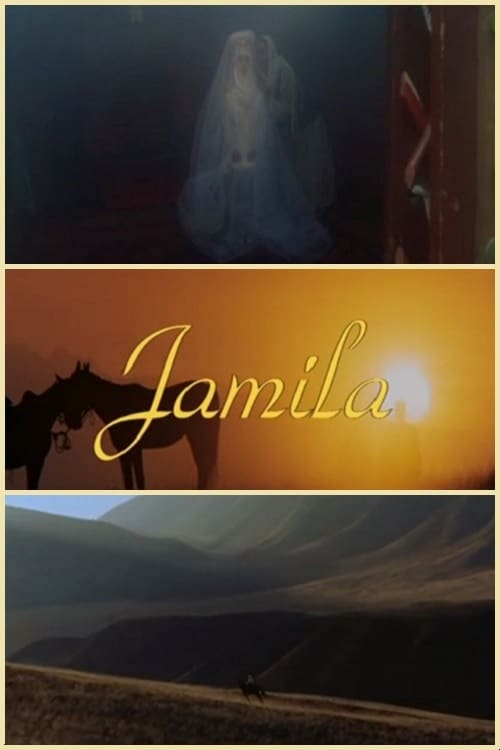
In the 1940s, young Kirghiz boy falls hopelessly for Jamilla, but their love has no future.
Jamila
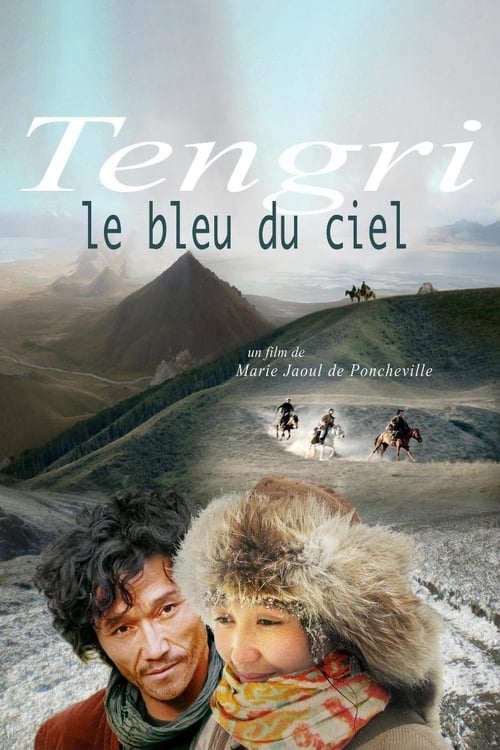
This is a love story set in the steppes of Central Asia of today. Temür a thirty year old Kazakh decides to start life again in his ancestral village in the Kyrghyz Mountains. He discovers soon after his arrival that he is a misfit in this settlement of old conservative Islamic men,some women and children. The only ray of hope for him is Amira a young married woman who waits in frustration for her absentee husband - a Mujahideen. Temur watches sorrowfully as the individual village stories unfold at the same as he tries to help the community out in any way he can. In this way he comes closer to Amira and Taib, her young brother-in-law. In a dead end situation the lovers decide to leave the settlement and travel to a place that would hold out with their dreams. Written by Mira Tanna-Händel
Tengri: Blue Heavens
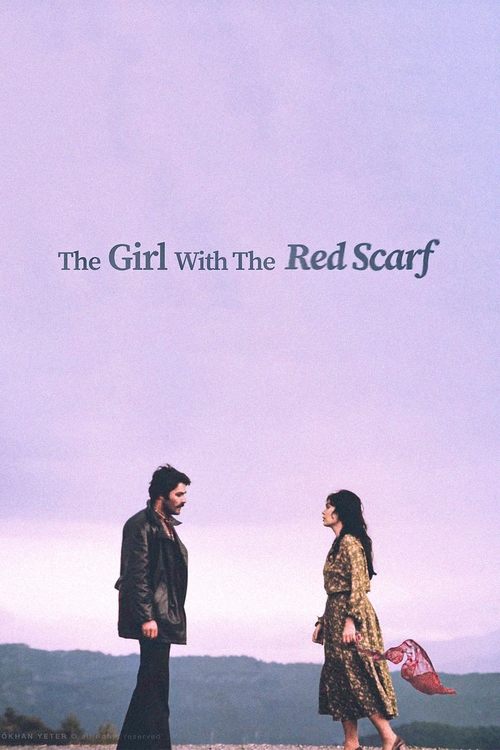
İlyas, a truck driver from Istanbul, arrives in a remote village to work on a dam construction project and meets a young village woman named Asya. They fall madly in love and get married. However, their life together is fraught with conflict. When İlyas cheats on Asya, the final straw in their relationship, she takes her son and begins wandering without knowing where she is going, until a familiar hand reaches out to help her selflessly.
The Girl with the Red Scarf
Dyuishen is assigned to the mountainous Kirghiz region of Central Asia by the Young Communist League after he is discharged from the Red Army. It is 1923 and the Civil war has ended. The former soldier becomes a teacher, bringing the Leninist doctrine to the remote Moslem area where elders did not allow children to go to school. He falls in love with one of his students, but the young woman is sold by her father to a wealthy chieftain.
The First Teacher
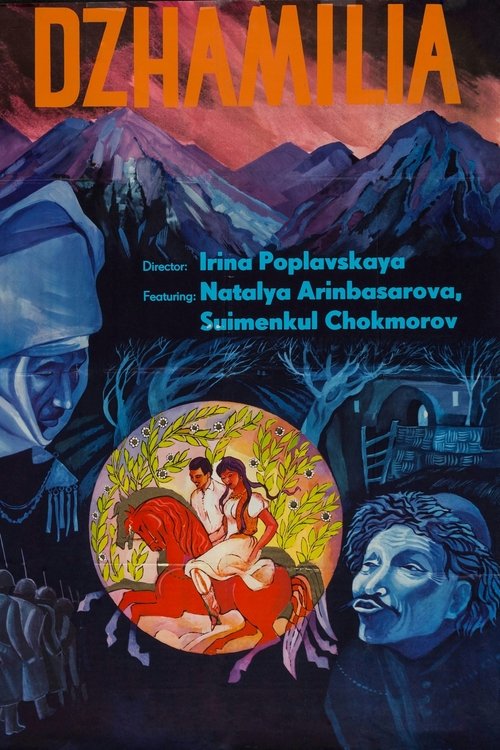
In a remote Kyrgyz village, Dzhamilya follows her parents' orders when she marries a man without loving him. Then World War II breaks out and her new husband has to leave the village. While being alone, Dzhamiliya meets the returning soldier Daniyar and falls in love with him instead. Years later, their young friend Seid reminisces about the couple.
Dzhamilya

Bakai is an old shepherd who lives in the country while his children have long grown accustomed to life in the city. When his youngest son pays him a visit, Bakai wants him to stay and help with the rigors of rural living.
The Skies of Our Childhood
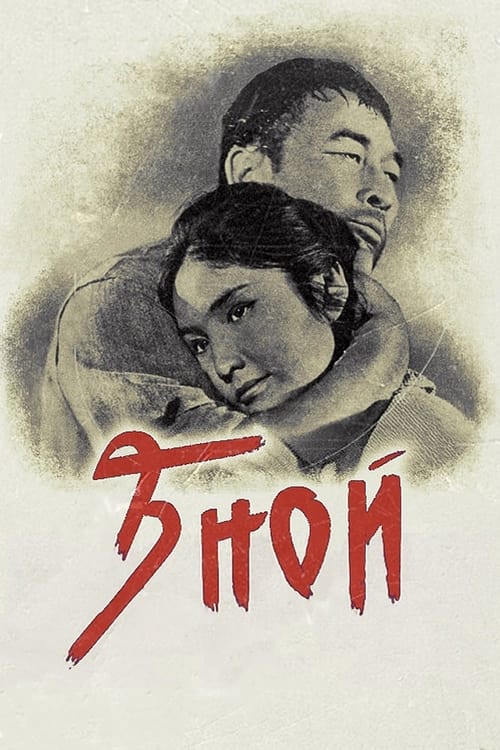
An idealistic high school graduate goes to work on a state farm on the Kyrgyz steppe, only to clash with its authoritarian leader.
Heat
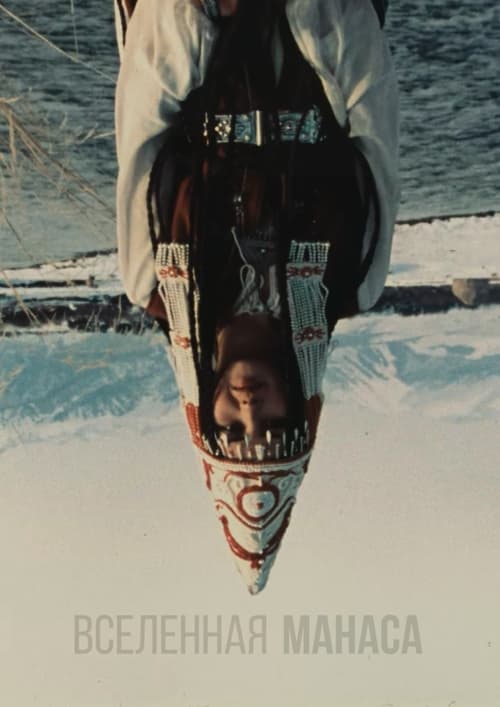
It has been a lifelong dream of Kyrgyz director Melis Ubukeyev to create an elaborate film version of the Kyrgyz national epic 'Manas'. He spent years working with the National Academy of Sciences of Kyrgyzstan to gather material for this film project, which would ultimately remain a dream. However, the director's efforts were not in vain: Not only did he make films in 1962 and 1988 about Manasçı – the revered oral storytellers who have preserved the epic for generations through melodic recitation –, but in 1995, to mark the 1,000th anniversary of 'Manas', he also created a beguiling essay film that not only recounts the epic’s sweeping narrative through a mix of breathtaking imagery and opulent costumes, but also weaves it into a semi-documentary exploration of Kyrgyz history and identity. Once almost impossible to find, the film has recently been restored by the film studio Kyrgyzfilm and uploaded to YouTube in 4K.
The Universe of Manas
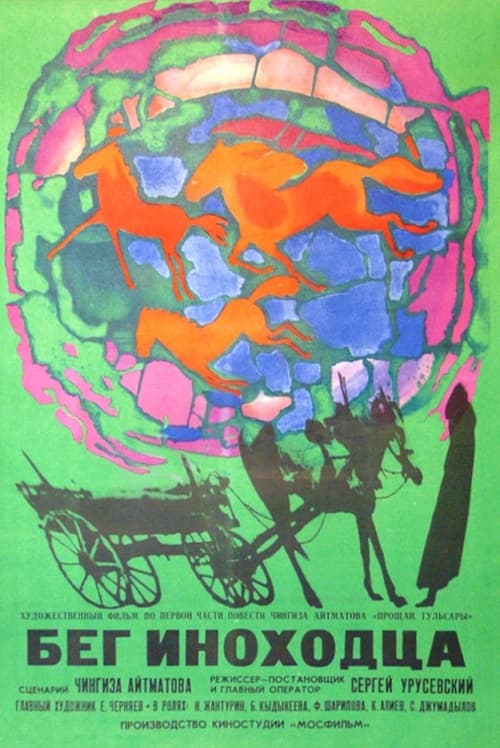
Based on Chingiz Aitmatov’s novel "Farewell, Gyulsary!" The story of Tanabai the blacksmith, father of three children, who upon his return from war became a herdsman, and his tragic love for the soldier’s widow Byubyudzhan. The lyrical poem has an additional storyline concerning the horse Gyulsary and his master Tanabai.
Goodbye, Gyulsary!
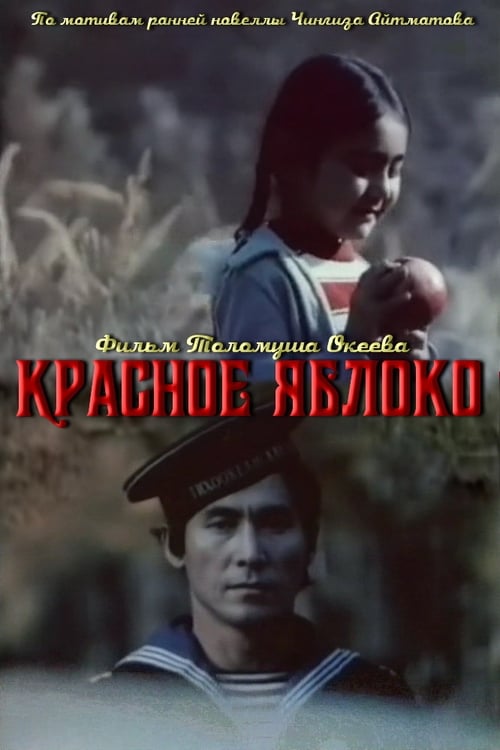
A chronicle of a few days in a small family, a story about the difficulties of human contacts, the complexity of love. The image of red apples - strong and clear, profound and lucid. Okeyev's "apple" bears a special meaning. Juices of the earth and sun, it is a lyrical symbol of happiness and harmony.
The Red Apple
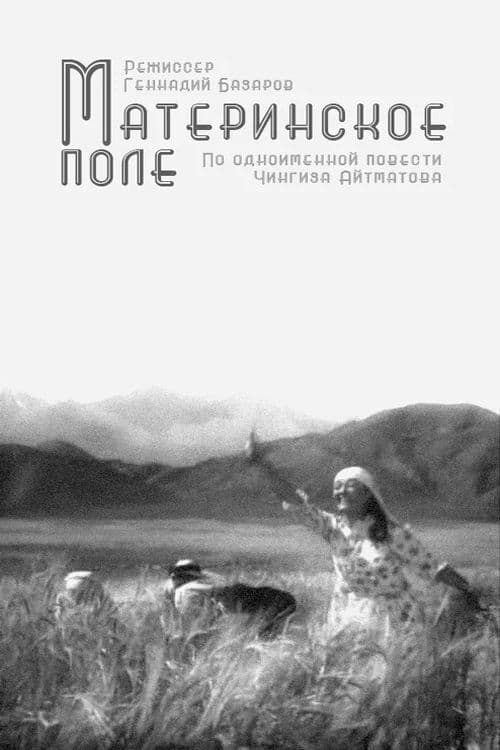
In a remote Kyrgyz village, a mother navigates daily life as her family is drawn into the upheaval of World War II. Left behind to tend the land and hold her household together, she clings to hope amid growing uncertainty. As seasons pass, the quiet weight of absence and memory shapes her world. A deeply personal story of endurance, Mother’s Field captures the emotional cost of war from the perspective of those who wait.
Mother's Field
During the second world war two friends work at a remote railway station in the steppes. When one dies the other's request to bury him according to Islamic rituals in a sacred place is denied by the Soviet authorities, who use that place for rocket testing.
Snowstormy Station
The story of the suffering of a boy who is put on a sheepskin coat and gradually becomes a man-eater.
Manqurt
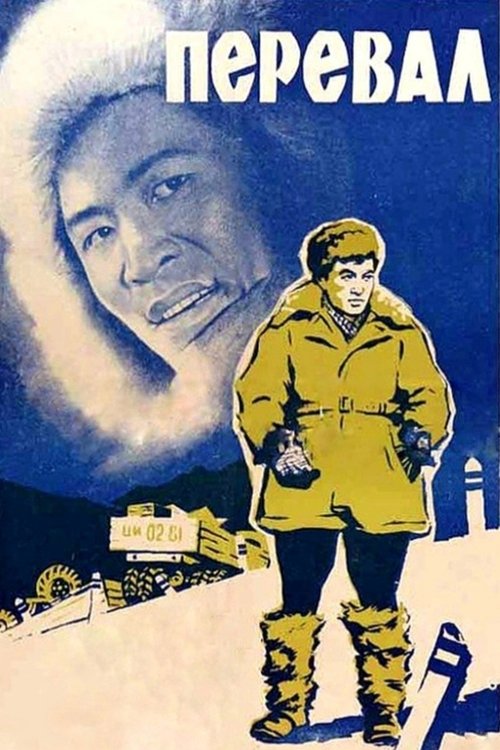
Young Daniyar drives his car along the mountain roads of the Tien Shan. One day, returning from a trip, he meets Asel. This encounter marks the beginning of a great love story for them. Daniyar breaks off his relationship with his former girlfriend, the beautiful Raihan, and marries Asel. But one day, his long-forgotten relationship with Raihan is rekindled. Asel, upon learning of her husband's infidelity, leaves him. Meanwhile, wanting to increase the number of trips and reduce travel time, Daniyar decides to drive through the pass with a trailer, but gets into an accident on the pass, the consequences of which are exacerbated by his co-worker Sadyk...
Pass

In this heavyhanded political allegory, set in the plains and mountains of Central Asia, a tribe of people led by the fanatical Mavrut (Vladimir Msrian) wanders about in the most desolate parts of this already desolate region in search of a mythical "Land of Happiness." Their quest is hampered by the fact that they must all live a life which is extremely ascetic. One tribeswoman expresses a desire to have a child, but is rebuked by being reminded that she has vowed never to have worldly ties that would distract her from the quest. When she has a child anyway, she and her lover are made to pay for this crime in a horrific way. Despite that, the child becomes a kind of holy mascot for the group, touted by the leader as a kind of savior. They are distressed when the child goes missing one day, only to appear mysteriously on the opposite side of the rapids of a river, beckoning to them.
The Sand-Storm
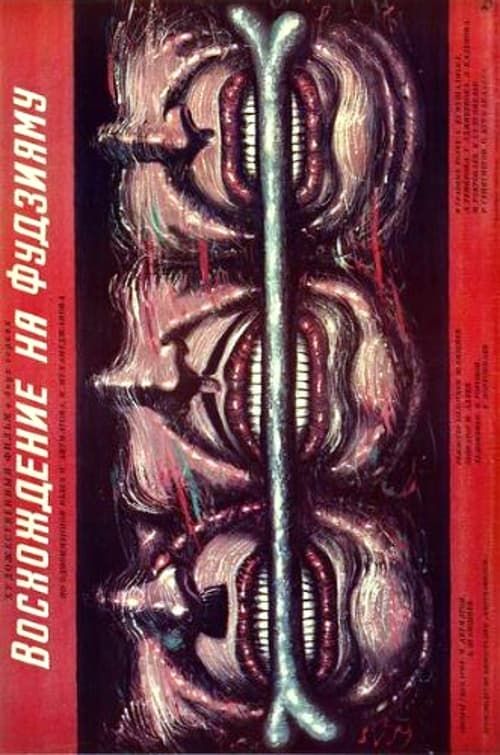
A few former pupils of primary school teacher Aishi-Aly meet again for a party on the top of the sacred mountain that dominates their village. But what was supposed to be a joyful party turns into a nightmare...
The Ascent of Fujiyama
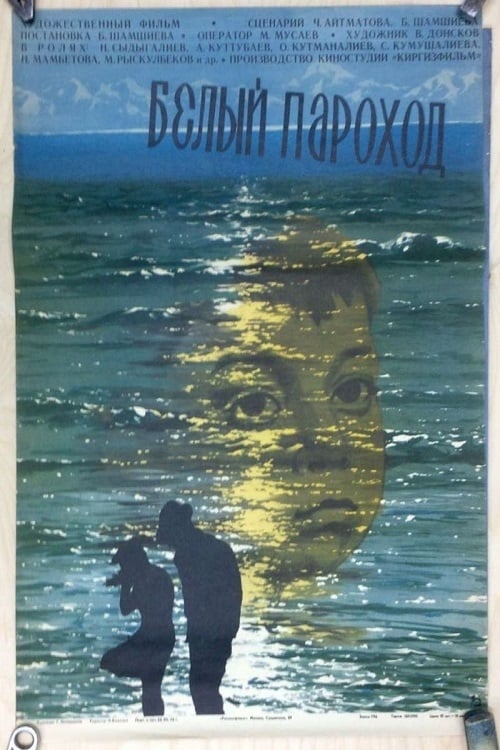
Longing to discover his father, a sad young boy dreams of becoming a fish and swimming to the great white ship he sees traversing Lake Issyk. Lost in his dreams, and buoyed by the pagan tales of his Central Asian grandfather, he feels a close communion with nature: so much so that when a hunter kills a stag, he too takes a final, liberating leap.