Camera
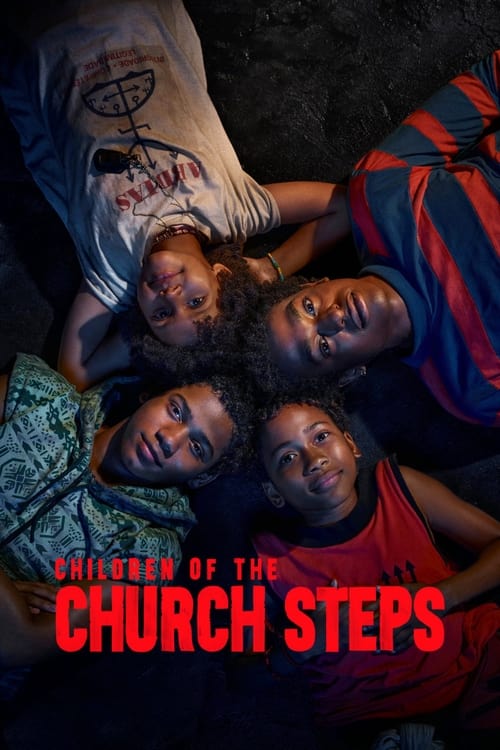
Inspired by the 1993 Candelária massacre in Rio de Janeiro, four homeless youths—Douglas, Sete, Jesus and Pipoca—navigate street life, dreams, and survival, blending their stories with dreamlike sequences in the 36 hours before the massacre unfolds.
Doctors, nurses and drivers of a special mobile service unit navigate personal and professional dramas while burdened by the responsibility to prevent others from dying.
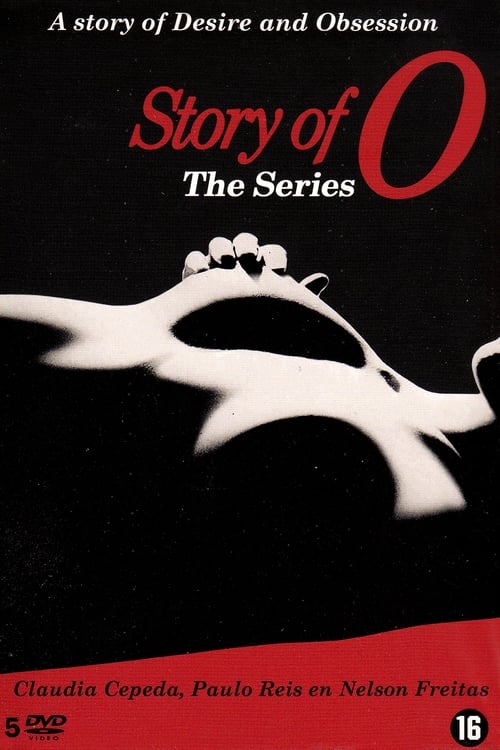
O is a young, vivacious photographer who falls in love with Rene. While their relationship seems like a storybook romance at first, everything changes when he sends her to a place called Roissy, where women are subjected to intense physical and psychological S&M training to make them the perfect slaves.
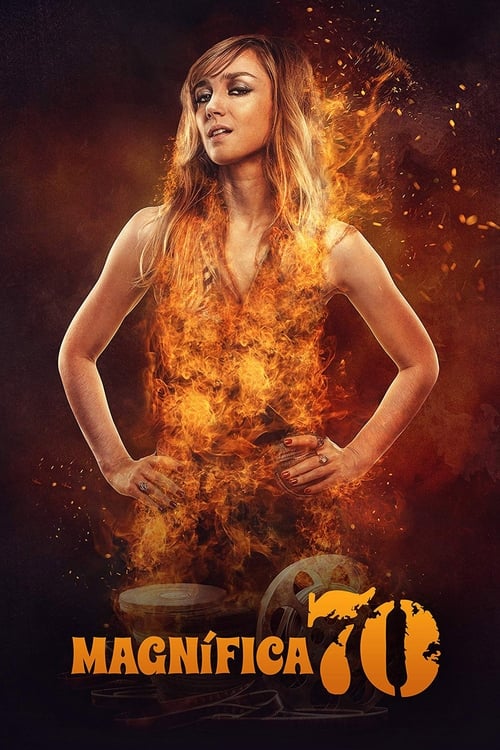
A man bored with his reality, works in the São Paulo government censorship department, is married to Isabel, but falls in love with Dora Dumar, an actress of the films he has the obligation to censor.
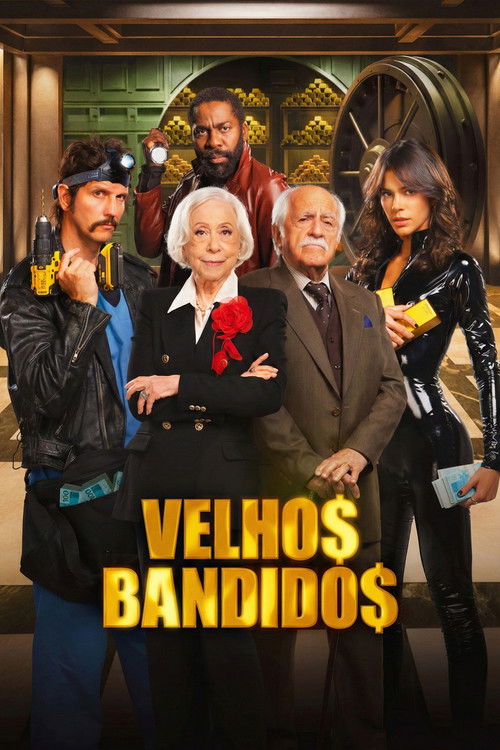
An elderly retired couple teams up with young partners to plan a daring bank robbery, while trying to outwit a detective determined to stop them.
A Brazilian father finds a worthy opponent when he meets his daughter's Argentine in-laws, and a trip to Bariloche becomes the stage for a fun international rivalry.
No description available.
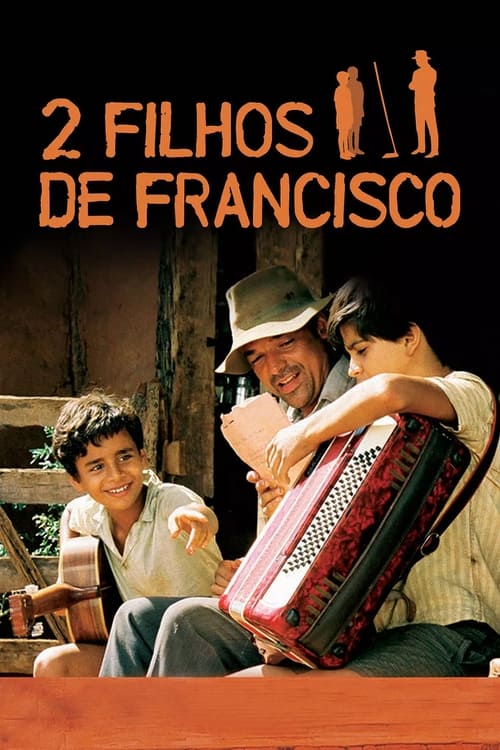
The story of Francisco, a very simple and poor man whose dream was to see his children become country music stars, and who made all the efforts to make it happen.
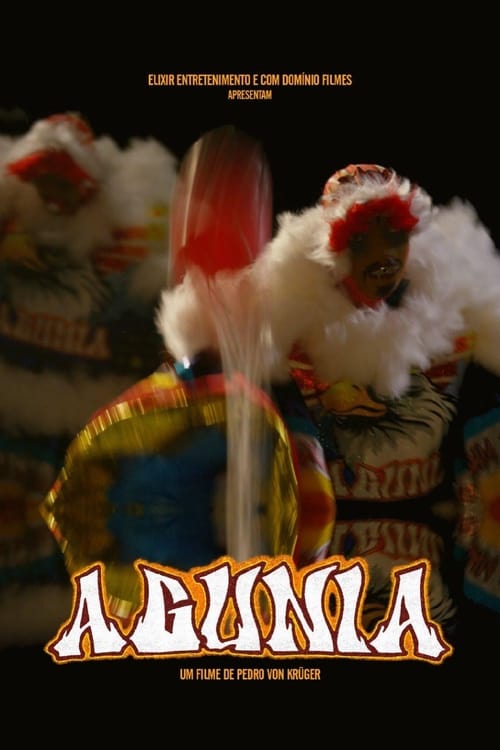
Zuzu Zero, the Angry Eagle from the Agunia team. The story of this emblematic persona is mixed with one of the most traditional parades from the suburbs of Rio de Janeiro: The Agunia do Sapê.
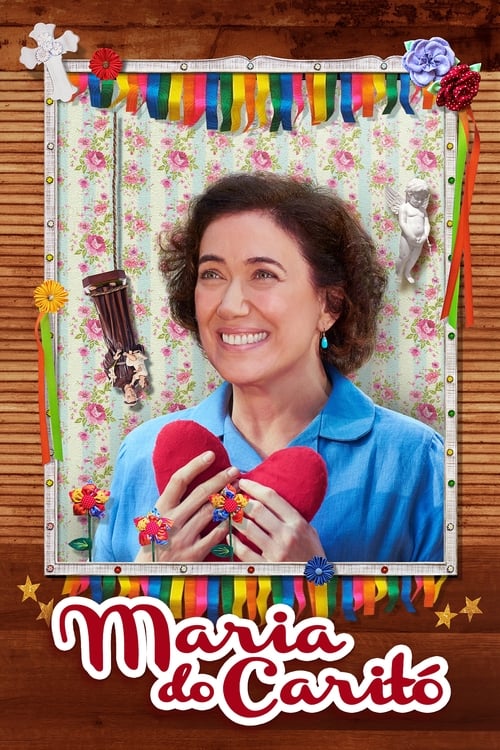
Maria, a virgin spinster, is trying magical superstitions to find a husband. In her dialogue with the marriage saint, she implores for a companion. Her father offered her as a bride to Saint Djalminha, if the saint saved her during her complicated birth which ended in the death of her mother. Since then Maria has lived this dilemma: revered and loved by the residents and pilgrims that believe she is a miracle worker; she is desperate to live a great love, with a flesh and blood prospect with real passionate desire. She asks for a sign from the heavens, a clue on how to find a crumb of love when a gypsy arrives on scene saying "someone who loves her very much, but she doesn't know will come from afar on an artists' caravan." Maria can't take the solitude she is living anymore and decides "to find Mr. Right," no matter how much it may cost.
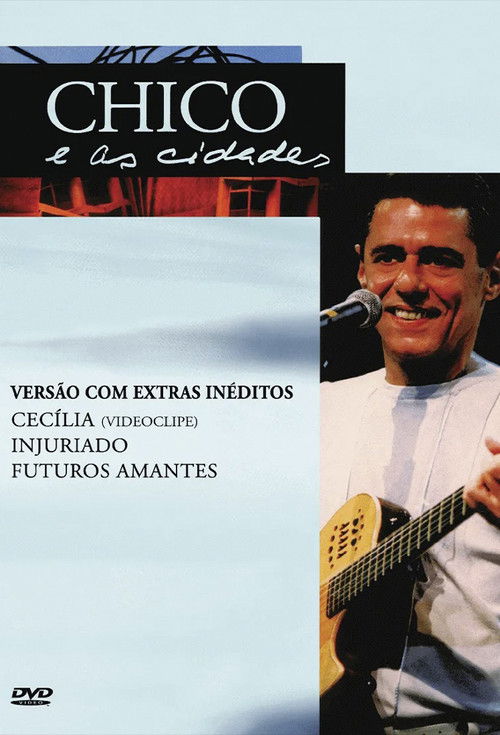
The documentary "Chico e as Cidades" was directed by José Henrique Fonseca in 2001 and re-released by Biscoito Fino in June 2009 with three previously unreleased extras: Cecília's music video and takes of the songs "Injuriado" and "Futures Amantes." The DVD was made from the show "As Cidades" – premiered by Chico in 1999, based on the repertoire from the album of the same name. However, far from being a video version of the show, it is a documentary that covers various themes from the composer's life and work, as well as special appearances by Maria Bethânia, Jamelão, Oscar Niemeyer, Tostão, and the Velha Guarda da Mangueira.
“Carioca,” Chico Buarque’s first DVD of original songs since As Cidades (1998), features musical direction and arrangements by Luiz Cláudio Ramos and production by Vinícius França. The repertoire includes the choro-canção Subúrbio and Sempre, a track composed for the film O Maior Amor do Mundo, among others. In this work, the artist speaks about his city with the youthful spirit reminiscent of the age when he first earned his famous nickname. Voltei a Cantar / Mambembe / Dura na Queda / O Futebol / Morena na Angola / Renata Maria / Outros Sonhos / Imagina / Porque Era Ela, Porque Era Eu / Sempre / Mil Perdões / A História de Lily Braun / A Bela e a Fera / Ela É Dançarina / As Atrizes / Ela Faz Cinema / Eu Te Amo / Palavra de Mulher / Leve / Bolero Blues / As Vitrines / Subúrbio / Morro dos Irmãos / Futuros Amantes / Bye Bye Brasil / Cantando no Toró / Grande Hotel / Ode aos Ratos / Na Carreira / Deixe a Menina / Sem Compromisso / Quem Te Viu, Quem Te Vê / João e Maria
Sisters Mirian and Mirelly were born in the interior of Goiás, but live in different cities. When their mother disappears, the two put aside their differences and come together to look for her, on a journey that could change their lives.
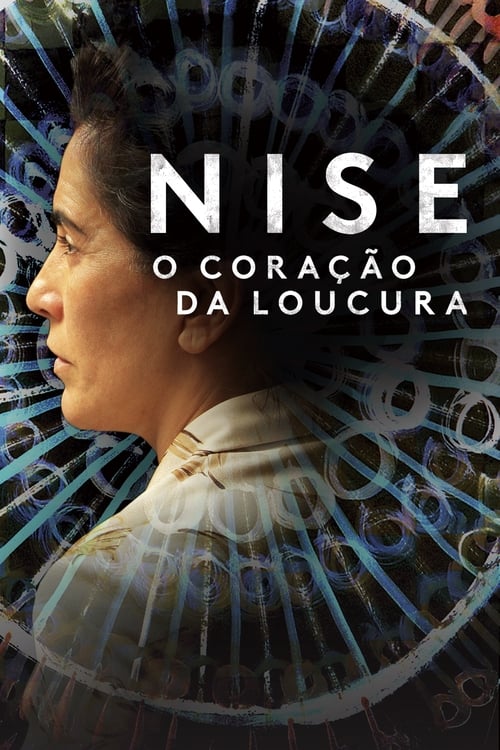
After being released from prison, Dr. Nise da Silveira is back at work in a psychiatric hospital on the outskirts of Rio de Janeiro where she refuses to employ the new and violent electroshock in the treatment of schizophrenics. Ridiculed by doctors, she is forced to take on the abandoned Sector for Occupational Therapy, where she would start a revolution through paintings, animals and love.
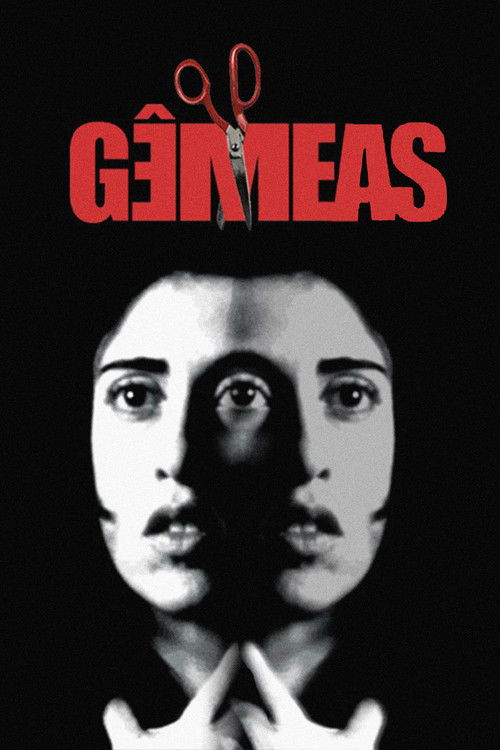
Identical twins Iara and Marilena like to play games and deceive men by pretending to be each other. But when they fall in love with the same man, a rivalry with devastating and horrifying consequences begins.
Based on the book O Fantástico Mistério de Feiurinha, the story combines real world and fantasy, dream and determination, with a surprising end, even for a fairy tale. The movie shows the fight of the fairy tale characters, now adults, who come together to recover the fable of the Little Ugly Princess, a beautiful Princess with a strange name, which only makes sense for those who know her story. The problem is that children and adults have forgotten the story of the Little Ugly Princess, which is as wonderful as other major fables for children. Cinderella brings together other fairy tale characters to meet the writer who keeps, lost in a small notebook, the Little Ugly Princess story.
This is an adaptation of the 2015 TV show, featuring two intertwining love triangles that drive the plot. The first triangle involves Aragão, his wife Arlinda, and her lover, Chico. The second triangle unites Malvina, Lena, and Gabriel, who is the son of Arlinda and Chico but raised by Aragão.
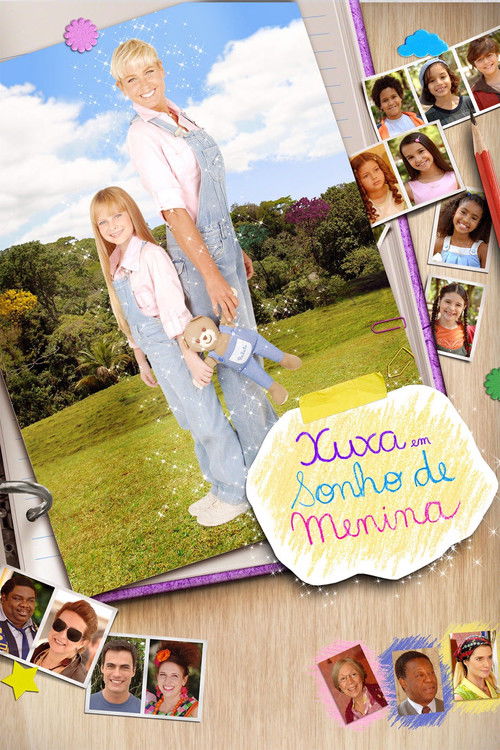
Kika, a math teacher, accidentaly becomes a child again after eating a magic cupcake. This leads her in a journey of self-discovery, while also helping Juju, a 10-year old girl chasing her dreams.
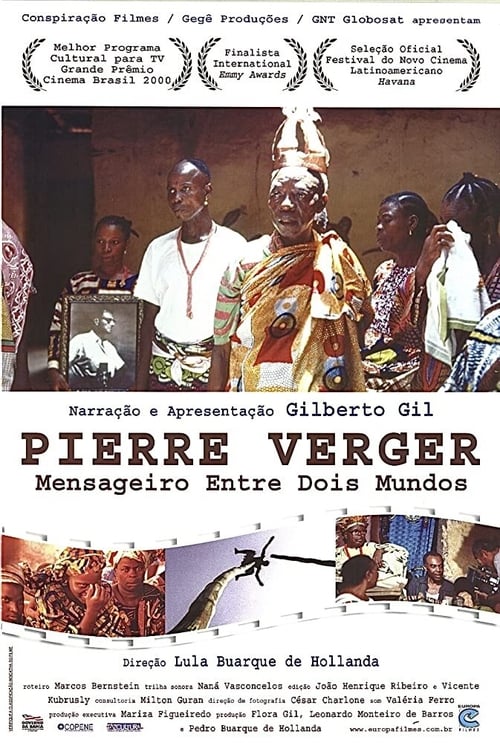
Inspired by the life of the french-born photographer and ethnographer, Pierre Verger, the movie follows his journey between Bahia, Brazil and Benin, Oriental Africa, showing places and people he met and his life study project: the Candomblé culture.
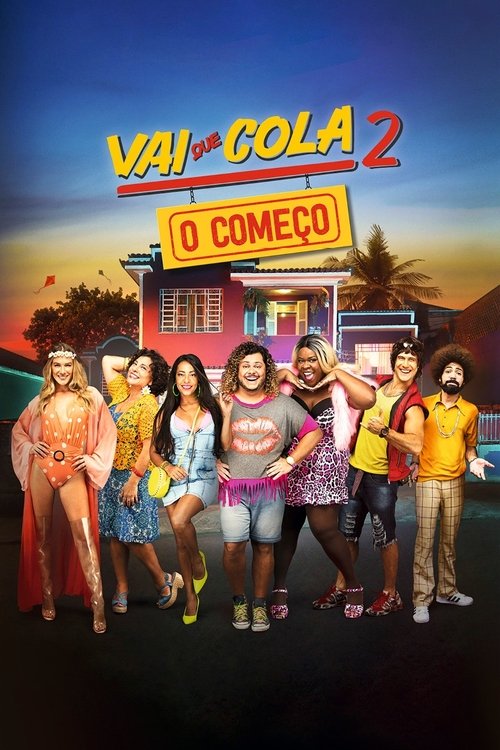
Long before they socialized almost every day at Dona Jô's pension, Jéssica, Ferdinando and Máicol didn't even know each other. But when Terezinha decides to organize a big feijoada at Morro do Cerol, they all meet for the first time, in the most unusual way possible.