Editing
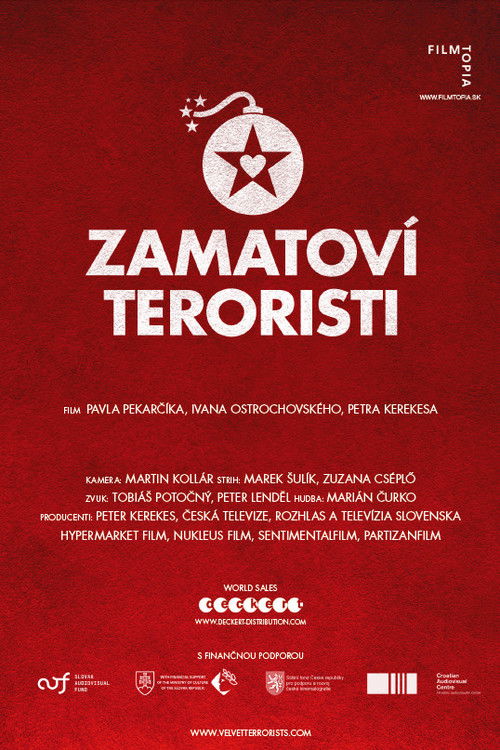
Part documentary, part mockumentary and part stranger-than-fiction lesson in guerilla tactics, Velvet Terrorists is a quirky profile of three very different men and their former attempts to take down the communist regime of Czechoslovakia – by blowing the hell out of it. Having all spent time in prison for their crimes, one-time bombers Stanislav, Frantisek and Vladimir muse on their personal histories, the fall of the regime and their journey into middle age.
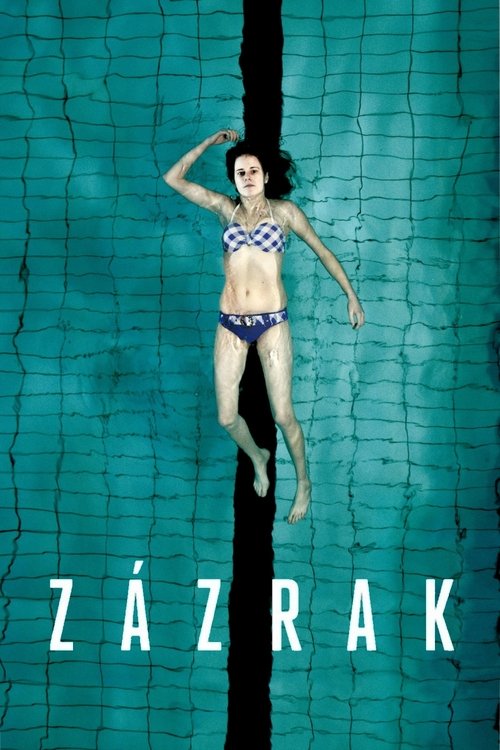
Ela, 15, has a love affair, which results in her being sent to a re-education center.
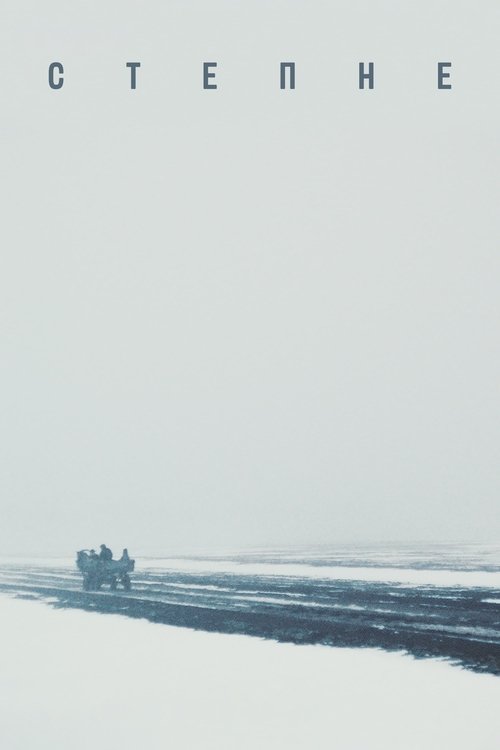
A country awakens from a deep winter sleep. An incomprehensible and absurd world slowly unfolds before the camera, imbued with strangeness, even though we are familiar with its sounds, rhythms and colours.
No description available.
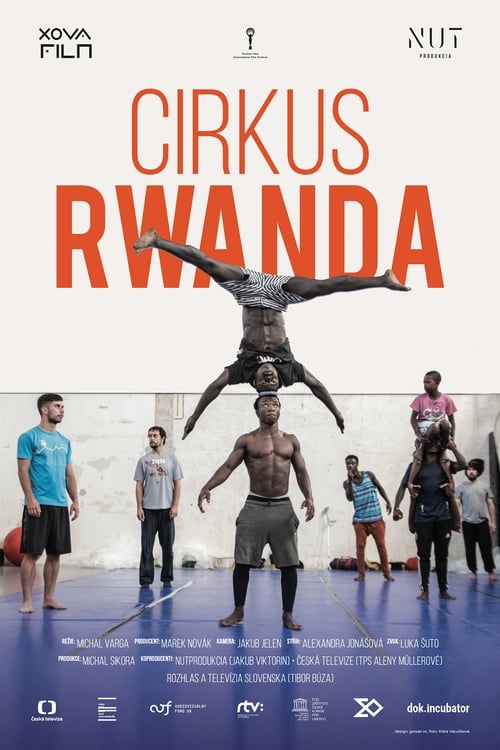
Eliseé survived the Rwandan genocide as a child. Today he leads an orphan acrobat group in a country, which heavily relies on foreign aid. He cares for the orphaned children and wants them to be happy, to have some sense in their lives. Rosta Novák built a worldwide-acclaimed circus group in Prague, where he successfully rules with a firm, paternal hand, but has permanently dark under-eye circles from the workload. The majority of Rwandese think that all people in Europe are fairy rich. On the other hand, many Europeans think that it is necessary to help Africa with everything. What happens, if we merge these two worlds in a film, during the preparation of a joint circus performance? What are the true motivations of our protagonists and what does it tell us about the Africa-Europe relationship? And who actually helps whom, in the end?
One fairy tale, one sad funeral, one ruined Christmas and one wild wedding. Stories of three men and their families that are affected by the current financial crisis.
The northernmost city in the world, Longyearbyen, is the most populated settlement in the Norwegian archipelago of Svalbard. A Czech social anthropologist attempts to make a new home for herself here with her family whilst also researching social transformations in the local community. The loss of jobs in the mining industry, as well as the complicated relationship between Norwegian natives, foreign immigrants, and tourists all contribute to the city's change of atmosphere whilst the surrounding snowy mountains melt and avalanches threaten the daily existence of the local population. This portrait of the microcosm of an ice town is a raw glimpse into the contemporary globalized world.
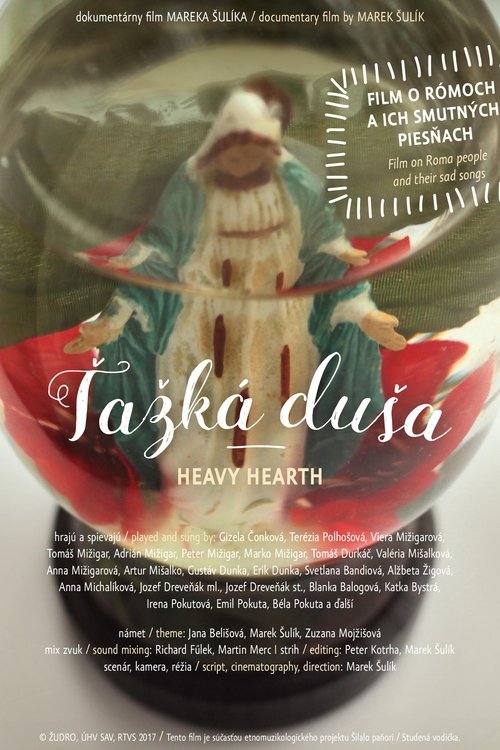
Documentary film Heavy Heart arose as a part of ethnomusicological research Silalo panori / Cold water (2014 – 2017) of ancient Roma songs. These songs are usually connected with memories and experiences of their interprets. Documentary in a mosaic-like way traces the way of the original Roma music transport to the next generation or also how it ceases to exist under the influence of social changes.
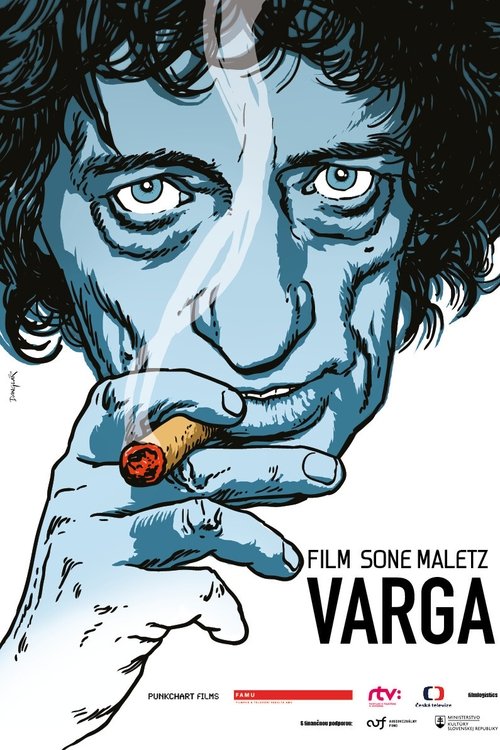
Sonia Maletzová's documentary film portrait follows the legend of the Czechoslovak music scene, rock keyboardist Marian Varga (1947-2017), at the end of his life, when he was diagnosed with a terminal illness. It captures the great introvert and avid smoker during his last performances, when he slowly began to lose his breath.
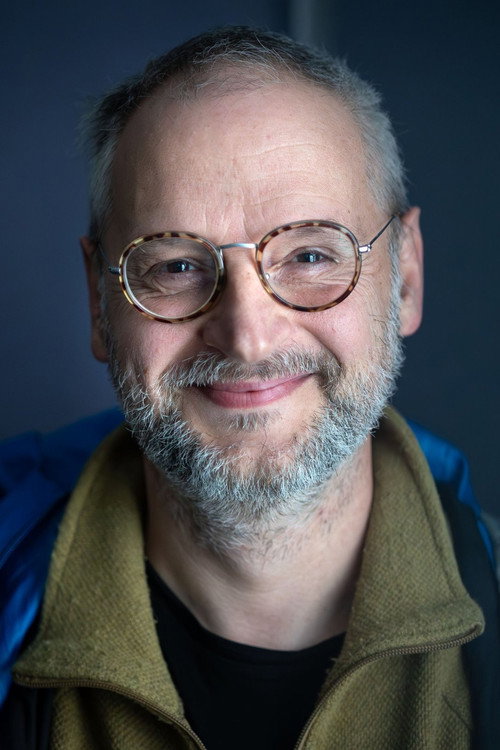
Slovak director Marek Kuboš has not shot a film in 13 years. His first film ever – a student exercise at film school – was a self-portrait. The circle is closed, the source of creativity has seemingly dried up. All that is left to do in the last self-portrait is to clean up after oneself, to recapitulate one’s successes and failures, and to bid farewell to one’s protagonists. This introspective meta-documentary is not so much a study of a creative crisis as it is a self-therapeutic process and an attempt at offering a comprehensive profile of the filmmaker at a time of unstable certainties. Appearing in the role of Kuboš’s consultants are essentially all leading Slovak documentary filmmakers.
A comedy documentary about the search for happiness. The Italian astrologist Lucciana can alter the destinies of people. On their birthdays they have to travel to whatever location on Earth has the ideal constellation of planets over it. They will be reborn on that day and so be able to change their nature. On the one hand, the film follows the everyday (and unchanging) life of the fortune-teller who changes the lives of people while, on the other hand, it follows five protagonists who set out to various places in the world in order to change their lives.
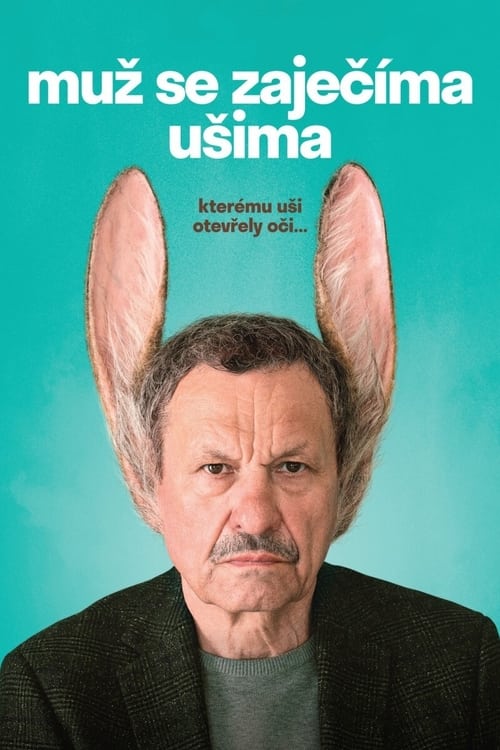
Josef is a writer aged sixty, who thinks that nothing can surprise him any more. One evening, though, his phone rings and he finds himself caught up in a series of events that turn his world upside-down. His best friend – also a writer – tries to commit suicide; his young girlfriend Katka tells him she’s pregnant; and the man with hare ears – his alter ego from one of his stories – appears to him in everyday situations.
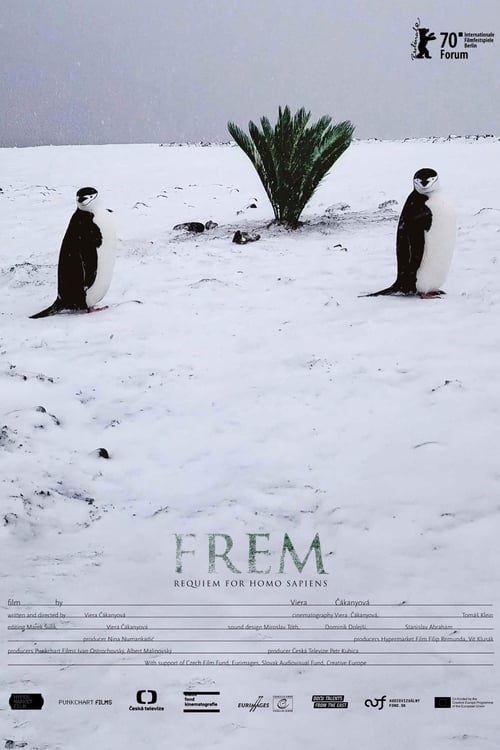
Incomplete thoughts and fragments of dialogue, diverse music interrupted by rushes and glitches, and the seemingly confused, unanchored camera, create a disturbing, philosophical reflection on the limits of anthropocentric thinking.
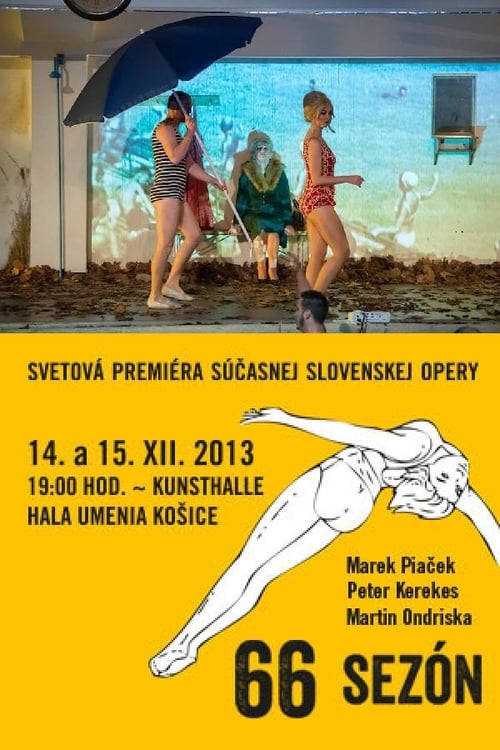
A documentary film about the Košice swimming pool, where history came to bathe. Seen through several stories which unfolded between the years 1936 and 2002, the film captures 66 seasons at the popular swimming pool, and the same number of years in the history of Central and Eastern Europe.
A time-lapse documentary about Zuzana Čaputová's tenure as President follows her political work, personal dilemmas and the difficult challenges facing Slovak society.
Jan calls himself Buffalo. He loves cowboys, he’s blind, and may lose his hearing. The documentary follows his journey to America to visit the chief of the Navajo tribe, who wants to perform a ritual to help his hearing. The film is full of unpretentious humor thanks to Jan’s charisma. In the USA, he’s like the Don Quixote of the Wild West - a naive adventurer in a world that is much more ordinary than his imagination. This observational, but not standoffish, film is also an example of how the medium of film can relate to blind people by constantly showing the difference between what Jan perceives and what we actually see.
A story of a mature man who comes back home from the city to take care of his dying mother. The mother’s passing, together with a meeting with his brother and a woman he loves, makes him reflect on the life he’s had and choices he’s made along the way. And then, just before her death, the mother tells Anatolii about a treasure she has buried inside the shed…
Across the Border is a polyglot portrait of ideas about borders at the beginning of the 21st century. In an episodic journey five directors from Poland, the Czech Republic, Slovakia, Hungary and Slovenia, present their view and vision of nation, identity and Europe: By placing their personal cinematographic imprint on multifaceted portraits of their home countries, they open up a broad space for encounters with the strangers next door.