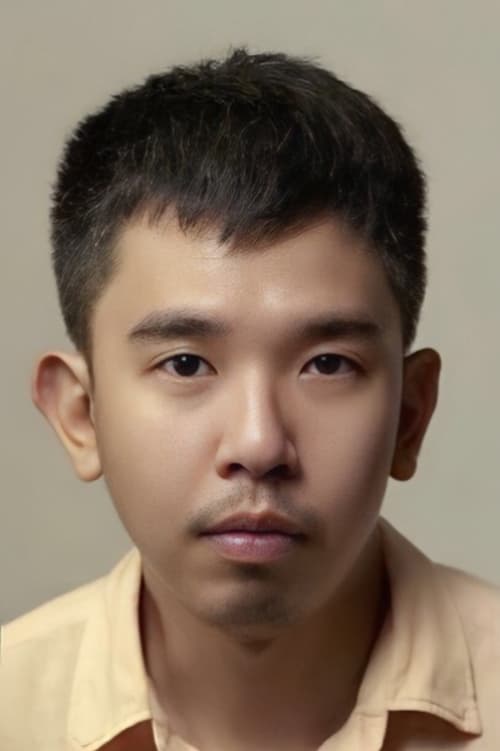
Nontawat Numbenchapol
Directing
Biography
Nontawat Numbenchapol is a Thai documentary film director and cinematographer. After graduating from the Visual Communication Design Department, Faculty of Art and Design, Rangsit University, Numbenchapol has pursued his career as a filmmaker. His notable works include Boundary and By the River.
Known For
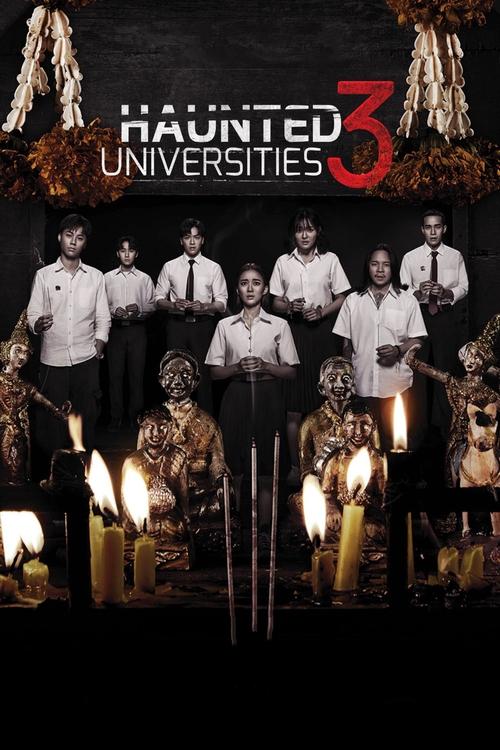
Vindictive spirits, lurking dangers and a peculiar shrine terrorize unsuspecting students who tangle with the supernatural in this horror anthology.
Haunted Universities 3
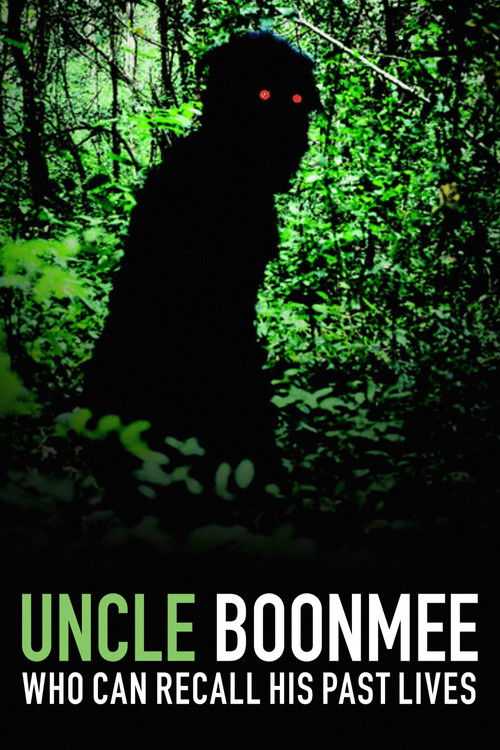
Suffering from acute kidney failure, Boonmee has chosen to spend his final days surrounded by his loved ones in the countryside. Surprisingly, the ghost of his deceased wife appears to care for him, and his long lost son returns home in a non-human form. Contemplating the reasons for his illness, Boonmee treks through the jungle with his family to a mysterious hilltop cave—the birthplace of his first life.
Uncle Boonmee Who Can Recall His Past Lives

Sorn, an ethnic Shan sex worker, tries to build a future in Chiang Mai, Thailand, as a refugee far from home, but he is drawn into a complex relationship with one client, an investigator probing a political activist.
Doi Boy

Laila leaves Bangkok, besieged by law enforcement due to political and social unrest, and embarks on a road trip to the town of Pattani, in the far south of Thailand, along with her brother Sugood and Toi, a friend of his, to visit Sainab, the brothers' aunt, whom they barely know.
The Island Funeral
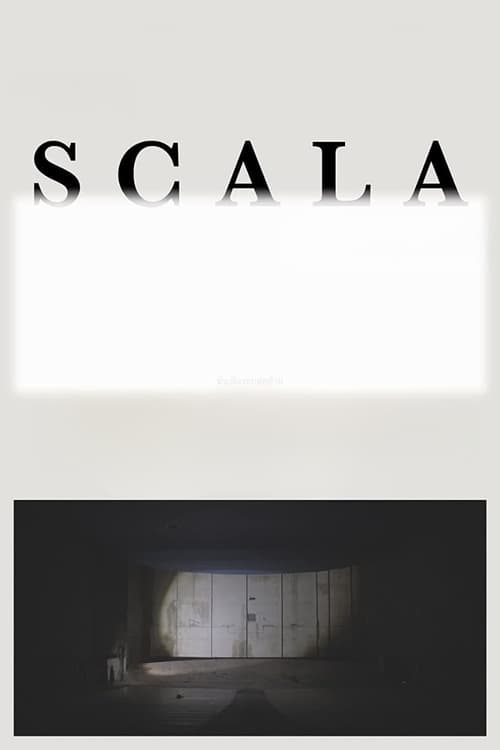
A documentary filmmaker captures the final days of the last standalone cinema in Thailand as former employees return to help close it down.
Scala
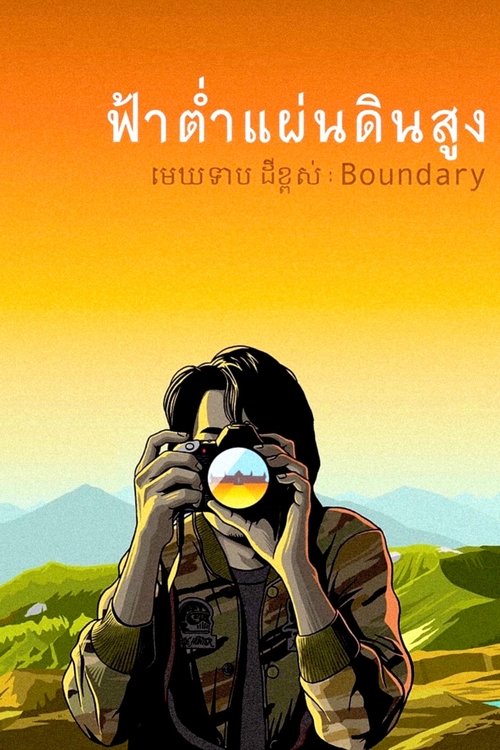
This documentary reveals the tension and tragedy of the Cambodian-Thai border conflict through the stories of an ex-soldier and villagers on both sides.
Boundary

Jojo, a 17-year-old girl from Bangkok, is about to graduate from high school. After her friend Q reveals a secret to her, the two girls grow close and spend all their time together. Jojo's father wholeheartedly approves of the friendship and is just glad that Jojo is not going on any dates with boys.
#BKKY
Rushes of film scenes. The countryside. A father with two children. The same clapperboard on-screen over and over. Starting afresh again.
Action!
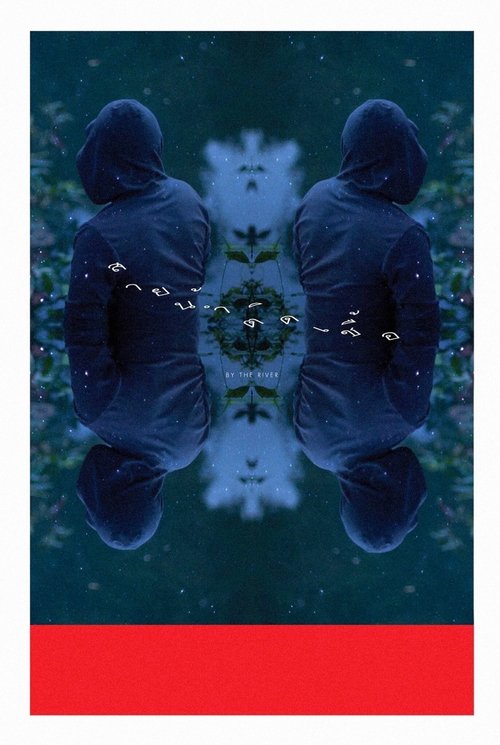
Amidst the tranquility of the deep woods in Kanchanaburi, Thailand, a young man who goes on a daily dive in a contaminated river to catch fish for his lover goes missing. He is unable to come back to a loved one who eagerly waits for his return.
By the River

In Myanmar, a young soldier named Jai and other Shan people wrestle with disenfranchisement and disillusionment in a land where they lack basic rights.
Soil Without Land
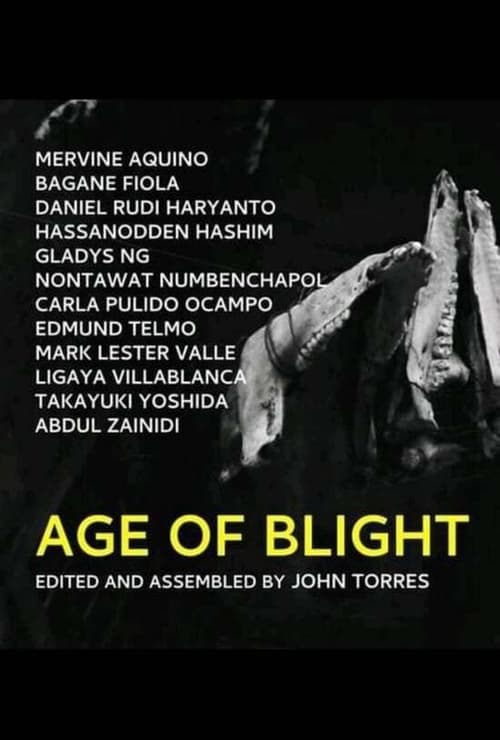
In Age of Blight, 12 Asian filmmakers capture and imagine life under the pandemic, from the hospital corridors of Marawi to protest rallies in the streets of Bangkok. The film mirrors light amidst the chaos and darkness, life in the face of death. Participating filmmakers are Mervine Aquino (Philippines), Bagane Fiola (Philippines), Daniel Rudi Haryanto (Indonesia), Hassanodden Hashim (Philippines), Gladys Ng (Singapore), Nontawat Numbenchapol (Thailand), Carla Pulido Ocampo (Philippines), Edmund Telmo (Philippines), Mark Lester Valle (Philippines), Ligaya Villablanca (Philippines), Takayuki Yoshida (Japan), and Abdul Zainidi (Brunei). Edited and assembled by John Torres (Philippines).
Age of Blight

After the crackdown of the pro-democracy protesters in the 8888 Uprising on 8th August 1988, Tarji's parents were students who joined the protest in Rangoon, left Burma to Thailand through Koh Song Island (Victoria Point) of Ranong Province. They moved and worked in the Southern region of Thailand. The documentary focuses on observation Tarji's life that is about to change from children to the world of adults. The film interviews the life of Tarji and his mother. Follow Tarji to various locations, observing his coming of age.
8.8.88
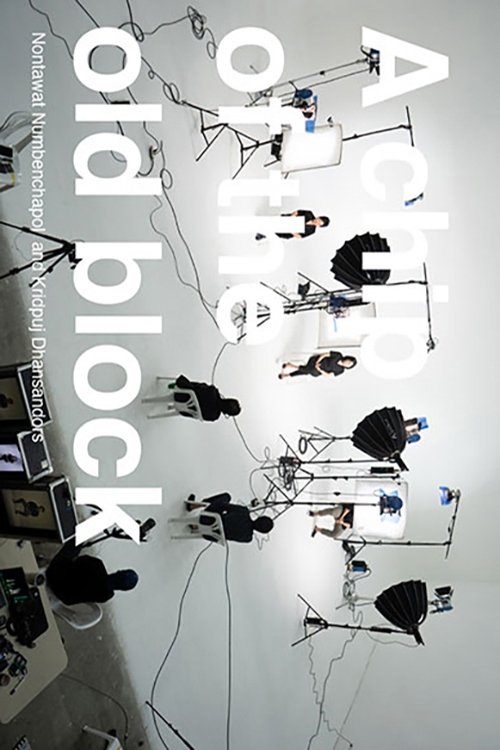
Since 2020, a new generation of Thais have arisen who have bravely questioned and protested the deep structural inequalities of Thai society. Many of these individuals have ended up charged with a heavy criminal offense under Thai law, and a tool of conservative judicial activism. The heavy-handed use of what many consider the “nuclear option” of Thai law was an eye-opening event for many Thai people exposed the leanings of an ostensibly “neutral” judiciary, and has inspired us to investigate Thai history. To our surprise and astonishment, we found that the law is directly connected to the 1960s cold war context — a period that expanded and changed Thailand’s political actors drastically.
A CHIP OF THE OLD BLOCK

This video art experiment and survey on human's visual and sound perception which have an influence on the way of life, national integration, and people's belief in fact. The video changes the way of human's usual perception by using a Thai ancient tale read by a calm voice, along with the annoying visual and sound.