Writing
A former secret agent, who retired and wrote a first novel which tells the eventful adventures of his hero "Le Léopard ", comes back to work, reluctantly helped by an old maid.
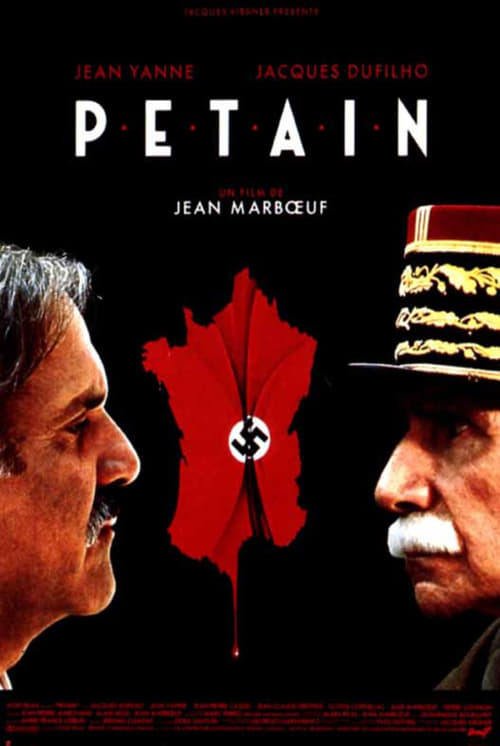
During second world war,Philippe Pétain gets absolute powers.The war ends with the arrival of allied forces by Petainism has not been put on trial.
15 years through Le Bois de Vincennes - The "before" and "after" 1999 storm destructions.
No description available.
In an undetermined time and place, where civil war is raging, two young girls, Agnès fanatic of revolutionary ideology and soft and carefree Pop, weather the storm by constantly opposing each other...
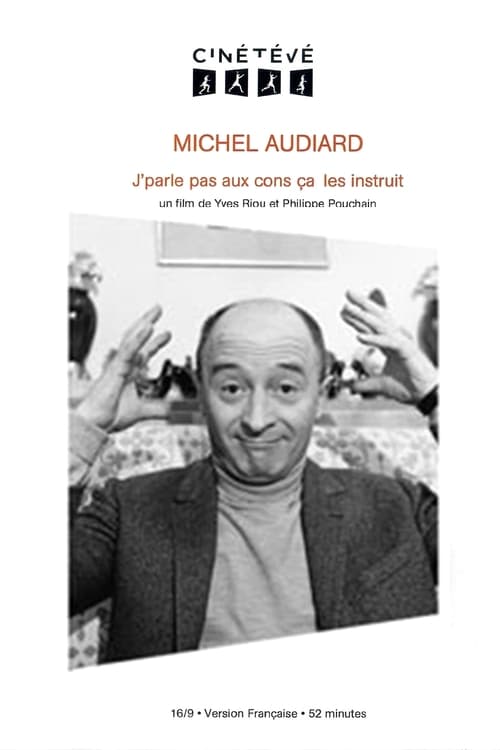
With his popular culture, prolific imagination, and verbal alchemy, Michel Audiard revolutionized cinema in the 1950s and 1960s. Alongside his mentor and friend Jean Gabin, his writing partner Albert Simonin, and his favorite actors Bernard Blier, Lino Ventura, and Michel Serrault, we find his verve and innate sense of repartee, which alone reflect the spirit of the French people and language. From elegance to cheekiness, cynicism to tenderness, he made words speak like no one else. Between the expressions he stole from bar counters to refine them and his encyclopedic knowledge of French culture, he created a unique style and ranks alongside Prévert and Jeanson as one of the greatest dialogue writers in French cinema.
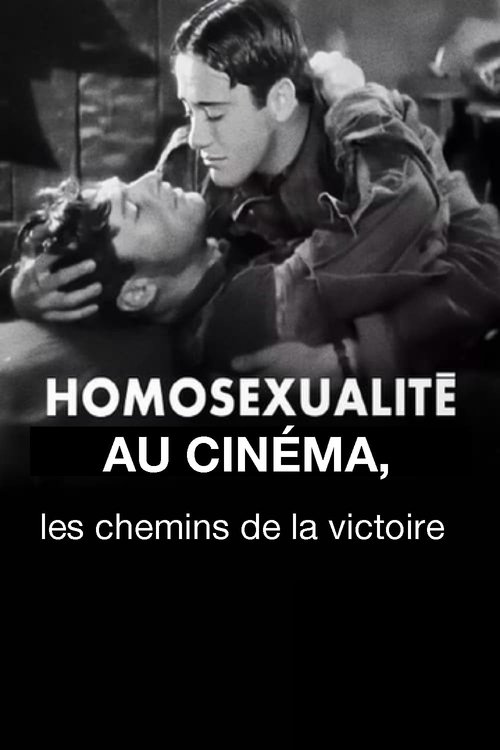
Director Sonia Medina and her co-author, journalist Alain Riou, offer an in-depth analysis of how LGBTQ+ people have been portrayed in cinema between the early 20th century and today, since the birth of the 7th art.” As early as 1896, there was already a gay film,” warns Alain Riou in the opening images. With a series of testimonials and explanations from specialists, the documentary traces the difficulties encountered by filmmakers and actors regarding homosexuality. The stereotypes and biased representations that have long prevailed on screen are also examined. L'homosexualité au cinéma, les chemins de la victoire also examines emblematic works that have been synonymous with major turning points in LGBTQ+ visibility, and celebrates the contributions of pioneers who dared to tackle these taboo themes. The film takes a critical look at the effects of cinema on the public perception of homosexuality and highlights the various struggles for equality and recognition over time.
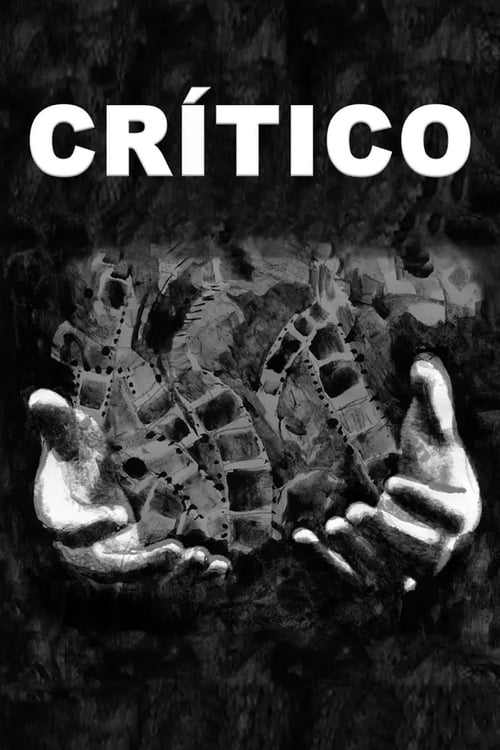
Seventy critics and filmmakers discuss cinema around the conflict between the artist and the observer, the creator and the critic. Between 1998 and 2007, Kléber Mendonça Filho recorded testimonies about this relationship in Brazil, the United States and Europe, based on his experience as a critic.