Acting
No description available.
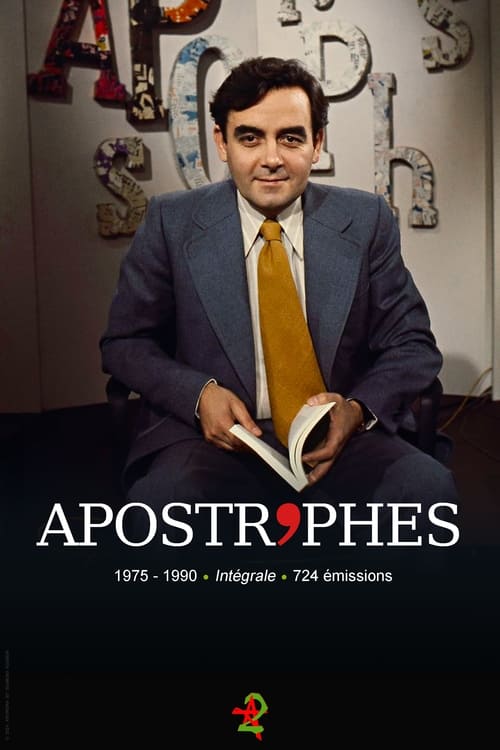
Apostrophes was a live, weekly, literary, prime-time, talk show on French television created and hosted by Bernard Pivot. It ran for fifteen years (724 episodes) from January 10, 1975, to June 22, 1990, and was one of the most watched shows on French television (around 6 million regular viewers). It was broadcast on Friday nights on the channel France 2 (which was called "Antenne 2" from 1975 to 1992). The hourlong show was devoted to books, authors and literature. The format varied between one-on-one interviews with a single author and open discussions between four or five authors.
La Revue de presse (formerly La Revue de presse des Deux Ânes) is a French humorous television talk show, broadcast since October 17, 2007 on Paris Première. It is hosted by Jérôme de Verdière, and involves several columnists and impersonators.
On n'est pas couché was a French talk show broadcast on France 2 on Saturdays at 11 p.m., hosted by Laurent Ruquier assisted by various columnists.
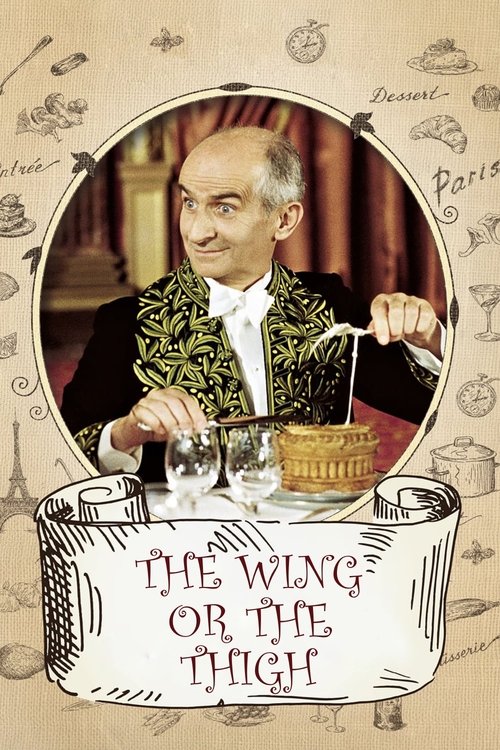
Charles Duchemin, a well-known gourmet and publisher of a famous restaurant guide, is waging a war against fast food entrepreneur Tri- catel to save the French art of cooking. After having agreed to appear on a talk show to show his skills in naming food and wine by taste, he is confronted with two disasters: his son wants to become a clown rather than a restaurant tester and he, the famous Charles Duchemin, has lost his taste!
Le Bébête Show was a satirical puppet show shown on French television. The show was introduced in Stéphane Collaro's Collaroshow on channel TF1, in 1982, before becoming a daily broadcast. Major French political figures were designed by artists: Alain Duverne, Jacques Loup, Jean-Yves Grall... representing as characters similar to those of The Muppet Show, with, for instance, François Mitterrand portrayed as a frog named Kermitterrand, a reference to Kermit the Frog. Most characters were voiced by Jean Roucas, who also acted as the show's host. Although some French politicians expressed appreciation for their caricatures, some have greeted them with less enthusiasm. Jean-Marie Le Pen sued the show, as he disliked being represented as the vampire "Pencassine", shown wearing a traditional girl's costume from Brittany - a reference to "Bécassine", a 1910s classic French comic character, and to Le Pen's origins in Brittany, while retaining his vampire fangs. Édith Cresson expressed great displeasure at her own puppet: she was depicted as an air-headed panther, submissive to the sexual whims of "Kermitterrand". Success began to decline with the competition from Les Guignols de l'info. After Roucas' departure, Collaro revamped the puppets in 1994, but this proved unsuccessful, as the show now looked like an imitation of Les Guignols. The show was eventually canceled in 1995.
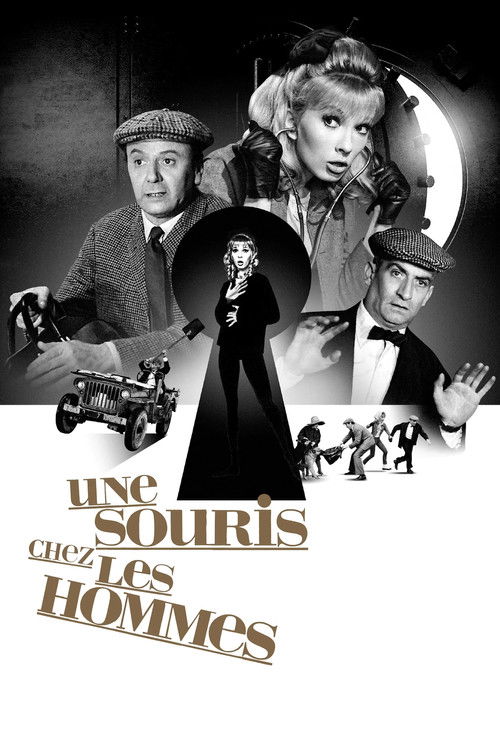
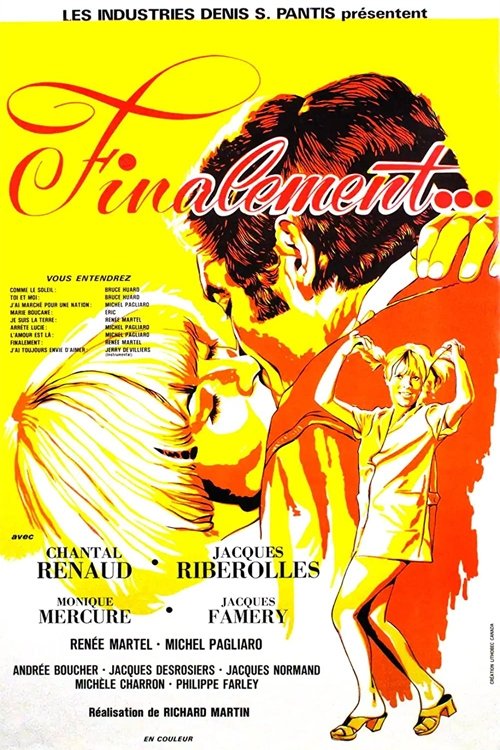
Marcel and Francis are busy people. Marcel owns a café and spend all his nights running from meetings to meetings with members from the high society... at least, that's what he say to his barman! Francis leaves his home, loving wife and adorable daughter, frequently to attend meetings and demonstration with customers. His boss trusts him so much that his agenda is always full... at least, that's what he say to his wife! In fact, Marcel and Francis' incomes come from their night job: thieves! Here at least, they are professional. Troubles arise when, during one robbery, they encounter a young, high-pitched voice, candid girl who takes the decision to become their associate in crime... for the fun!
A former secret agent, who retired and wrote a first novel which tells the eventful adventures of his hero "Le Léopard ", comes back to work, reluctantly helped by an old maid.
A young snack-bar waitress is propelled to supermodel status after meeting a photographer for a French fashion magazine.
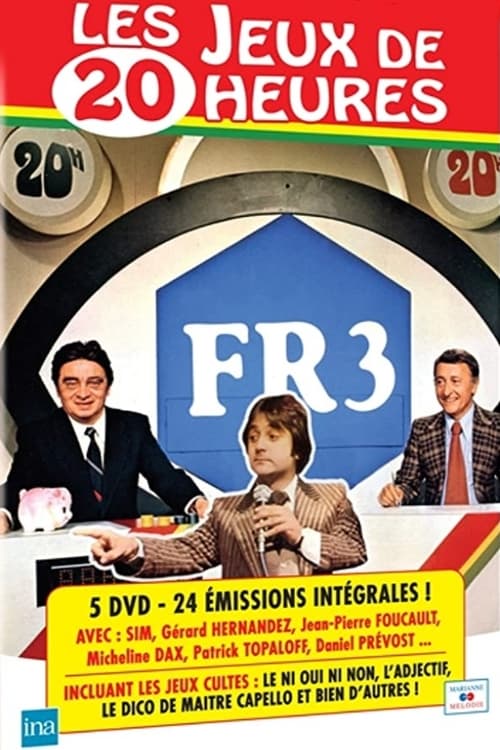
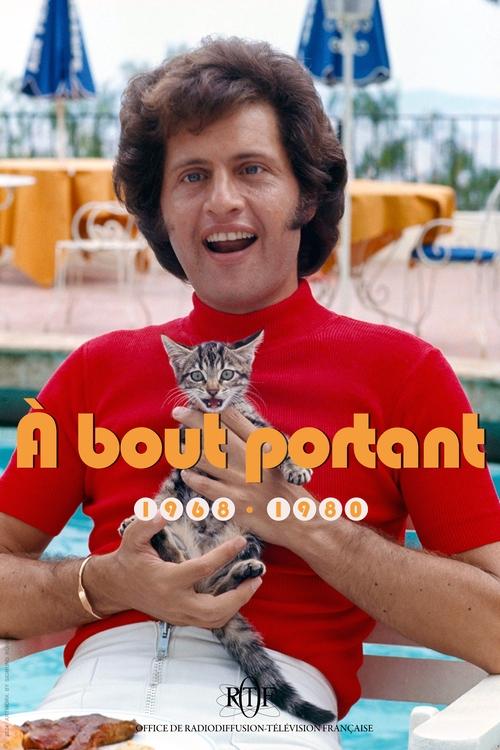
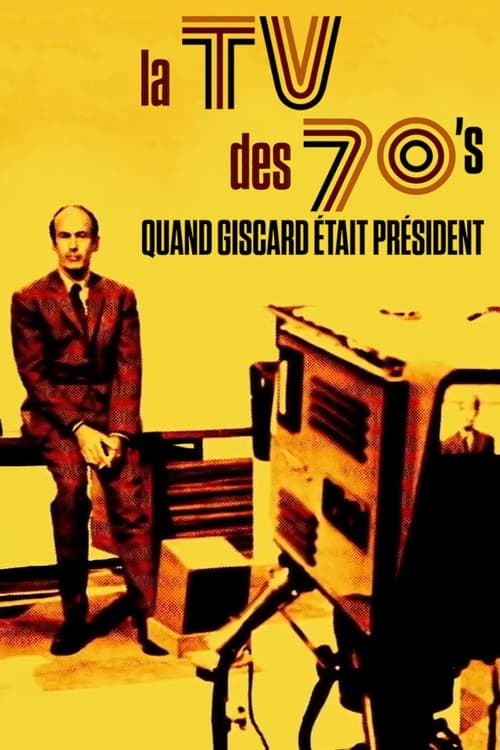
In May 1974, Valéry Giscard d'Estaing became President of the Republic and wanted to bring about a new era of modernity. One of his first decisions was to break up the ORTF with the creation of three new television channels: TF1, Antenne 2 and FR3. Three new public channels but autonomous and competing. It is a race for the audience which is engaged then, and from now on the channels will make the war! This competition will give birth to a real golden age for television programs, with variety shows in the forefront. The stars of the song are going to invade the living rooms of the French for their biggest pleasure. This unedited documentary tells the story of the metamorphosis of this television of the early 1970s, between freedom of tone, scandals, political intrigues and programs that have become mythical.
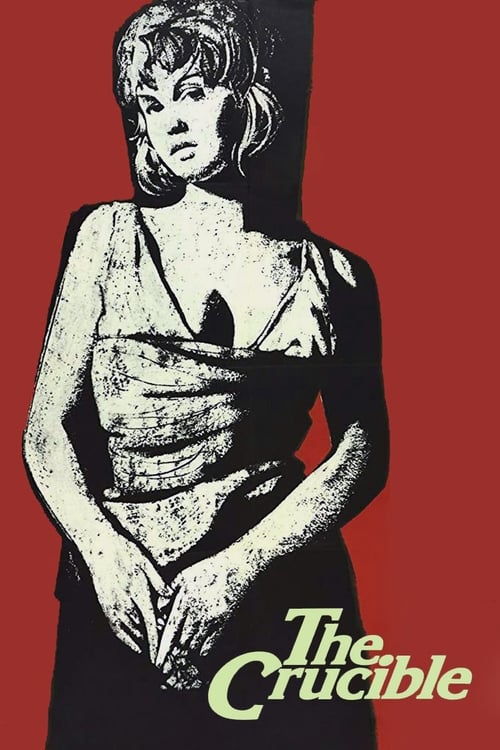
Salem 1692. The young Abigail, seduced and abandoned by John Proctor, accuses John's wife of being a witch in revenge. A series of tragic trials soon befall Salem as fear and suspicion blur the lines of reality.
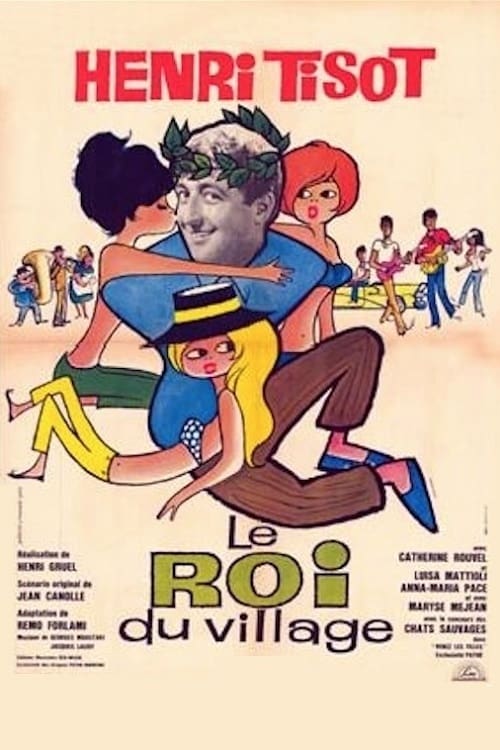
Moïse, a foundling, is raised by the inhabitants of a village and grows good and strong, well-liked by everyone, loved in silence by Agnese, a girl in the same conditions. One day, however, four graceful Parisians come to the village for a short vacation, and with their light-hearted behavior, they upset Moses and the villagers, who are quick to make the unwelcome guests return to the capital.