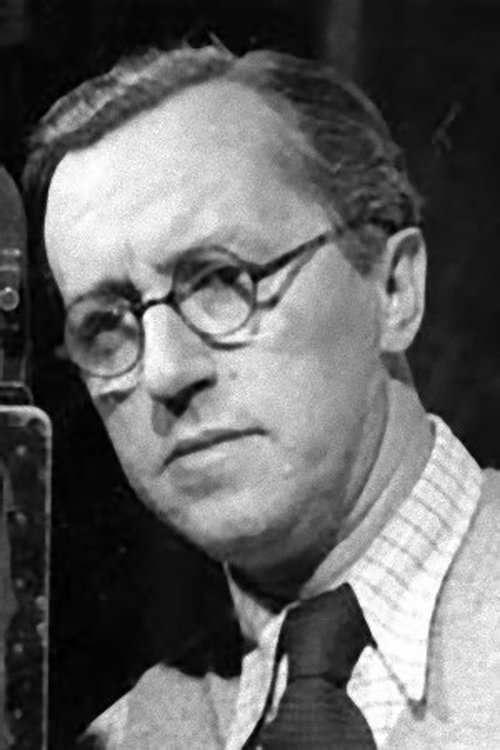
Hans H. Zerlett
Directing
Known For
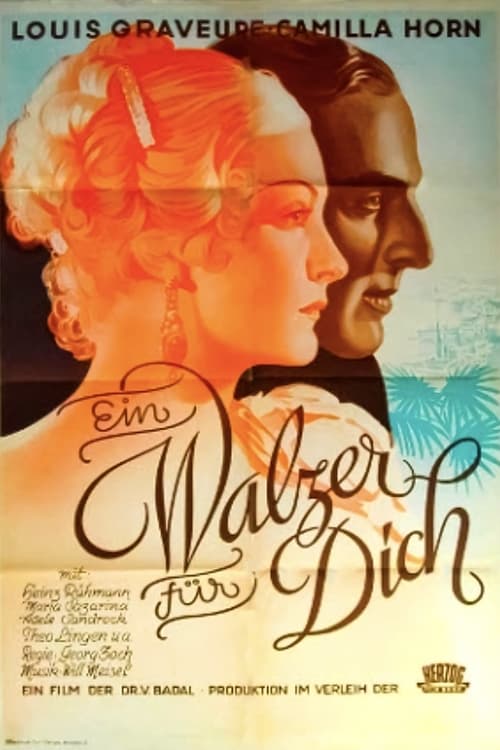
Ruritanian power struggle with opera singing.
A Waltz for You
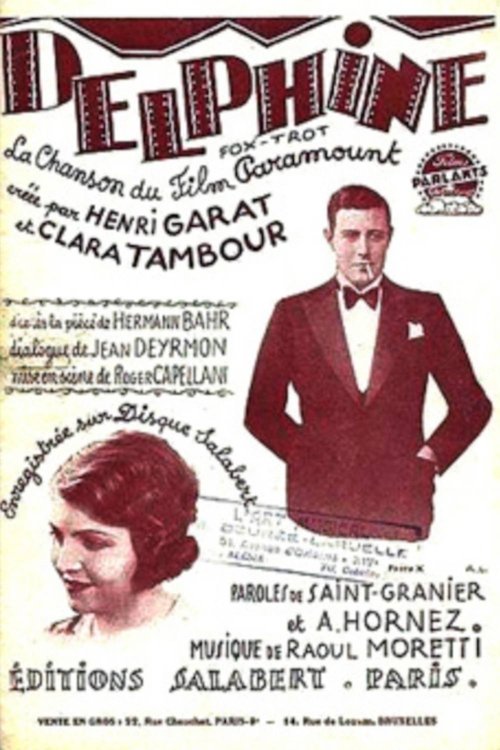
A music-hall singer leaves his loving wife to run off with Delphine. The singer's wife and Delphine's husband make them believe that they love each other and the singer, already tired of his affair, wins back his wife's heart.
Delphine
A CEO in his mid-50s, an exemplary husband and father, finds himself in a mid-life crisis, when he gets to know a young fashion designer. His wife gets wise to the whole affair, because genius sent his new beau love letters, which were direct copies of those he sent to his current wife during their days of courtship oh so long ago.
Love Letters

The daughter of the Parisian countess Lafitte, named "Baby", is supposed to go to an English boarding school, but she's much more interested in variety shows. Nevertheless, she travels with her friend Susette to London, who also wants to make a career for herself as a showgirl. During the journey, Baby is mistakenly considered to be a showgirl and she does nothing to dissuade two young English lords from believing so. The girls continue to live under false pretenses even when they arrive in England, with Baby being a soloist with the group "Babies" and Suzette passing herself off as the Contessa Lafitte for school exams. At the end -- a double marriage.
Baby
The double standards of a social class, which pontificates with big words what is proper and improper in the world of morality, while in its heart thinks very differently and acts accordingly.
Moral
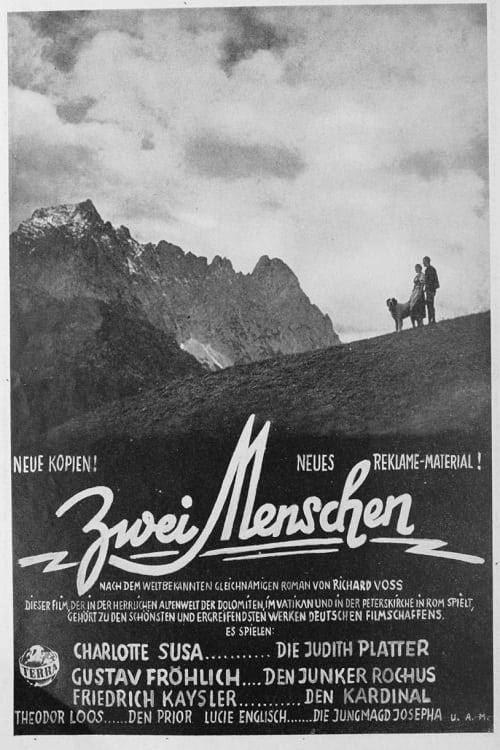
Gustav Froehlich and Charlotte Susa play Rochus and Judith, the zwei menschen (two humans) of the title. Rochus' domineering mother insists that he enter the priesthood, but he is reluctant to break up his blissful romance with the fair Judith. A religious fanatic of the first order, the mother swears before God and her Church that Rochus will indeed take his vows. When this does not come about, she dies of grief, whereupon the guilt-stricken Rochus abandons Judith to become a priest. The girl subsequently commits suicide -- and it is Rochus who must officiate over her body during the funeral. This final scene was excised from the print of Zwei Menschen released in New York, leaving audiences hanging in regard to Judith's ultimate fate.
Two Souls
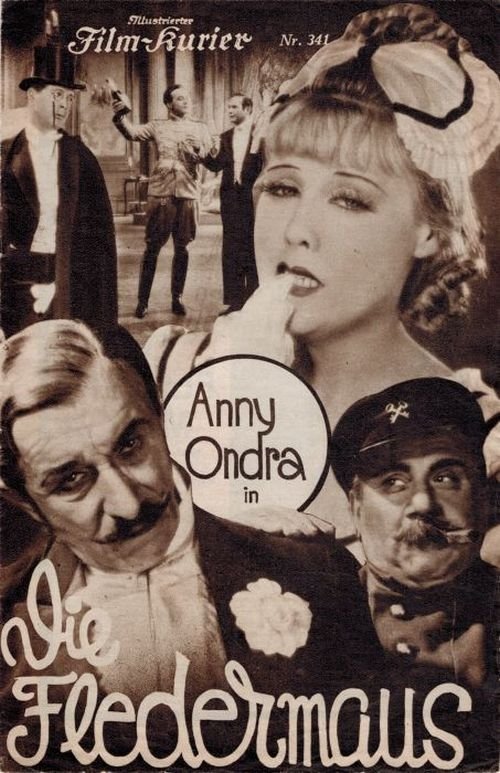
Film by Karel Lamac.
The bat

No description available.
Baby
No description available.
Höhere Töchter

No description available.
Liebe geht seltsame Wege
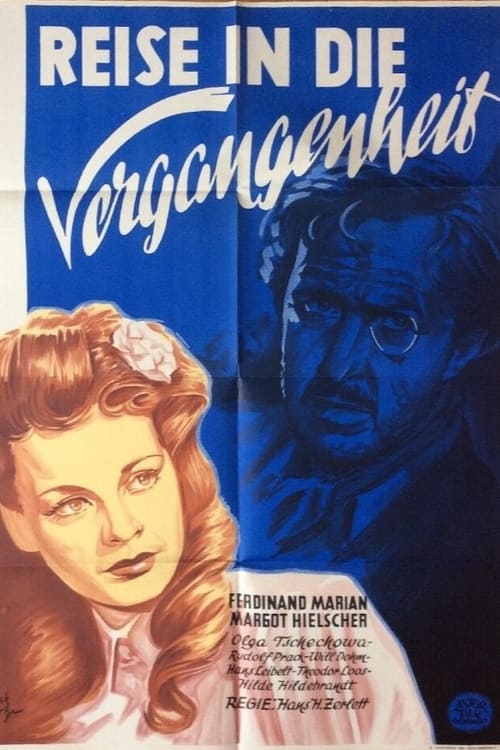
With her daughter Anita, a young singer, the widow Marianne von der Halden undertakes a journey into the past. She wants to see her former admirers again. One of them is the chamber singer Paul Schneider, who only remembers his childhood sweetheart with irony. They meet the former student Werner Birkner at his wedding, where Anita meets the teacher Michael Brantner. But the encounters make no impression on Marianne. Until she meets her former great love again at a concert given by her daughter, the general director Elmers. The concert is a resounding success and Marianne reconnects with Elmers, who is still unaware that Anita is his daughter.
Journey into the Past
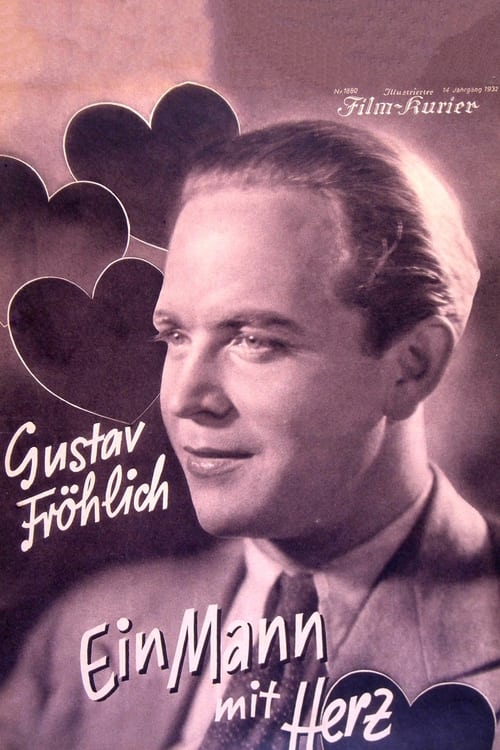
A story about a series of confusions, in which Paul Ritter, a bank employee, is unaware that the girl he's fallen in love with is the daughter of his boss. No one bothers to tell him and he gets jealous of the boss, who seems to have a very good relationship with the girl.
A Man with Heart
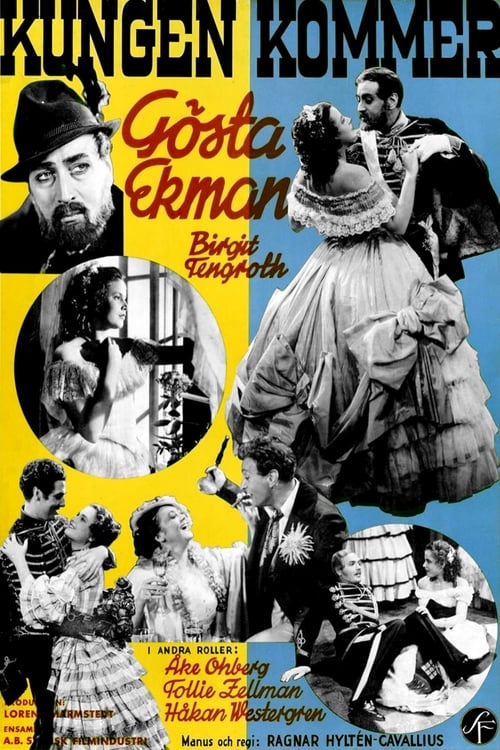
A travelling theater-company performs Offenbach's "The Beautiful Helene" when an officer in the audience notices the similarity in appearance between the leading actor Leonard Pettersson and the king Charles XV. With Pettersson dressed as the king and the other actors as the royal suite, they all go to Herrsunda castle where the officer is trying to make an impression on his fiance.
Kungen kommer
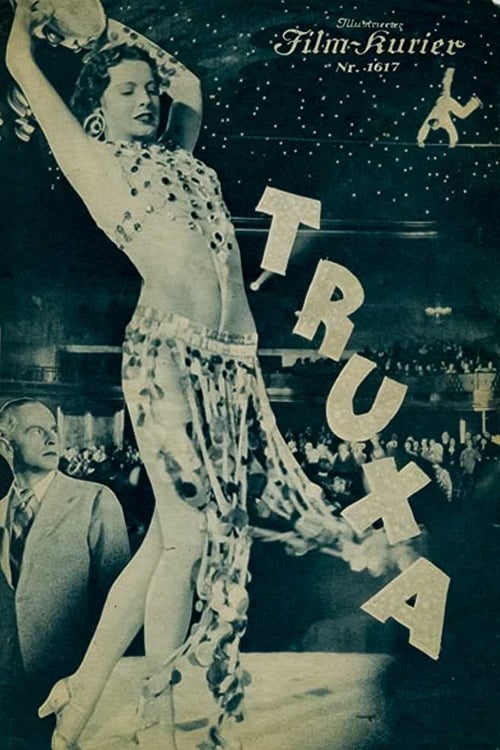
The famous tightrope artist Truxa is drinking at the Artisan bar in New York. He meets a young man, Husen, and gives him his stage name Truxa. He is to take the real Truxa's place at a circus show in Wintergarten, Berlin.
Truxa

Weimar era screwball comedy about a floor model who is required to go out evenings to escort VIPs while her boyfriend has to wait at home.
I Go Out and You Stay Here
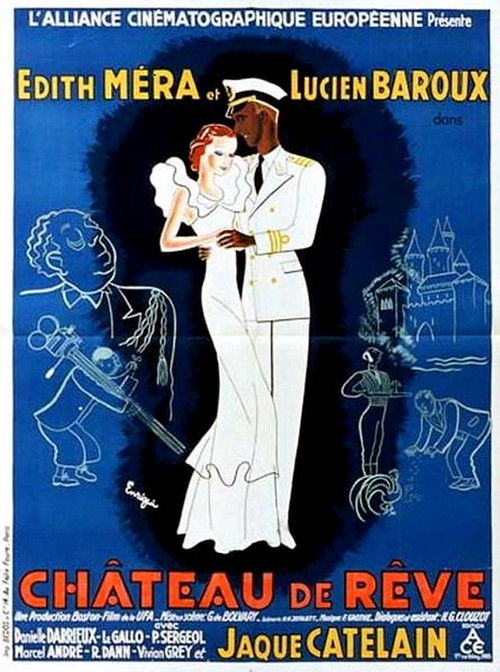
A film actress falls for an extra on her set, he turns out to be a prince.
Dream Castle
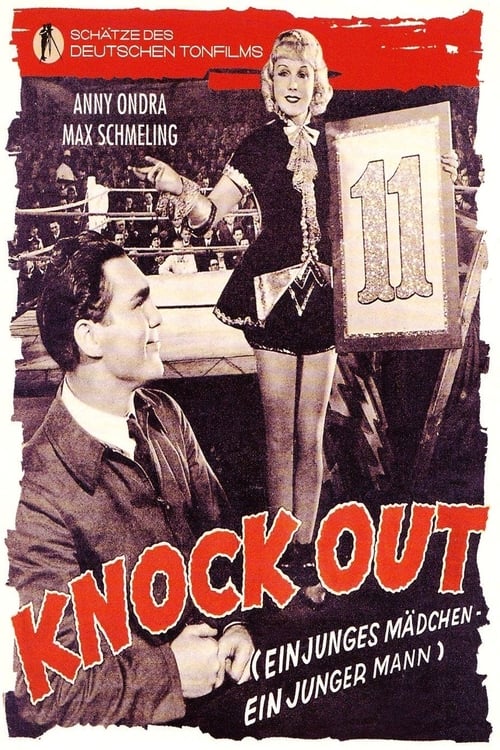
Marianne is an accountant, but since she is so pretty the employment agency sends her to the theater. There, Max's gaffer falls in love with Marianne and persuades her to stay at the theater. Once he has to defend her against a professional boxer who harasses her. Although Max loses his position, but receives an offer from Box Manager Schmidtchen. When Max learns that Marianne is engaged, he goes to Schmidtchen's boxing school in Hamburg.
Knockout – Ein junges Mädchen, ein junger Mann
No description available.
Unsterblicher Valentin
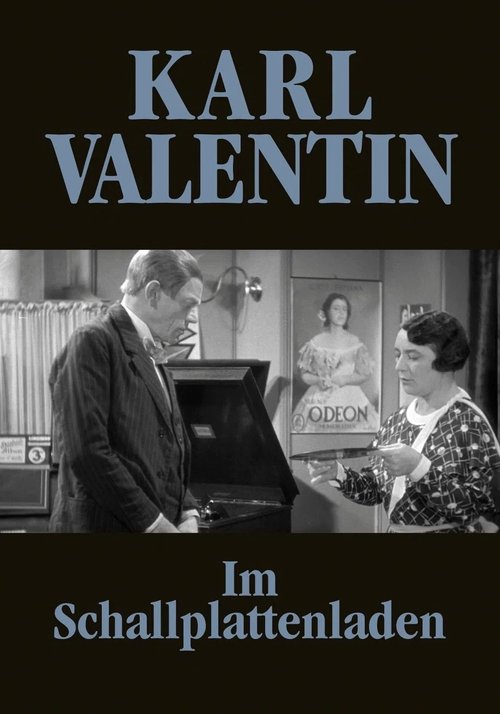
A customer (Karl Valentin) tries to buy a record in a record store but can not decide what he actually wants. The saleswoman (Liesl Karlstadt) tries to help him – which is in vain, as the customer eventually damages various records and even a complete cabinet during his visit.
Im Schallplattenladen
A councilor is tricked by an impostor, whom he believes to be a baron. He gives him money and his marriageable daughter -- but then the real baron shows up and plays the chauffeur.