FEEL IT.STREAM
?

Terry Flaxton

Camera

Known For

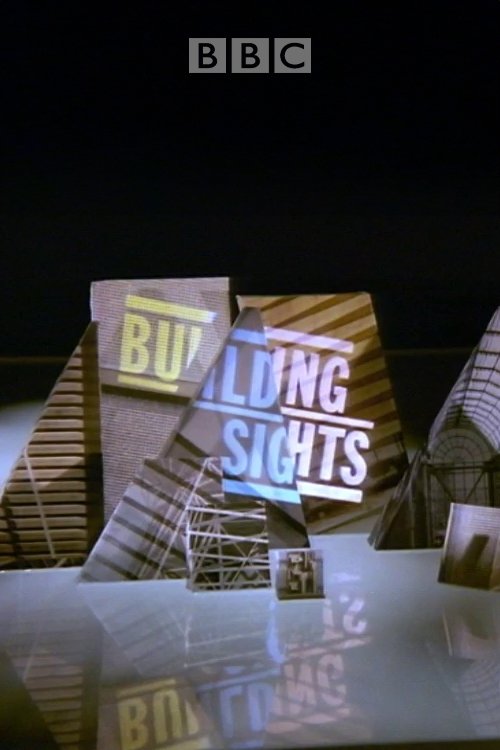
Building Sights
N/A

Personal reflections on the best of 20th Century architecture.

Building Sights

1988
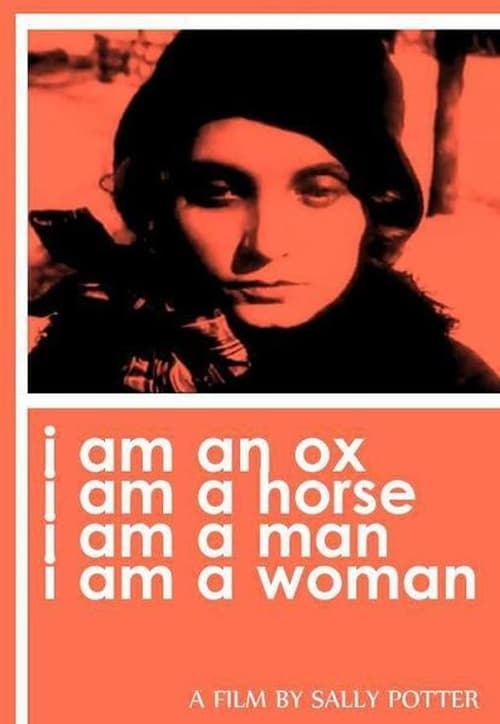
I Am an Ox, I Am a Horse, I Am a Man, I Am a Woman
6.0

This glasnost-era documentary, which incorporates footage from films from the 1920s through the 1980s, looks at the history of women in Russian cinema through the eyes of Russian women directors, actors, and scriptwriters. The film’s title refers to a WWII slogan about women doing the work of absent men in the fields and at home. Featuring Kira Muratova, Natalia Ryazantseva, Inna Churikova, Nonna Mordyukova, and others.

I Am an Ox, I Am a Horse, I Am a Man, I Am a Woman

1988
No image
4.8

Posh, Liam, Harry, Animal and Footsie are five young men who meet at Cabot University, where they learn to re-evaluate life and love, while making the most of opportunities.

Living in Hope

2002
No image
5.5

Twenty year-old student Peter Fraiman falls asleep in 1975 a happy man, having asked his girlfriend to marry him. But when he wakes up, it's 1995; he has a wife he doesn't recognise and two children. Unable to remember anything of the intervening twenty years, he feels he has jumped forward in time. He goes in search of his former girlfriend and is forced to face the fact that he has become a person he never expected to be.

A Relative Stranger

1996
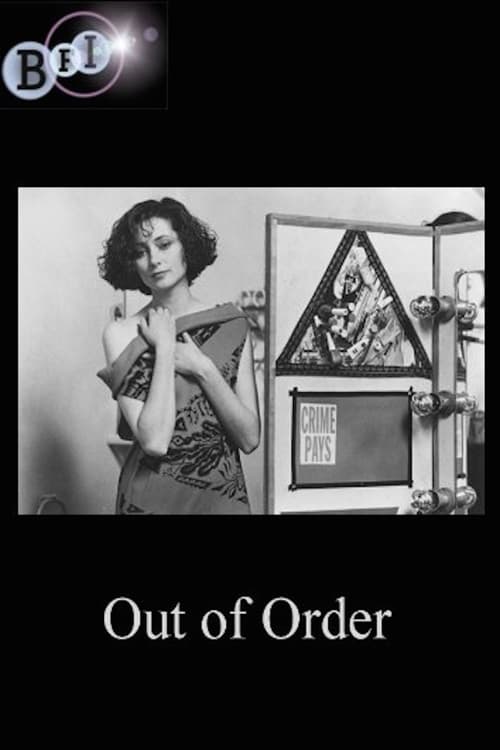
Out of Order
5.0

Unemployed Anthony announces he is joining the police, much to the horror of his girlfriend and friends.

Out of Order

1988
The World Within Us
N/A

Voiced by Jonathan Pryce, Terry Flaxton’s The World Within Us is a lyrical meditation set inside the mind of a dying writer. Combining original poetry with early digital imagery, the film weaves memory, art, and mortality into a haunting reflection on life’s inner landscapes.

The World Within Us

1988
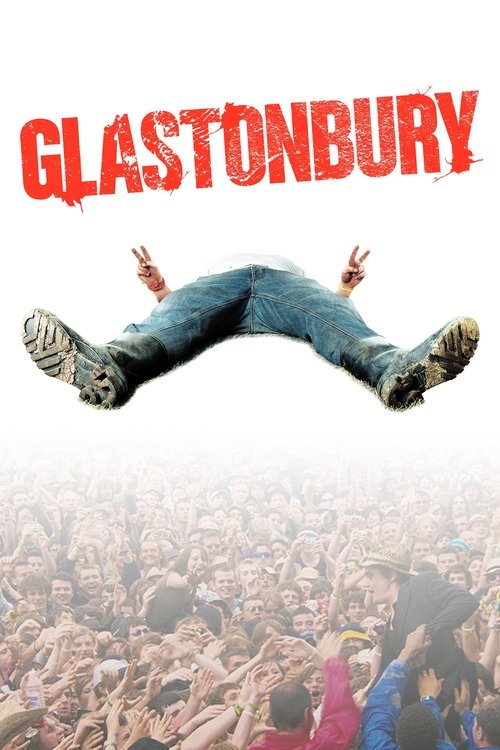
Glastonbury
5.5

Julien Temple's 2006 documentary film about the famous music festival from 1970 to 2005, featuring performances from artists such as David Bowie, Bjork, Blur, Oasis and Coldplay. The film is made up of footage shot by Temple at the festival in 2002, 2003, 2004 and 2005, as well as footage sent in by festival goers after a request on websites and newspapers for footage. Temple had initially only agreed to make a film of the 2002 festival after organiser Michael Eavis expressed concern that that would be the last year of the festival. Temple then realised that he wanted to make a film detailing the full history of the festival. The film also includes footage shot by Channel 4 and the BBC during their coverage of the festival since 1994. Text from Wikipedia.

Glastonbury

2006
No image
6.5

In 2020 global travel is simple. Step into a matter transporter in one time zone and arrive seconds later in another. But this apparent golden age of travel without boundaries has its shadow side. And when the system malfunctions, one man discovers the dark truth behind the corporate facade. Written by Simon Bovey

The Un-Gone

2007
No image
9.0

Racism on a British Army Base is making life hell for Charlie, a newly-promoted black corporal. He has been keeping his head down, but now he can no longer avoid taking action. A mythic battle commences.

Skin Deep

2000
Towards Intuition: An American Landscape
N/A

Having created a set of works on analogue video between 1976 and 1980 we (Vida) decided to go to America to drive across the dream of America in search of the source of intuition. The US had provided not only Americans but people around the world - such as we three British people - with a promise of improvement, not only of our circumstance, but of ourselves. As a sometimes musician, poet, writer and painter I’d become familiar with the use of improvisation to create various artefacts and moments and recognised that element when constructing moving images on a timeline into an act of durational statement.

Towards Intuition: An American Landscape

1981
No image
N/A

’25 years ago I was asked by Chiatt Day Advertising in Los Angeles to cover the making of ‘1984’ for Apple Computers. This commercial was to be directed by Ridley Scott to introduce the Macintosh to the world. ... The message of the whole enterprise was: ‘If you miss this, then you’re going to be at a disadvantage’. This sentiment in itself set the tone for the definition of the self at the end of the 20th century, when the self was to be defined by its likes and its dislikes. Prisoners as a work derived from the footage shot during the making of the commercial deals with the problem of ideology, the potential manipulation of meaning and the hotness or coldness of the medium as expressed by McLuhan as well as several other issues. ... So therefore those people depicted in my work, the capitalists, the neo-Nazis, Thatcherites , communists, corporatists and us the anarchists video crew, were all held Prisoner by our own set of beliefs.’ – Terry Flaxton

Prisoners (Skin Ritz)

1984