Acting
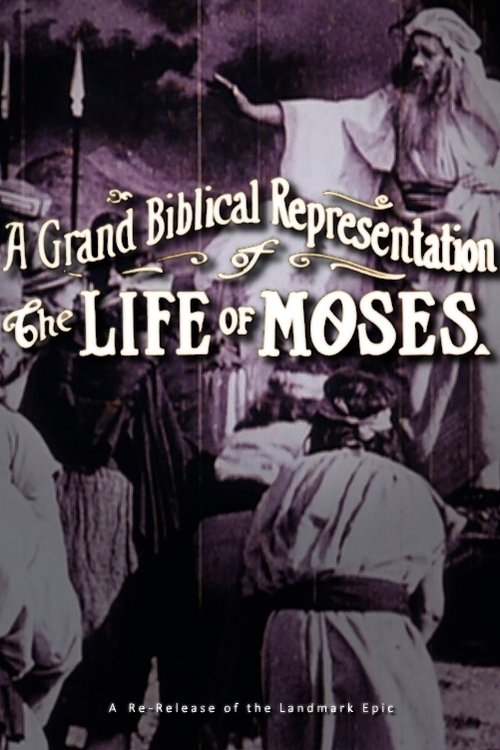
Released in five parts (The Persecution of the Children of Israel by the Egyptians, Forty Years in the Land of Midian, The Plagues of Egypt and the Deliverance of the Hebrews, The Victory of Israel, The Promised Land), 4 December 1909 to 19 February 1910. A Vitagraph advertisement in the Moving Picture World (31 Dec. 1909) refers to The Life of Moses as a "Biblical Film-de-Luxe". It is preserved in the Library of Congress collection.
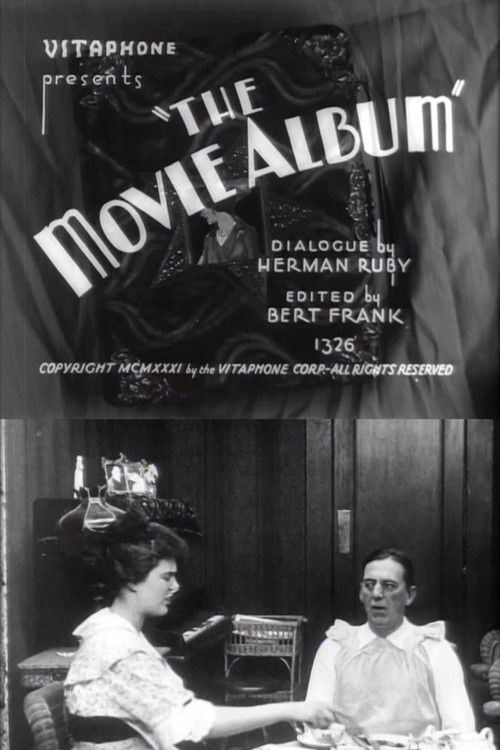
This short features clips from silent films (mostly unidentified) of the 1910's, accompanied by humorous commentary. Highlighted are early appearances of stars still recognized today (e.g., Lionel Barrymore, Norma Shearer), as well as stars whose careers did not extend to the sound era (e.g., John Bunny, Edith Storey).
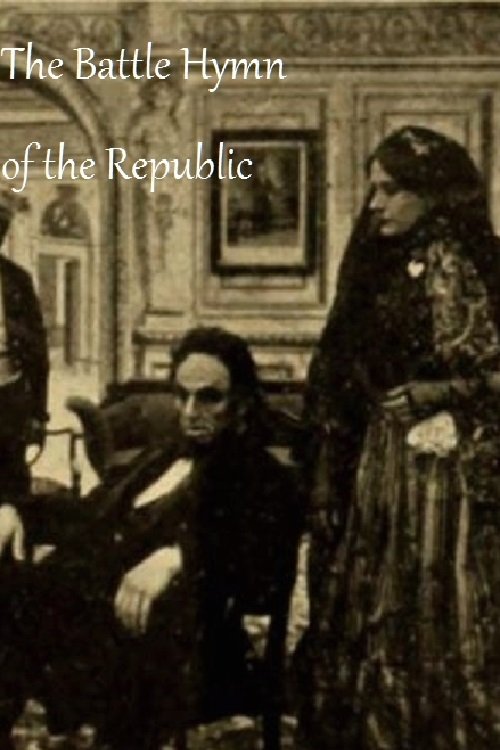
This patriotic and historic picture portrays the writing of the famous national hymn by Mrs. Julia Ward Howe. In the early part of the Civil War President Lincoln was very much discouraged at the lack of enthusiasm and the tardiness with which the people answered the call for volunteers to join the army.
In the Latin Quarter is a 1915 silent short film directed by Lionel Belmore and starring Edith Storey and Antonio Moreno. It was produced and distributed by the Vitagraph Company of America.
Ellen Carson volunteers to serve with Florence Nightingale in the Crimean war and witnesses the charge of the Light Brigade.
Zora, a girl of French origin, is raised by a wealthy Bedouin family after her mother Valerie dies while eloping with another man. Zora feels such great longing for the French artist Adrien that she accepts the offer of another artist, Raoul, to take her to Paris with the stipulation that if Adrien rejects her, she must give herself to him. Jan, the chieftain's son who is in love with Zora, follows the two to Paris. There Zora realizes that Adrien does not love her and discovers her real love for Jan. However, she feels bound to honor her pact with Raoul and is about to succumb to his advances when her father appears and recognizes Raoul as the man who destroyed his home years earlier. In the ensuing fight between the two men, Raoul is killed, thus freeing Zora to accept Jan's love.
Jim Lassells travels to Africa to obtain proof that his cousin Harold Brooks is dead as rumored, and learns that an Algerian sultan killed the rich American. Since it is assumed that Brooks was childless, Jim inherits his cousin's fortune. At a slave market he buys a young girl named Perdita and sends her to a convent in Corsica to be educated. Years later, Jim meets Perdita again while traveling through Corsica with the impecunious Duchess of Westgate and her daughter, Lady Lilah Grey. When the party stops at an inn, Jim discovers that Perdita is not only a Persian princess, but also the long-lost daughter of Brooks, and therefore the rightful heir to Brooks' fortune.
No description available.
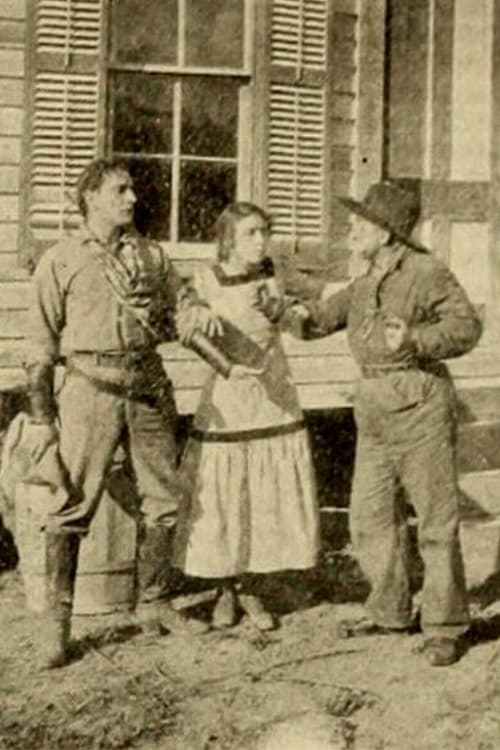
Captain George Curtis is sent from Washington, D.C. to improve conditions on an Indian reservation. After ousting a prejudiced government agent, George earns both the allegiance of the Indians and the hostility of neighboring cattlemen, who hope to appropriate the reservation through political corruption.
Adaptation of the Charles Dickens novel.
Garment manufacturer Sergius cuts his workers' wages, prompting a protest led by two Russian sisters, Olga and Vera. Sergius's affluent daughters, Hattie and Helen, decide to support the workers' cause, moving into the sisters' tenement and joining the workforce, much to their father's dismay. In a dramatic turn, the daughters bring their work to the factory and confront Sergius. They make a final appeal to him in his office, where he eventually relents and agrees to meet the workers' demands. Following this victory, Hattie and Helen decide to return home to their father, and the good news is shared with all the factory girls, ending the story on a note of general rejoicing.
Jack, a little orphan, is anxious to become a sailor, and although Captain Rhines refuses to take him aboard his ship, manages to sneak in as a stowaway. When out to sea a few days, he is discovered, and is about to be disciplined, when the captain's daughter, May, intercedes. A terrific storm strikes them, and the ship is dashed to pieces. The captain, with the assistance of Jack, builds a little raft, and with little May, they set out for an island which they can hardly discern, as it is so many miles away. After drifting for many hours, they at last reach the island, which is inhabited by a savage tribe.
Nora, who is the president of the Bachelor's Club, receives a letter announcing the death of her uncle in the west and that he has made her heir to his immense fortune. Including a ranch at Grey Oaks. Nora decides to go west and take charge of the ranch and run it herself a la suffragette fashion. She invites all the girls to go with her and they start for their new home. Arriving at Grey Oaks they pay no attention to the cowboys who greet them at the station but go at once in the old stage-coach to the ranch. The cowboys follow, approach the ranch, offer their services and are rewarded by being driven from the premises. The boys make up their minds to "get next" to the girls and devise a scheme.
Lillian Travers, a New York heiress, pops down to Florida to surprise her fiancé, Fred Cassadene, the house doctor at a prominent Saint Augustine hotel. The surprise, however, is Lillian's when she finds Fred in a series of compromising situations with a certain wealthy widow staying there. When she can take no more, Lillian discovers a box forgotten at an old curiosity shop in which lies a hundred-year-old secret: a vial of four rare and exotic African seeds that promises to transform whoever swallows one from a woman to a man or vice versa.
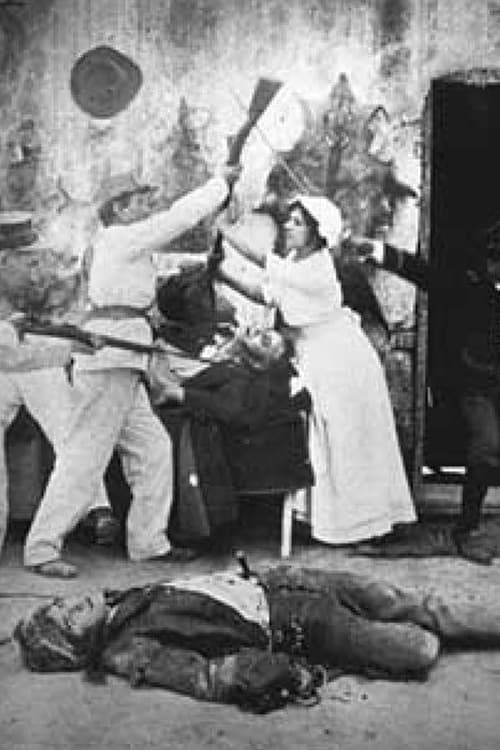
From force of habit, some might call him a "Greaser," true, he is a Mexicano; he is no more, a man of noble instinct and chivalrous nature. He falls in love with the American ranchman's daughter, and while she appreciates his sincerity, she does not return his affection for her. Tony not only loves, he respects her, and will not inflict his attentions upon her, and will not inflict his attentions upon her, neither seeking recognition nor reward.
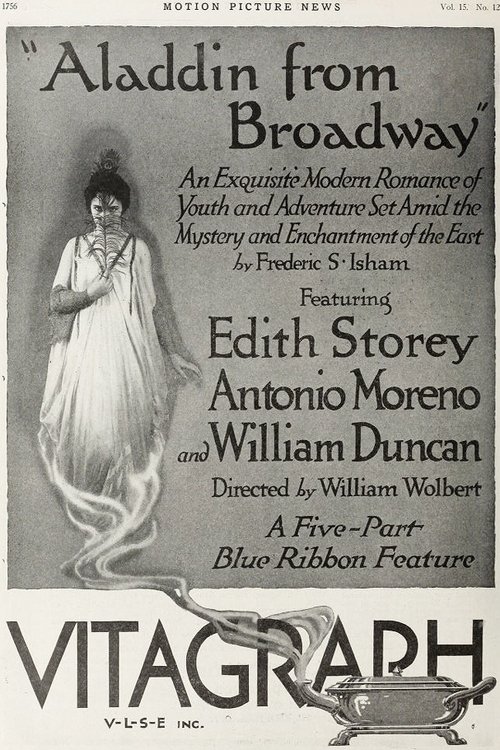
Aladdin from Broadway is a 1917 American silent adventure film directed by William Wolbert.
A short romantic drama in which a captain and his wife are separated by a shipwreck. The woman ends up on a desert island with another man, and they have a relationship. When they are saved by the captain, he decides to stay behind on the island, alone.
In the mountain wilds of Tennessee there is no end to the manufacture of moonshine whiskey. Whole families live on this nefarious trade and many of them die by it. The men who work at this business are constantly hunted by United States revenue officers as violators of the law for manufacturing of liquor without a special license. The "Mountain wife" loves her husband and stands by and shields him from his enemies, the officers; when they are on his track she hides him, then throws them off his trail, giving him time to escape in the mountain fastnesses, as we are shown in this interesting and thrilling picture.
Maury Brady, a product of New York's East Side, has learned the craft of safe-cracking and shoplifting from her uncle, "Nunc." While "working" a department store, she captures a lost poodle belonging to Mrs. Hardage, wife of a millionaire. When Maury later is caught lifting some lace, Mrs. Hardage vouches for her, takes her into her home, and puts her to work on a crusade against profiteers.
When Julie De Varion's old father is imprisoned for harboring fugitive Huguenots, she goes to the authorities and begs for his freedom, declaring that he only did it out of kindness of heart. They refuse to release her father unless she locates the Catholic's greatest enemy, Ernanton De Launay, who lives in the depths of the forests and who has been vainly sought after for years.