Abderrahmane Sissako
Directing
Biography
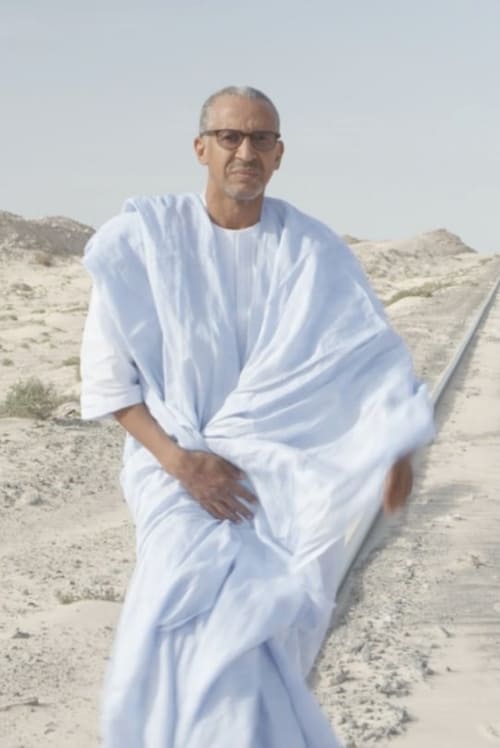
Abderrahmane Sissako (born 13 October 1961) is a Mauritanian-born Malian film director and producer. His film Waiting for Happiness (Heremakono) was screened at the 2002 Cannes Film Festival official selection under Un Certain Regard, winning the FIPRESCI Prize. His 2007 film Bamako received much attention. Sissako's themes include globalisation, exile and the displacement of people. His 2014 film Timbuktu was selected to compete for the Palme d'Or in the main competition section at the 2014 Cannes Film Festival and nominated for an Academy Award for Best Foreign Language film.
Known For

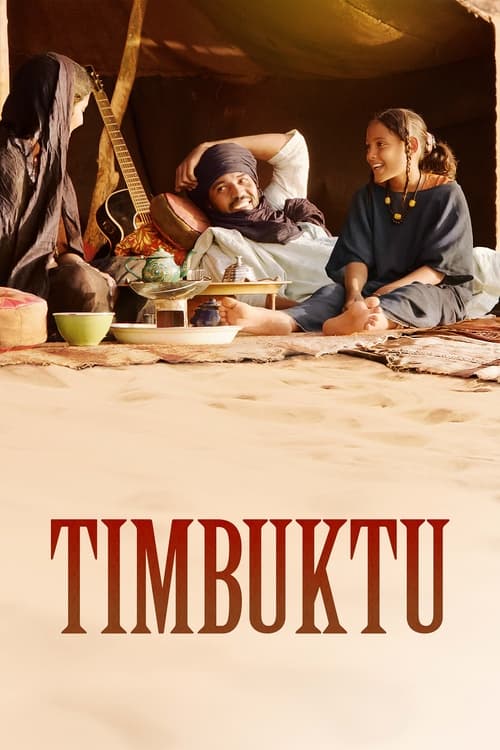
Just outside of the Malian city of Timbuktu, now occupied by militant Islamic rebels who impose the Sharia on civilians and inconvenience their daily life, a cattleman kills a fisherman.
Timbuktu

Aya, a young Ivorian woman in her early thirties, says no on her wedding day, to everyone’s astonishment. After emigrating to Asia, she works in a tea export shop with Cai, a 45-year-old Chinese man. Aya and Cai fall in love but can their affair survive the turmoil of their past and other people’s prejudices?
Black Tea

8 shorts centered around 8 themes directed by 8 famous film directors involved and sharing their opinion on progress, on the set-backs and the challenges our planet faces today.
8

Caught in the stranglehold of debt and structural adjustment, Africa is fighting for its survival. In the face of disaster, representatives of African society bring an action against international financial institutions. The trial takes place in Bamako, in the yard of a house, among its inhabitants.
Bamako

20 short films about human rights.
Stories on Human Rights

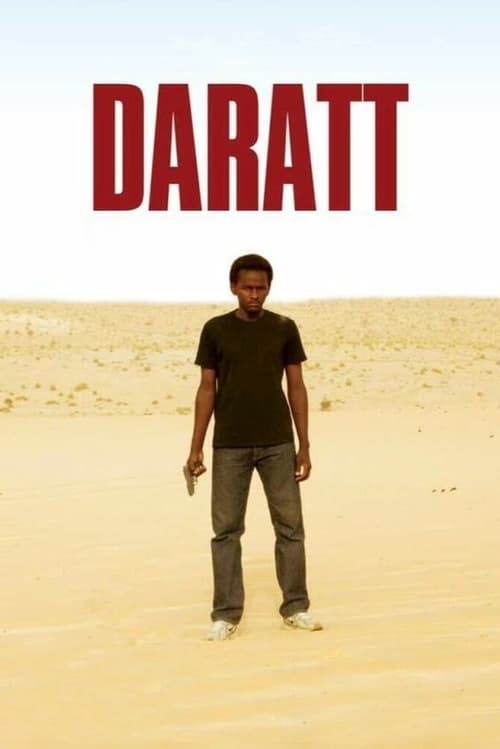
Chad, 2006. After a forty-year civil war, the radio announces the government has just amnestied the war criminals. Outraged by the news, Gumar Abatcha orders his grandson Atim, a sixteen-year-old youth, to trace the man who killed his father and to execute him. Atim obeys him and, armed with his father's own gun, he goes in search of Nassara, the man who made him an orphan. It does not take long before he finds him. Nassara, who now goes straight, is married, goes to the mosque and owns a small bakery. After some hesitation Atim offers him his services as an apprentice. He is hired then it will be easy for him to gun down the murderer of his father. At least, that is what he thinks...
Dry Season

Two boys (Tamir & Amine) awake one morning to find that their father has abandoned their family. Shocked, they begin to misbehave. While surreptitiously watching a movie, they think they see their father speaking to them and steal the film to examine the frames. Their mother (Achta) eventually despairs and sends them to Koranic school. Unhappy, they plan their escape until the eldest boy falls in love with a deaf girl (Khalil).
Our Father
Ira wanders around the streets of Moscow. She's pregnant with the child of Adrissa, an african student.
October

To be somewhere precise yet stand nowhere at all, to embody one’s convictions, yet never miss the essential, to rise up and be present at the critical moment, to bear witness to a world waiting to tell itself and be retold, to come and go, both at once, abandoning reckless speed, but rather gently touching the human soul with images, with whispered words, the cracks in the wall of life: this is the choreography masterfully created in the film Beyond Territories, Valerie Osouf’s portrait of the world acclaimed filmmaker Abderrahmane Sissako.
Abderrahmane Sissako: Beyond Territories

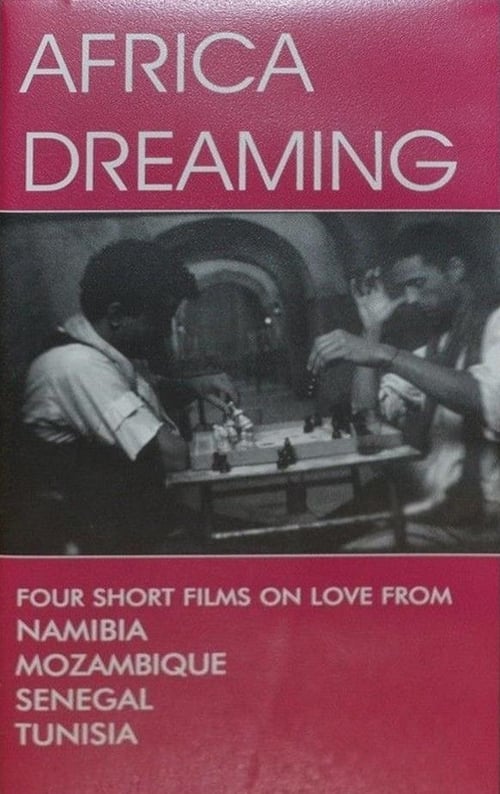
A series of six dramatic shorts, each from a different African country and all on the broad theme of "love in Africa."
Africa Dreaming
No description available.
Documenta X - Die Filme
Shot in glimmering black-and-white reminiscent of classic silver-nitrate cinema, Sissako's 9-minute film was photographed over the course of seven days in March 2017 in Rawda Al Ghadriat, in the Northern Desert of Qatar, and features members of the Bedouin Al Naemi family, who provided some of the props and animals, including the bait al-sha'r-or nomad's tent.
Life in Al Barr
Sissako visits a war-torn Angola after thirty years of war in search of a friend and thereby through interviews reflects on the lost utopias of a generation of Africans who experienced the liberation struggles. His camera is witness to the dislocation and despair of those he encounters living in Angola, however he also discovers the resilient spirit of Africa and optimism for its future in unexpected ways.
Rostov-Luanda

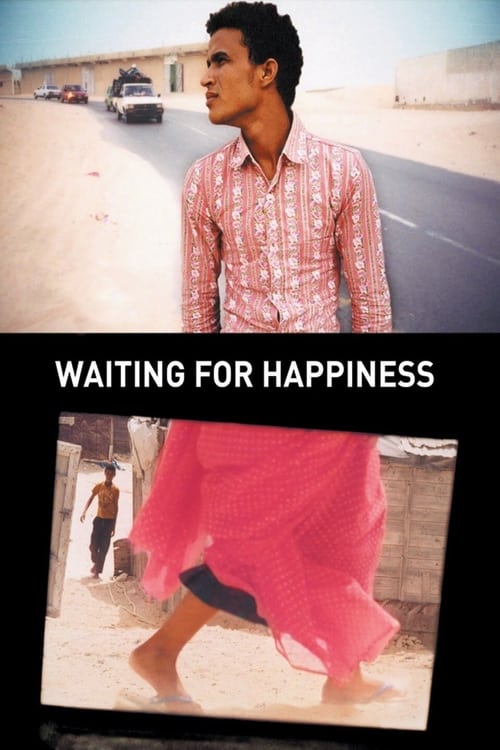
Before immigrating to the West, Abdallah travels to the coastal city of Nouadhibou, Mauritania, to visit his mother. Although he grew up there, Abdallah feels anything but at home in his old neighborhood: he can no longer speak the local dialect and he wears western clothes that immediately cast him as an outsider. But, as Abdallah spends time with a young boy and an elderly electrician, he can't help but feel a sense of loss for the life he's abandoning.
Waiting for Happiness

Ahmed’s father has only a day with his wife and son before he must return to war. With haunting, innocent cruelty, the children play games that mirror the adult world, leading them to discover the harshness of destiny
The Game

Just before the turn of the 21st century, Drahmane returns to his father's village in Sokolo, Mali. A contemplative bike stroll around town makes him reflect on the significance of time passing at the dawn of a new millennium. As everybody goes on with their daily tasks, Sokolo might as well be the center of the world. The film earned Sissako awards at the Fribourg International Film Festival, the Ouagadougou Panafrican Film and Television Festival and the San Francisco International Film Festival.
Life on Earth

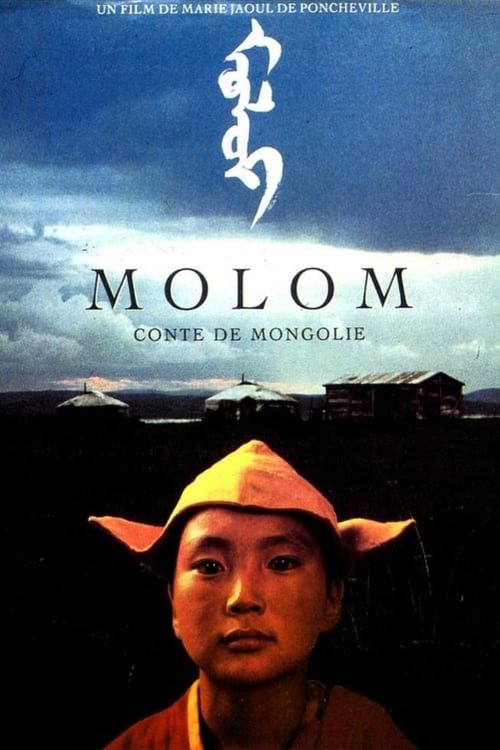
Molom, the shaman, takes Yonden, a child lost among wolves, under his protection, and walks with him through the Mongolian steppe.
Molom: A Legend of Mongolia

This film explores the impact of the modern world on the traditional male society of the Maghreb. It is a film about men who prefer to live life as an abstract game and the free-spirited woman who changes everything. Said and Youssef have fulfilled a life-long dream by opening a "chess bar" in the middle of the desert. They sit around drinking palm wine, playing board games and composing love poetry to imaginary women. All this changes with the arrival of Sarah, a sexually liberated, uninhibited metisse who easily lures Youssef into an affair. Soon he is dreaming not about chess but about opening a coffee bar in Genoa. The friendship is destroyed, the bar sold. Youssef, dressed in Western clothes, waits to leave with Sarah; will she show up? Said boards a train and sits down next to a Westernized woman bearing a resemblance to Sarah
Sabriya

No description available.
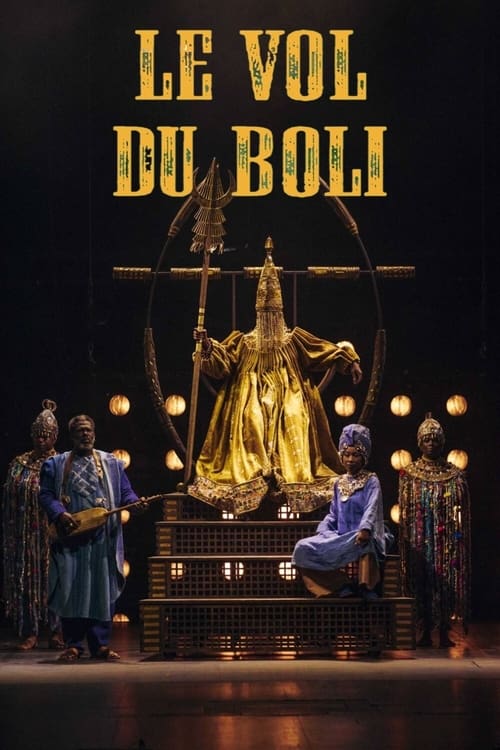
Le vol du Boli

Little Men is about two sympathetic losers with good looks, about groovy tunes and dry slapstick humour.