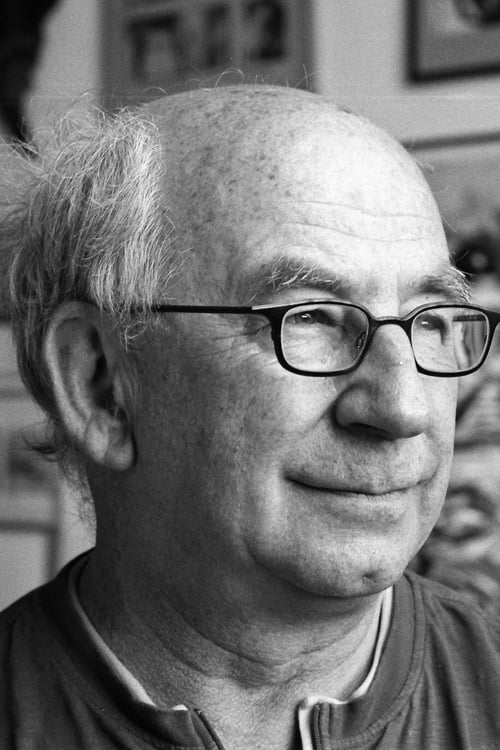
Pierre Hébert
Directing
Biography
Formerly an employee of the National film board of Canada where between 1965 and 1999 he directed over twenty animation shorts and a feature (La Plante humaine, best Quebec feature award 1996), Pierre Hébert is now an independent artist and filmmaker. Since 2001, he traveled the world with his musician colleague Bob Ostertag presenting the Living Cinema live animation performance over 80 times. He also worked with many other musicians. He equally collaborated with dance companies in New York, Montreal and France and published two books and many articles on cinema and animation. He also pursue a carreer as a visual artist (drawings, installations, web projects). Currently, his main project is a new series of films Places and Monuments for which he received, in 2012, from the Conseil des arts et des lettres du Québec the prestigious "career grant" for cinema. In 2005, he was the recipient of the “Albert Tessier” cinema award from the Quebec government for lifetime achievement, in 2017, he received a special carreer award from the Tehran International Animation Festival, and in 2018, he was awarded an Honorary Doctorate by the Emily Carr University of Art and Design.
Known For
No description available.
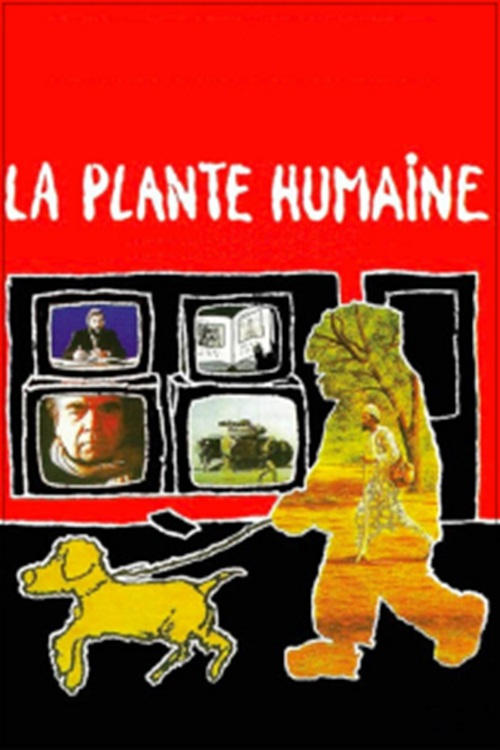
La Plante Humaine
This haunting animation film, rich with symbolism, is the filmmaker's plea for a peaceful world in which to raise his newborn son. Using the menacing imagery of the howling wind, the artist provokes viewers to reflect on the insanity of war. While the film is symbolic, its message is unmistakably clear: unless there is an end to conflict, we will continue to see our children swept away like leaves in the wind.
Memories of War
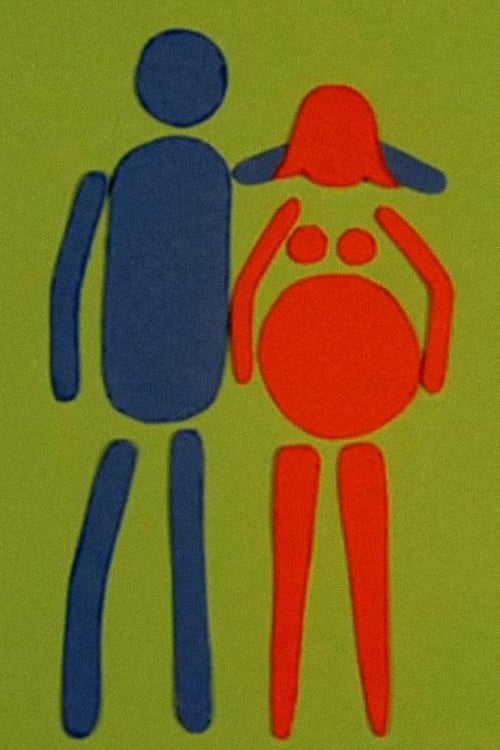
A film in cut-out animation depicting the demographic problems of the world. It shows that in many countries freedom from the old scourges of famine and disease has in turn created the new problem of more mouths to feed. The film suggests that wealthier nations might increase all forms of aid to struggling nations to create a better world.
Population Explosion
Abstract film made from the video capture of a live animation performance presented in Vienna on May 30th 2011 at the Stadtkirche with Andrea Martignoni in the context of the Vienna Independent Shorts Festival. It was a double performance where parts engraved directly on ± 16mm black film are inserted on a background made with the help of a live mixing software. The film is based, on the one hand, on a process of condensation and densification of the original footage of the performance that serves as a departure for interventions that intensify its energetic potentialities.
Triptych - 2
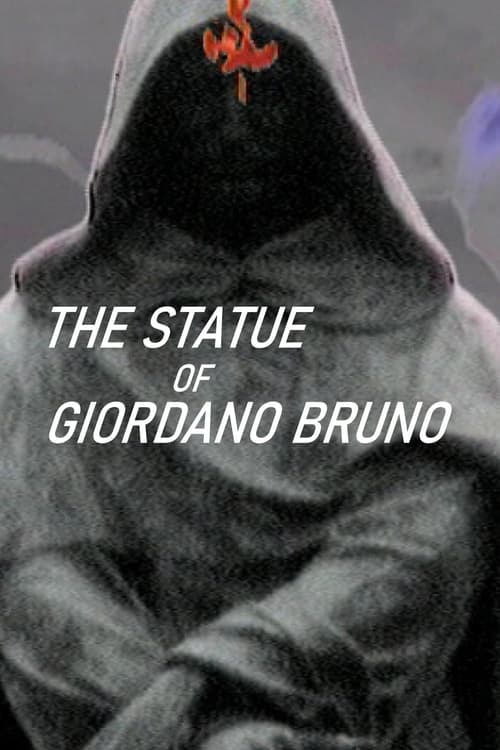
This film was made out of the capture of a live animation performance presented in Rome in January 2005 by Pierre Hébert and the musician Bob Ostertag. It is based on live action shooting done that same afternoon on the Campo dei Fiori where the philosopher Giordano Bruno was burned by the Inquisition in 1600. A commemorative statue was erected in the 19th century, that somberly dominate the market held everyday on the piazza. The film is about the resurgence of the past in this place where normal daily activities go on imperturbably. The capture of the performance was reworked, shortened and complemented with more studio performances.
The Statue of Giordano Bruno
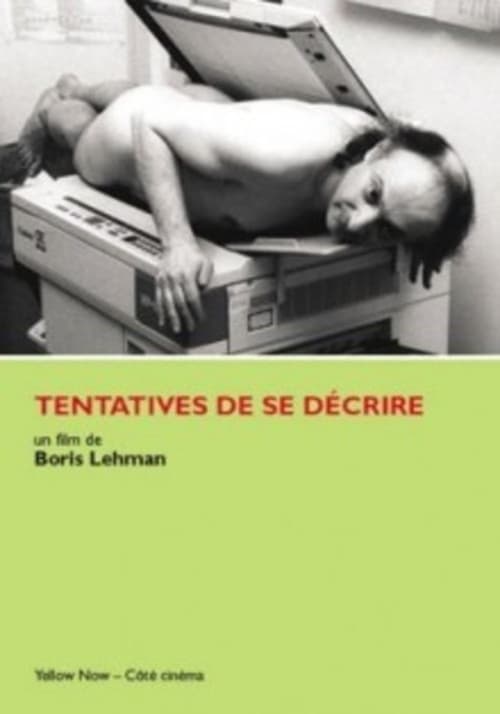
Trying to describe oneself is a movie about representation. How it is possible, through film, to describe oneself and describe others. With the camera as mirror and third eye. At first, a collage-like combination of letter-writing, investigation and journey, something between documentary and feature film. Finally, a portrait of Boris Lehman from 1989 to 1995, part II of BABEL.
Trying to Describe Oneself
A whirlwind of improvisation combines the images of animator Pierre Hébert with the avant-garde sound of techno whiz Bob Ostertag in this singular multimedia experience, a hybrid of live animation and performance art.
Between Science and Garbage
No description available.
Fundamental Principles in Genetics
A hand-made, scratched-on film experiment in intermittent animation. The images are a group of twenty-four visuals, all non-representational, which arrange and rearrange on the screen in many combinations. The result is a changing pattern of sound and image that has its own rhythm for eye and ear.
Op Hop/Hop Op
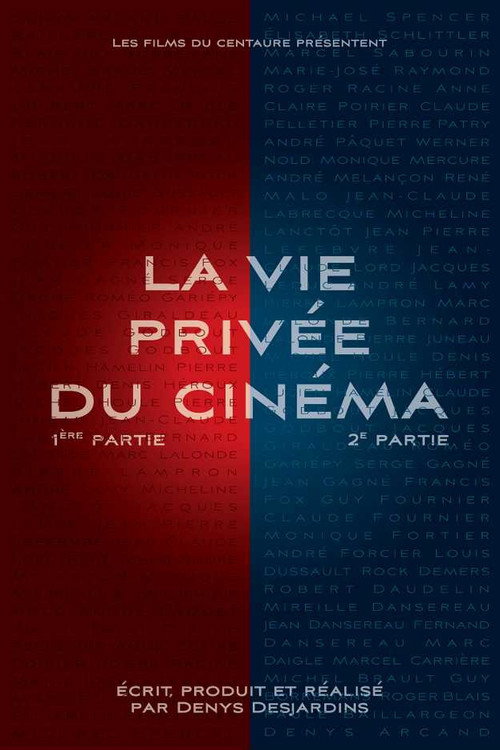
A two-part in-depth exploration of the evolution of the private film industry, seen through the eyes of more than 50 industry professionals. Part One (1939-1979) : Artists and professionals from the social and commercial film sectors recount the struggle to build a film industry that is privately operated yet publicly funded. Part Two (1980-2010) : Executives, policymakers, and industry professionals trace the origins of the major funding institutions and discuss the unintended consequences of building a cultural industry around performance metrics, revenue generation, and private profit.
The Private Life of Cinema
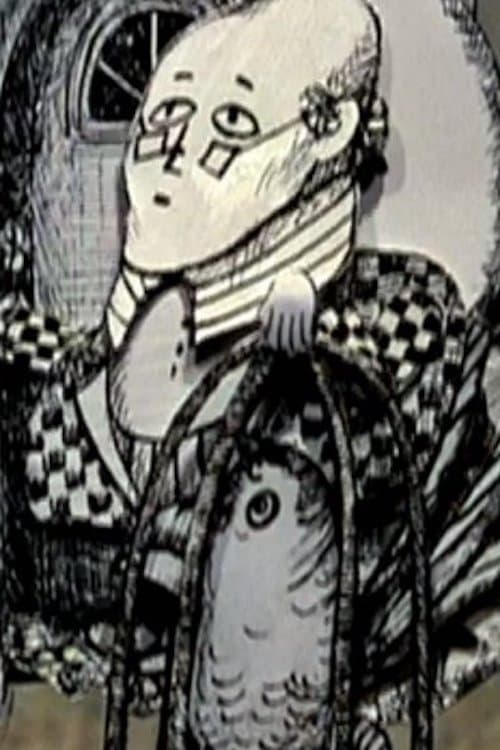
This animated film, a small educational musical comedy, offers the viewer a proper enigma. He is very smart who succeeds in solving it the first time; because against this background of cold reasoning, fantasy and delirium retain all their rights.
Du coq à l'âne
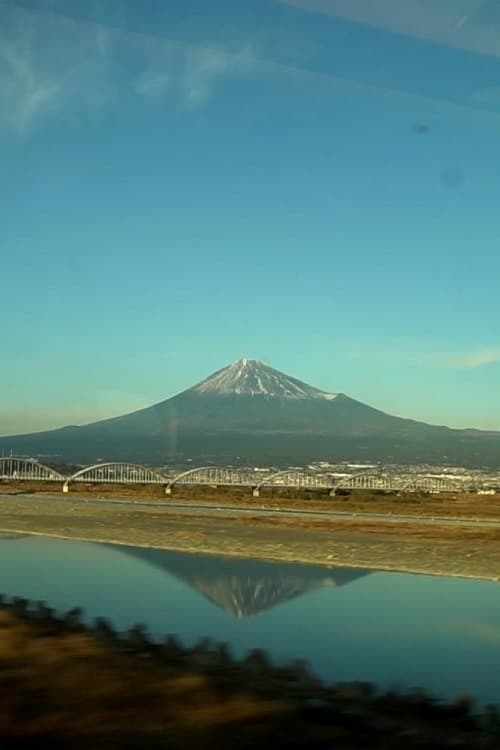
This is a poetic and animated meditation inspired by two trips the director made to Japan. Images and sounds from daily life as well as recordings of his performances, most notably one with the dancer-choreographer Teita Iwabushi. There is no story as such, but a formal construction with sound and images. What can be seen in Japan when Mount Fuji is invisible, lost in the clouds?
Mount Fuji Seen from a Moving Train
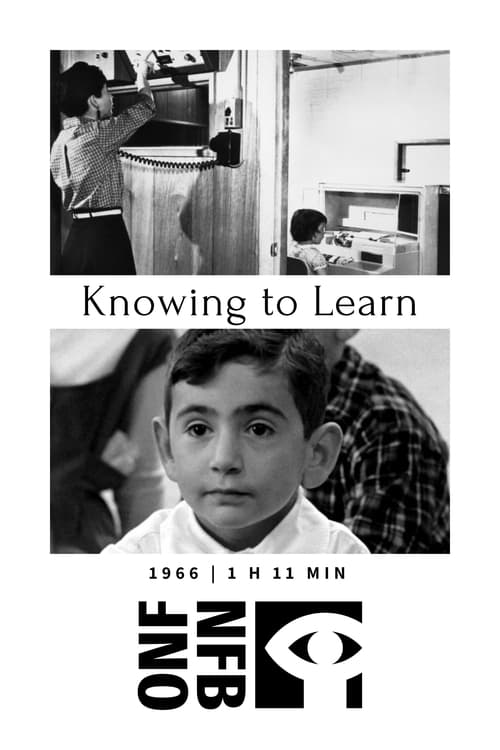
This feature documentary about education explores the mid-century state of learning in the classrooms of North America. New approaches to learning and the emerging technologies that facilitate them are explored, including the new roles of the computer, tape recorder and television. Directed by Quebec cinema giant Claude Jutra (Mon Oncle Antoine), the film was produced with the collaboration of researchers studying all forms of education, from infancy to adulthood.
Knowing to Learn
An early experiment in employing computers to animate film. The result is a dazzling vibration of geometric forms in vivid color, an effect achieved by varying the speed at which alternate colors change, so producing optical illusions. In between these screen pyrotechnics appears a simple line form gyrating in smooth rhythm. Sound effects are created by registering sound shapes directly on the soundtrack of the film.
Around Perception
Painted directly on glass, Black Soul is an exhilarating immersion into the heart of Black culture—a whirlwind voyage through the defining moments of Black History.
Black Soul
A 2021 film by Pierre Hébert
Palimpsest on “Prison” by Robert Lapoujade
No description available.
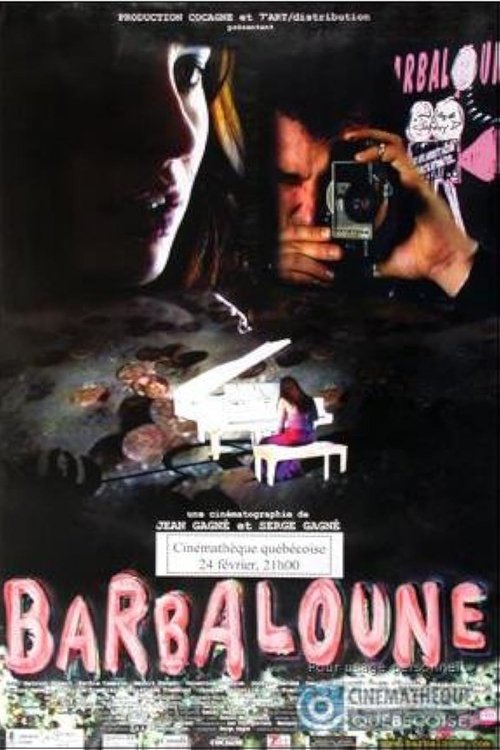
Barbaloune

A moving portrait of filmmaker Pierre Hébert, which retraces his extraordinary career and shares all about his passion for burning onto film.
Scratches of Life: the Art of Pierre Hébert
Abstract film by Pierre Hébert, originally made in 1964 and remastered in 2007.
Opus 1
Festive experimental animation