Richard Mosley-Evans
Acting
Known For
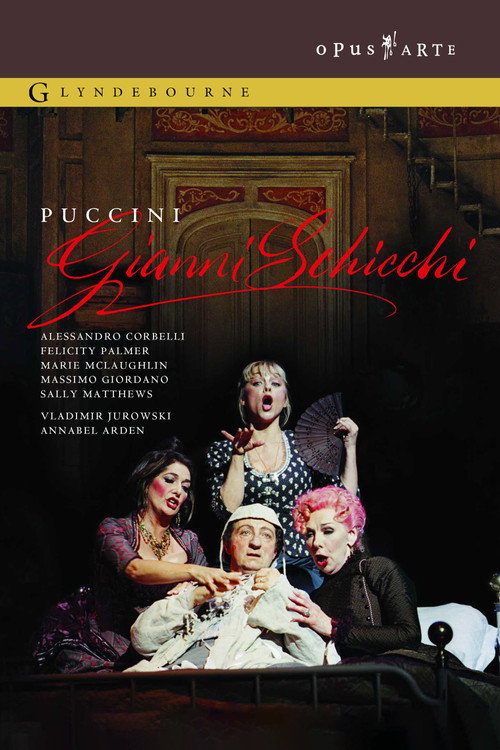
In the mid-20th century, in Fucecchio, near Florence, Buoso Donati, an elderly collector and wealthy antique dealer, has just passed away. He lies in his bed, surrounded by relatives feigning grief. They are all worried, as the deceased has bequeathed his entire fortune to a monastery. They search frantically for the will. The young Riniccio, Donati’s nephew, finds it but agrees to show it to the family only if they promise to let him marry Lauretta, the daughter of Gianni Schicchi, a local figure of dubious reputation. Everyone accepts the condition and discovers to their horror that the rumour was true: the monks are set to inherit the fortune. Riniccio suggests calling on Schicchi for help, much to the family’s disgust. Summoned, Riniccio arrives at the house accompanied by his daughter. He proposes keeping the death a secret, taking his place, and instructing a doctor and a notary to alter ‘his’ testamentary dispositions. But has the hunter become the hunted? Not so sure...
Giacomo Puccini: Gianni Schicchi
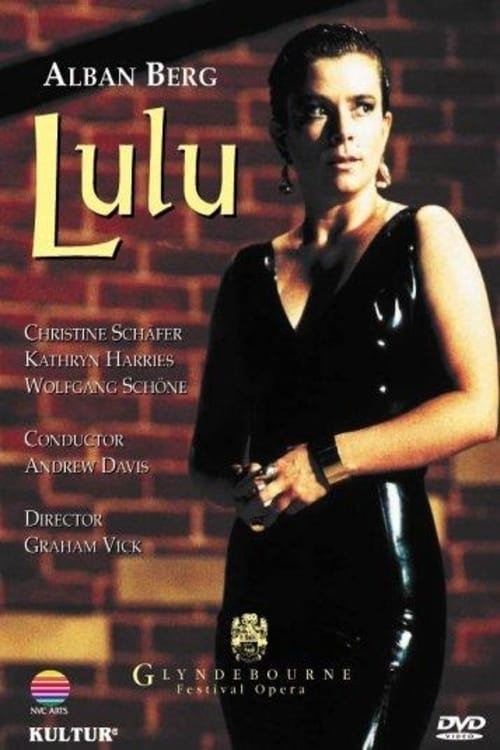
Alban Berg's black, satirical opera is one of the masterpieces of the 20th Century. It charts the rise and fall of a femme fatale "created to make trouble", from life as a society hostess to prostitution and eventual bloody death at the hands of Jack the Ripper. Berg's score is intensely beautiful, and the rich characterisation brilliantly executed.
Lulu
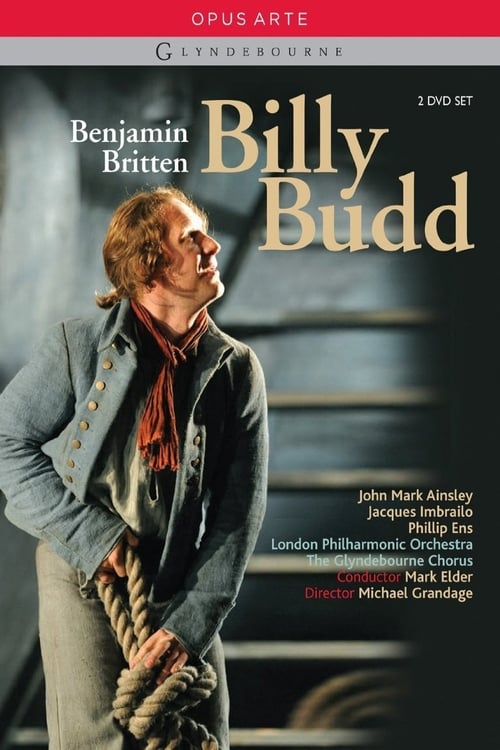
Captain Vere, an old man, is haunted by a moment in his life when he was tested and found wanting. Based on Herman Melville's novella of naval life in the late 18th Century, Benjamin Britten's 'Billy Budd' is a gripping reflection on good and evil, innocence and corruption.
Britten: Billy Budd
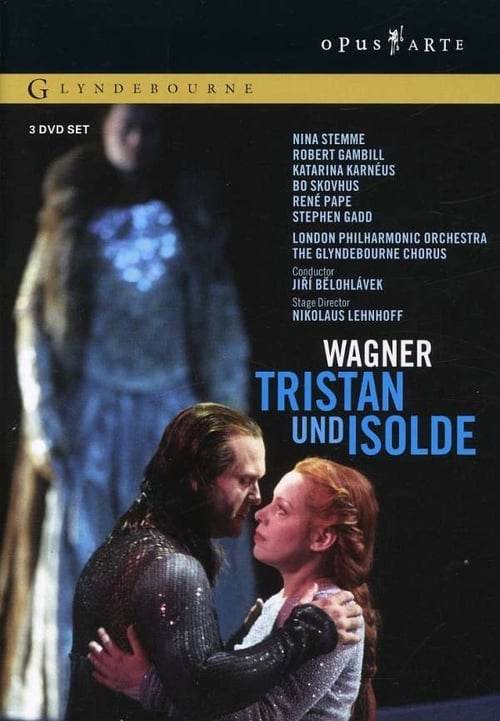
Glyndebourne's celebrated production of Nikolaus Lehnhoff's Tristan und Isolde is a supremely intelligent achievement; gravely beautiful, haunting and meditative, it is deeply reflective rather than visceral, fortified by Roland Aeschlimann's stunningly effective set, a womb-like space through which the protagonists move like gods. Conductor Jiří Bělohlávek mirrors Lehnhoff's approach in his sophisticated plumbing of the score's depths, with every shift in texture carefully laid bare by an inspired London Philharmonic Orchestra. Nina Stemme's Isolde and Robert Gambill's Tristan, both gloriously lyrical, are matched by superb performances from René Pape as the betrayed and vulnerable King Marke and Bo Skovhus as Kurwenal, deeply touching in his helpless devotion to Tristan. This High Definition recording of a production of uncommon intimacy reveals the opera's music and drama in a new light.
Wagner: Tristan und Isolde
Live from Glyndebourne 1997