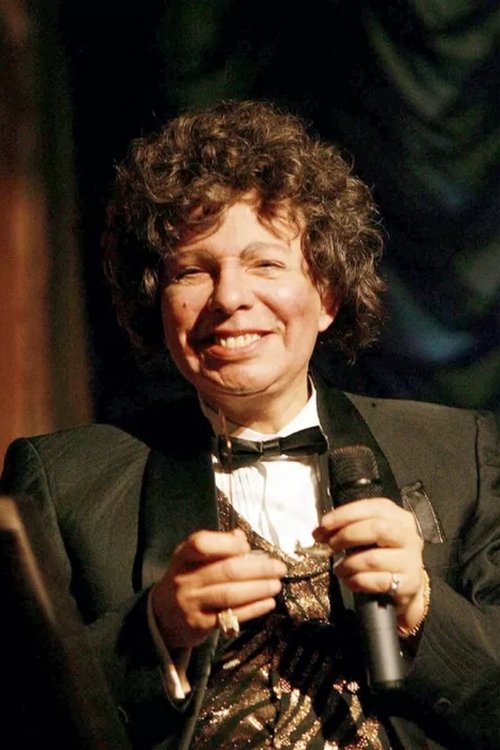
Cauby Peixoto
Acting
Known For
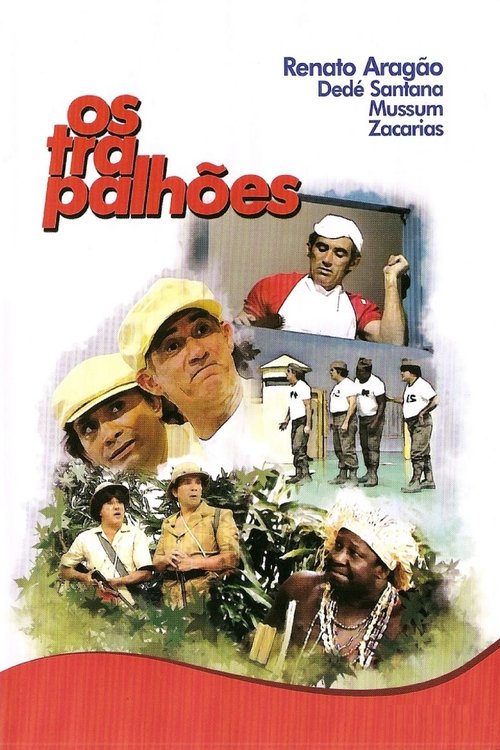
Os Trapalhões was a Brazilian comedy group and also a Brazilian television series created by Wilton Franco. Its members were Dedé Santana, Zacarias, Mussum and their leader Didi Mocó, that was played by Renato Aragão. The name Trapalhões is derived from the Portuguese verb atrapalhar, which means the opposite of helping, to do something the wrong way or to Those that confuse. The name is translated "Tramps" in English DVD subtitles. It was aired by Rede Globo from 1977 to 1999. On March 18, 1990, Zacarias died due to respiratory failure, but the group and the series didn't come to an end until July 29, 1994, when Mussum died due to an unsuccessful heart transplant.
The Trapalhões
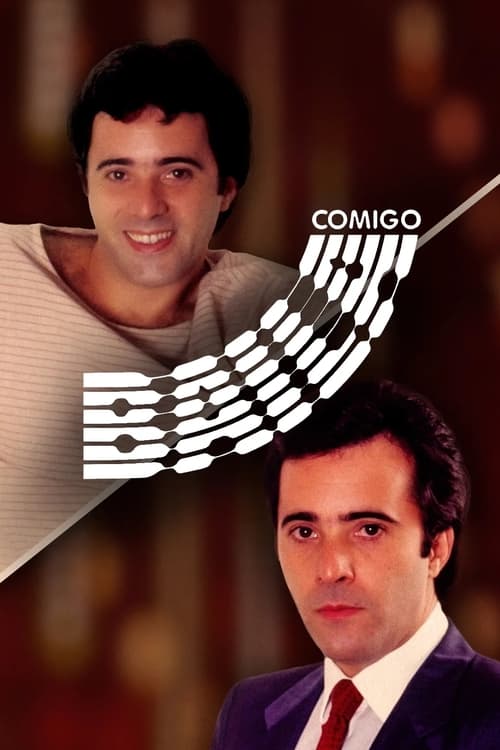
Quinzinho and João Victor are identical twins separated at birth, unaware of each other's existence. The brothers eventually draw closer, guided by their instincts.
Dance with Me
No description available.
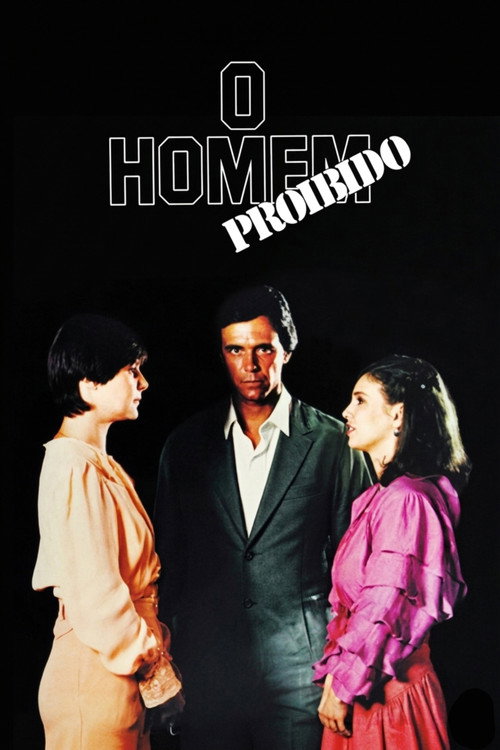
O Homem Proibido

Millionaire Frederico Berger grapples with the trauma of a tragedy. The arrival of his housekeeper, Flávia Cristina, unjustly accused of a crime, transforms everyone's lives.
Esplendor
No description available.
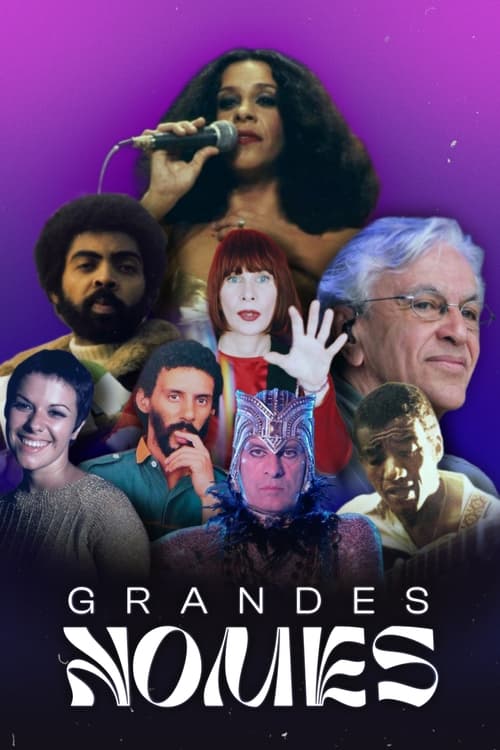
Grandes Nomes

No description available.
Som Brasil
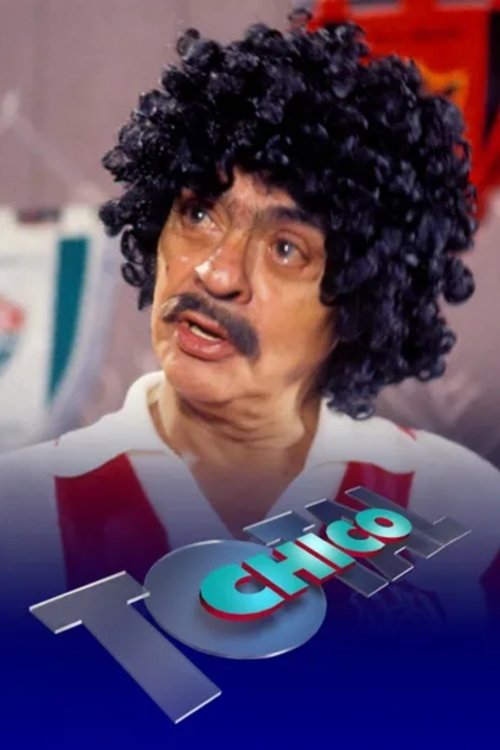
No description available.
Chico Total
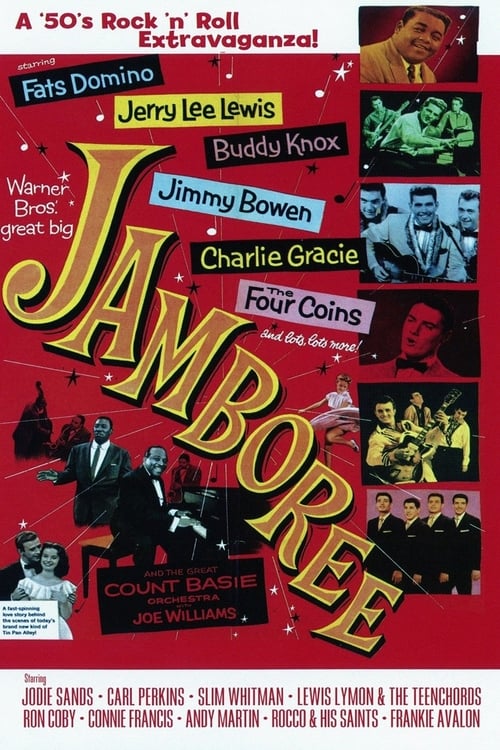
Jamboree adheres to the usual formula of late-1950s rock & roll films: A plethora of musical numbers linked together by the wispiest of plotlines. Kay Medford heads the cast as manipulative showbiz agent Grace Shaw. Hoping to land pop singer Pete Porter, Grace connives to break up Pete's romance with female vocalist Honey Wynn. But who cares? The audience came to see such musical faves as Fats Domino, Count Basie, Jerry Lee Lewis, Jodie Sands, Ron Coby, Slim Whitman, Carl Perkins, Frankie Avalon, Charlie Gracie and the Four Coins. As a promotional tie-in, Jamboree also features appearances by 21 of North America's top rock-and-roll deejays.
Jamboree!
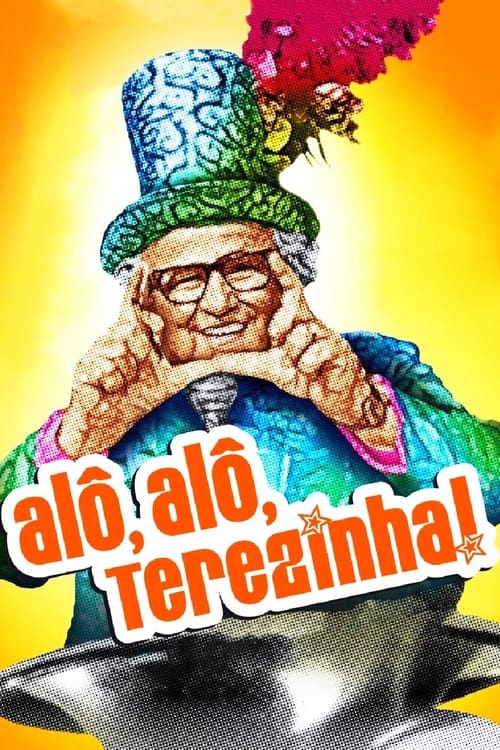
Hello, Hello, Terezinha! is a feature-length documentary about the country's biggest communication phenomenon. Politically incorrect, radical, renewing, Chacrinha changed Brazilian television forever and expressed a Brazil that was around it, but was not perceived. The film tells the great adventure of Abelardo Barbosa through the eyes of the presenter. It gathers the nuclei of its constellation - chacretes, fledglings and artists who passed through its programs - to identify their individualities and their emotions.
Hello, Hello, Terezinha!
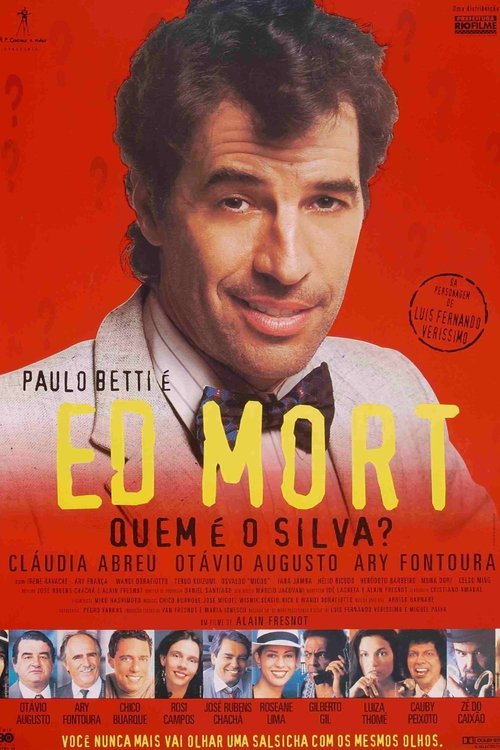
A detective is hired by a mysterious woman to find her missing husband, a master of disguises, and important industry executive.
Ed Mort

No description available.
Eu, Meu Pai e Os Cariocas

A street vendor and a servant theater, newly unemployed, accidentally swap their briefcases trinkets for one of three bandits who just rob a bank. The chase, which also involves two "rapas" only ends when, aided by a chorus girl, unwittingly participating in a musical number of the show's theater company.
De Pernas Pro Ar
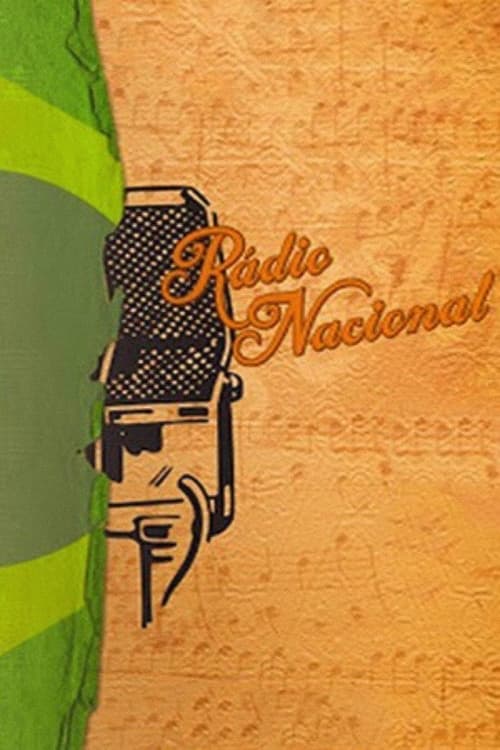
The documentary Rádio Nacional performs a precious sewing, with more than 40 testimonies, and with it weaves the rich plot of the greatest mass communication vehicle of all times, until it abruptly suffered the 1964 coup.
Rádio Nacional
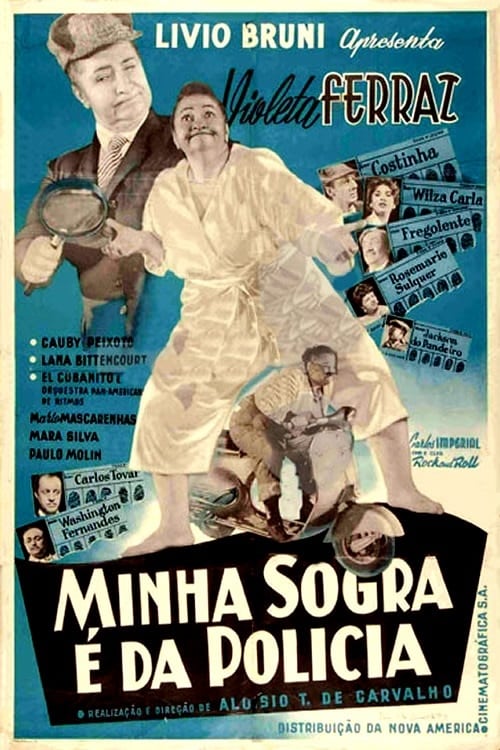
No description available.
Minha Sogra é da Polícia
A woman impressed by news reports about flying saucers, gets hit on the head by a vase, passes out and dreams that she is the 'Queen of Mars', from where she sends an expedition to Earth in order to bring back Rio's Carnaval to the planet.
Carnival on Mars

Simple-minded young woman cherishes the dream of becoming a TV star. But during the tests she gets inhibited, being helped backstage by a couple of clowns and her boyfriend, who trust her potential.
Com Água na Boca
No description available.
Tito Madi - Tempo de Amar

The film discusses decisive moments in the life and career of Cauby Peixoto. In addition to interviews and recordings of the singer's concerts, the film uses testimonials from fans and artists such as Maria Bethânia, Emílio Santiago, Agnaldo Timóteo and Agnaldo Rayol, in addition to researchers Ricardo Cravo Albin and Rodrigo Faour.