Acting
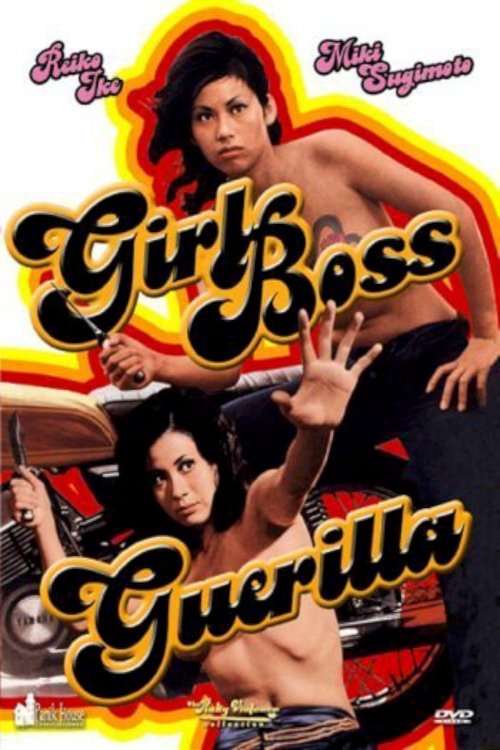
Sachiko is the leader of a girl gang from Shinjuku who wind up in Kyoto and make a bid to take over the local girl gangs there.
With a Kansai syndicate setting their sights on Tokyo, a former yakuza boss gets dragged back into a world of violence.
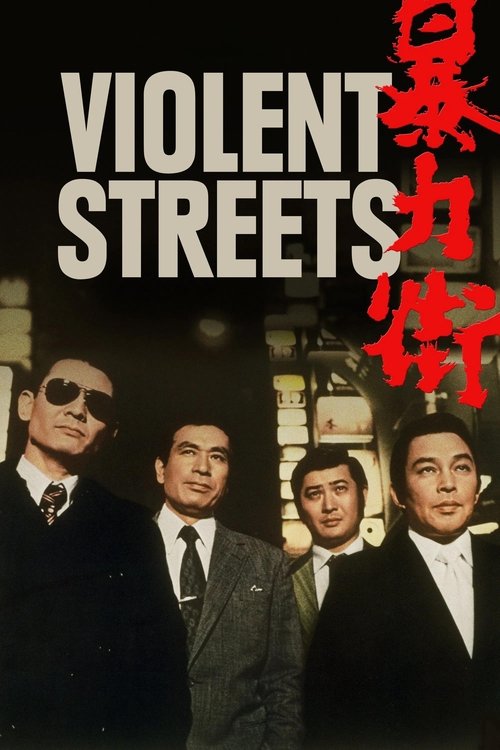
A yakuza leader must balance his violent tactics necessary for the rough streets of 1960s Tokyo with the domestic needs of his daughters.
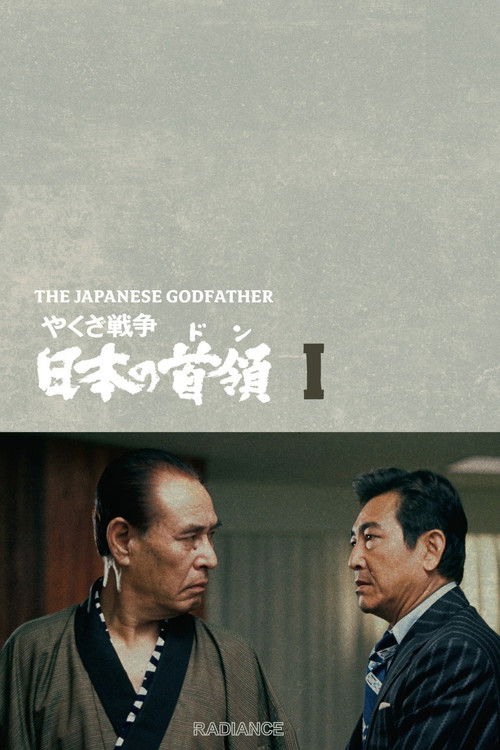
Repeatedly beat to a pulp by gamblers, cops, and gangsters, lone wolf Shoji Yamanaka finally finds a home as a Muraoka family hitman and falls in love with boss Muraoka's niece. Meanwhile, the ambitions of mad dog Katsutoshi Otomo draws our series' hero, Shozo Hirono, and the other yakuza into a new round of bloodshed.
A local yakuza boss of a silk farming town shows kindness to the wandering gambler Oryu by letting her stay at his residence. When a rival yakuza gang, who wants to take over the town’s businesses, murders him, Oryu is obliged to protect his children and business.
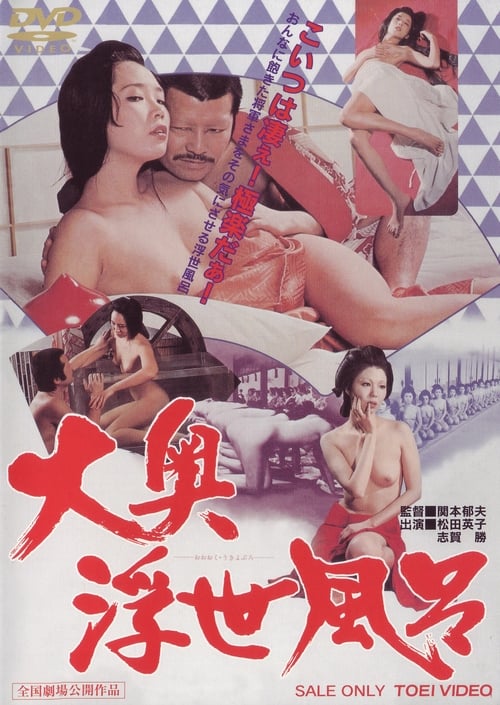
Zenjiro (Masaru Shiga) is a lowlife criminal, roaming the country with his merry band of crooks, gamblers and rapists. When he gets done with his latest escapade of banging a samurai's wife, he finds that his love Okoyo (Eiko Matsuda), has managed to be recruited as one of Shogun Tokugawa Ietsuna's (Kantaro Suga) concubines. While attempting to win her back, Zenjiro becomes involved in increasingly murderous palace intrigues.
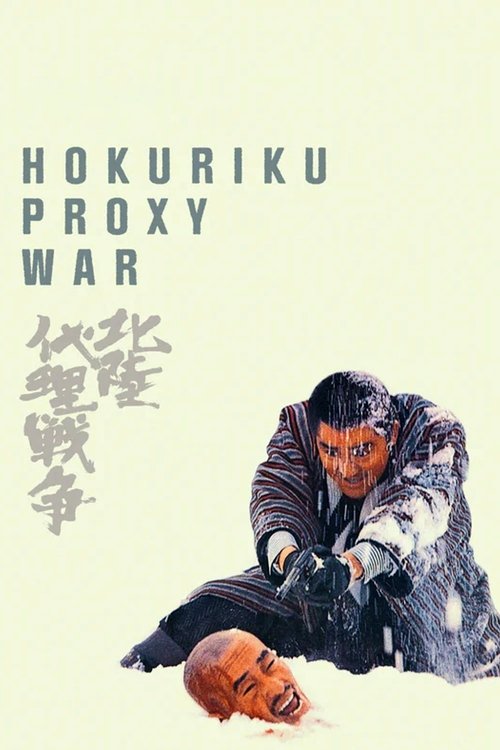
A Yakuza group from Osaka with dreams of national dominance moves into the snowy Hokuriku region, sparking a bloody turf war with local gangs.
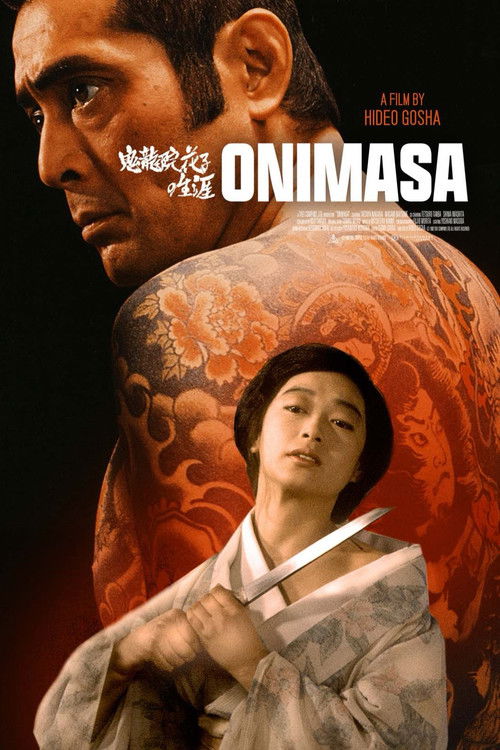
Onimasa is the egocentric boss of a small yakuza clan on Shikoku Island, whose criminal duties conflict with his self-image as a chivalrous samurai. His struggles with his boss, the Shikoku Godfather, and the tumultuous life of his adopted daughter, Matsue, form the backdrop of this epic tale of justice, obedience, and bloody vengeance.
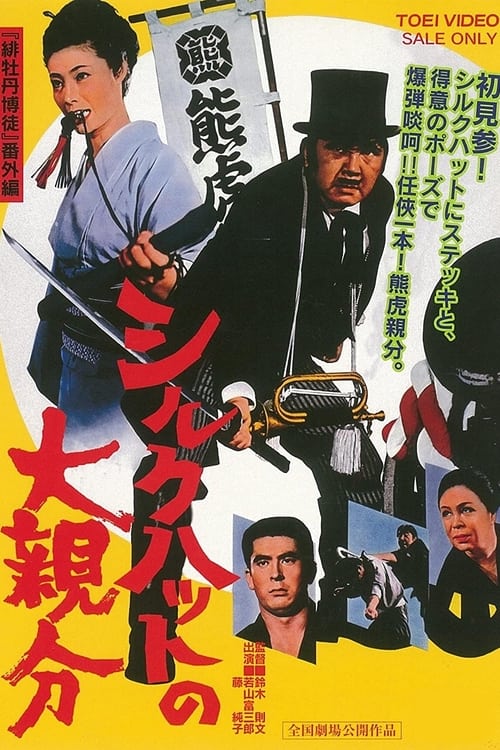
In a strange outfit and full of youthful energy, the explosive Boss Kumatora raises hell like there's no tomorrow. The first movie of a new series starring Wakayama Tomisaburo as everybody's favorite character Boss Kumatora from the Red Peony Gambler series. Having made a fortune in the Russo-Japanese War, the Kumatora Family migrates to Kyushu to take on a military-related job. There they encounter the evil and malicious interference of the Chindai family of Kumamoto, and Boss Kumatora boldly fights back with the help of O'Ryu the Red Peony. A super entertaining film with non-stop comedy and action directed by Suzuki Norifumi.
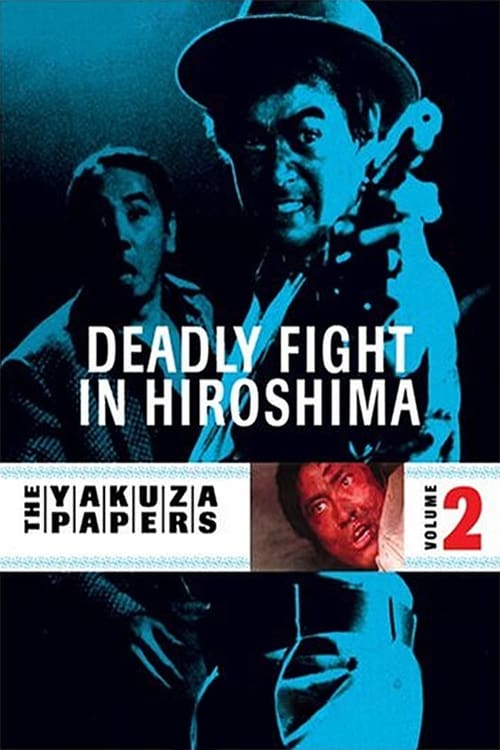
As Japan gears up for the 1964 Olympic Games, the cops start to crack down on the gangs, under pressure from the public and the press, adding a new dimension in the war for power among the yakuza families of Hiroshima.
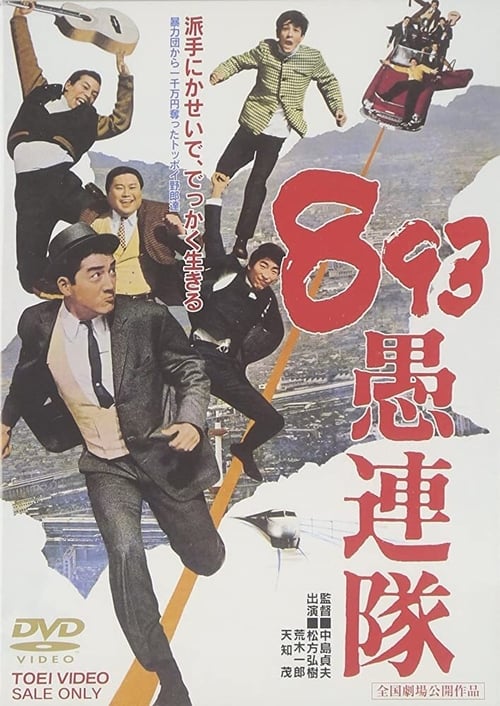
A bunch of young, angry and penniless misfits are full of great vitality. They aren’t quite up to joining the yakuza and execute a variety of petty scams. After being approached by a yakuza and asked to become a spy for them, they are now planning to take 10 million yen from the yakuza.
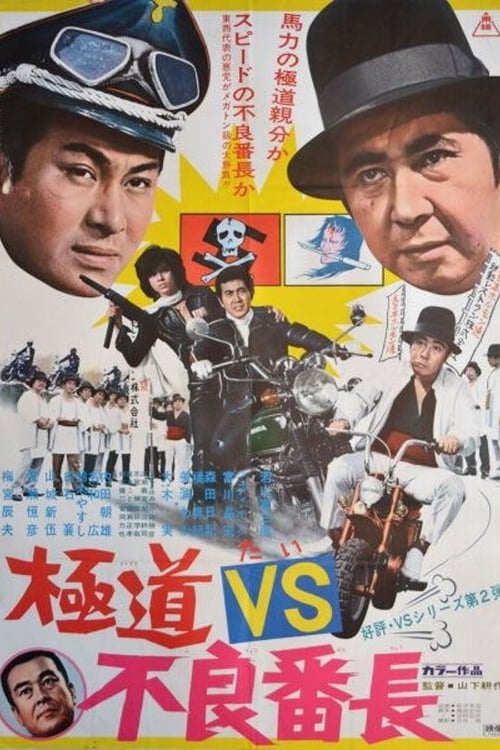
Gokudo Shimamura comes to blows with the Delinquent Boss who rolls into town with his motorcycle gang.
A small time crook who sells rabbits for a living frequently gets himself into trouble with loan sharks and the yakuza. He dreams of becoming a successful big-shot and embarks on the life of a yakuza hitman.
The hero tries to unite various gangs.
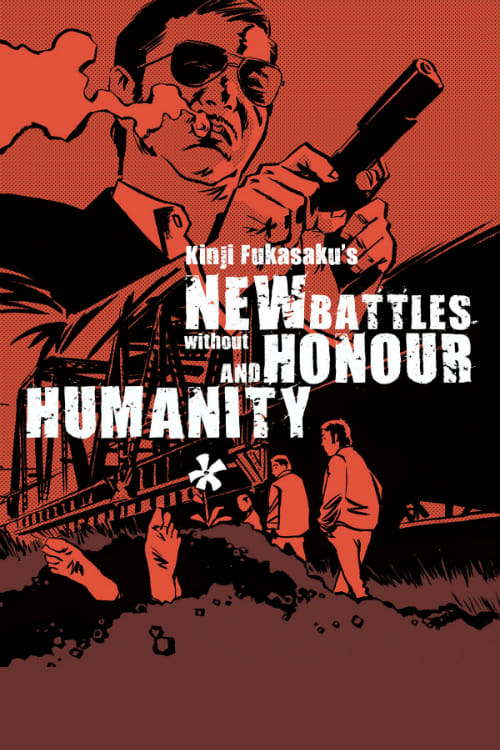
While Hirono is in prison, his rival Takeda turns his own crime organization into a political party, whose two executives stir up new tensions in their thirst for power.
A police investigator cracks down on yakuza business, but once he realizes the police are in negotiations with certain factions, he sides with his own syndicate of choice.
While imprisoned, Tatsu encounters Danshi, a man who is a big honcho in the prison pecking order. After initial conflict they become sworn brothers. Tatsu and the sworn brothers he acquires weren’t really gangsters before their prison time, just ruffians. Prison, however, introduces them to plenty of gangland characters and three years later, they’re out of prison and enmeshed in the yakuza world.
Bunta Sugawara is Miyoshi, a low-level assassin of the Yamamori gang who is sent to jail after a bungled hit. While in stir, family member Aoki attempts to seize power from the boss, and Miyoshi finds himself stuck between the two factions with no honorable way out.
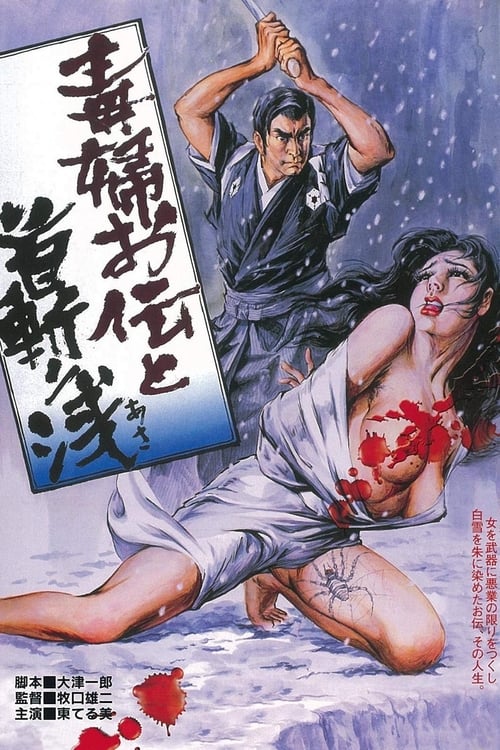
An unusual blending of elements comes together in this crime story drawn from Japanese history. During the early Meiji period a number of “Dokufu” (Poison Women) committed a significant number of murders. These crimes were most often committed by wives on their husbands in order to be together with their lovers. At that time women were executed in the same manner as men, to wit: by being decapitated. This is the story of the most notorious of all, Takahashi Oden who, in 1879, was the last woman executed by decapitation in Japan.
Forth film in the Gokudo series with Tomisaburô Wakayama