Writing
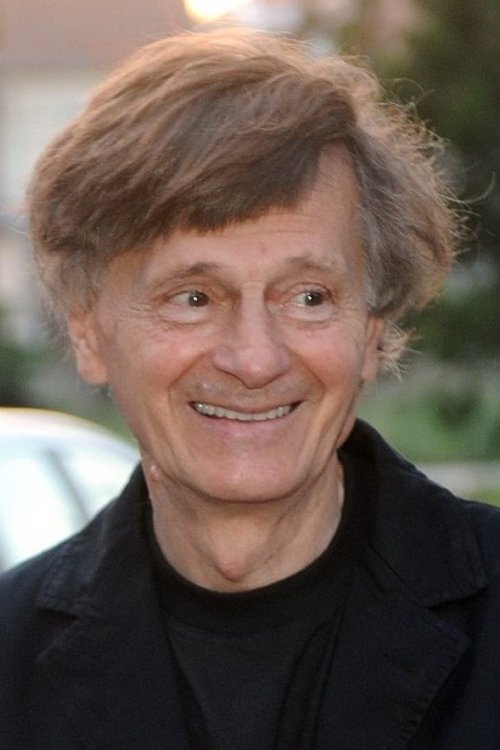
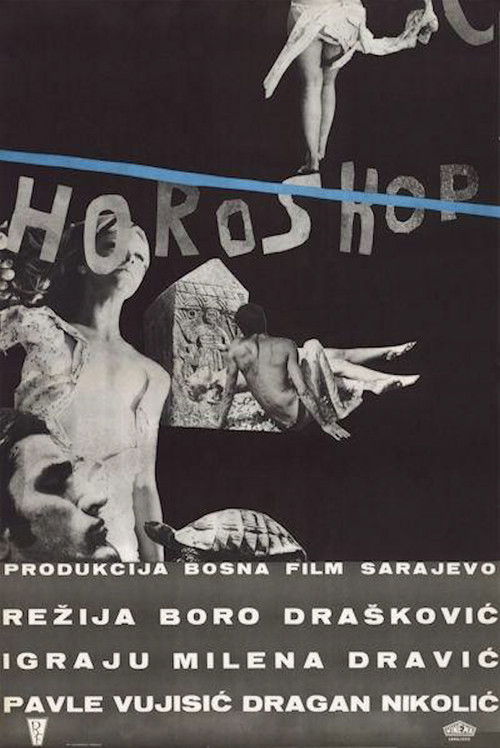
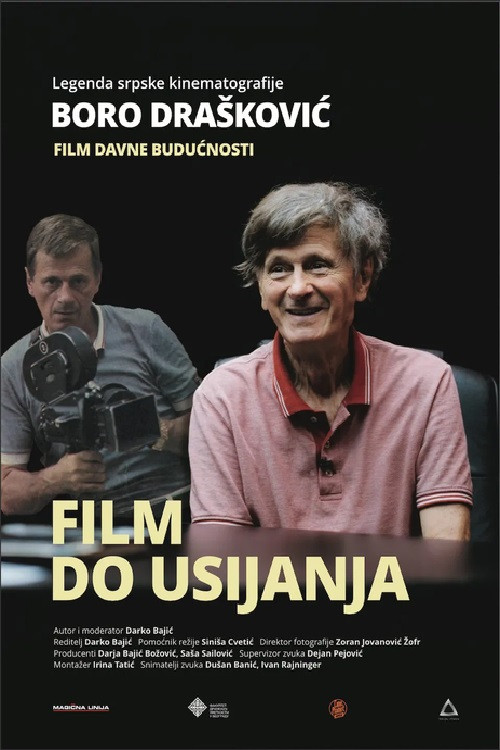
Boro Drašković is a Serbian director, playwright and screenwriter.
A story about young man who, after the conflict with his uncle, sets off to emigration.
A story about an old man who fights against physical and spiritual weakness that is overcoming him more and more.
The protagonist is a young man, a future scientist, who plans his future life with mathematical precision, but the calculation betrays him.
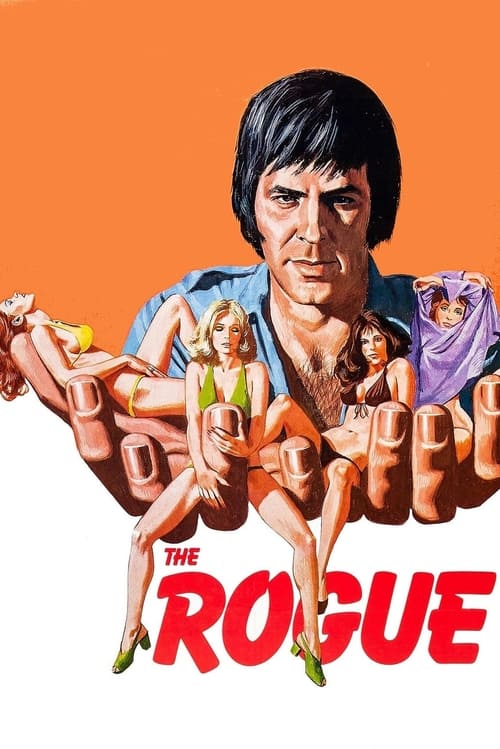
A gang of young delinquents from a coastal town terrorize the locals, the tourists that spend the summer holidays there, as well as the young girls. They are especially focused on a pretty girl that sells newspapers, and they make a bet which one will seduce her.
Two faces of an upper-class, urban family, centered around young married couple.
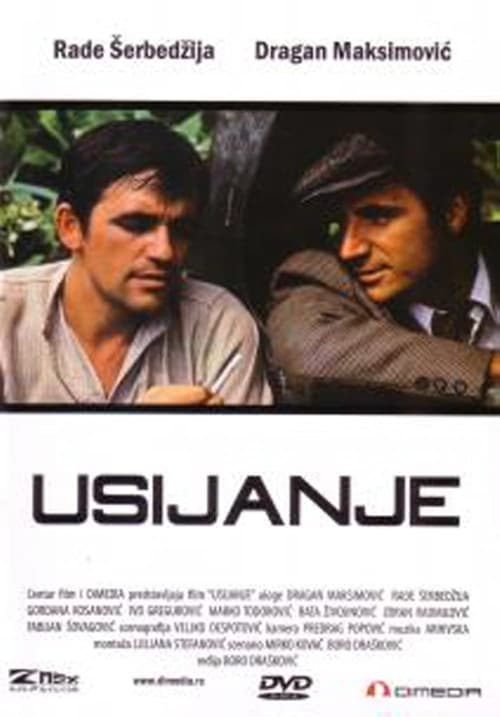
On her deathbed, the sister tries to help her brother who, burdened with his poor background, can't figure out his life's directions after completing studies.
After a train breaks down and the passengers are forced to spend a day at a remote country tavern, the mix of seasonal farm workers, transients, musicians, and would-be party kingpins heads toward some explosive moments. A truckload of chickens arrive to be killed and cooked for the unruly group of passengers, and when a few boorish men harass a female singer, their actions lead to unexpected violence.
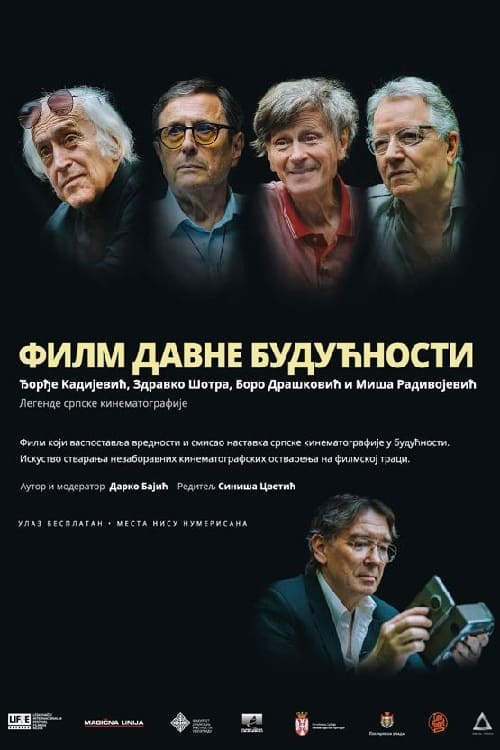
Four legendary Yugoslav film directors talk about their careers, capitalism, sex, life, death and revolt.
Scourged by the need to be different from his contemporaries and driven by an insatiable hunger for adventurous living, Marko, a young man of 25, returns from America where he has spent a few years. He wants to impress people in his native town, but eventually everything turns against him.
Boro Drašković, one of the most important European directors, dedicates his life to the art of storytelling on film, theater and literature. As a professor and creator, he travels the world, imparting knowledge and shaping new artists, while through books and the stage he explores what it means to create and how art understands the world.
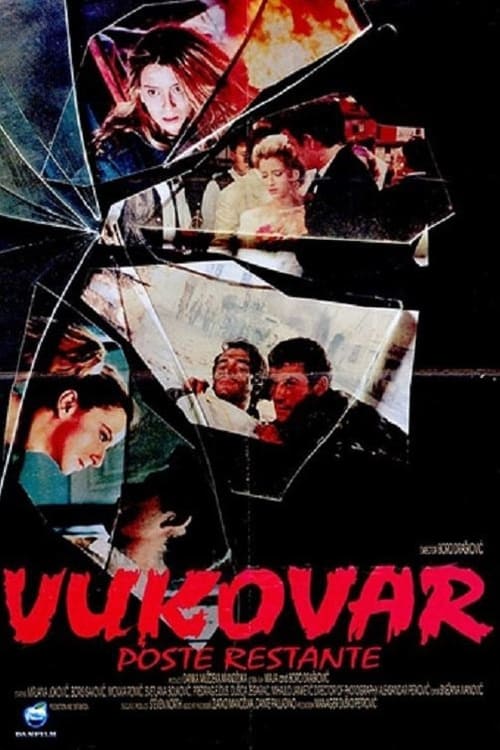
The violent break-up of former Yugoslavia is described from the Serbian point of view, using the story of ethnically mixed couple in war-torn city of Vukovar as metaphor.
The play follows the staff in a cafe's kitchen during the course of a busy morning.
Small village farmers grow tobacco which they are forced to sell to the government for next-to-nothing prices. This repeats with Italians during the WW2, and with the communists after the war. Boiling point is getting high.