Dimos Theos
Directing
Biography
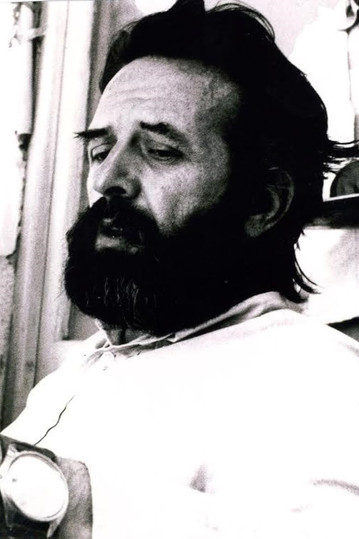
Dimos Theos was born on 10 March 1935 in Karditsa, Greece. He was an editor and director, known for Kierion (1968), Eleatis Xenos (1996) and Kapetan Meitanos (1987). He died on 28 October 2018 in Athens, Greece.
Known For

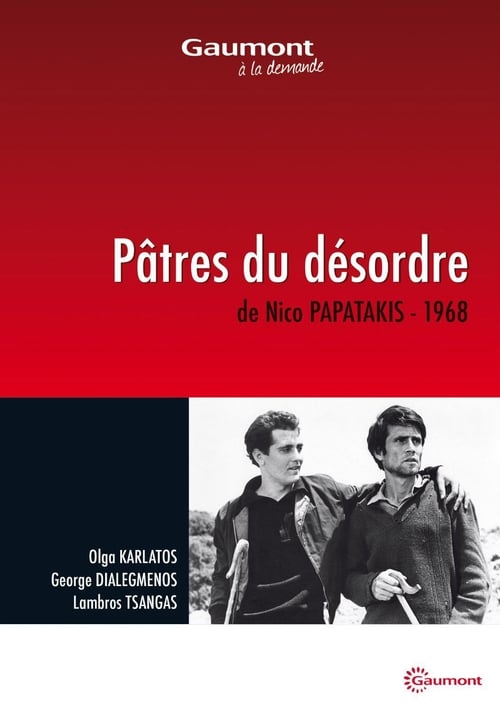
Katina, an impoverished Greek woman, tries to arrange the marriage of her shepherd son, Thanos, to Despina, the daughter of a wealthy landowner. But Despina’s father, Vlahopoulos refuses to give his blessings.
Thanos and Despina

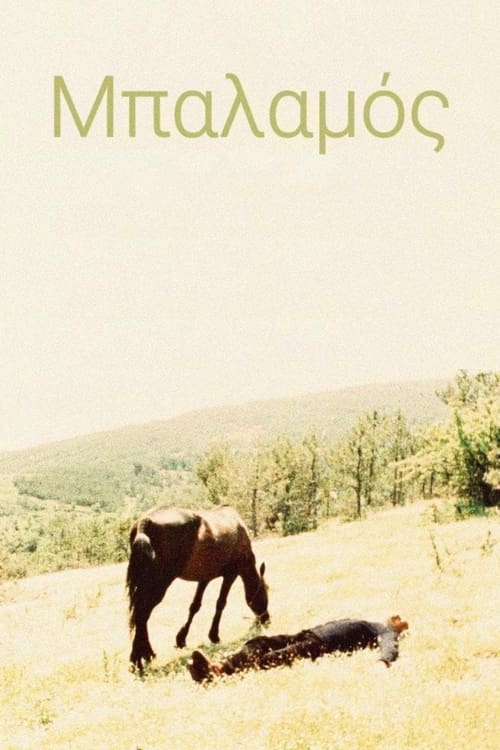
In order to buy a horse, a man wanders in the bazaars of Thessaly. His journey will take him further than he imagines, as old prophets, forgotten witches and vampire princes will find himself on his way.
Balamos

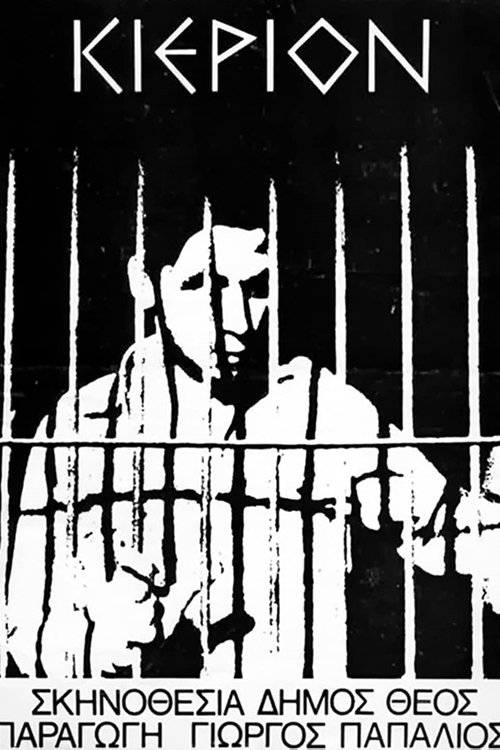
Athens 1967. The political assassinations and the background between the government and foreign powers, on the occasion of the "Polk Case", where an innocent leftist was convicted for the murder of an American journalist in Greece.
Kierion

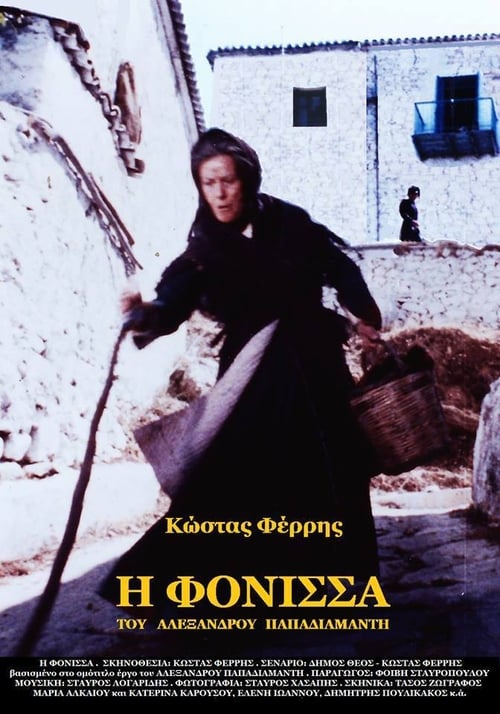
An adaptation of one of the greatest greek novellas ('The Murderess' by Alexandros Papadiamantis). Fragkogiannou (Maria Alkaiou), a hard-done by, deranged woman after a life full of hardship, recalls the past by her newborn girl grandchild’s crib. Her mother was a wicked woman and one of her sons was a criminal. Lost in a haze, she strangles the baby as she is concvinced that girls can cause their family only trouble. Later, she lets a little girl drown in a well, while she drowns three other little girls, one of whom is a newborn baby. This is her way of sparing children and parents of the inevitable suffering in life.
The Murderess

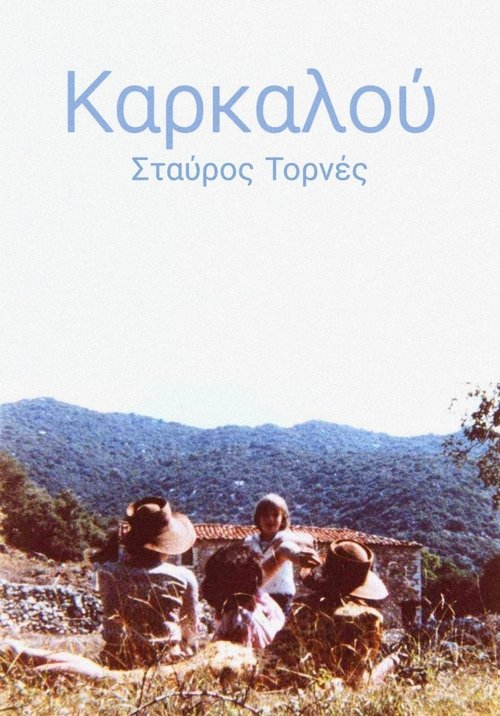
An old man, cut off from his future and his past, brings a young taxi driver into his game. The two meet Karkalou, a crazy prostitute, whom the former once loved madly and the latter will soon love.
Karkalou

A documentary on the assassination of Greek politician Grigoris Lambrakis, by a political group of the extreme right.
One Hundred Hours of May

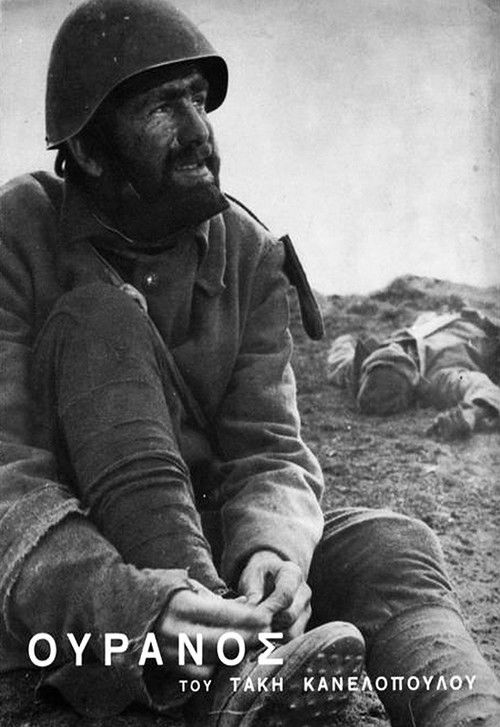
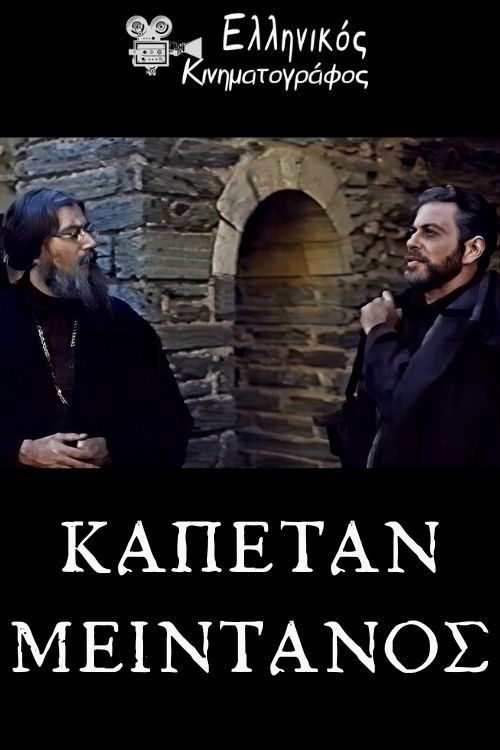
A retired diplomat has begun writing a historical novel about the legendary Captain Meϊtanos, who lived in the 17th century. Initially, he was a klepht (bandit), then an armatolos (member of irregular forces), then a klepht again, until finally winding up in the Ottoman hangman’s noose. Captain Meϊtanos was described by monks who lived for many years after his death, recounting his activities and passing on his story. Memories are revived; snatches of a story and mystery emerge, such as that of a holy icon painted in 1715 by the iconographer Vaϊos – an icon which adds additional color and detail to this story.
Captain Meitanos. The Image of a Mythical Personage

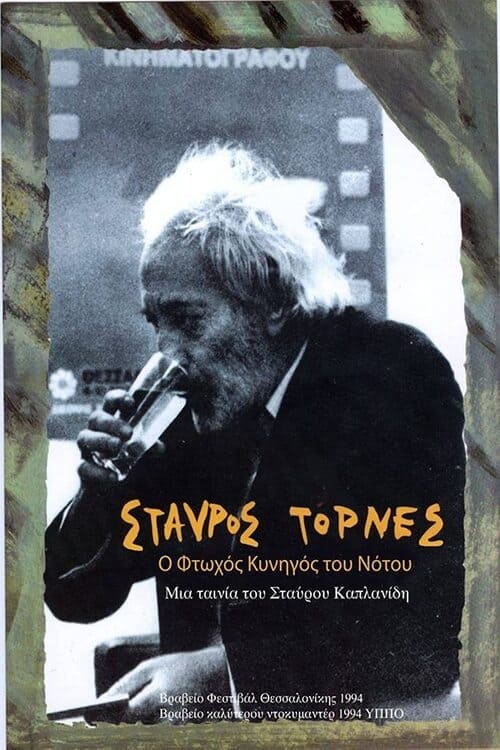
"The Poor Hunter of the South" is the title of the film Stavros Tornes never got to make, rightfully featured alongside his name on this documentary by Stavros Kaplanidis ("Canteen", "Play it Again, Christos"). The film traces his imagery, listens for his whispers and infiltrates the memories of his closest friends, looking for clues in order to piece together the portrait of a filmmaker who made something out of nothing and stayed true to himself and his vision until the very end. Besides Tornes' own films, this documentary includes footage from films where the "poor hunter" appeared as an actor, like "The Secret of the Red Cloak" by Kostas Fotinos, "Kierion" by Dimos Theos and " Allonsanfan" by Paolo and Vittorio Taviani.
Stavros Tornes: The Poor Hunter of the South

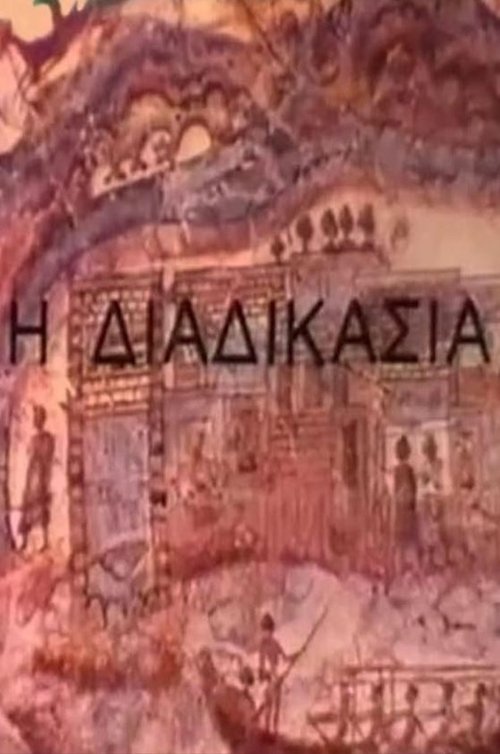
A variation of the myth of Antigone. In a small island colony of Minoan Crete called Lycabettus, the ambassadors of the mother city propose a revolutionary irrigation system that could modernise the production system.
Proceedings

Eleatis has the plot of a detective story within which the subject of love is developed as expressed in the myth of Orpheus and Eurydice. Hanna Bluemart, a 24 year old scholar, arrives in Athens for the purpose of "finding" her father.