Directing
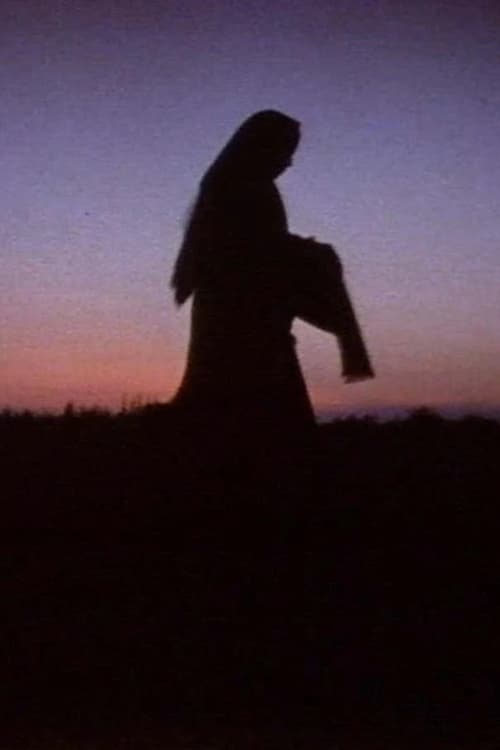
Filmed on location in Saskatchewan from the Qu'Appelle Valley to Hudson Bay, the documentary traces the filmmaker's quest for her Native foremothers in spite of the reluctance to speak about Native roots on the part of her relatives. The film articulates Métis women's experience with racism in both current and historical context, and examines the forces that pushed them into the shadows.
Lii Michif Niiyanaan: We Are Métis is a documentary that addresses the invisibility of the Metis by shining a new light on the historical and contemporary experience of Métis people in Canada and providing a space for Métis people to share their diverse perspectives on what it means to be Métis today.
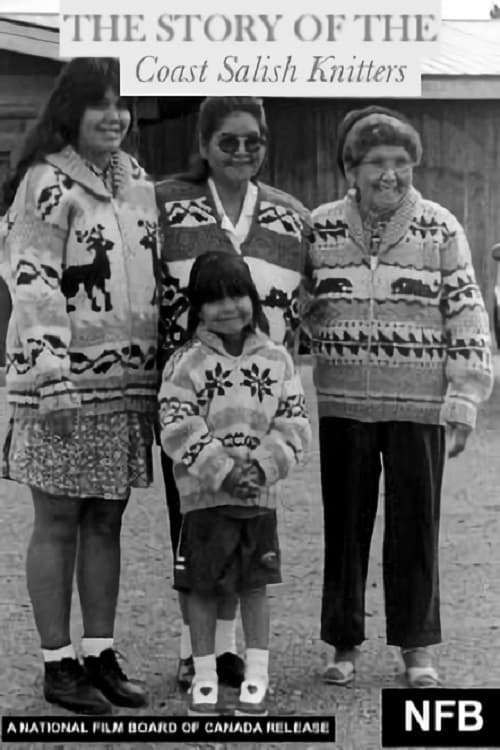
For almost a century, the Coast Salish knitters of southern Vancouver Island have produced Cowichan sweaters from handspun wool. These distinctive sweaters are known and loved around the world, but the Indigenous women who make them remain largely invisible.
In the dying days of apartheid, three generations of women in a village in South Africa came together to create a community garden. They called it “the thinking garden” – hleketani in the local xiTsonga language – a place where women gather to think about how to effect change. Twenty-five years later the garden is still going strong, providing fresh vegetables and new opportunities for local people while helping to confront the ravages of climate change, poverty, and HIV/AIDS in a community pushed to the edge.
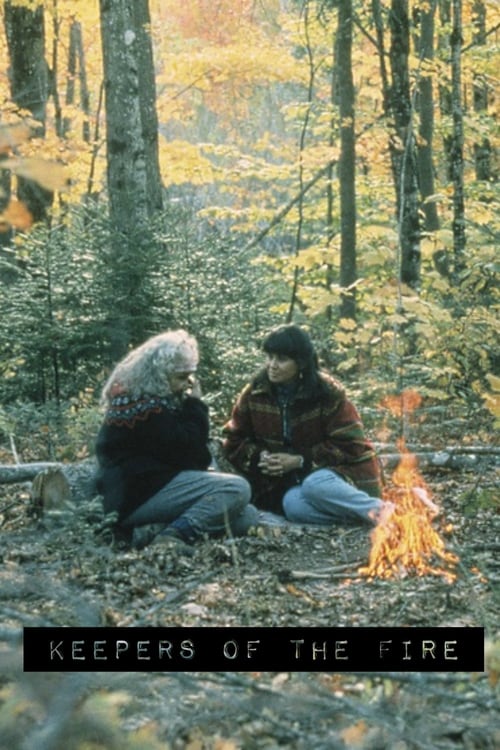
For half of a millennium, First Nations women have been at the forefront of aboriginal peoples' resistance to cultural assimilation. Today, Native women are still fighting for the survival of their cultures and their peoples--in the rain forest and the city, in the courts and the legislatures, in the Longhouse and the media. Keepers of the Fire profiles Canada's Native 'warrior women' who are protecting and defending their land, their culture and their people in the time-honoured tradition of their foremothers.
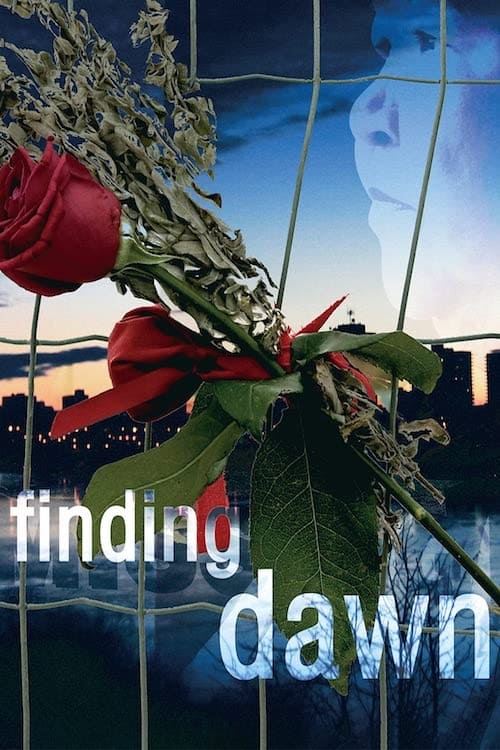
Métis filmmaker Christine Welsh puts a human face on a national tragedy: the murders and disappearances of an estimated 500 Aboriginal women in Canada over the past 30 years. Explores the deep historical, social, and economic factors that contribute to this epidemic of violence against Native women.
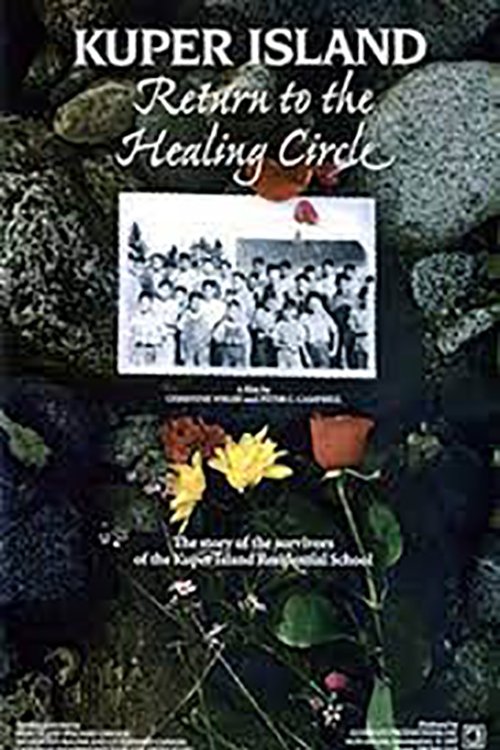
This moving docu-drama explores the destructive effects Kuper Island Residential School had on the hundreds of Indigenous children sent there by government agents for almost a century. Now, twenty years after the school was closed, survivors of Kuper Island are embarking on a spiritual journey on Vancouver Island's Tsartlip Reserve to begin healing the deep psychological wounds inflicted by their residential school experience.