Stéphane Bégoin
Directing
Known For

PBS' premier science series helps viewers of all ages explore the science behind the headlines. Along the way, NOVA demystifies science and technology, and highlights the people involved in scientific pursuits.
NOVA

A look at relevant scientific issues
Science grand format

Legend has it that Queen Hatshepsut, Egypt's first female pharaoh, sent ships to the land of Punt. Cheryl Ward sets out to recreate the voyage, in search of this mythical land.
The Pharaoh Who Conquered the Sea

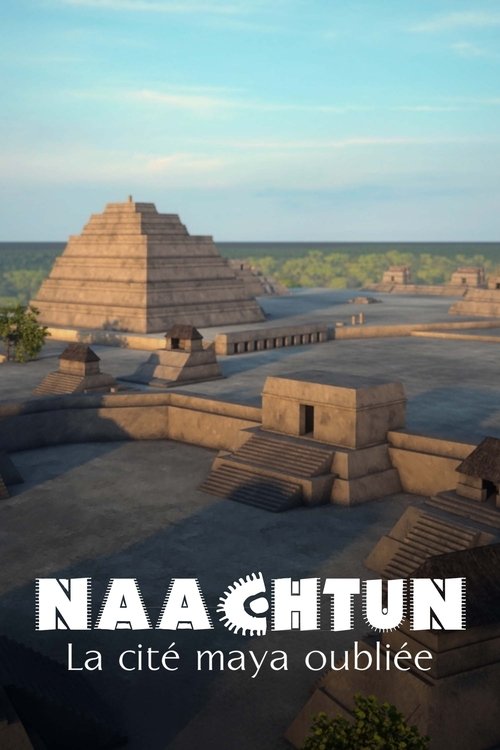
Mixing in-depth excavation work and scientific analysis of the forgotten city of Naachtun, this documentary traces the dawn and dusk of the once-flourishing Mayan civilisation.
Naachtun - The Forgotten Mayan City

The once most magnificent imperial city in China is located in what is now Fengyang. The first city of the Ming dynasty was a model for all those who followed - including Beijing. After around 600 years underground, the ruined city is now being excavated again. Archaeologists, researchers, historians and workers are following in the footsteps of a bygone era and gaining new insights into the fate of a mysterious city every day.
The Ming Dynasty’s Forgotten Capital

Coming in all shapes and sizes, bacteria are present in every corner of the Earth. Their purposes and types are even more diverse, with only 1% being truly harmful. Dive into the world of Bacteria to experience the latest discoveries and scientific knowledge surrounding these plentiful and necessary microbes.
Bacterial World

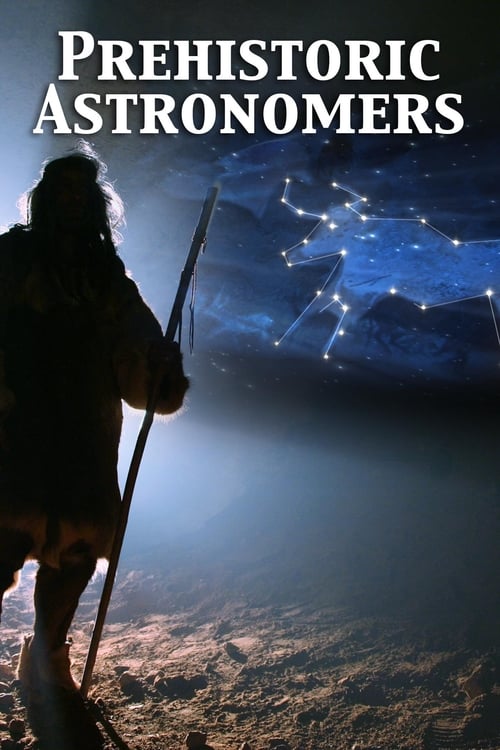
Cave paintings and lunar calendars exist in the caves and remains of prehistoric hunters studied recently. What if Prehistoric Man were clever enough to develop in depth scientific knowledge? As unlikely as it may seem, new data tend to prove that Prehistoric Man actually invented Astronomy!
Prehistoric Astronomers

Our planet’s lakes make up a huge freshwater reserve delicately balanced between the water that feeds them and the rivers they feed.
Secret Life of Lakes

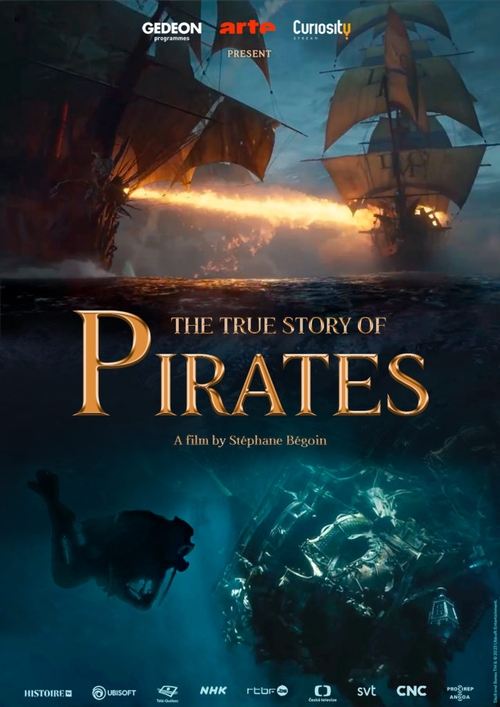
Thanks to new excavations in Mauritius and Madagascar, as well as archival and museum research in France, Spain, England and Canada, a group of international scholars paint a new portrait of the world of piracy in the Indian Ocean.
The True Story of Pirates

No description available.
Fontainebleau, la vraie demeure des rois
No description available.
Die Pharaonin und das Goldland - Hatschepsuts Reise nach Punt

From China to Venice, each country preciously kept the secret of its specialty. Industrial espionage, kidnappings, debauchery or innovations, the royal envoys will not shrink from anything and intrigue in often incredible conditions to victoriously impose French splendour in Europe.
The birth of luxury
No description available.
L'autoroute à remonter le temps

No description available.
Ces microbes qui nous gouvernent

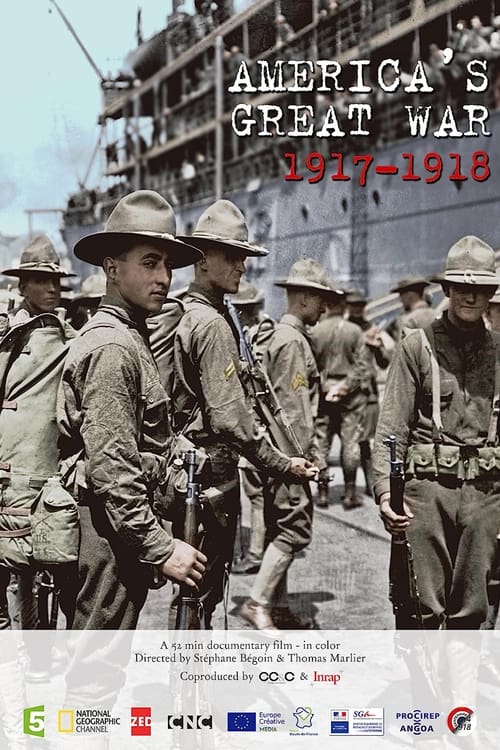
Through unreleased archives and contemporary footage shot in the archeological digs of World War I's battlefields, this film tells the heroic and tragic tale of the American soldiers in this terrible conflict.
America's Great War 1917-1918

Why do 600 inhabitants of the small southern Spanish town of Coria del Río bear the surname "Japón"? It is the legacy of an unusual expedition that took place 400 years ago: In October 1613, the samurai Hasekura Tsunenaga boarded the galleon "San Juan Bautista" on behalf of the ruler Date Masamune in Sendai, Japan. In addition to merchants, warriors and Spanish sailors, the Spanish Franciscan monk Luis Sotelo, who spoke fluent Japanese, also embarked. The legation wanted to obtain permission from the Spanish King Philip III and Pope Paul V to open a new sea route to India alongside the spice route; in return, Christian missionaries were to be sent to Japan. When he set off, Hasekura Tsunenaga had no idea that the journey would take seven years. Who was this Japanese samurai? What is known about his motives and what is known about the actual background to the expedition?
Un samouraï au Vatican

Cheryl Ward, American archaeologist and world specialist in ancient navigation, is coordinating the design and construction of the replica of an Egyptian ship from the time of the New Kingdom. Details for building the ship come from a bas-relief from the temple of Deir el-Bahri in Luxor. This inscriptions recounts that a fleet of five ships, supplied by Queen Hatshepsut in the year 1500 BC, succeeded in finding the marvelous and far-off land of Punt, from whence they brought back the most extraordinary riches. Once the reconstruction is completed, the team intends to sail in the wake of Hatshepsut’s fleet aboard their reconstructed vessel to find the mythical land of Punt and prove that the Egyptians were a seafaring people. This film proposes a unique explanation of this historic voyage, following the true adventure of historians, Egyptologists and archaeologists, and sheds new light on the reign of Queen Hatshepsut.
When the Egyptians Sailed on the Red Sea

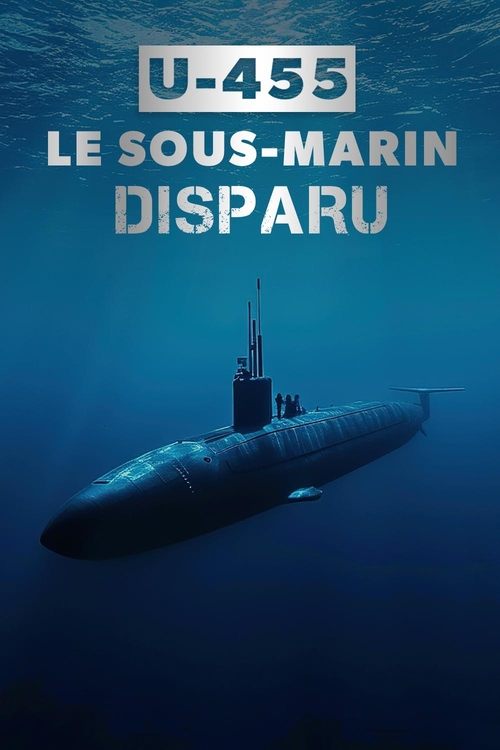
In 2008, German U- boat U-455 was discovered off the coast of Italy. 400 feet down, the submarine stands almost vertically on the ocean floor. This documentary will reveal its history and the cause of its demise.
U-455, le sous-marin disparu

No description available.
La cité perdue d'Al Andalus

No description available.