Mireille Dansereau
Directing
Biography
Mireille Dansereau (born December 19, 1943) is a Canadian director and screenwriter who is known for "emulating the style and approach of her aesthetic role model, John Cassavetes". She received several accolades throughout her film career which spans over 50 years.
Known For

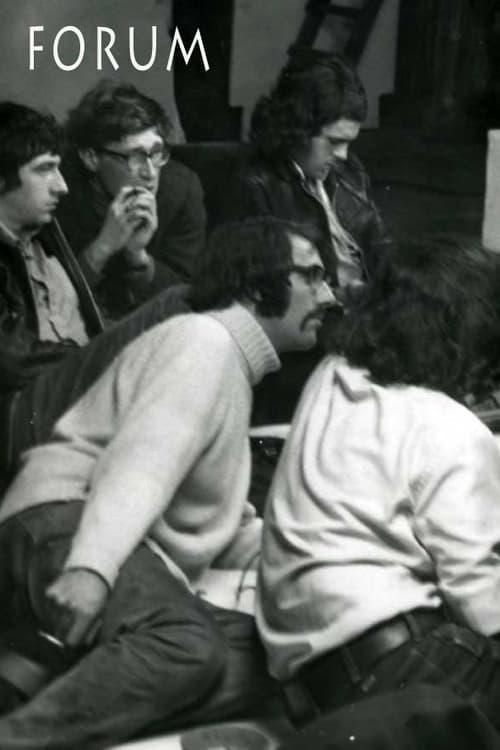
Recording of a tense discussion between three people around the question of "revolution". Steve Ben Israel (member of the Living Theatre), James Cellan (BBC director) and David Autie (sculptor) confront each other in a debate that provoked a strong political and radical awareness among the students of the Royal College of Art in London. The screening of the document led to the return to school of five students who had been unjustly expelled by the school administration.
Forum

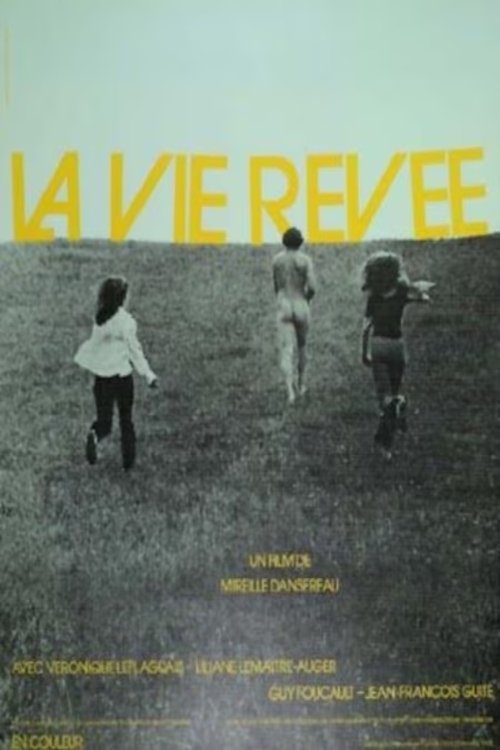
Two twenty-something women dream of the ideal man and slowly realize that reality is very different from their fantasies.
Dream Life
This documentary captures the road-trip odyssey of Canadian filmmaker Mireille Dansereau as she travels to Louisiana to screen one of her films — inspired by the works of her friend, Marie-Claire Blais — and seek her cinematic identity in the process.
Louisiane, pour mémoire

A filmmaker explores the difficulty of being a woman, provoked by the porn films found among the belongings her father left behind. ‘Is pornography love?’ she asks herself. Watching these 8mm porn films becomes her way of creating a connection with ‘the FATHER,’ as she passes progressively from her memories of her father to her own gaze. A film that considers the male gaze.
Vu pas vue

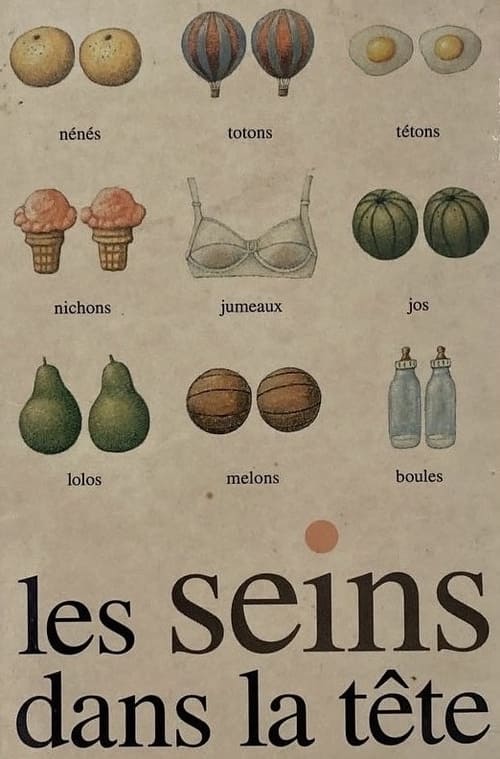
What place do breasts occupy in the identity of women? Intersecting several voices--adolescent girls, mothers, lesbians, dancers, bodybuilders...--this film draws a mosaic portrait of the breast, from childhood to maturity, from seduction to illness, from motherhood to surgery, from the tyranny of the image to self-acceptance. An impressionist documentary, funny and touching, against the backdrop of the beach and holidays.
Les seins dans la tête

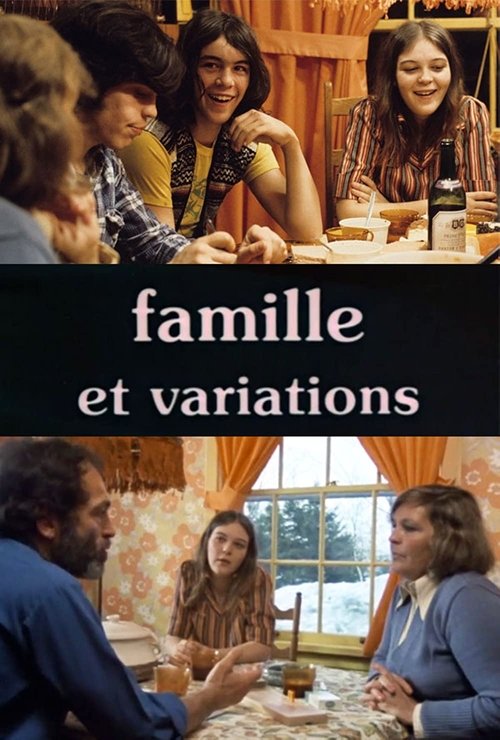
a portrait of the changing social and political context of the nuclear family in the 1970s, focusing on four families of varying circumstances: a traditional nuclear family with a special needs child, a separated family, a single-parent family and a family in a communal living environment.
Famille et Variations

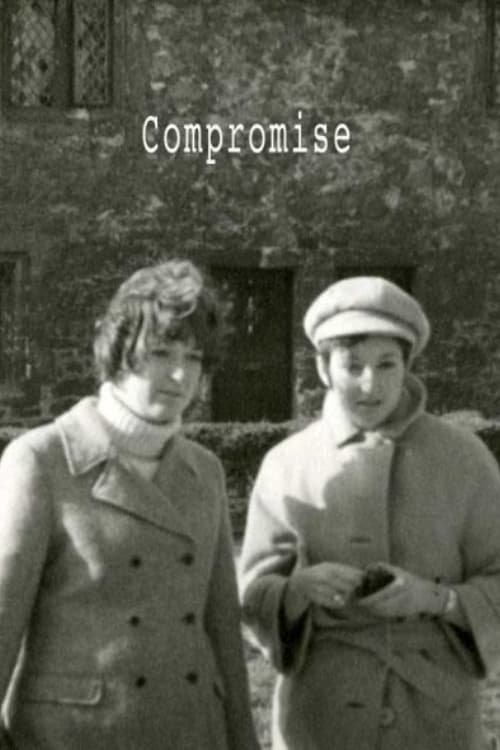
Madeleine, a young French Canadian woman, goes to London to study English literature. She meets a young actor, Peter, who has just graduated from school and is unemployed.
Compromise

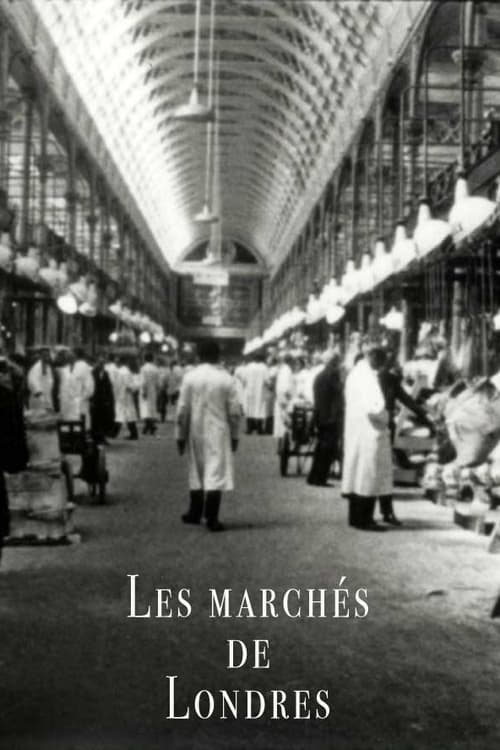
The story of two characters that we hear but never see. The film begins with a young student filming the London Markets in 1969. 25 years later, she invites a man to watch the film about his youth. The couple converse over the footage from that time, a budding love develops as the film ends.
Les marchés de Londres (1969-1996)

What do we know about childhood other than the constructions we make of it? A little girl died inside the day her father left. As an adult, she is still there, frozen, stuck in the sand, ready to dissolve in the storm of her childhood. But is he really gone? Can memory lie to us? A film where characters from the past are transformed into actors in the present. A cinematic essay, based on images that the filmmaker has filmed over the years and family archives dating from the 1940s, all shot in the same place, on the same beach in Old Orchard, Maine, USA.
Le Pier

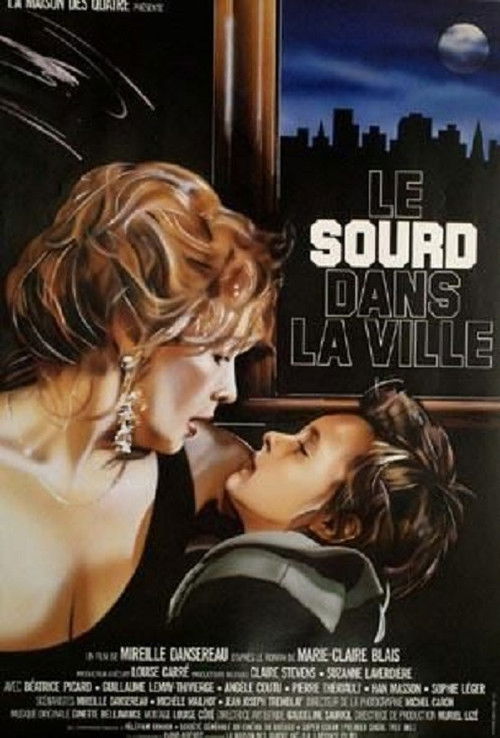
The folks who populate the rundown hotel in this story have all come there from someplace which offered a modicum of hope. Gloria, who runs the place, earns most of her money as a stripper. She lives there with her two daughters and a son with an untreated brain tumor. Charlie, who is forever in and out of jail, is Gloria's sometime lover. A recent check-in is there hoping she can work up the courage to commit suicide, since her rich doctor husband ran off and left her. Another resident is Tim, who keeps company with his dog and his booze in equal measure. A schoolteacher comes by from time to time, hoping to do these people some good, but in choosing this lot to work with, she proves to be just as much of a loser as the rest of them.
Deaf to the City

Feature-length documentary directed by Mireille Danserau in 1973: in-depth interviews with four young women who explain their complex relationships with men, motherhood and their own femininity, sometimes radically detaching themselves from the standardized and traditional conception of the couple.
J'me marie, j'me marie pas

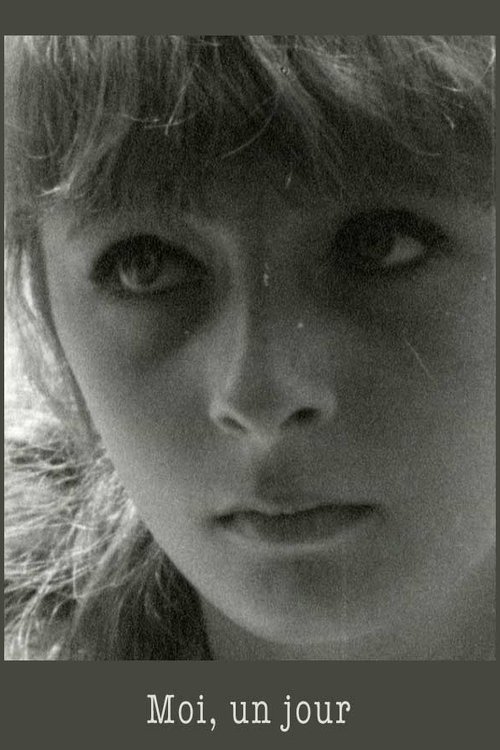
A 14-year-old girl talks about the boredom of her middle-class environment and puts her father and mother on trial. A walk on the mountain with her dog is a pretext to see life through the eyes of this teenager who feels foreign to the world around her. The dreams of freedom of a young girl from a middle-class background. The first film of the filmmaker.
Moi, un jour

There were these reels that Mireille Dansereau kept at home. However, the filmmaker didn’t know exactly what was on them or what they might contain. In 2024, Mireille Dansereau and André Habib agreed: these reels would be digitized at the CinéMedias Laboratory. Led by André Habib and Florence Audet, the digitization process gradually revealed these family archives.
Chutes (de famille)

As much as hair is directly linked to appearance, displaying personality and belonging to a group, it is also intimately linked to being. How many spiritual rites, practiced here as elsewhere, testify to this. The being and the appearance...we are faced with a troubling duality when we know that the hair can affirm, with as much intensity, one as the other. "...it is precisely this duality that I want to illustrate, by cutting of course "Les cheveux en quatre", to evoke as with Les seins dans la tête, fanfasms, obsessions and beliefs related to these parts of the body..." says the director.
Les cheveux en quatre

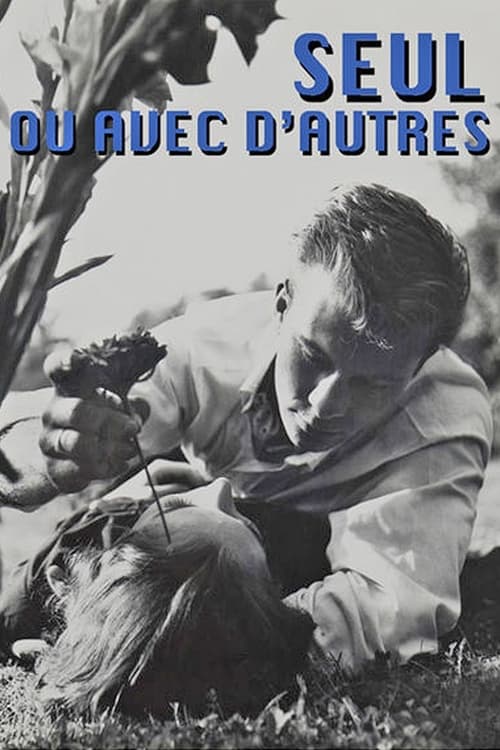
At the end of the year 1961, three young students, Denys Arcand, Denis Héroux and Stéphane Venne, decide to direct a feature-length film centered on the perks of student life. The film mixes fiction and reality in the style of cinéma vérité. "Alone or with others" is often considered the first indepent film of Québec.
Alone or with Others

Montage of archives filmed in 1971.
Étude pour un lit et une baignoire

Madeleine Dansereau was the first woman jeweller in Quebec. She started her career at the age of 47, just when doctors diagnosed her as having breast cancer. Her best known achievement was the Emblem for the National Order of Quebec. Her daughter, Mireille, reveals their relationship over the past twenty years, using as a backdrop her own work as a filmmaker.
Entre elle et moi

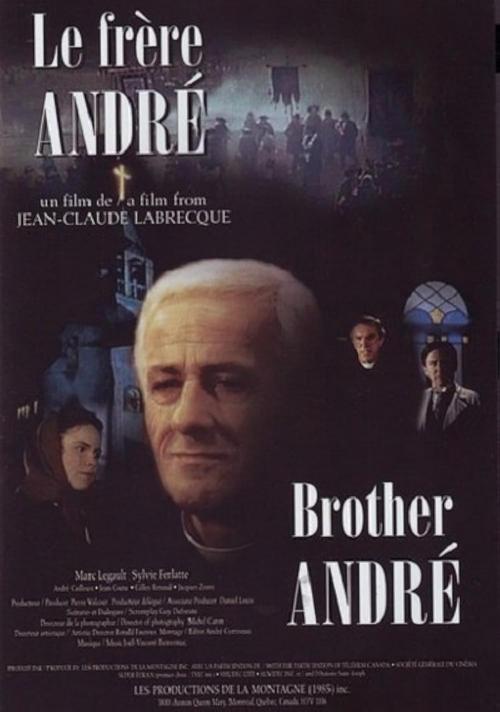
A look at the life of André Bessette through expert interviews and interviews with people who knew him.
Le Frère André
Paddling a kayak on a Quebec lake, a woman remembers her son and the first time he saw himself in a mirror. Having been able to accompany him in this event, the reminiscence brings her great joy. Mireille Dansereau has produced a personal film in which the autobiographical dimension cohabits with an exploratory treatment of light, space and memory traces.
MIROIR no 1

A poetic meditation by a man and a woman whose teenage son has threatened to end his life. What drives someone to that terrible extreme? In an effort to understand and demystify the phenomenon of suicide, the two parents search for answers within themselves. Their personal reflection is intercut with dramatic sequences, archival footage, animation, interviews and first-person accounts that look at suicide from an emotional, rational, cultural, social or medical perspective.