Govindan Aravindan
Directing
Biography
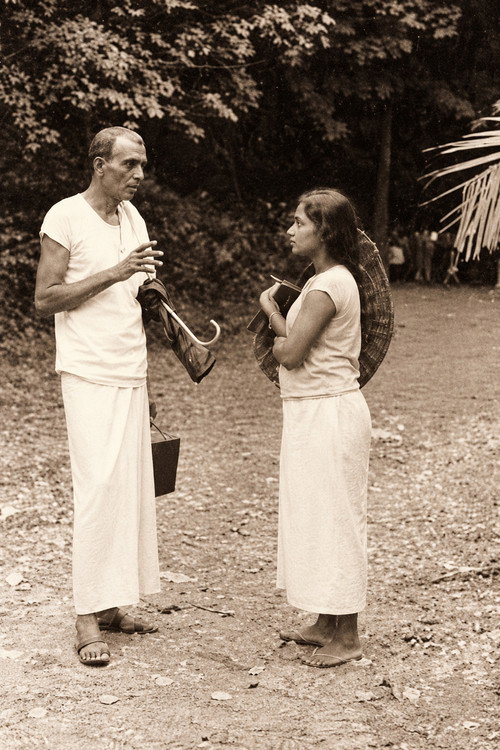
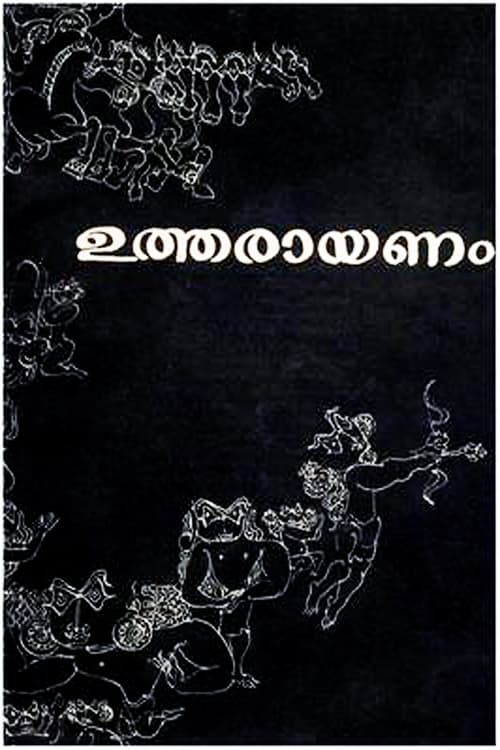
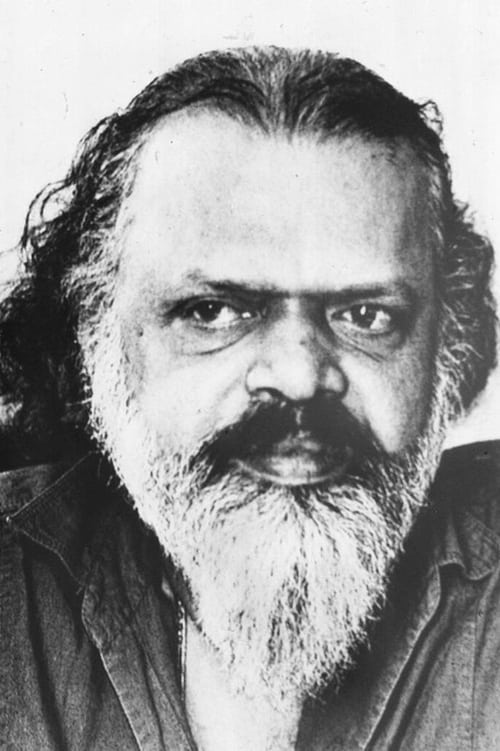
Govindan Aravindan was a pioneering filmmaker from Kerala and considered one of the greatest Indian directors. He was known for his unorthodox way of filmmaking; he changed his cinematic forms consistently and experimented in storytelling without regular narrative styles. His first movie was 'Utharayanam' which was a product of his association with a group of enthusiasts experimenting with the new advances in the world of cinema. The film received critical acclaim and won the awards for best film, best director and best screenplay both at the state and national level. Thus Aravindan established himself as one of the top film makers of the country with his first movie itself. He went on to make several classics including 'Kanchana Seetha' which was a retake on the Ramayana, 'Thampu' which was hyper realistic drama, 'Pokkuveyil', 'Chidambaram' and 'Vasthuhara'. He won the national award for the best director three times and was awarded the Padma Shri by the government of India for his services to cinema. Apart from film direction, Aravindan was also a well established cartoonist and painter. He also composed music for a handful of movies.
Known For

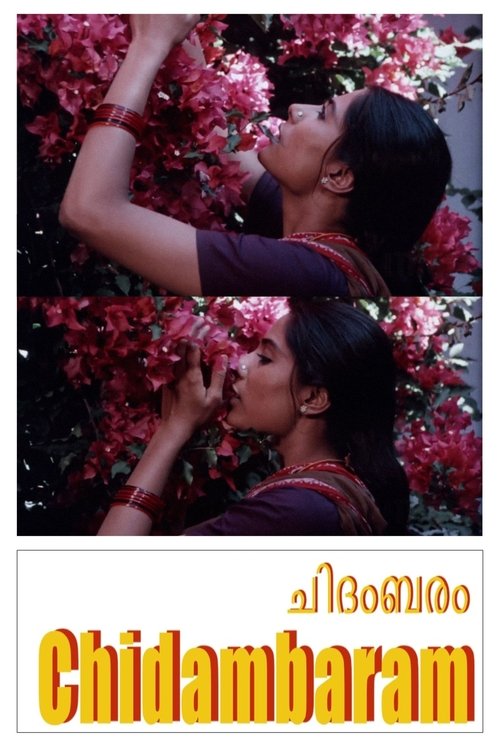
Chidambaram is based on a short story by noted Malayalam writer C. V. Shriraman. The film is a deeply symbolic exploration of the man-woman attraction leading to betrayal and eventually to the purgatory of guilt.
Chidambaram

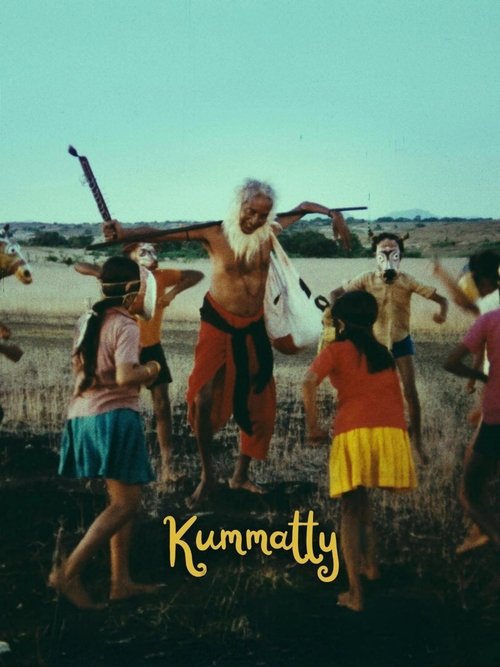
A stranger who may be the trickster magician Kummatty comes to a village in Malabar, India.
Kummatty

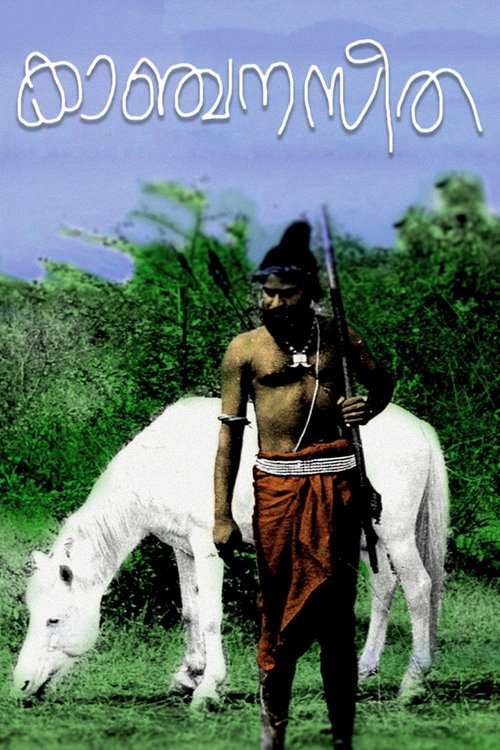
The film interprets a story from the Uttara Kanda of the epic poem Ramayana, where Rama sends his wife, Sita, to the jungle to satisfy his subjects. Sita is never actually seen in the film, but her virtual presence is compellingly evoked in the moods of the forest and the elements. The film retells the epic from a womens' liberationist perspective, and is about the tragedy of power and the sacrifices that adherence to dharma demands, including abandoning a chaste wife.
Kanchana Sita

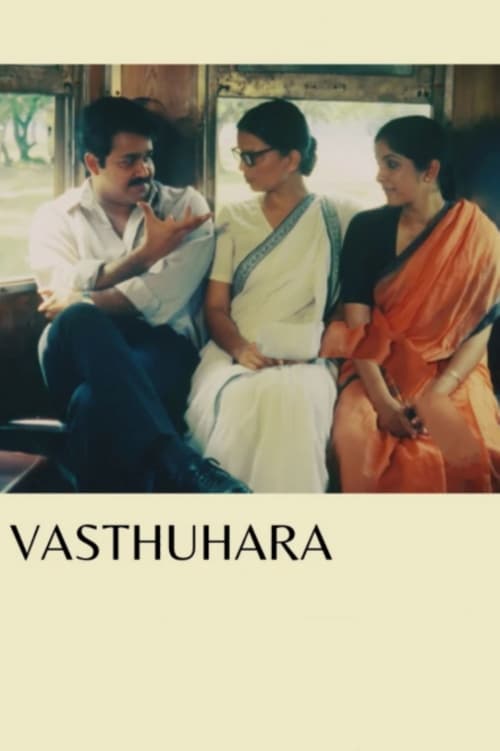
Vasthuhara (Malayalam: വാസ്തുഹാര English: The Dispossessed) is a Malayalam social film by the late G. Aravindan which looks into the lives of partition refugees from East Bengal to West Bengal.
Vasthuhara

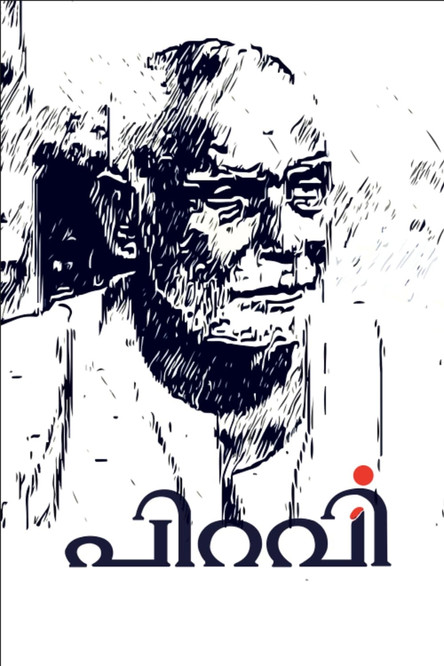
When his son fails to arrive home to attend his daughter's engagement ceremony, aging patriarch Raghava Chakyar waits daily for him at the bus stop. He soon comes to learn that his son, Raghu, was taken into police custody for political reasons and tries to get to the bottom of this.
Piravi

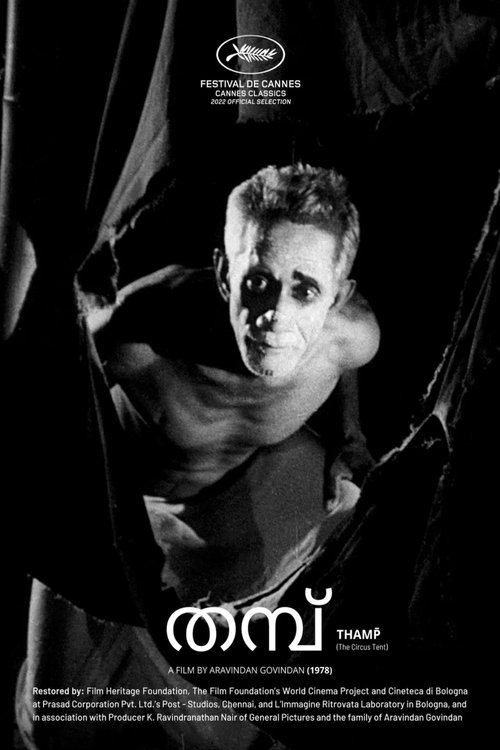
The arrival of a travelling circus sends ripples through the inhabitants of a remote Keralan village.
The Circus Tent

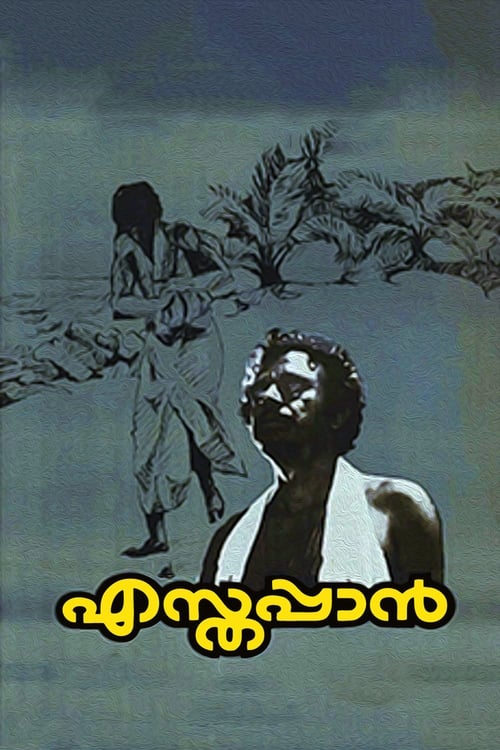
Esthappan is a fisherman, who lives in a seashore colony. His story unfolds through narrations by other fishermen about his miraculous acts. Through the contradictory statements of these people, a mystical figure of Esthappan unfolds.
Esthappan

In the 1950s a village in Kerala is preparing itself to be included in the nation's electric grid. Things are looking up for villagers and everyone is optimistic about the progress that electrification will bring. However soon some trouble brews starting with petty quarrels on trees being felled for the power lines. A series of unfortunate events follow the electrification as the village comes into terms with rapid modernization.
And There Was a Village...
No description available.
Ore Thooval Pakshikal

No description available.
Unni

Ravi, an unemployed young man, faces a series of encounters during his search for a job.
Throne of Capricorn

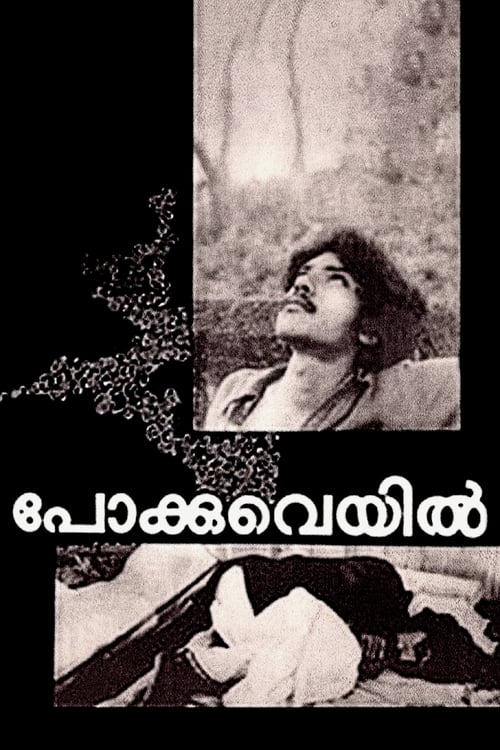
A young artist lives with his father, a radical friend and music loving young woman. His father dies, the radical friend leaves him and the woman is taken away by her family to another city.
Pokkuveyil

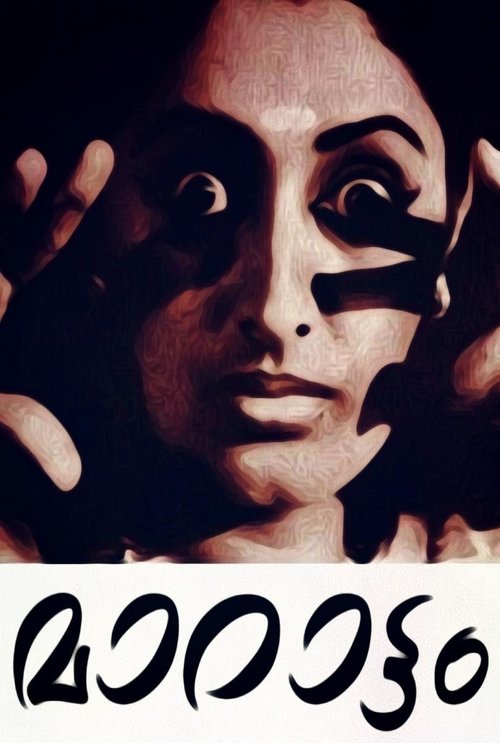
Panicker's one-act play deals with the relation of identification between an actor and his or her role. The action takes place on the eve of the last act of the Kathakali piece Keechakavadham (The Killing of Keechaka). The events surrounding the performance uncannily echo events in the play. One character even claims to have killed the lead actor of the play because he detested the character the man portrayed. However, the three different accounts that are presented of the same plot are never resolved or reconciled with each other. Each version is accompanied by a different style of folk music: the tune and rhythm of southern Kerala’s thampuran pattu, the pulluvan pattu and the ayappan pattu. The performers were drawn from the theatre and from Kathakali. In southern India, with its plethora of politicians using their film images to acquire inordinate wealth and power, Aravindan’s TV film bears on an eminently sensitive political as well as aesthetic issue.
Marattam
A film about folk dances of India that deals with their broad classification with an assumption that these folk dances are governed by the moods and methods of their own with unlimited capacity to assimilate, improvise and vibrate with vitality.
The Unending Flow
Aaro Oral introduced to Malayalam a genre of personal cinema, which is deliberately anti-realist.
Aaro Oral

Interview with Indian filmmaker G. Aravindan, conducted by Thomas Waugh, 1988.
G. Aravindan - Interview with Thomas Waugh
Documentary about the teachings of Jiddu Krishnamurti.