FEEL IT.STREAM
Jillali Ferhati

Jillali Ferhati

Directing

Biography

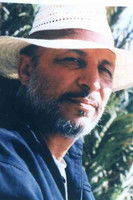
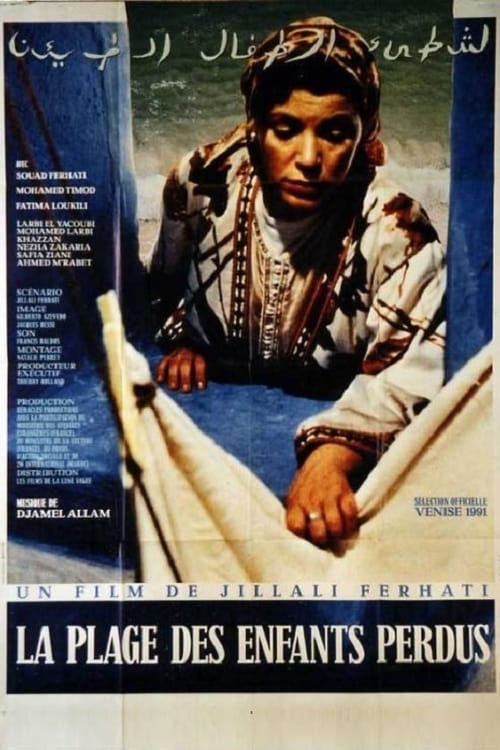
Jilali Ferhati is a Moroccan filmmaker, was born in 1948, in Aït Ouahi near Khémisset but grew up in Tangier. He studied sociology and literature in Paris and then launched his career in theater, working as an actor and director at the Theatre International in Paris. In 1982, he founded "Heracles Production", a production company. His debut in cinema was in 1978 with the feature film Brèche dans le mur (A Breach In the Wall), selected for the Semaine de la Critique at the Cannes Film Festival. His 1982 film Arais Min Kassab was screened at the 1982 Cannes Film Festival in the Directors' Fortnight section, and his 1991 film The Beach of Lost Children was entered into the main competition at the 48th edition of the Venice Film Festival.
Known For

Al Massira: The Green March
N/A

The Green March is a film where the destinies of a handful of men and women intertwine, all united by the common goal of peacefully fighting for the freedom of a colonized territory, driven by the same dream: to contribute to the construction of modern Morocco. It is also the story of Zhor, who risked her life 40 years ago to bring her child into the world on the land of occupied Moroccan Sahara.

Al Massira: The Green March

2016
El sueño de Tánger
4.3

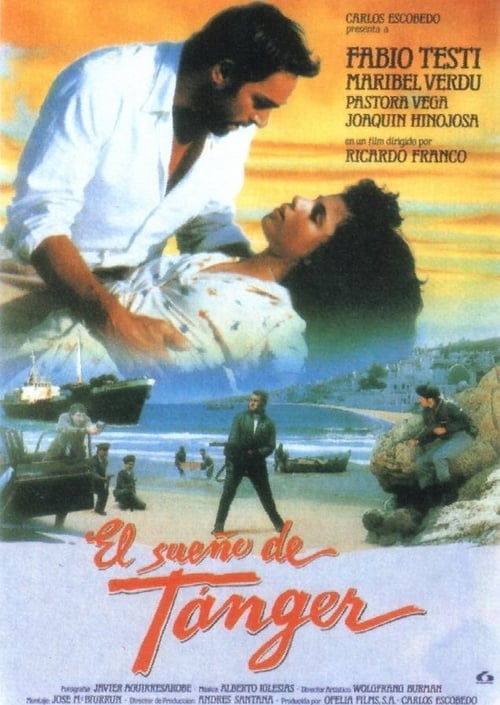
Three friends get involved with arms traffickers in Tangiers.

El sueño de Tánger

1991
Pillow Secrets
N/A

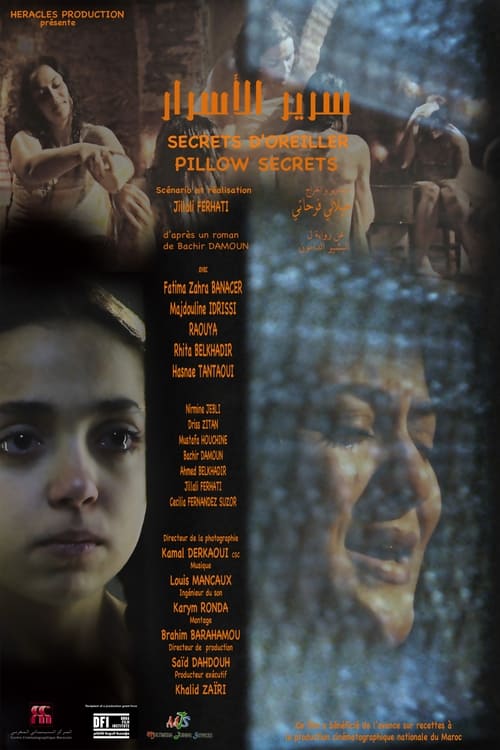
A young woman, who is in charge of an orphanage, is summoned by the police to help identify a corpse. On this day, she will witness a painful confrontation with a smalll town, its past, and the many characters who seem to be following her.

Pillow Secrets

2013
Memory in Detention
N/A

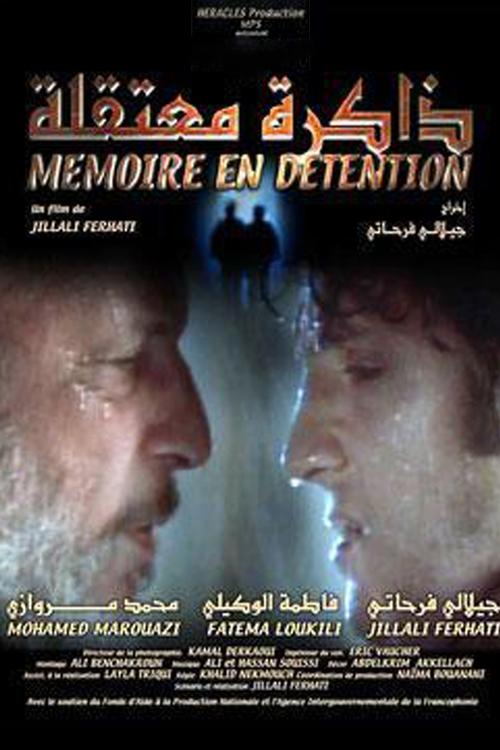
A young delinquent who has just come out of prison finds himself put to a difficult mission: to track a relative of an ex-detainee who lost his memory during the long years of his detention.

Memory in Detention

2004
Badis
8.0

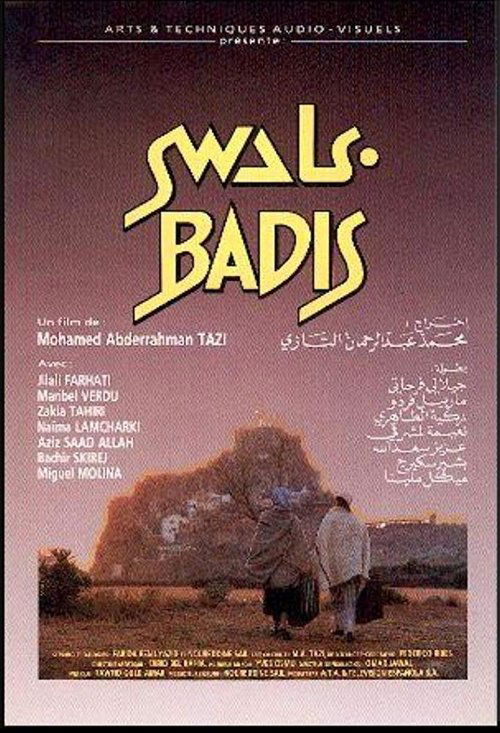
Story of two women in a small fishing village, a Spanish enclave on Moroccan territory. Touria is married to the school teacher, who suspects her of infidelity and confines her to the house. Touria befriends Moira and together they learn how to dance the flamenco.

Badis

1989
La grande villa
N/A

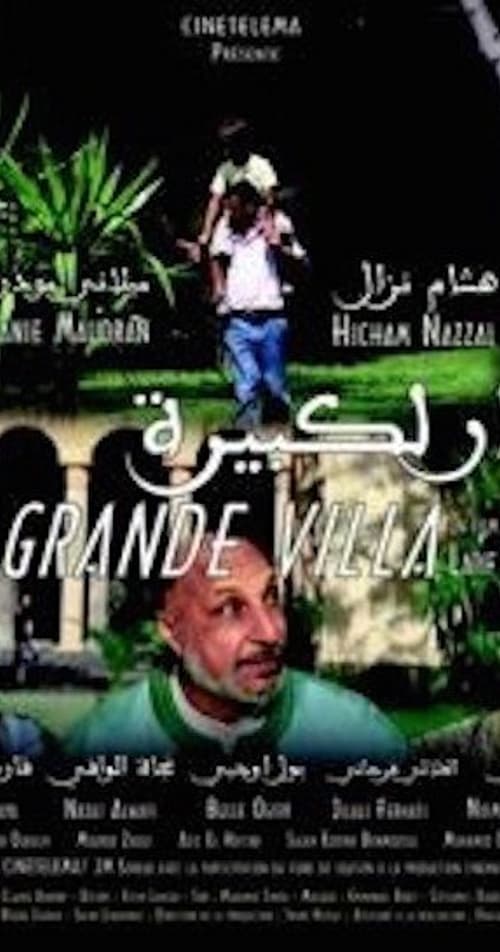
A Franco-Moroccan couple leaves France to settle in Morocco and faces the eyes of others. The large villa is a poignant drama that highlights cultural differences between France and Morocco and offers a beautiful lesson in tolerance.

La grande villa

2010
The Big Trip
5.5

A young man drives a truck loaded with dates from southern Morocco into Tangiers.

The Big Trip

1981
The Beach of Lost Children
10.0

Since Mina is sufficiently mentally impaired that her judgement is not all that it might be, in this Moroccan drama her actions are not questioned. She doesn't know what's happening when a taxi driver has sex with her, and she's equally clueless about how she accidentally killed him. However, she does recognize that having a dead body around is a liability, and she buries the taxi driver under a pile of sea salt. When it turns out that she's pregnant, her aged fisherman father and loving stepmother put her in hiding and the stepmother pretends to be the pregnant one, so that when the child is born she can claim it as her own.

The Beach of Lost Children

1991
A Breach in the Wall
7.0

Through the eyes of a deaf-mute, we discover the life of three marginalized residents of Tangiers. One is a tour guide, the second a writer and the third a bureaucrat. The friend of the latter is murdered in the hotel where she works; their universe is jostled.

A Breach in the Wall

1978
No image
N/A

The film focuses on an ill-matched group of individuals who meet up in Tangier, all nursing hopeless dreams of going to Europe: Mohamed to see a horse race, Ali to have an operation to restore his sight, Fatima to rejoin her mother. Mohamed enters a fantasy world, pretending to his wife that he is already in Paris, and steals to pay for his visa. Ferhati creates a suffocating world, reminiscent in some ways of the French poetic realism of the 1930s: the enigmatic blind man, rain-swept and darkened streets, characters prevented from achieving their dreams, the opportunity to escape always in view but always just out of reach.

Make-Believe Horses

1995
Red Dolls
8.0

In this study of the chauvanistic aspects of Moroccan culture, a young woman is forced to marry someone chosen for her (she has no say in the matter), and when he dies after leaving her with three children and his mother to care for, she is hard put to feed them and make ends meet. Her bleak existence is lightened for a moment by a sexual encounter with a stranger - and for that transgression, she will have to face the punishment meted out to women of loose morals. Although the story is set at the end of the 1950s, nothing at all has changed since then in village Morocco or in many other Arab societies, especially those where the fundamentalist movement has gained ascendency.

Red Dolls

1981
Braids
8.0

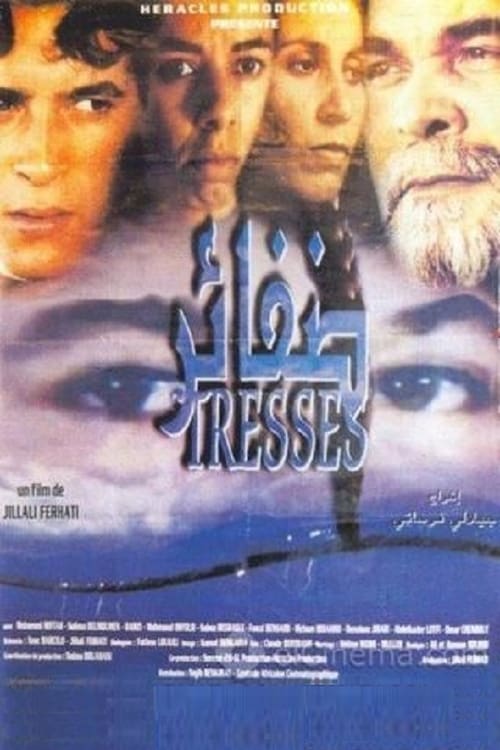
Amin is a teenage boy who lives with his two sisters, Kenza and Saida, in Tangier. Tragedy strikes when Saida is raped by the son of the man Kenza works for as a maid. The father threatens the girl not to press any charges against his son since he is running for elections.

Braids

2000