Acting
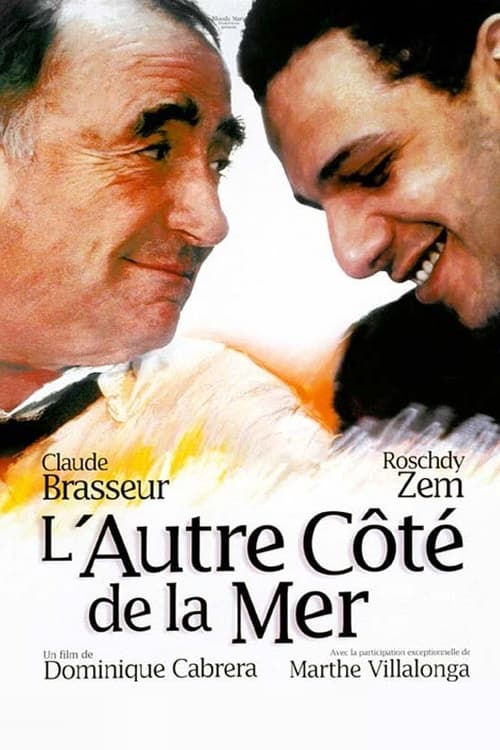
This film deals with the aftermath of the Algerian war of liberation. Georges Montero, an Algerian-born Frenchman, manages an olive canning factory in Oran. He travels to Paris for a cataract operation. Marinette, his sister, and Belka, his friend and a recent immigrant, want him to return to France permanently. Friction develops between the two friends as Georges is pressured to sell his factory. Friendship developed between Georges and his surgeon, who as a French Arab has severed ties with his culture and country of origin.
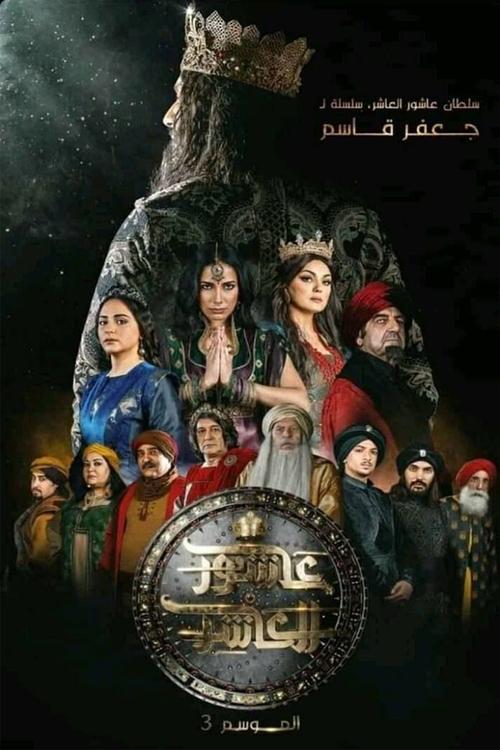
Sultan Achour 10 or Sultan Achour (in Arabic: السّلطان عاشور العاشر, As-Sulṭān ‘Āshūr al-‘Āshir) is an Algerian humorous television series in 66 episodes of 30 minutes, created by Djaffar Gacem and broadcast between June 18 2015 and May 9, 2021 on Echorouk TV then ENTV. The events of the series take place in a kingdom of Algeria, called "the Achourite kingdom", governed by Sultan Achour 10, and relate the daily adventures of the latter with his family, his people and the other kingdoms. The series is considered the largest Algerian comedy production, and was voted the most watched program in the country during the entire month of Ramadan 2015, 2017 and 2021.
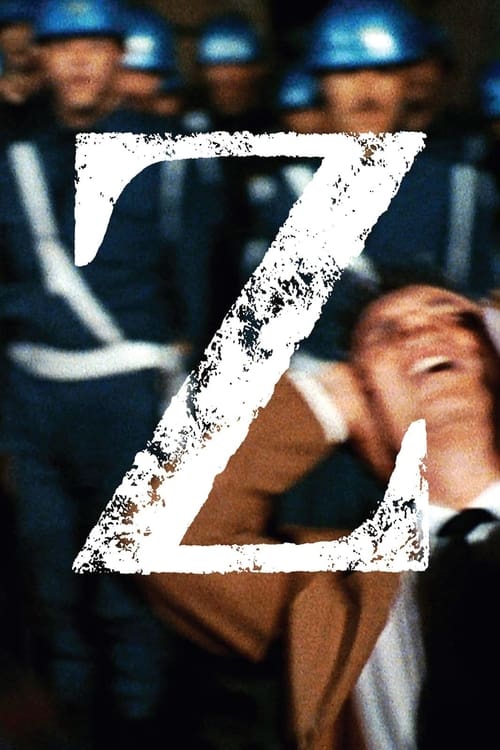
A prominent politician is murdered during a demonstration. The government and army are trying to suppress the truth, but a tenacious magistrate is determined not to let them get away with it.
Rabie is a kid from Sétif in 1980, trying to collect money to buy a wheelchair for his paralyzid sister Sassia, so she can get out of the house.
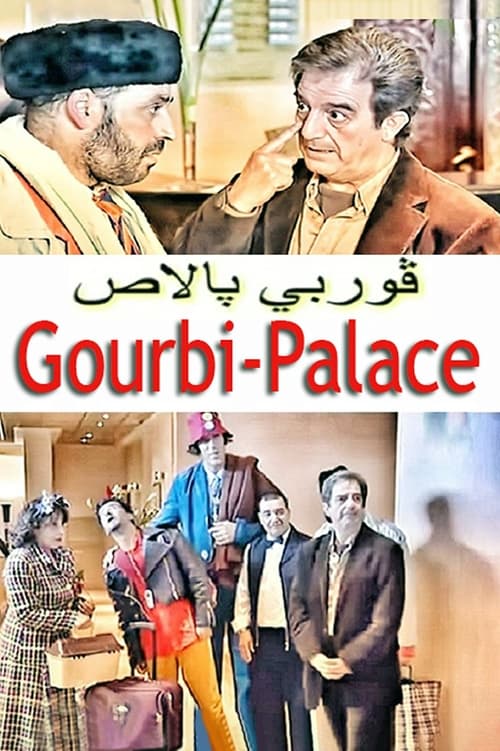
A poor man rescues a rich man from burglars. as a way for thanking him The rich guy invite him and his family to come and live in his luxurious hotel. The poor family's life turns upside down in their new home.
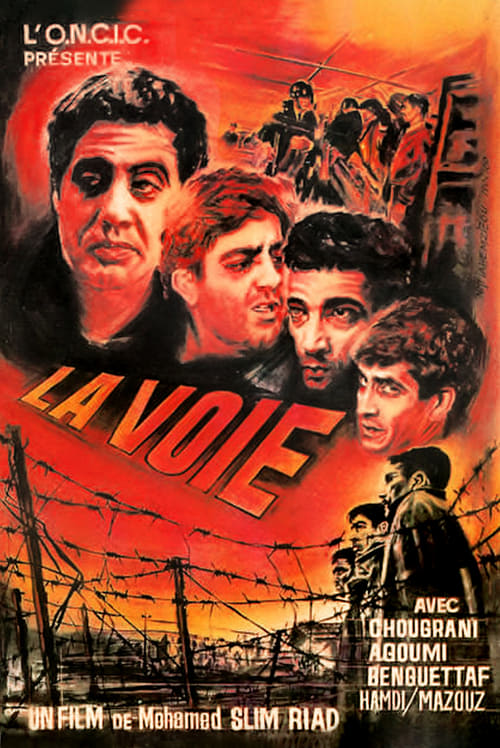
The Algerian War is seen through the eyes of a group of Algerian freedom-fighters who have been captured and incarcerated in French-run military prisons both in France and Algeria. In addition to attempts at escape, this prison drama also includes propaganda and brainwashing attempts by the French and scenes of torture. In what is possibly the most horrible torture of all, the inmates are forced to listen to broadcast speeches by General Charles de Gaulle -- speeches which illustrate the changing relations between the French and the Algerians.
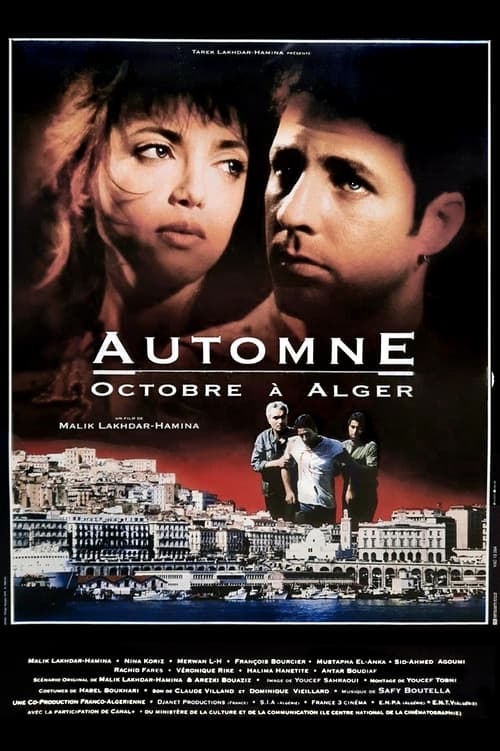
The story of a family in the instability and violence that shook Algeria during the riots of October 1988 in the midst of the rise of fundamentalism and intolerance, disappointments and prohibitions, corruption, nepotism and abuse of power. On October 5, 1988, young Algerians occupied the streets... Afterwards, Algeria would plunge into the chaos of the Black Decade which would last more than ten years and leave more than 150,000 dead.
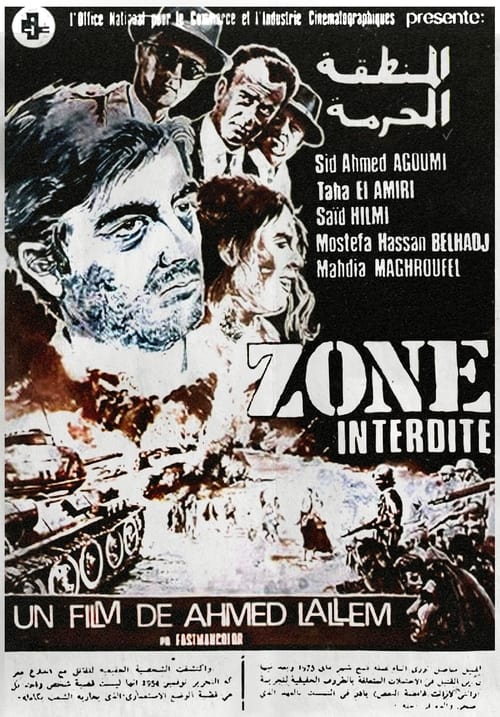
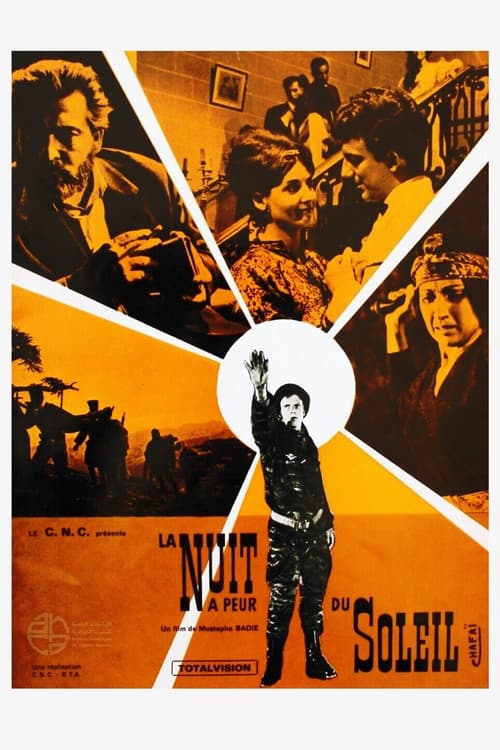
In an Algerian village, just before the war of independence, the inhabitants are under the thumb of a local strongman and a wealthy merchant. Among them is El Faïza, an old woman searching for her son who has escaped from prison. The gendarmes arrest El Faïza and seize the property of the villagers who haven't paid their taxes. The situation is ripe for a revolt…
This is not how the young Swiss couple imagined their desert trip: on their way to Timbuktu, they break down and are stranded in the Algerian desert of Tar. Oliver is more concerned with the broken truck than with Elena, so she explores the oasis alone. There she meets two women: a mysterious fortune teller and the young Aya. And then there is Saïd's small public telephone exchange, which connects Tar with the outside world. While Elena discovers a new world, Oliver wants to end the trip as soon as possible.
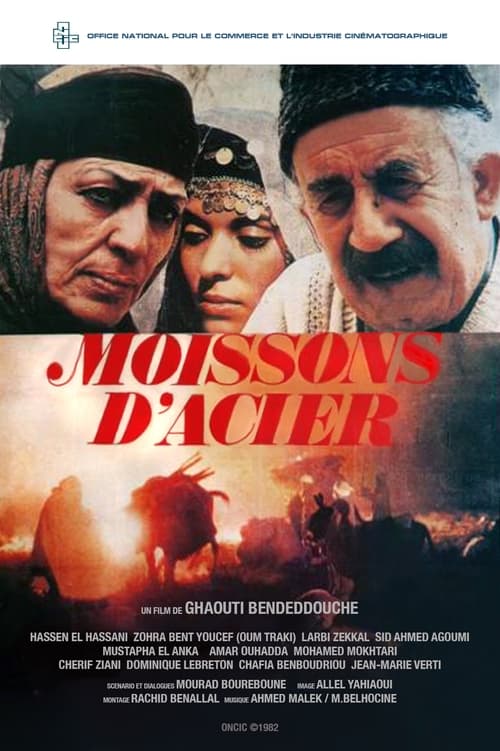
An Algerian peasant (fellah), crushed by the soldiers of the French colonial army, decides to resist. His young wife finds herself, despite herself, also enlisted in the Algerian resistance to flee the atrocities of harsh colonial persecution.
The story of the film revolves around the epic of Sheikh Bouamama, a leader of the national resistance in Algeria during the French colonial era. The events are taking place in southwestern Algeria. The film also tells about different stages of the resistance, especially about one of the uprisings of the Algerian people, namely "the battle of the sons of Sidi Sheikh Bouamama", in which French General Leuti was appointed to try to suppress and end this resistance.
Dino Fabrizzi is the number one seller of the Maserati dealership in Nice. At 42, he arrives at a turning point in his life, the position of director is openly proposed and his companion for a year, Helen, has the firm intention to marry her. For Dino, life is great, except that this perfect life was built on a lie. Dino is actually called Mourad Ben Saoud. Neither his boss nor Helen and even less his parents are aware of this false identity. In ten days begins Ramadan and Mourad who passes every year will this time assume the promise made to his sick father. Taking part in Ramadan, For Dino - the Italian - it will not be easy.
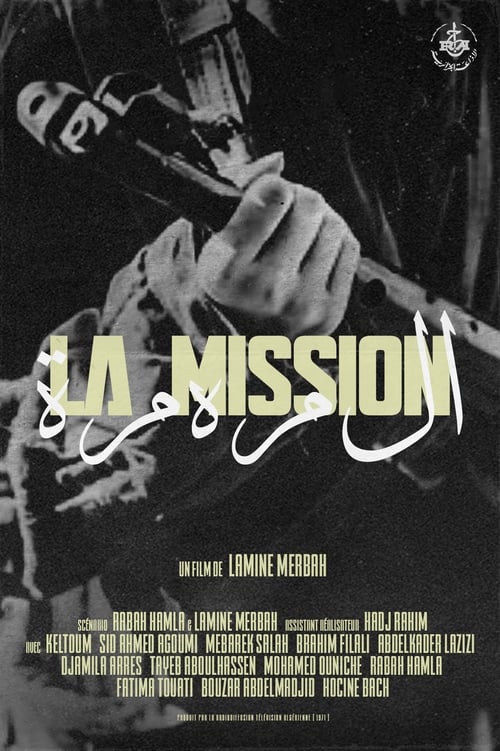
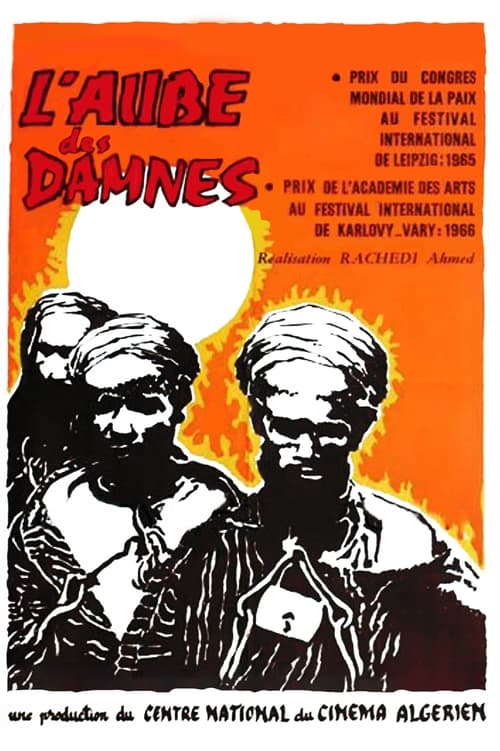
Historical film in four scenes which retrace the returns, the progress and the outcome of the war of liberation in Algeria. The first painting, “The land was thirsty” describes aspects of injustice and colonial oppression. The second “The Paths to the Prison” recounts the sufferings of the people engaged in combat. The last two are the stories of two lives.
In 1988, Johnny Leclerc, the son of a Norman mother and an Alsatian father, lives in a suburban housing estate with his friends. He behaves like a Muslim, observes Ramadan and wears a djelaba. He's even convinced that his name is Abdelbachir and that he was born in a small village in the bled. When his friend Yacine gets into trouble with a local kaid and decides to return to Algeria for the vacations, he smuggles himself into the Sabri family's luggage to fulfill his dream and finally get to know his "roots". As soon as he arrived on the Algerian coast, Johnny felt right at home. But Yacine is opposed to his father, who wants to arrange his marriage.
Years after Algeria gained independence, war continues to claim lives in Soulima, a border village surrounded by mines, whose victims are too numerous to count. Despite all these deaths, the inhabitants remain rooted in their ancestral land. Among them stands out the noble figure of Zohra, who seems to be the soul of the village...
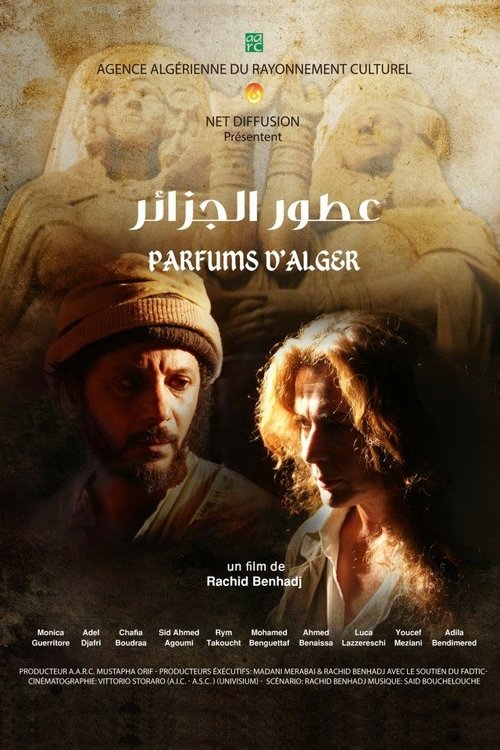
Karima, a famous photographer who has been living in Paris for several years, is forced to return to Algiers after receiving a call from her mother informing her that her tyrannical father's health is rapidly declining. This forced return reawakens the scars and ghosts of a repressed past, especially when she learns that her brother has joined an armed group.
In a house in the heart of the Casbah of Algiers, a family is torn apart by the weight of war. Three divided brothers, caught up in the contradictions of a country in struggle, gradually unite around a single cause: the liberation of Algeria. Ibna El Casbah is a tense, emotionally-charged behind-closed-doors story that captures the moment when intimacy becomes history.
This excellent feature-length documentary - the story of the imperialist colonization of Africa - is a film about death. Its most shocking sequences derive from the captured French film archives in Algeria containing - unbelievably - masses of French-shot documentary footage of their tortures, massacres and executions of Algerians. The real death of children, passers-by, resistance fighters, one after the other, becomes unbearable. Rather than be blatant propaganda, the film convinces entirely by its visual evidence, constituting an object lesson for revolutionary cinema.
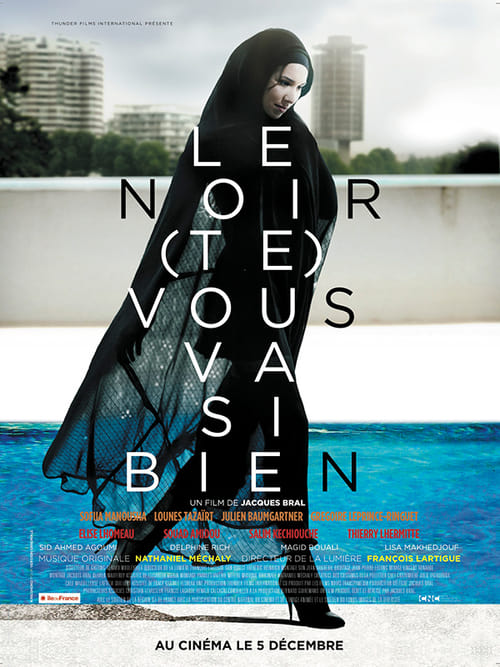
The life of a Middle-East family of immigrants in Europe. The father carries the heavy burden of banishment. To rescue his culture, his traditions, is mandatory, so he remains faithful to his past, his origins, to himself. His daughter is now a grown-up. He worries and wishes she would get married soon. The young woman leaves the family home every morning, but changes her clothes in a bar before she goes to work, her hair down. She puzzles the young boss of the company that employs her. He fell in love and is ready to do anything to marry her. But the young woman keeps her freedom of choice, just like her mother had done with her father. She won’t have time to introduce the only man for her to her parents. A friend of her father’s catches them. In a cafe.
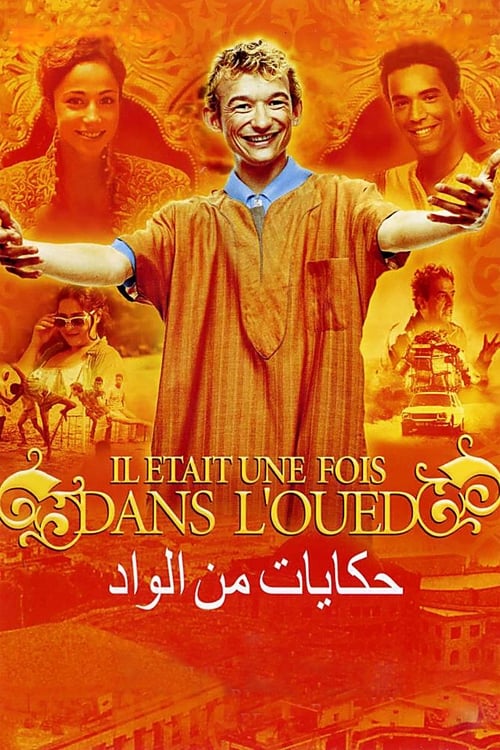
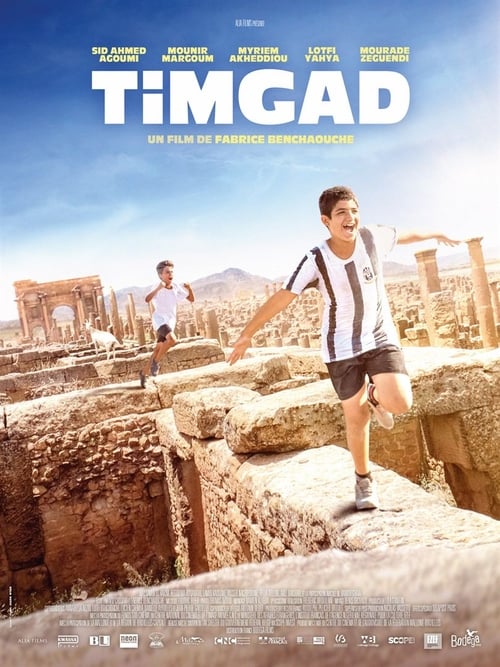
When he sets foot on Algerian soil, Jamel, a French archaeologist of Algerian origin, comes to excavate the magnificent Roman ruins of the village of Timgad. The past unfolds before him, and the present catches up with him when he is thrust into the role of coach of the local soccer team, "La Juventus de Timgad." Kids juggling a meager daily existence, with no jerseys or shoes, but dribbling with talent. Between ancient ruins and the scars of recent struggles, Jamel discovers on this field the tortuous roots and young shoots of an Algeria that dreams of reconciliation...and soccer championship.