
Phil Comeau
Directing
Known For
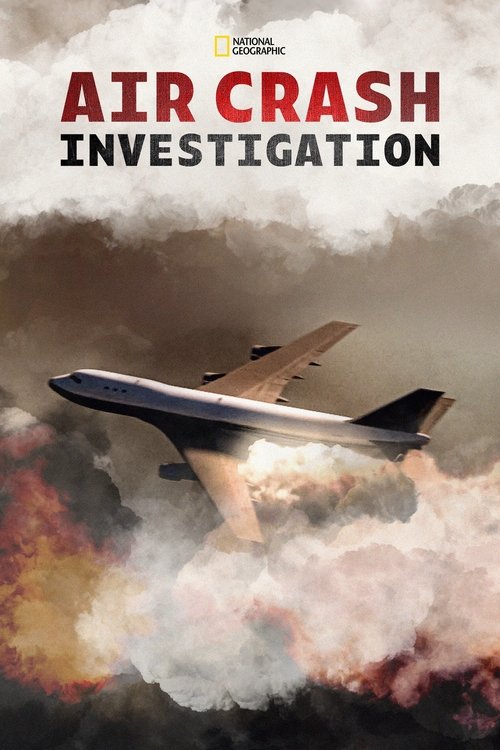
Major real-life air disasters are depicted in this series. Each episode features a detailed dramatized reconstruction of the incident based on cockpit voice recorders and air traffic control transcripts, as well as eyewitnesses recounts and interviews with aviation experts.
Mayday
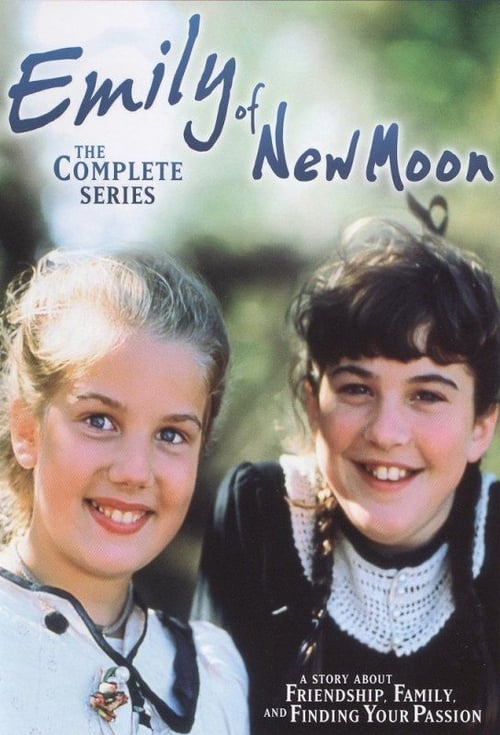
Emily of New Moon is a Canadian television series, which aired on CBC Television from 1998 to 2000. The series originally aired in the United States on the Cookie Jar Toons block on This TV and it is currently seen in Canada on the Viva, Bravo! and Vision TV cable channels. The series, produced by Salter Street Films, was based on the Emily of New Moon series of novels by Lucy Maud Montgomery. The series consisted of three seasons of thirteen episodes and one season of seven episodes, for a total of forty-six. The executive producers were Micheline Charest, Michael Donovan, and Ronald Weinberg. The series starred Martha MacIsaac as the titular orphan Emily Starr. Susan Clark and Sheila McCarthy played Emily's aunts Elizabeth and Laura, who had taken on the responsibility of raising Emily following her father's death, and Stephen McHattie played her cousin Jimmy. Susan Clark left the series after the first season when her character, Elizabeth, was killed off. Recurring cast included Chip Ciupka as Mr. Carpenter, Peter Donaldson as Ian Bowles, Richard Donat as Dr. Burnley, Kris Lemche as Perry Miller, John Neville as Uncle Malcolm, Jessica Pellerin as Ilse Burnley, Shawn Roberts as Teddy Kent, and Linda Thorson as Cousin Isabel.
Emily of New Moon
A documentary series hosted by John Rhys-Davies based on the articles published in the magazine "Archaeology".
Archaeology
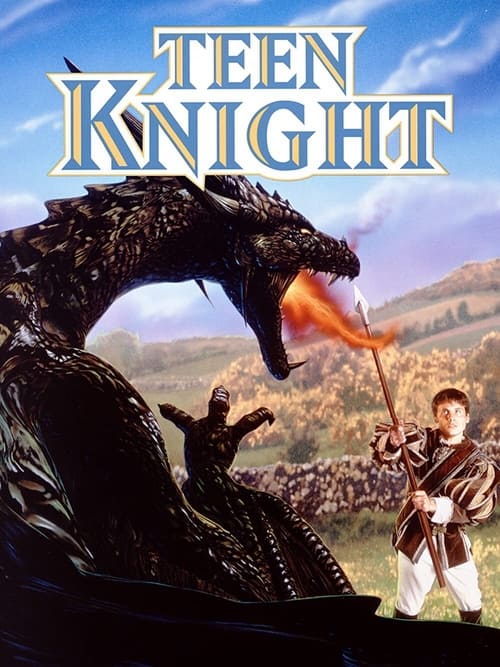
A young teenager wins a contest for a "Medieval Adventure" from a soda company. The winners, plus a film crew from the soda company arrive at the castle for the adventure. During the night, a spell cast over 600 years prior brings the castle and all the people in it back to 1383. The evil Lord Raykin plans on retrying to take the castle. It is up to the group to stop him, and thereby return to the 20th century. They enlist the help of the former court magician, Percival, to help them.
Teen Knight
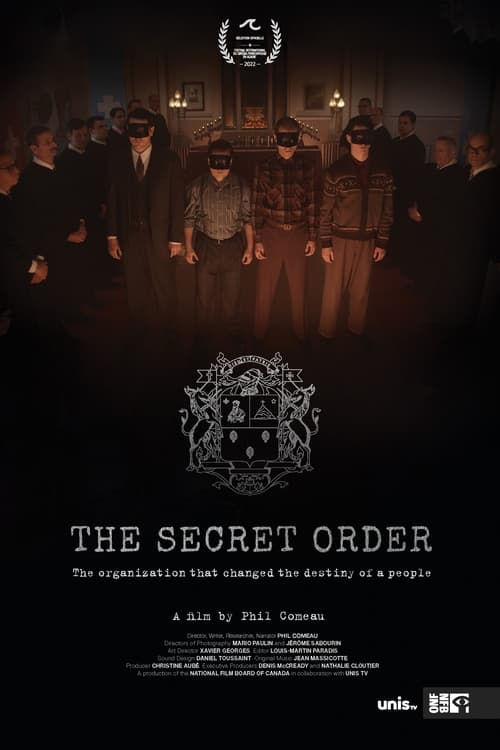
Phil Comeau shines a spotlight on the Ordre de Jacques-Cartier, a powerful secret society that operated from 1926 to 1965, infiltrating every sector of Canadian society and forging the fate of French-language communities. Through never-before-heard testimony from former members of the Order, along with historically accurate dramatic reconstructions, this film paints a gripping portrait of the social and political struggles of Canadian francophone-minority communities.
The Secret Order
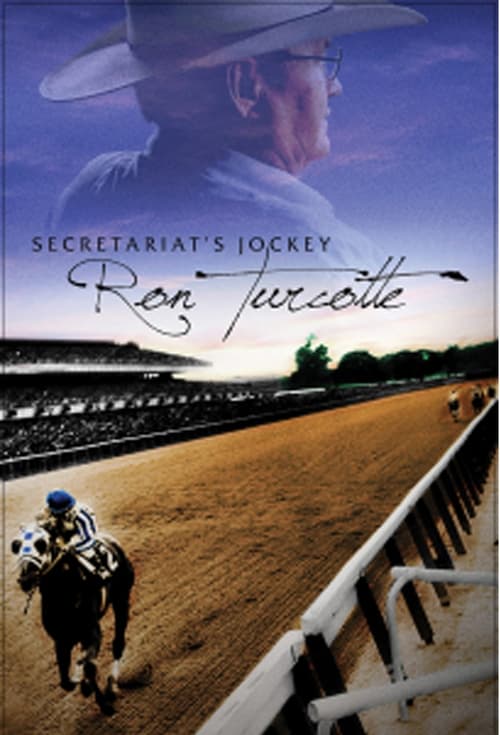
Produced by the National Film Board of Canada, this heartfelt documentary follows Hall of Fame jockey Ron Turcotte as he returns to the people and places that mark his life, providing a rare behind-the-scenes glimpse of this resilient and legendary jockey. Few jockeys have won America's Triple Crown of Thoroughbred Racing. Only three have won in the last 65 years. Ron Turcotte is one of them. In 1973, this legendary rider from New Brunswick, Canada piloted Secretariat, the greatest racehorse of all time, to victory and acclaim in the sport's three most prestigious races. But a fall in 1978 left Turcotte a paraplegic and put an end to an illustrious 16-year career.
Secretariat's Jockey, Ron Turcotte
No description available.
Vague d'acadie
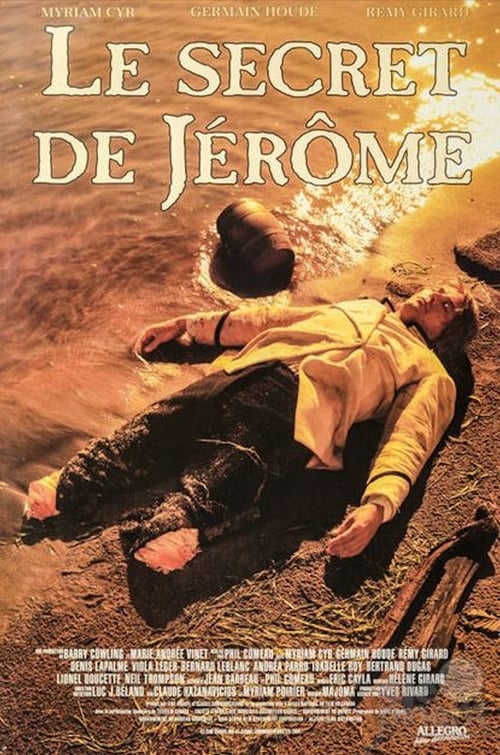
In 1863, when a legless, shipwrecked man washes up on the Acadian coast, he's taken to the home of Jean the Corsican, a burly and bitter former soldier, and his childless young wife, Julitte. The man, who is young, handsome, and well-dressed, remains mute as Julitte nurses him back to health. Jean, meanwhile, who is inexplicably estranged from Julitte and an outsider to townspeople, continues his hunt for pirate treasure, rumored to be hidden in a cave by the sea. The treasure is his ticket out of Acadia. As loneliness and Eros draw Julitte and the mysterious Jérôme together, something's got to give.
Jerome's Secret
Freely inspired by the life of the great Polish composer Frédéric Chopin, and more specifically by his romantic liaison with the celebrated French novelist George Sand, the film is structured around two mature works by the musician and writer: Sonata for Piano and Cello by Chopin and 'Story of My Life' by George Sand. The composer’s music is brought to life on screen through a choreographic staging where actors and dancers, who are seen alternately by themselves or in the company of musicians, attempt to recreate, within a symbolic decor, the universe inhabited by the two lovers.
Frédéric and George
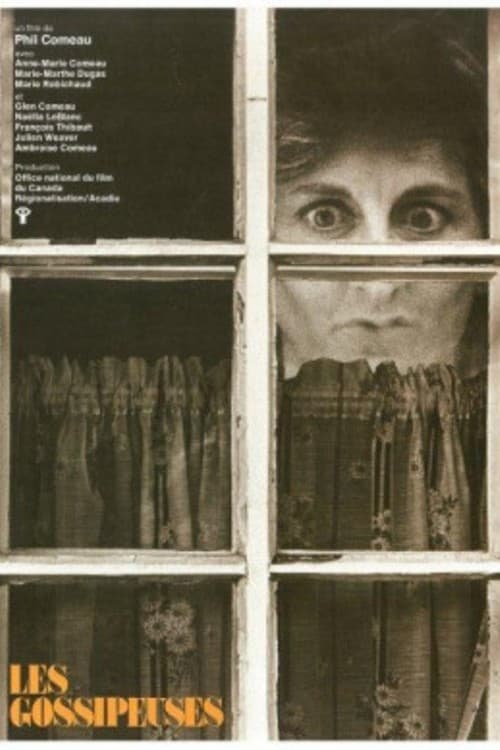
This feature fiction film describes Acadia from a new and humorous angle. In a small village in the Acadian region of Nova Scotia, a couple living out of wedlock and a broad-minded priest scandalize the village gossips. They suspect that a treacherous act is about to be committed. Suspense builds, stoked by the clacking tongues of a trio of suspicious housewives.
The Gossips
No description available.
La cabane
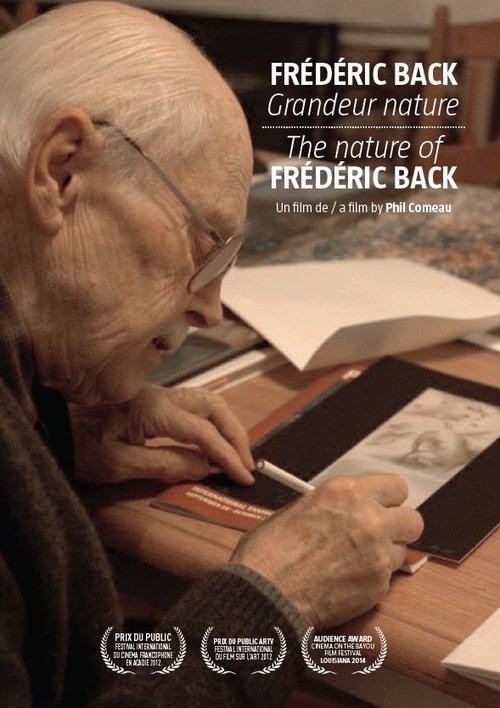
The Nature of Frédéric Back draws a masterful portrait of an exceptional man. A visual artist and animation filmmaker, he has produced an immense body of work that imparts an essential message. With their luminous poetry, their freshness and emotion, his films are both universal and timeless.
The Nature of Frédéric Back
The inhabitants of Belle-Ile-en-Mer, descendants of the Acadians deported by the British, welcome Acadians from Canada and the USA. This film is a love letter to the solidarity of a scattered people who are still proud of their Acadian roots.
Belle-Île-en-Mer, a Breton and Acadian Island
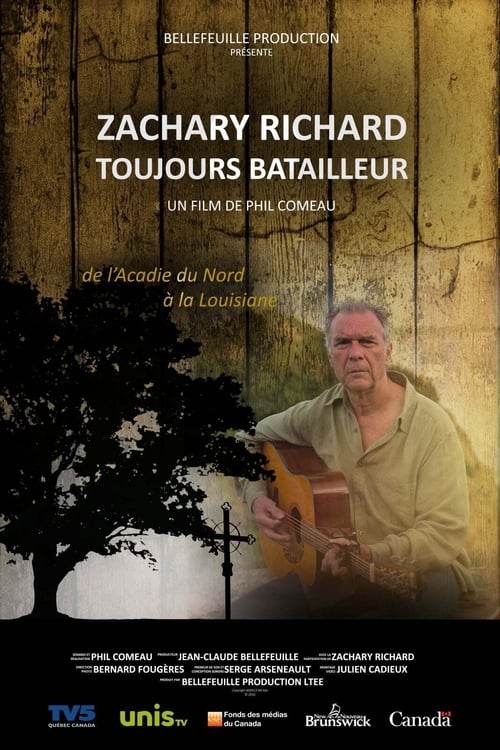
Zachary Richard takes a voyage to l'Acadie and Louisiana to learn about his ancestors and the history of the Acadian people.