
Teresa Salgueiro
Acting
Known For

No description available.
Conversando con Cristina Pacheco
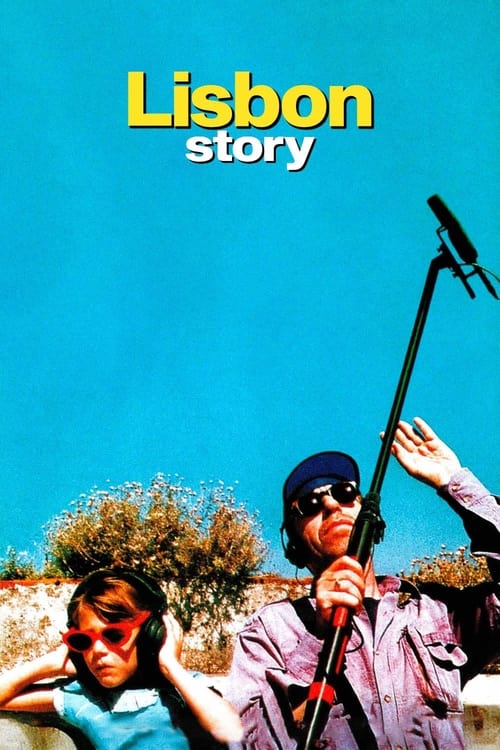
Wim Wenders' homage to Lisbon and films. A sound engineer obtains a mysterious postcard from a friend who at the moment is filming a film in Lisbon. He sets out across Europe to find him and help him.
Lisbon Story
Fernanda, António and Quim are travelling by train to a provincial Portuguese industrial city. Fernanda, a teacher, agrees to replace a pregnant colleague. António is returning to the home he was forced to flee long ago, accused of setting fire to the Duarte’s factory. At the station he bumps into Mariana who is in love of him. António is not welcome and is violently attacked by a group connected to Duarte ...
Rosa Negra
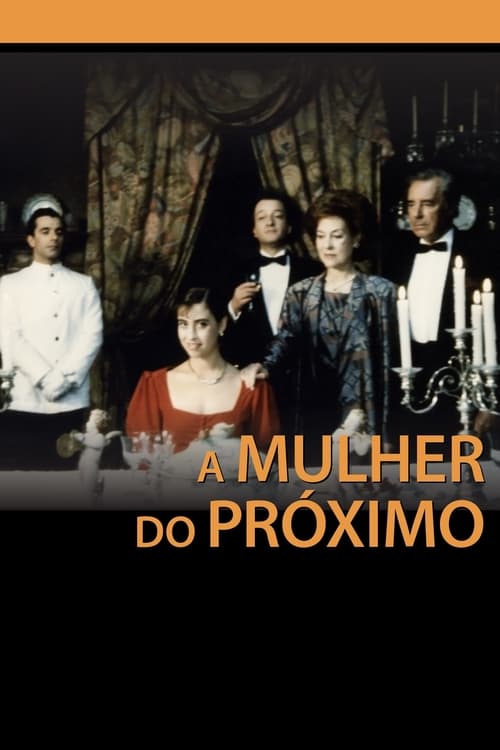
Two lovers meet again in strange circumstances, when she is a recent widow not particularly grieving, and he is a divorcée mourning his daughter. They reunite, only to break again - this time for good.
Your Neighbour's Wife
A bizarre and tragic ballad of an impossible love between a nameless topographer and Leonor in a swamp soon to be destroyed by the forces of Man. She (Teresa Salgueiro, ethereal voice of Madredeus) is the “swamp-flower”, protégée of a Socratic Director (and his goat Plato). In a world without women, she is kept safe from the temptations of the flesh by her strict and grotesque Aunt. The sound-track entirely played by the workers (fado and bossa nova singers) reveals parallel narratives of suspicion and conspiracy that unfold to the pace of the unconscious leading to a confrontation between Man and River. Inspired by a hypnotic story by Branquinho da Fonseca (1905-1974).
Rio Turvo

Documentary about the Portuguese language, and people who speak it around the world.
Língua - Vidas em Português
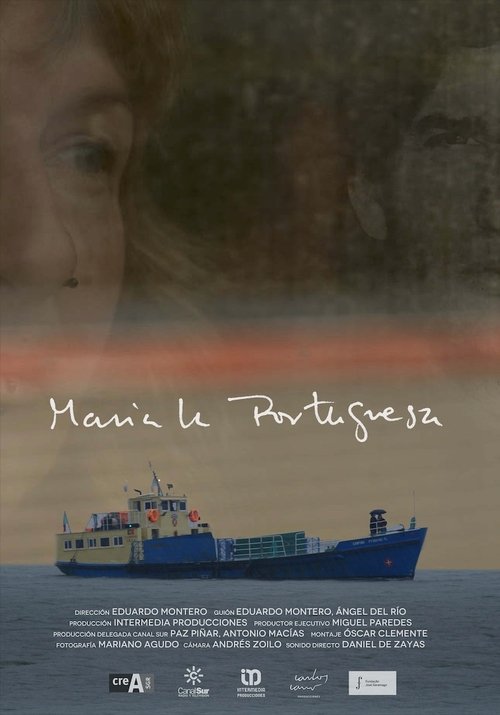
Amaranta Cano, daughter of Carlos Cano, reconstructs, in a journey connecting Andalusia with Portugal, the events that took place on the eve of Three Kings Day in 1985: a murder, a mysterious woman, and a setting marked by the border culture between Ayamonte and Vila-Real de Santo António, with smuggling as a backdrop. The documentary not only delves into the historical and social context of the song, but also pays tribute to Portuguese fado, a musical genre that deeply fascinated Carlos Cano, as well as its most emblematic author, Amália Rodrigues. Throughout the narrative, Amaranta talks to key witnesses of the event and prominent artists such as Teresa Salgueiro, Antonio Chainho, Rozalén, Raúl Rodríguez, and Martirio, who perform their own versions of the legendary song.