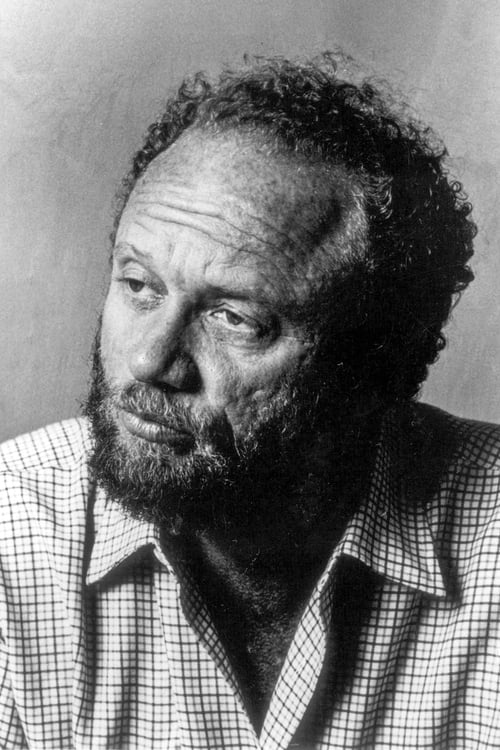
Leon Hirszman
Directing
Biography
Leon Hirszman (Rio de Janeiro, November 22, 1937 — Rio de Janeiro, September 15, 1987) was a Brazilian filmmaker and one of the main exponents of the movement known as Cinema Novo. A member of the Brazilian Communist Party (PCB), his work is marked by the influence of central Marxist theses in political debates in Latin America and by the politicized representation of the working class.
Known For

A deep investigation, in the way of a poetic essay, on one of the main Latin American movements in cinema, analyzed via the thoughts of its main authors, who invented, in the early 1960s, a new way of making movies in Brazil, with a political attitude, always near to people's problems, that combined art and revolution.
Cinema Novo

Chronicles the life of a 17 year-old girl living in the upper-class Rio de Janeiro neighbourhood of Ipanema. Márcia lives a life of parties and spend her days among bohemians, musicians and intellectuals. While seeming happy in the outside, she's extremely anguished inside. Based on the famous song by Antonio Carlos Jobim and Vinicius de Moraes.
The Girl from Ipanema
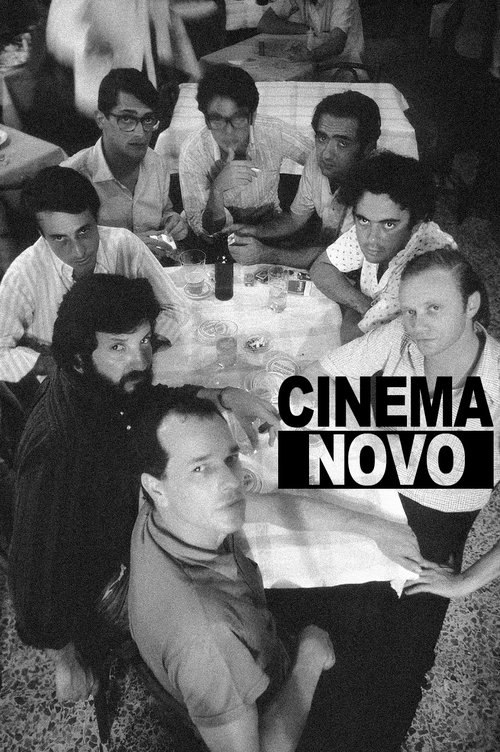
Originally produced for German TV, Improvised and Purposeful is a firsthand look at the "Cinema Novo" movement (otherwise known as the 'Brazilian New Wave'). Director Joaquim Pedro de Andrade focuses on six Cinema Novo filmmakers working in Rio in 1967.
Improvised and Purposeful: Cinema Novo
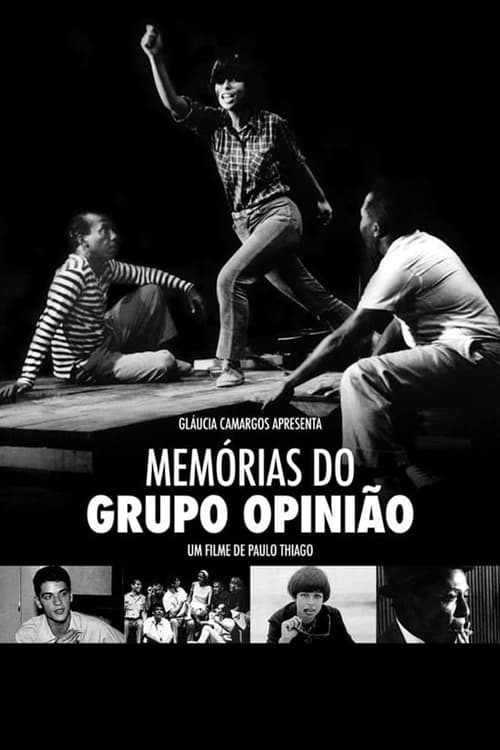
Follows the story of Opinião, a theatre group created in 1964 during the early Brazilian dictatorship period to oppose the government through artistic performances. Considered the first left-wing response to the dictatorship, the group gathered now famous Brazilian artists such as Nara Leão, Maria Bethânia, João do Vale and Millôr Fernandes.
Memórias do Grupo Opinião
After visiting a fortune teller, Zulmira is informed that a blonde woman will threaten her peace. After talking to her husband Toninho, she suspects that her cousin Glorinha may be that blonde.
The Deceased

Otavio is an idealistic union leader trying to organize workers at a factory to resist the company's exploitative practices. His son, Tião, one of the employees, is more of a realist and doesn't want to risk losing his job by striking. This clash of perspectives puts the father and son at odds. Fortunately, Tião's mother, Romana, is on hand to act as a moderator between the two opinionated men.
They Don't Wear Black Tie
Didactic documentary on the History of Brazil
Which Country is this?
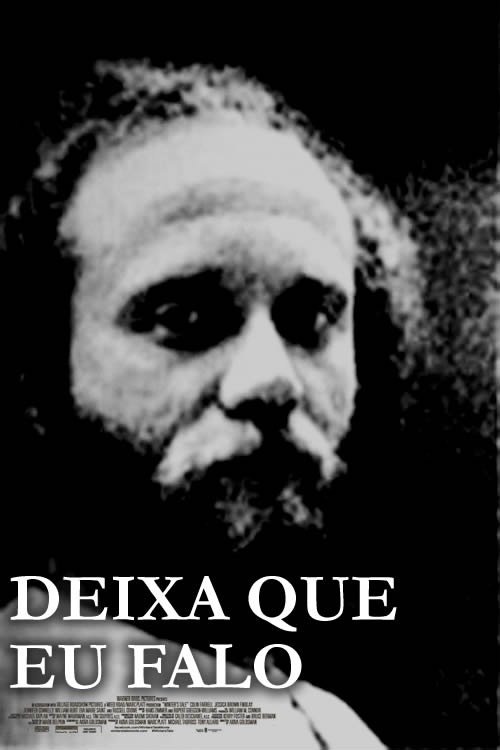
The documentary presents the biography of filmmaker Leon Hirszman, director of Cinema Novo, who made 11 short films and five feature films between 1962 and 1986. A review of the trajectory of Leon Hirszman through his work and archive images.
Let Me Tell You
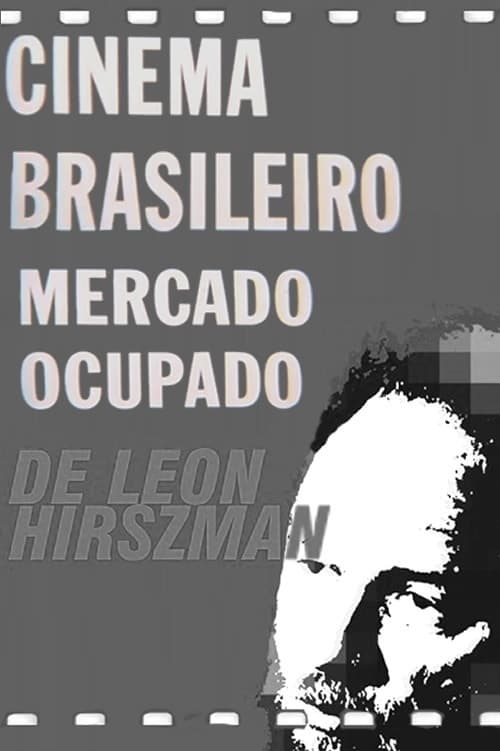
Documentary by Leon Hirszman about the economic conditions of film production in Brazil, produced in 1975 with sponsorship from Embrafilme and kept unreleased since then.
Cinema Brasileiro, Mercado Ocupado
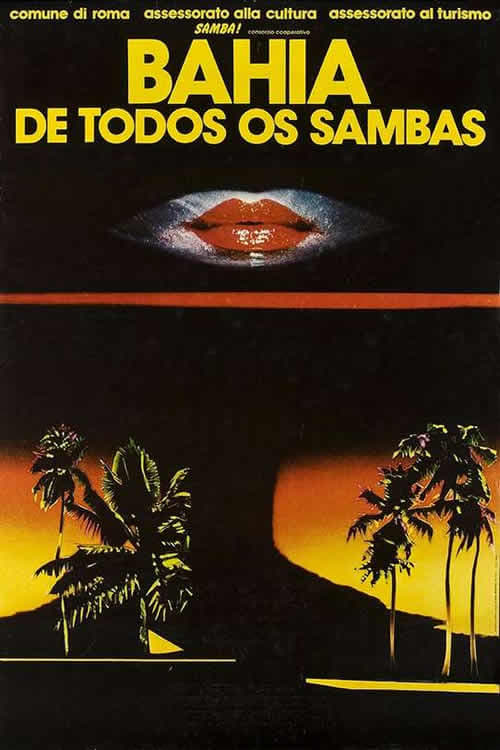
Between August 23 and 31, 1983, at the "Circo Massimo", in Rome, there was a musical event that brought together artists from Bahia. This film brings a recording of the event, also featuring backstage, rehearsals, testimonies and some relaxing moments of these great names in Bahia's music.
Bahia de Todos os Sambas
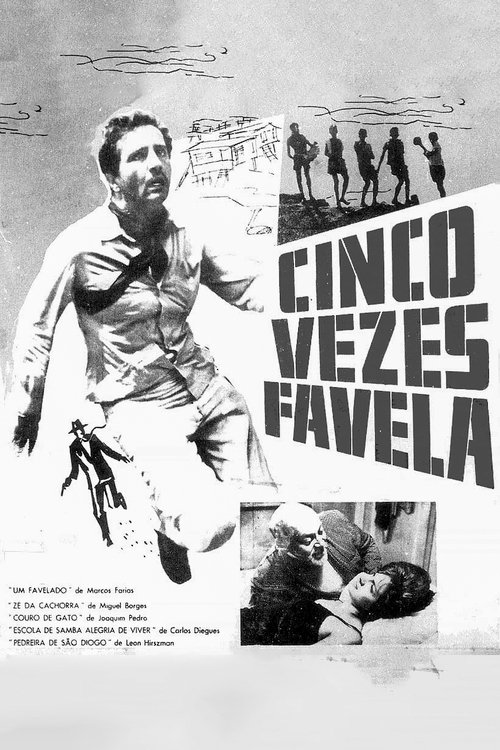
Five segments about the hardships faced by people living in slums on hills in Rio de Janeiro.
Five Times Favela
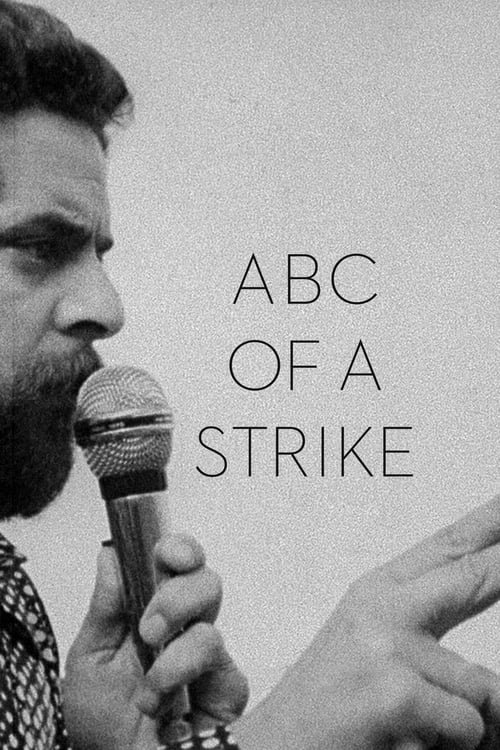
ABC of a Strike captures the 1979 metal workers strikes outside of São Paulo. The footage sat untouched until after the death of highly-regarded director Leon Hirszman in 1987, by which time the material had a new relevance. The gripping film captures the negotiations between the labor unions and the factory bosses and shows the birth of the region’s Worker’s Party, as well as the emergence of its charismatic leader, Luiz Inácio Lula da Silva. Rising from extreme poverty, Lula gained national prominence as a union activist during the late 70s and early 80s. After being jailed during his time as a union leader, he eventually becomes Brazil’s president from 2003 to 2010.
ABC of a Strike
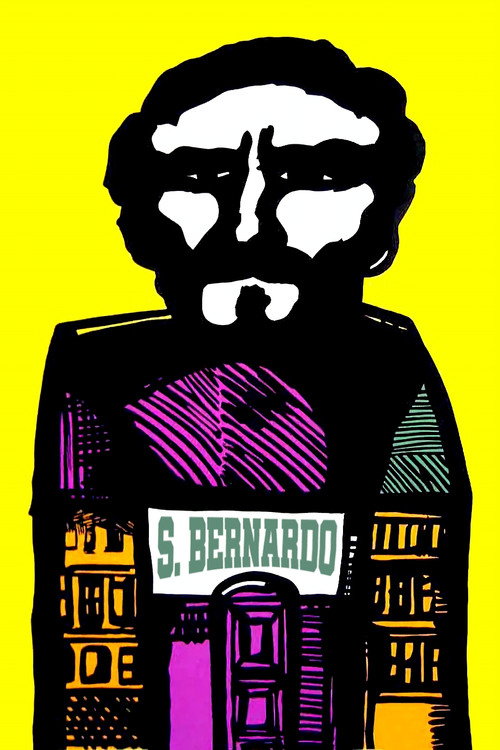
The story of Paulo Honório, a poor ploughman who becomes a rich farmer. Obsessed by his desire to get even richer, he doesn't pay much attention to his wife, Madalena, a teacher who reacts against his tyrannical ways.
Saint Bernard

Documentary about the history of Jornal do Brasil, founded on April 14, 1891. In 1965, the Jornal do Brasil marked its innovative and active position, as recorded in the documentary "A Seventv-Four- Year-Old Fellow" by the filmmaker Nelson Pereira dos Santos, and the story itself was in charge of confirming. In the following years, the newspaper would witness the most remarkable events of the second half of the twentieth century in Brazil and in the world. It would applaud the democratic struggles and independence of peoples, support social demonstrations against oppression and justice at all levels. Tirelessly, he did not hesitate to report the truth of the facts, regardless of the circumstances in which they presented themselves.
A Seventy-Four Year-Old Fellow
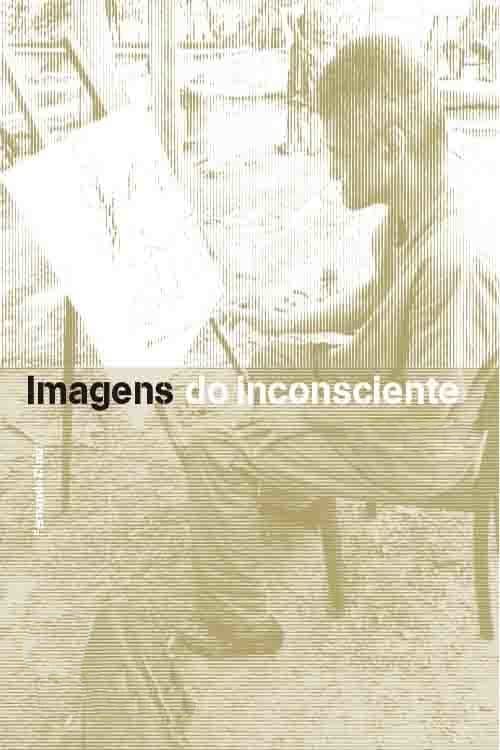
In hopes of unraveling the causes and cure for various forms of insanity, a psychiatrist in Brazil created the Museum of Images from the Unconscious in 1952. It gathered paintings and drawings made by mental patients from all over Brazil. Many of the works in the museum are paired with the case-histories of the patients who created them in this fascinating film.
Images of the Unconscious
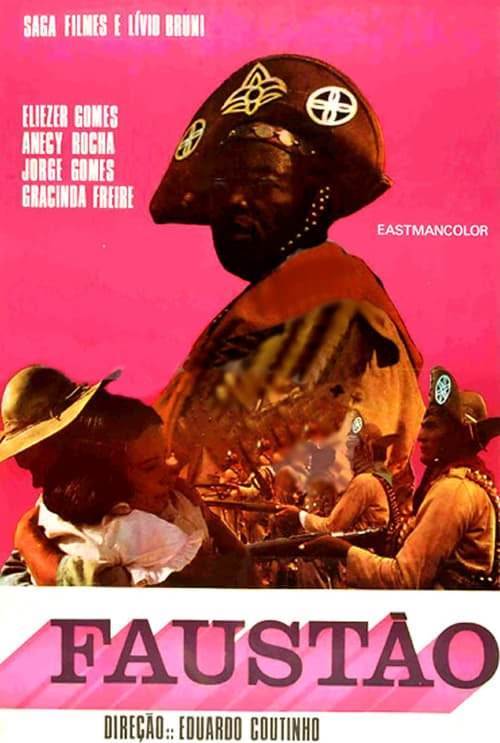
A gang of bandits led by Faustão intervene in a fight between two members of rival families, the Pereiras and the Araújos. Henrique Pereira, son of Colonel Pereira, is wounded in an ambush. Faustão rescues him and demands the father to pay a ransom in exchange for the life of his son. The bandit makes it clear to Henrique that he is not a prisoner and that he is only obeying the law of the backlands. Lucena, a henchman working for the Araújos, finds Faustão and offers twice the amount being asked to the colonel in order to take Henrique as a prisoner, but the bandit refuses the offer. Colonel Henrique pays the ransom, but the son refuses to return home, even being aware of the feud between his family and the Araújos. The young man chooses to join the gang.
Faustão

A rescue of the history of Ipanema beach in the 1970s, when the construction of a pier changed the landscape and created fertile soil for a generation of artists and sportsmen.
Dunas do Barato
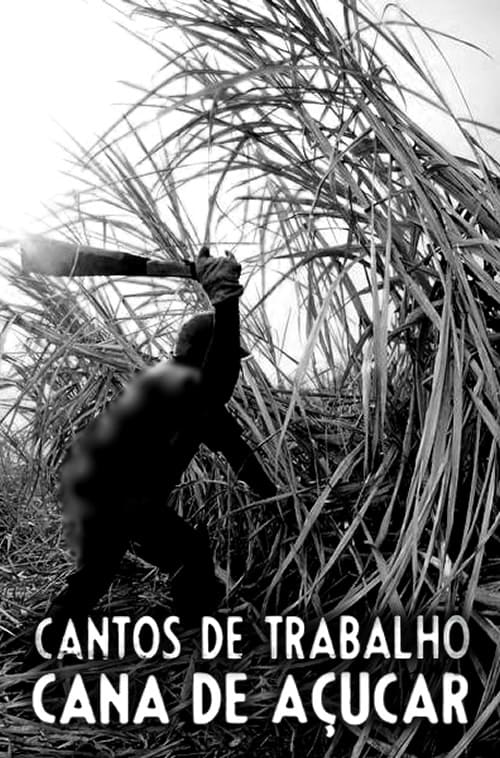
Between 1974 and 1976, while researching for his filme "S. Bernardo", Leon Hirszman shot three documentary shorts produced by the Brazilian Ministry of Education on the chores of the men who worked in the sugar cane fields in the town of Feira de Santana, in the cocoa fields of Itabuna, and in the efforts of building households in Chã Preta.
Cantos de Trabalho - Cana de Açúcar

The documentary depicts the everyday of illiterate rural workers in Northeast Brazil, living under extreme misery. Although incapable of writing, they are aware of their condition and qualified to proposing solutions they hope for to their problems.
Absolute Majority
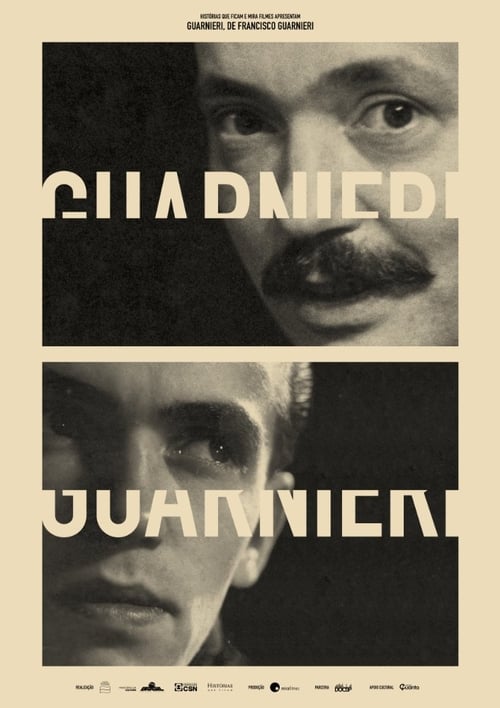
Develops from the life, work and memory of Gianfrancesco Guarnieri, one of the most important names in the history of Brazilian theater, to examine the courses of dramaturgy and politics in the last decades. Guarnieri, besides being a TV star, was also seen as the synthesis of the politically engaged artist in Brazil. His sons, also actors, saw a separation between art, work, and politics. As he investigates the portraits of two generations, grandson and director Francisco aims to understand the place of his own generation in history, in art and the world as a whole.