Italo Calvino
Writing
Biography
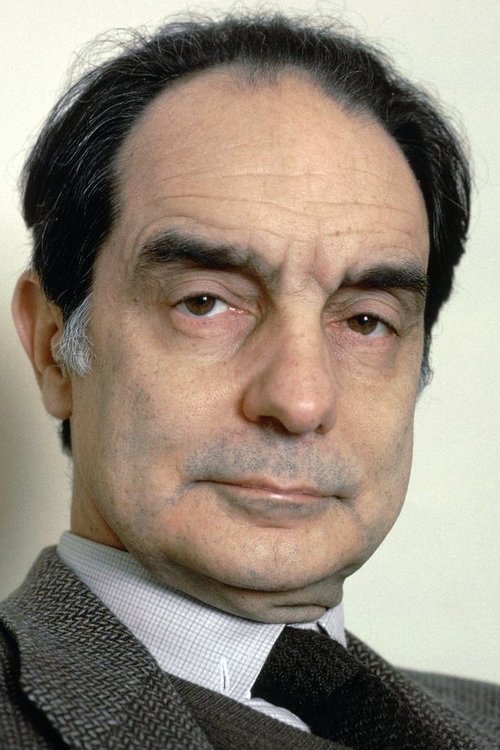
Italo Calvino (15 October 1923 – 19 September 1985) was an Italian writer and journalist. His best known works include the Our Ancestors trilogy (1952–1959), the Cosmicomics collection of short stories (1965), and the novels Invisible Cities (1972) and If on a winter's night a traveler (1979). Admired in Britain, Australia and the United States, Calvino was the most translated contemporary Italian writer at the time of his death. He is buried in the garden cemetery of Castiglione della Pescaia in Tuscany. Italo Calvino was born in Santiago de las Vegas, a suburb of Havana, Cuba, in 1923. His father, Mario, was a tropical agronomist and botanist who also taught agriculture and floriculture. Born 47 years earlier in Sanremo, Italy, Mario Calvino had emigrated to Mexico in 1909 where he took up an important position with the Ministry of Agriculture. In an autobiographical essay, Italo Calvino explained that his father "had been in his youth an anarchist, a follower of Kropotkin and then a Socialist Reformist". In 1917, Mario left for Cuba to conduct scientific experiments, after living through the Mexican Revolution. Calvino's mother, Giuliana Luigia Evelina "Eva" Mameli, was a botanist and university professor. A native of Sassari in Sardinia and 11 years younger than her husband, she married while still a junior lecturer at Pavia University. Born into a secular family, Eva was a pacifist educated in the "religion of civic duty and science". Eva gave Calvino his unusual first name to remind him of his Italian heritage, although since he wound up growing up in Italy after all, Calvino thought his name sounded "belligerently nationalist". Calvino described his parents as being "very different in personality from one another", suggesting perhaps deeper tensions behind a comfortable, albeit strict, middle-class upbringing devoid of conflict. As an adolescent, he found it hard relating to poverty and the working-class, and was "ill at ease" with his parents' openness to the labourers who filed into his father's study on Saturdays to receive their weekly paycheck. In 1925, less than two years after Calvino's birth, the family returned to Italy and settled permanently in Sanremo on the Ligurian coast. Calvino's brother Floriano, who became a distinguished geologist, was born in 1927. ... Source: Article "Italo Calvino" from Wikipedia in English, licensed under CC-BY-SA 3.0.
Known For

Apostrophes was a live, weekly, literary, prime-time, talk show on French television created and hosted by Bernard Pivot. It ran for fifteen years (724 episodes) from January 10, 1975, to June 22, 1990, and was one of the most watched shows on French television (around 6 million regular viewers). It was broadcast on Friday nights on the channel France 2 (which was called "Antenne 2" from 1975 to 1992). The hourlong show was devoted to books, authors and literature. The format varied between one-on-one interviews with a single author and open discussions between four or five authors.
Apostrophes

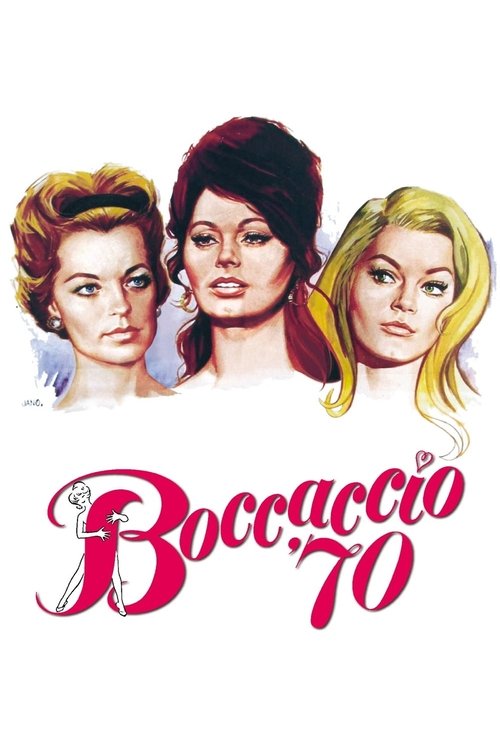
An anthology of four comic moral tales about the hypocrisies surrounding sex in 1960s Italy: frothy young love and office politics in the big city; milk advertisements that begin to haunt an aging prude; a trophy wife enduring her husband's very public affairs; a lucky ticket-holder at a small town fair.
Boccaccio '70

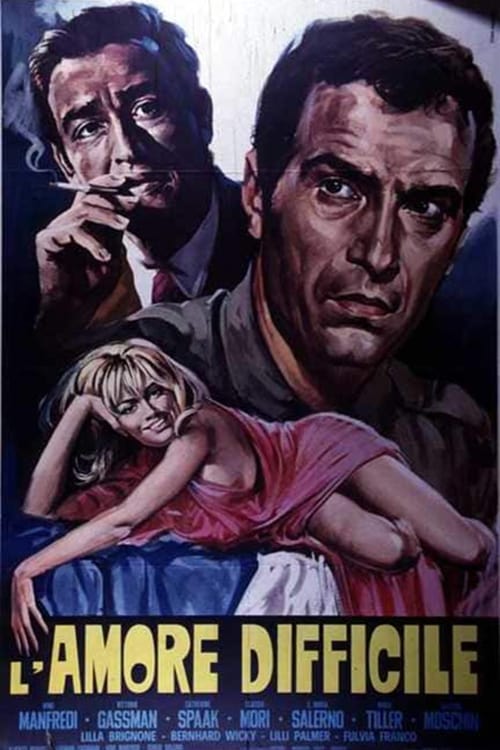
A journalist could marry the daughter of a tycoon, but prefers a relationship with a married woman. An attorney renounces her lover by greed. A soldier tries to approach a widow on a train. A German couple looking for adventure mistakingly aim for the wrong target, yet find love.
Sex Can Be Difficult

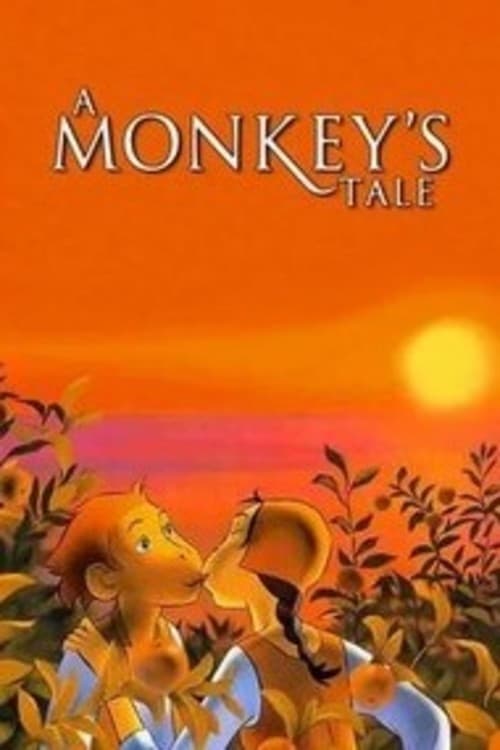
Kom is from a tribe of monkeys who live in a canopy. He rejects elders' authority as well as the superstition that the lower world would be inhabited by demons. But he accidentally falls from the trees…
A Monkey's Tale

A look at Fellini's creative process. In extensive interviews, Fellini talks a bit about his background and then discusses how he works and how he creates. Several actors, a producer, a writer, and a production manager talk about working with Fellini. Archive footage of Fellini and others on the set plus clips from his films provide commentary and illustration for the points interviewees make. Fellini is fully in charge; actors call themselves puppets. He dismisses improvisation and calls for "availability." His sets and his films create images that look like reality but are not; we see the differences and the results.
Fellini: I'm a Born Liar

In this retelling of an Italian folktale, a man marries the youngest of three sisters and shares a very strange secret with her on their wedding night.
The Man Who Came Out Only at Night

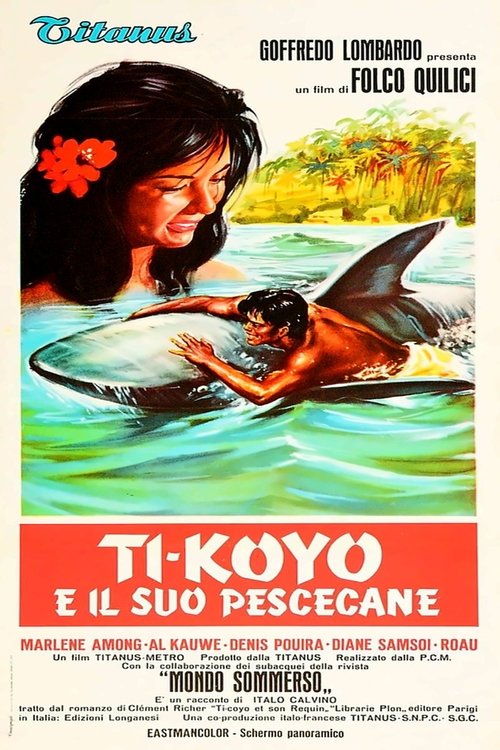
Filmed in French Polynesia with a Hawaiian cast, the story revolves around the adventures and romances of a young Polynesian boy as he grows up. As a child he raises and trains a baby shark as a pet, which he shares with his island playmate Diana. After a decade the three are reunited, but the world has changed: Tiko and Diana have become adults; the shark has become a dangerous man-eater; and civilization has encroached on the tropical island.
Tiko and the Shark

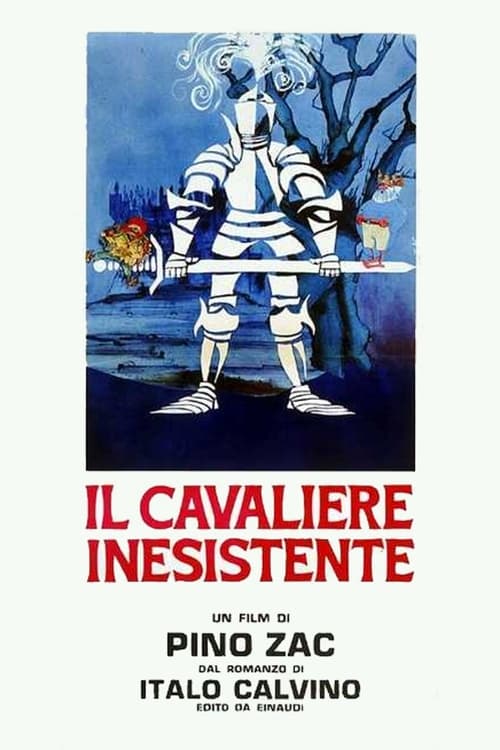
Agilulfo is a righteous, perfectionist, faithful and pious knight with only one shortcoming: he doesn't exist. Inside his empty armor is an echoing voice that reverberates through the metal. Nevertheless, he serves the army of a Christian king out of goodwill and faith in the holy cause.
The Nonexistent Knight

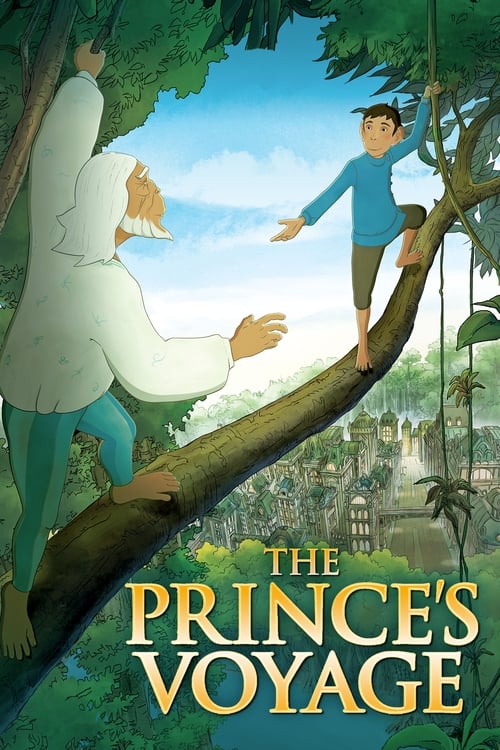
The philosophical tale revolves around an elderly monkey prince who wakes up injured and disoriented in an environment he does not recognise. He navigates this new urban world with the support of a young monkey called Tom.
The Prince’s Voyage

A magic microwave ensnares a starving family and their landlord.
The North Wind's Gift
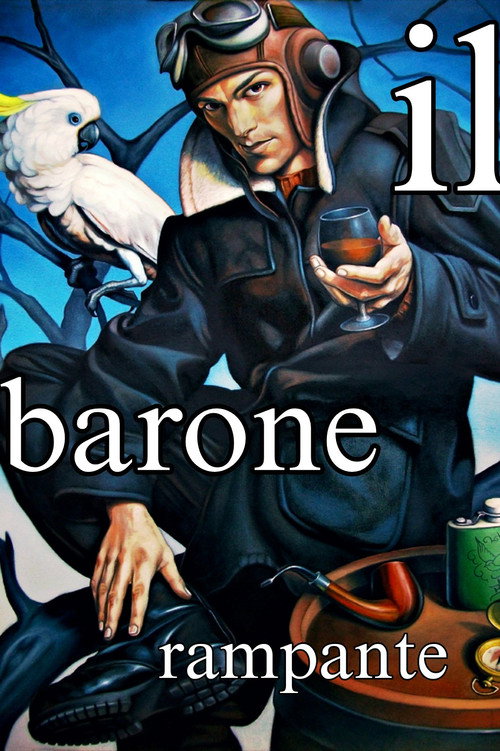
A young baron scales a tree after a dispute with his father and remains there for the rest of his life.
The Baron in the Trees
No description available.
Cidades Invisíveis

No description available.
The Writer in the Trees
A young man sets out on a journey to the Ogre's lair, in search of a feather with the power to save a dying king.
The Ogre's Feathers

No description available.
L'Italia vista dal cielo: Liguria

A reflection dances on the walls of a place suspended between magic and history. A short film about Grosio Castle, inspired by Calvino’s *Cosmicomics*.
Augè

Short film by Dagmar Knöpfel. Based on a story by Italo Calvino.
Ein Bett mit Passagieren

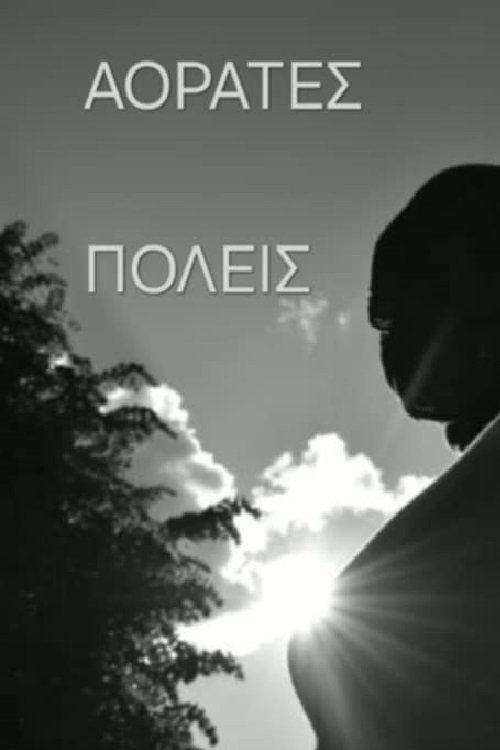
An experimental short film inspired by Italo Calvino’s Invisible Cities.