Cao Fei
Directing
Biography
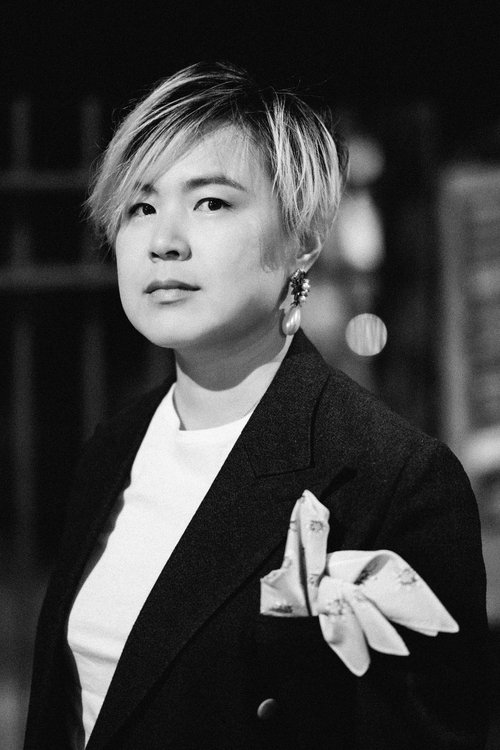
Cao Fei (Chinese: 曹斐; born 1978) is a Chinese multimedia artist born in Guangzhou. Cao's work, which includes video, performance, and digital media, examines the daily life of Chinese citizens born after the Cultural Revolution. Some of her work is owned and displayed by The Solomon R. Guggenheim Museum. Her work explores China's widespread internet culture as well as the borders between dreams and reality. Cao has captured the rapid social and cultural transformation of contemporary China, highlighting the impact of foreign influences from the USA and Japan. Above information from Wikipedia.
Known For

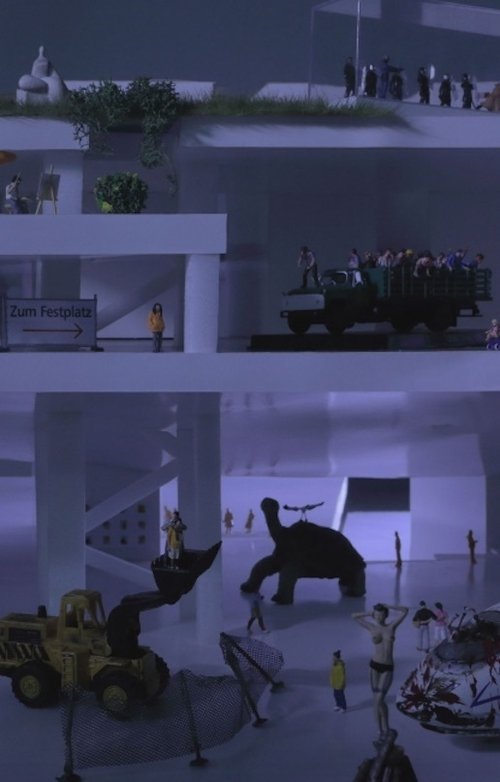
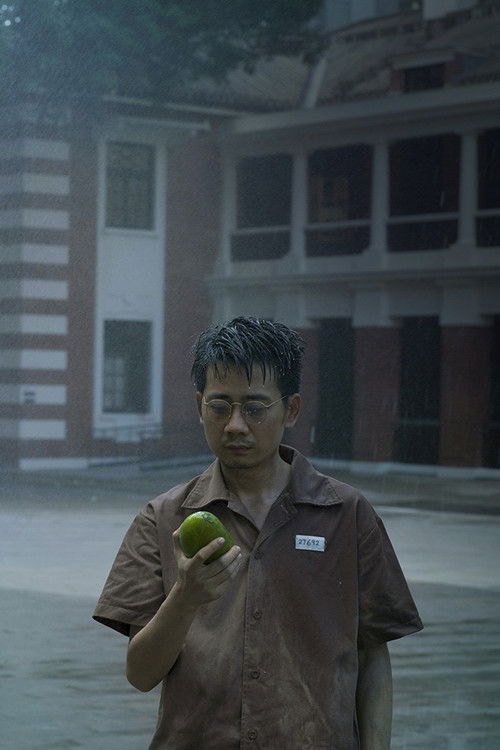
The two protagonists – an architect and a prisoner living in parallel realities in the present time and an ambiguous distanced past, respectively – conjure up imaginations and experiences of imprisonment. In their dialogue across space and time they debate the relations between humans, the world, and freedom. They talk of visible and invisible imprisonment, existentialism as a means of self-redemption, and at the same time question the relationship of humans to the space around them. An attempt at reconciliation with the world and human nature.
Prison Architect
Once the site of China's early tech industry, Jiuxiangiao is now a 'shanty area' slated for urban renewal. Residents recall how the area grew into an advanced electronics district in the 1950s, as part of the Chinese government's first Five-Year Plan for social and economic development. With support from the Soviet Union, factories began producing China's first home grown large scale computers and telephone switchboards. The Hongxia was built as part of a network of amenities including a ballroom and gaming arcade, all intended to enrich the cultural lives of workers. There were onsite nurseries at factories, free swimming pools and the cinema, where entry was free or five cents at most. As interviewees mourn the loss of these services, developers are knocking. 'To tear this place down and build skyscrapers - it makes my heart ache!' laments Wei Guotian, the theatre's former manager.
Hongxia

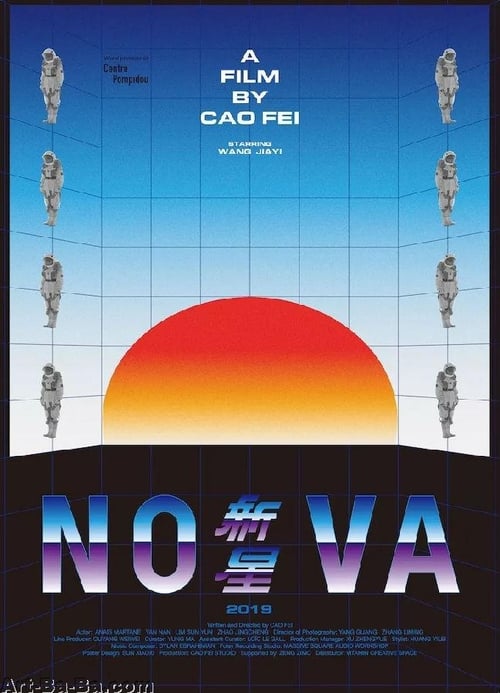
Nova follows the story of a computer scientist engaged in a secretive international project; as part of his experiments he uses his son, who is accidentally turned into a digital version of himself and trapped in an eternal cyberspace. At once a period piece and a sci-fi film, Nova's narrative slowly devolves, and in the words of the artist, "The film has no sense of time, because the actors are always travelling between the past, present, and future."
Nova

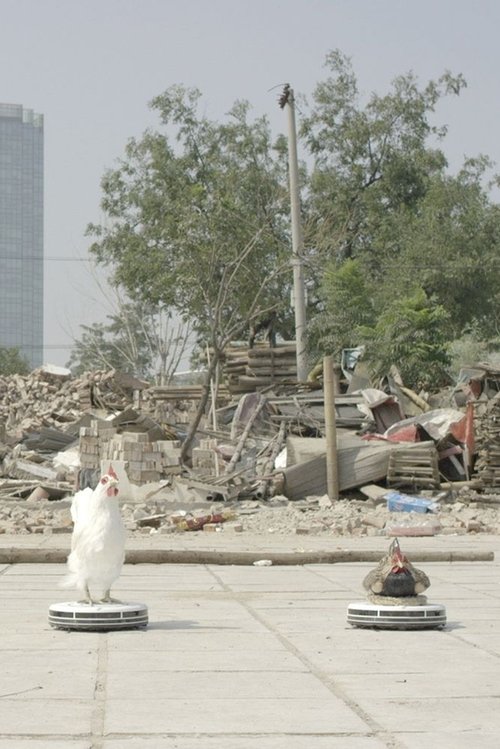
The urban fringe of Beijing is the loosen bricks from fragmented land. A result of urban development. The dynamic and complex urban system produced and blurred out the edges between cities and suburbs. The size, scale and land use of different areas are at constant conversion to each other, which becomes the foundation to China urban development and relative space of the society and the economy. In the video, several domestic vacuum cleaning robots are released at urban fringe. The robots navigate randomly in a demolishing area - a scene that we already witness and it could be found in different area under urbanization; a scene that is exciting and also being the norm in China. The robots - as the visitors from the outer space, arrive in our world. By taking in the dust and ashes at the urban fringe, the land reality is collected and made into a sample; a sample that conveys our all time obsession and celebration of modern contemporary.
Rumba II: Nomad

If the bitterness of life could fade from our memory, how hard it would be for happiness to do the same? Take it easy, take it simple and happy, we don't have to take burden. Nothing is important any more. All that people need is to form a whole, to dance without care and catch the eternity of happiness in a twinkling.
Hip Hop: Guangzhou

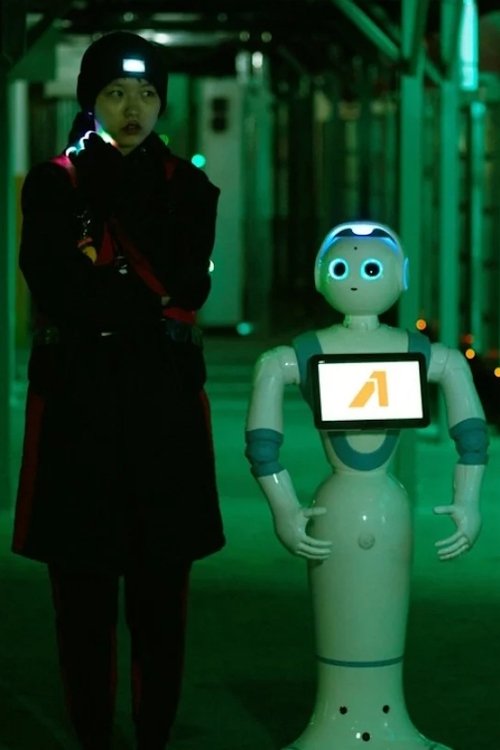
In 2021, a young female worker, a male worker and a cute AI robot are working in a large automated logistics centre “Asia One Unmanned Warehouse”. After long periods of loneliness and repetitious labour in the factory, the young workers start to have a special feeling for each other. In a humdrum day-to-day work-life, they seem to have fallen in an emotional entanglement between the ‘unmanned’ (intelligentised production), “human” and “non-human” (robot).
Asia One

In Milkman which was made in 2005, Cao Fei sorrowfully captures the daily life of the nominal main character who is a milkman. He is sprawled all over his bed during the day and agonizes over the temptation of an online sex chatting show. By capturing the moment the character’s simple life and his stimulating online fantasy meet, the artist shows another side to her world of art in the virtual reality in which she has continuously showed interest.
Milkman

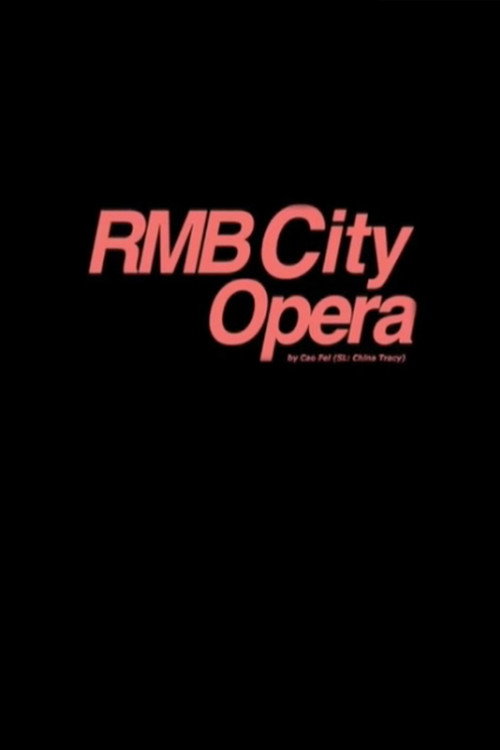
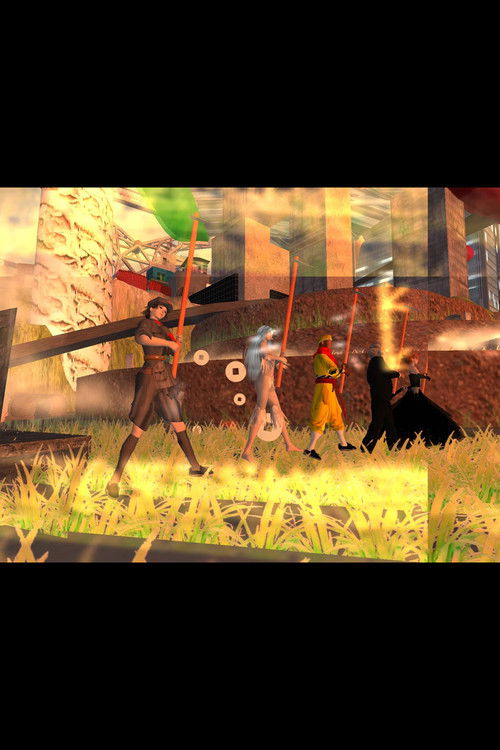
Cao Fei explores a virtual metropolis within the online platform Second Life. The work blends real and fictional elements of Chinese identity and urbanism to comment on capitalism and development in the aftermath of the global financial crisis. Marxist iconography intersects with modern corporate structures, creating a dystopian yet whimsical reflection on 21st-century economic realities.
People's Limbo in RMB City

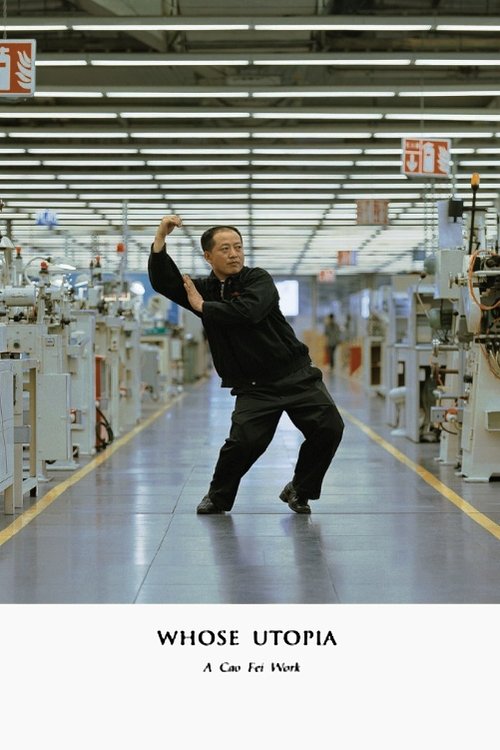
A three-part film by Cao Fei. Part one, 'Imagination of Product', shows workers and machines at the OSRAM lightbulb factory in China's Pearl River Delta. In the second part, 'Factory Fairytale', dancers and musicians appear in the factory, as work continues around them. Finally, 'My Future is Not a Dream' consists of portraits of the factory workers facing Fei's camera.
Whose Utopia

This video work is part of the acclaimed RMB City series which uses the idea of the ideal city as a framework for examining aspects of Chinese and global culture. Fei has created a realm in which the imagination has free rein but retains the architectural and cultural icons of the real world transformed into a spectacular, shimmering metropolis. Live in RMB City is the culmination of this major series in which the artist in the person of her avatar, China Tracy, takes us on a conducted tour of the virtual city. Presented by the Art Fund through Art Fund International.
Live in RMB City
Cao Fei recorded her experiences within the online social platform Second Life. The result is a wistful, surreal vision of an alternative reality sprung from the pop culture fantasies and hyper-consumerism of contemporary urban China, while also trying to transcend its real-life limitations. It can be seen as an answer to the challenge posed by River Elegy: how to envision a new Chinese destiny founded on principles of individuality, creativity, discovery, and freedom. The film also reflects the contemporary condition of the virtual supplanting our experience of the real.
i.Mirror by China Tracy

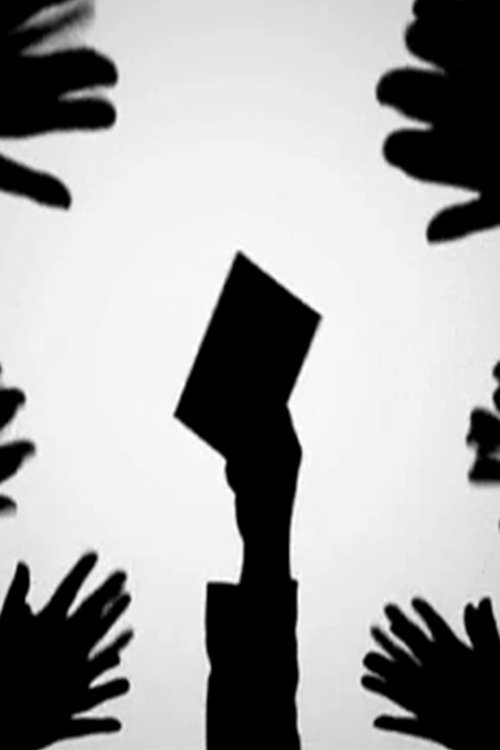
Shadow Life, evokes folklore and communist festivals. The vignettes are performed by shadow puppets; the form of the hand is a synecdoche for the manual labor of workers and peasants, while the silhouette medium allows quick metamorphoses of a grandstanding dictator to a barking dog, a swaying tree to a crane transforming the landscape. A remake of a 2000 Russian pop hit serves as the sound track to the third part, Transmigration—a farcical rejoinder to Mao’s cover of Marxism-Leninism.
Shadow Life
The film is for the 1st Moscow Biennale. The director's father, Cao Chongen, is a famous sculpture artist. Ever since his juvenile time, he has been engaged in producing the sculptures of those who were the exemplars in industry, agriculture and military, together with the political and cultural figures as well as the leaders of Communist Party. In order to celebrate the centenary anniversary of Deng Xiaoping, he was assigned by a former revolutionary base in Guangxi Province a full length sculpture of young Deng Xiaoping, particular the "A Journey of Deng Xiaoping's footprints" was put forward as a tourism brand of Red Classic. Following Father's sculpture, the director stepped on this Red Journey. With the giant sculpture stands erect, a relationship between Father's artist ideal and present reality was unfolded evidently to the furthest.
Father

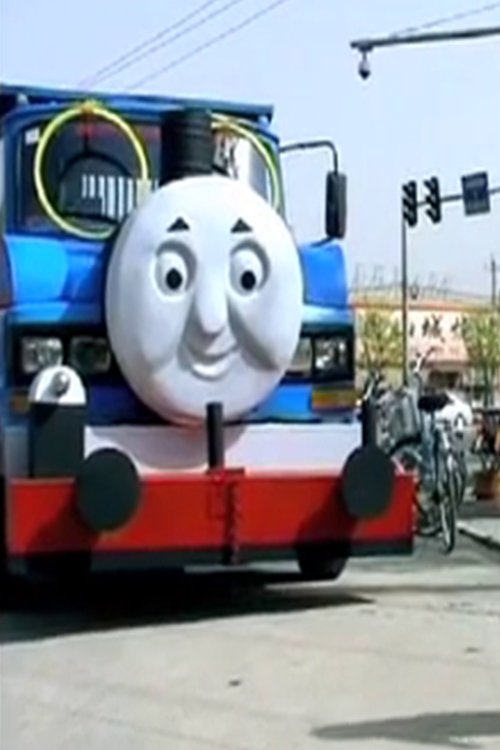
In Cao Fei’s most recent video work, East Wind (2011), a dinky blue Chinese truck with the face of Thomas the Tank Engine beetles around the streets of a Chinese city to the theme tune of the BBC program. The truck stops for petrol, attracting a crowd of delighted fans. It collects rubbish from a demolition site and then merrily takes this to a dump on the outskirts of town (the driver stopping for a pee by the side of the road on the way). With a sense of joyful conquest, the bright smiling face of Thomas charges through the changing Chinese landscape, announcing the triumph of simplicity at every turn.
East Wind

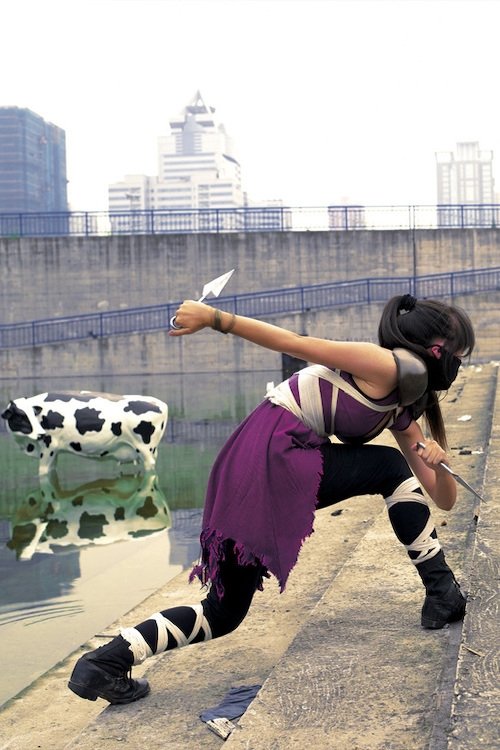
Short documentary about people involved in Cosplay.
COSPlayers

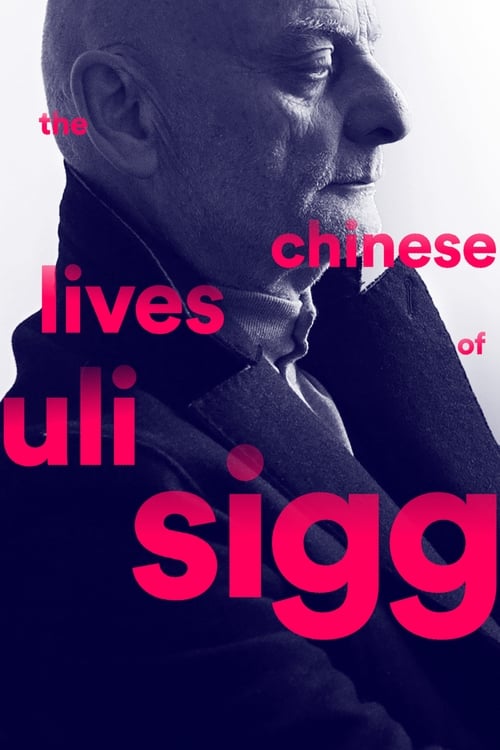
Swiss collector Uli Sigg has played in the time of economic opening of China by Mao an essential role, which is still continuing. To better understand China, in 1980 as an entrepreneur and business expert to the country called Sigg art turns to and wears for years the most important collection of contemporary Chinese art together. THE CHINESE LIVES OF ULI SIGG granted for the first time a comprehensive insight into the exciting and extraordinary life of the entrepreneur, diplomat and art collector. Contemporary artists like Ai Weiwei, Zeng Fanzhi, Cao Fei, Fang Lijun Wang Guangyi or consider him a friend and mentor to whom they could entrust their works, to protect them against the arbitrary destruction of the authorities. The majority of them are over the Sigg museum M + in Hong Kong, which expected to open in 2019 and the works will be presented to the general public.
The Chinese Lives of Uli Sigg

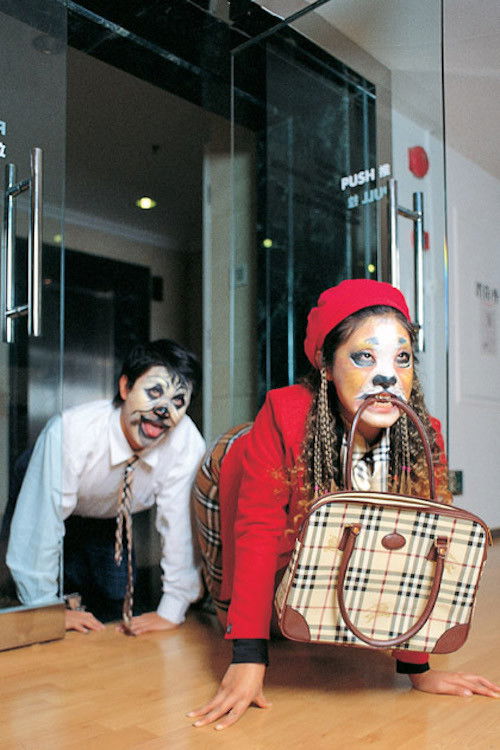
People dressed up as dogs make weird things.
Rabid Dogs

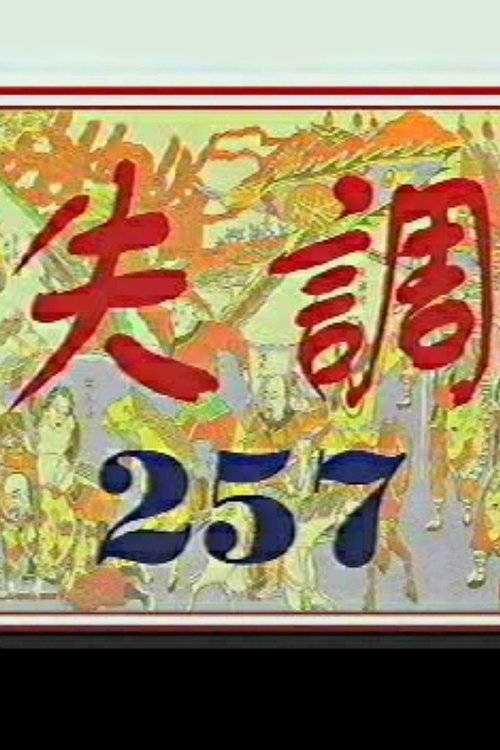
It is the typical stance of this generation, with its sensitivity and impulse, to try to blur the boundaries of all existing criteria and truths, to turn seemingly rationality into absurdity, and to mock at the given reality and the "legal" matters: either the systemor those who drag on with their lives under the system. I owe my courage to the restless adolescence that compels me to tear away any existing rules which block the way to our inner reality. Imbalance is an experience naked to us, an experience that might not be popular among Chinese college student today. It restricts us, transforms us, and forces us to expand and to change. It is the formula of a chain of events, the decease of adolescence, the edge of personal relationship, and the intermedium between bliss and despair.
Imbalance 257

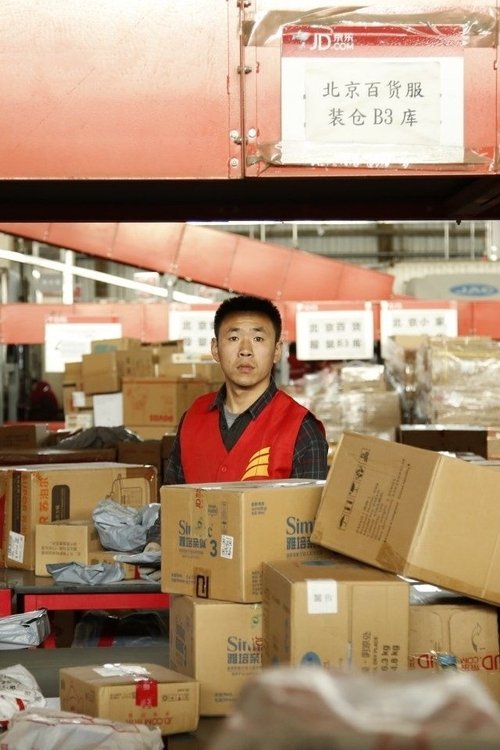
The documentary recorded the work overload of the entire JD.com logistics sectors before and after the Double Eleven Shopping Day in China (the equivalence of the Black Friday). From goods being sorted at JD.com's gigantic sorting centre in the outskirts of Beijing and the Double Eleven national command centre at JD.com's headquarter, to the numerous delivery points spread across Beijing’s entire commercial and traditional districts, the mission and individual existence of the couriers working at online shopping terminals. All of the above sketch out the landscape of a consumption driven by powerful Internet economy (JD alone achieved 120 million rmb total sales on that single day). How will this situation lead us into a future social ecosystem?
11.11
Darkly humorous reinterpretation of the zombie film, set in Beijing. Here the undead are real estate agents, nouveau riche businessmen, security guards, manicurists, and sex workers seeking contact in an increasingly individualized, alienating society.