Acting
Inspired by a real event, the film follows 27-year-old Lara (newcomer Diana Kolenc), a paramedic intern who helps bring 30-year-old Kristijan (Vito Weiss) into the hospital, after he was brutally beaten on a Facebook live stream that was seen by 20,000 people and no one called the police. Although Kristijan is in a coma, Lara starts to receive video clips from his Facebook profile, showing unidentified persons watching him get beaten. She reports this to detective Borut (Jure Henigman, from A Trip and Dual), who starts an investigation. All the observers, who appear in the video clips, will become Lara’s nightmare in her real life. She soon realizes that she is also an accomplice in this horrible event.
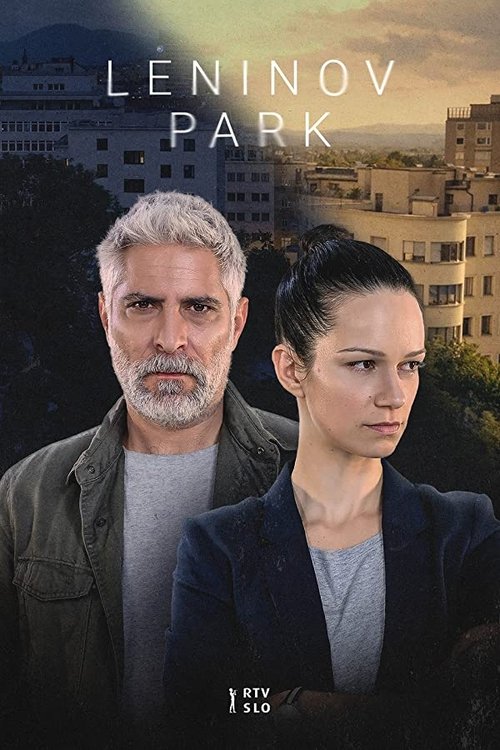
In the middle of a hot summer, a homeless woman is murdered in the centre of Ljubljana. At least as much as her death is troubled by the fact that the murder took place in a park right next to the General Police Administration. In addition to Taras's and Tina's relationship, resentment is being drawn from the events at Lake Bohinj over Taras' treatment of the spoiled son of an influential man, so the head of Drvarič assigns the management of the case to Tini instead of Taras. The start of the investigation is not the most promising, as none of the occupants of the park detected anything unusual, even though the windows look out of all the apartments. Yet a criminal investigation reveals that one of them wasn't the most honest.
The protagonist is a young man, a former athlete, now a gym teacher. He is essentially a disappointed idealist who distances himself from the world and himself with irony and self-irony. His indifferent attitude towards life undergoes a slight change when he meets the headmistress of the rural school where he also teaches.
Two sisters discover an abandoned infant in the forest and, unable to find his mother, have him baptized as Aleksander (Leksej) and adopted by their family. Enchanted by the itinerant violinist Jakob, Aleksander becomes his pupil, inherits Jakob’s violin on his deathbed, and despite being bound to hard shepherd duties and facing jealousy, persists in pursuing his musical gift.
In this intelligent mix of Sofia Coppola’s “Lost in Translation” and Christopher Nolan’s “Memento”, the protagonist Rok loses his memory and is seemingly turning into a better man. Or will his ultra-radical past take over his personality again?
Two men who have been fighting on enemy sides in WWII, find themselves as neighbors many years later in peace. A woman whose husband was killed under shady circumstances back then, tries to calm the passions of these old people, last residents in their village.
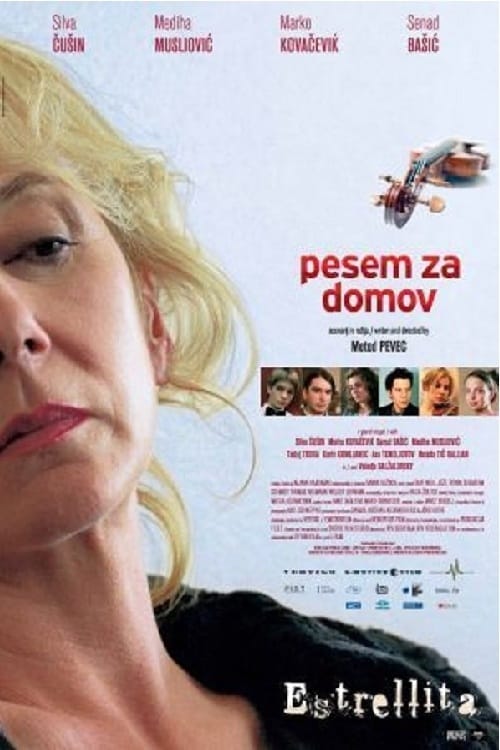
A widow grieves, discovers her deceased spouse's secret, and builds a relationship with a talented boy who used to play the violin with her husband in a local bar.
Story is based on a novel of the first Slovene female writer from the 19th century when also the story of the film is set. It's a never-ending and forever repeating story of neighbors, who can not reconcile. As they need the fight to stand out for their position of "neighbors", as that's the ultimate and only role of people living next to each other being called neighbors.
The film explores creativity in a different, not necessarily psychoanalytic, but certainly self-purgative and self-critical way. This is a story of the creative processes of a director, screenwriter, musician and versatile artist Vinci Vogue Anžlovar. A person with a personality disorder, a witty and insightful author with borderline tendencies. Four feature films, music for his band and feature films, theatre, short films. But all this in some state of conflict – clashes with producers, slapping a minister, breaking the jaw of an actor, fits of rage, anxiety, drugs, gambling, divorces, poverty, wealth, depression, rehab...
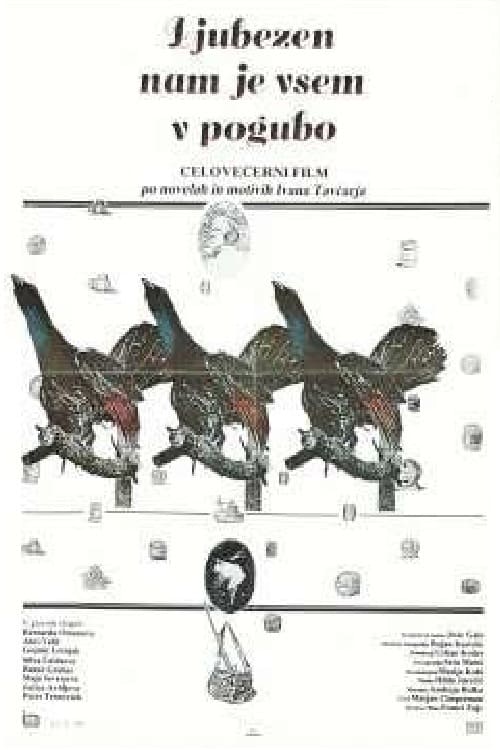
At the end of the last century hunters who hunted wild roosters, while waiting for prey to show up, were killing time with storytelling. The first story is about Jernac that had a fight with Tomas because of Rezika. Another story tells about Tincek, limp foundling, who spent his youth with the Komar family, where he fell in love with their Lencka. The third is the story of a rich Miholac whose attention was grabbed by poor Polonca, a romance that was opposed by his father. The central theme of all stories is love that eventually everybody die of.
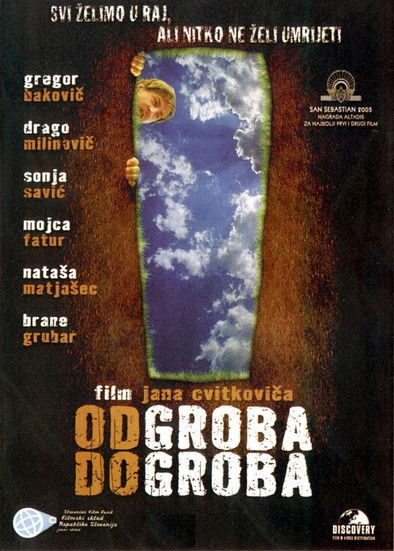
Pero is a professional funeral speaker in a small Slovenian town. His unique gift is to make every funeral that extra bit special. Pero just can't help turning his eulogies into witty personal confessions that bring the grieving crowd to tears for all the wrong reasons.
In a small town where everyone knows everybody else, independent researcher Vesna is investigating the death of the director of the local radio station. Although the director evidently committed suicide, Vesna, who has uncovered evidence of a conspiracy, is convinced that he was murdered. When several of the people she has spoken to about the matter find out that the director (Milan) was Vesna's father, they become even more withdrawn about the matter. Will Vesna succeed in unraveling the mystery--despite the many warnings that she should stop trying to uncover the truth?
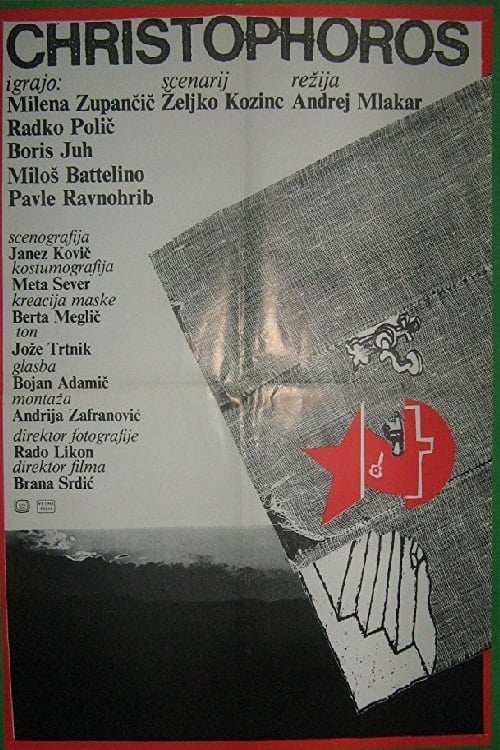
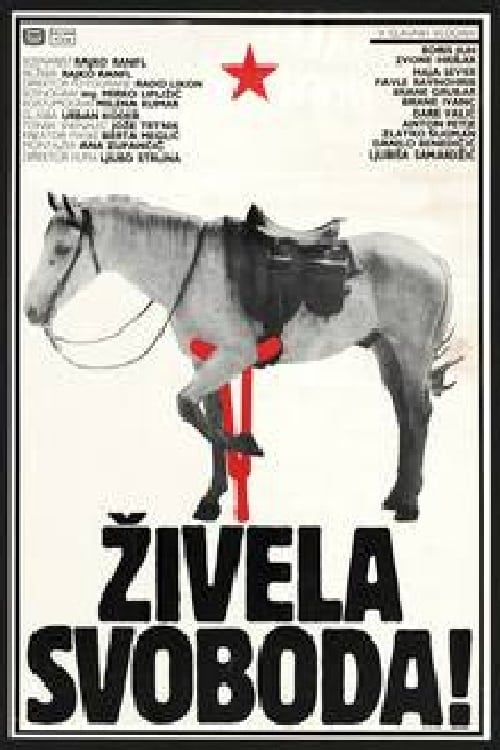
Old man Repovz recalls experiences of the WWII in an entertaining, comic way rather than tragic. A man breaks his arm to avoid being drafted; the other man shoots fire to scare enemy soldiers; love stories, as well as troubles with forced collectivization took place there. A partisan hero finds out that he lost her fiancee, but somewhat cheers up when his white horse comes back to him...
In 1940, shortly before the outbreak of war, a young boy Marjan lives a carefree life with his gang in Ljubljana, experiencing all the problems of his age. With Lenka he's experiencing his first "pure" love, while discovering sexuality... The Italian occupation brings many changes, gang breaks up, some join the liberation movement, the others join collaborationist forces. Marjan remain "unlisted". Italians surrender, and hand over the city to Germans. Frivolous Milena, who has good connections with them, seduces Marjan whom she lost her innocence with. The war is over and the partisans win. The new authorities mistakenly imprison Marjan.
Primer Vladimirja Pavlina is a Yugoslavian (Slovenian) Short Fiction Film. Featuring Brane Ivanc, Gojmir Lešnjak, Ksenija Mišič. It was directed by Jan Zakonjšek. It was produced by UL AGRFT - Akademija za gledališče, radio, film in televizijo. It has received 2 awards.
By a twist of fate, Damjan is mistaken for a murderer who was prowling the streets of Ljubljana in the same neighbourhood. Because of his naive, friendly approach and helpfulness, his wife walks out on him and the police have doubts about his sanity. Is Damjan really losing his memory like his father did before him? And does purity of mind and spirit necessarily lead to a person's downfall? Will Damjan, who is mysteriously attracted and connected to the cinema and who finds himself drawn into a case of mistaken identity (just like in the movies) succeed in setting his life in order in spite of the mix-up and in finding the right companion for himself?
In a small seaside town, a group of people discover their dark past and repeat their bad habits, even those from the time of inquisition and persecutions of witches. They're ought to repeat these actions as long as they start to experience love and forgiveness in some of the following stages of reincarnation.
A postal worker is suspected of committing a robbery at the rural office where she works alone.
A young soldier enters a conflict with his superiors and because he does not get the exit for the May Day holidays, he decides to escape. The escape of the weapon is a serious offense, and because there are no routes back to the barracks, the fate of the violence that leads to a bloody bribe begins to unfold. The story goes back to the time of the Chernobyl nuclear catastrophe.
A group of nine friends go to the mountains of Triglav in seek of Morana, goddess of death. And end up being killed one by one.