Production
Tragic love story about the photographer and explorer Felice Beato who travelled back to Japan in 1895 to seek his former wife O-Kiku. On the way he describes in a nostalgic letter to his brother how much he yearns for his lost love O-Kiku and how impotent he feels in an ancient Japan subject to rapid change. The journey takes him to Nagasaki and Moji, Onomichi, Mount Fuji, Yokohama and Tokyo. Places he once visited with his beloved and where he now no longer understands the people. Felice...Felice... is inspired by hand-coloured nineteenth century photos taken by e.g. Felice Beato, Sjimooka Renjo and Baron von Stilfried. In this film, shot entirely in a studio, the photos depict Felice's journey. Awarded the Golden Calf for Best Feature film in 1998. (NFF)
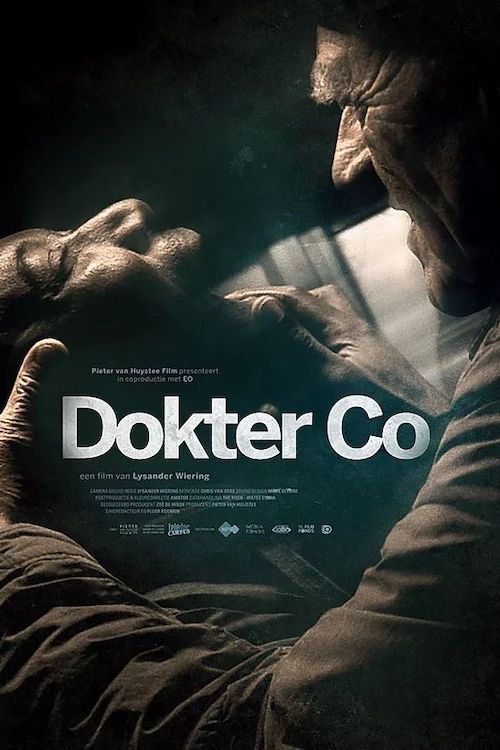
Eighty-year-old doctor Co regularly holds office hours in a walk-in facility for homeless and uninsured people. In addition, he cycles across Amsterdam, looking for people he can give medical help. He descends into a shadow world of vacant garages and squatted office blocks, like the Vluchtgarage. Here, at ungodly hours, he helps rejected asylum seekers who are stuck and cannot go to regular doctors. What drives this aged ‘street doctor’ to be up and about at night to help these people?
Producer Oscar Holleman (Within Temptation an Krezip) instantly recognizes 21 year old Sharon Kovacs as a talented singer. Even comparing her voice to Amy Winehouse. The movie is a documentation of them recording during two very hectic years.
A film about a generation of four friends who grew up together in Sarajevo. They are the friends of filmmaker Lidija Zelovic-Goekjian, now living scattered across the world. What has happened to them over the past 13 years: how did they survive the war, how do they live now, how do they look back on their former lives, on Sarajevo, and on their old friends?
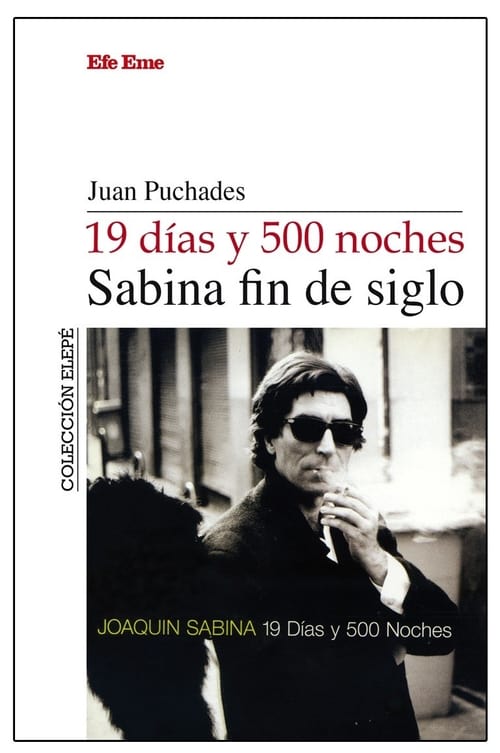
They still carry his house keys with them, Joaquin Sabina's old friends. It does not matter that the Madrid-based singer, who is adored throughout the Spanish-speaking community, changed the locks to his house years ago. After the brain haemorrhage that hit him in 2001, Sabina suddenly could not bear the dozens of friends anymore that invaded his house. This was a raw deal for them, as the interviews reveal that director Ramón Gieling had with them. As in Gieling's previous documentaries, he created a cinematographic form for the interviews, which he consistently applies. Friends and former lovers are introduced in a minutely reconstructed copy of the living room they were expelled from. In the real living room, they used to lead a loose life without thinking about the health risks.
Under the toughest of living conditions, four poets have had to employ their imaginations in order to survive. Marjoleine Boonstra choose to focus on the sensory perception during their captivity. Personal stories about physical contact, sound, taste and smell gives intriguing view about the emotional years being in prison. At the age of eighteen, Nizametdin Achmetov went to jail a virgin, and twenty years later he emerged, still a virgin. The Cuban Maria Elena Cruz Varela was all by herself in a prison environment where anybody could betray her, while the Russian Irina Ratoesjinkaja found that her fellow prisoners could be indispensable allies. But during the first days after her release, her eyes could not stand the vivid colours of freedom.
No description available.
The touching life story of Bart de Graaff, the prematurely deceased founder of BNN, incorporating interviews, archive footage and extracts from cartoons of his idol, Tintin.
Cyriaque Kouenou was forced to leave his country and fled to the Netherlands. Staying there he has now entered his fourth year on a surrealistic trip with no end in sight, with stopovers in a tent camp, an empty church, an old office building and a former prison. A no man's land where you are stuck after being told that you aren't allowed to stay but also can't be sent back.
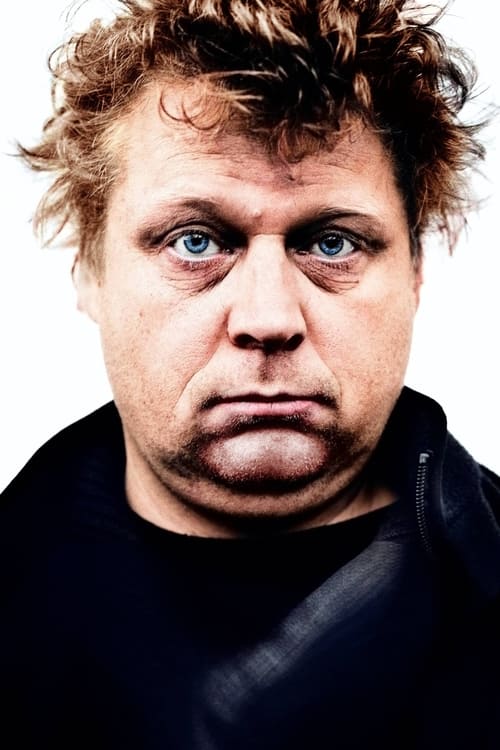
Theo van Gogh yearned for love, attention and freedom. How do his family, colleagues, friends and enemies view the radical way in which he worked and lived? And, twenty years after the murder of Theo van Gogh, how do we relate to the discussions he sparked at the time?
My father had been forced to flee Azerbaijan for political reasons. But the man who once had to flee his own country also disappeared from our lives.
He is the last in the village that knows how to communicate with the ancestor spirits to keep the harmony and prevent misfortune. Since Amoksi is getting old, it is time to transfer his ancient know how to his son Michael.
Director Simonka de Jong follows sixteen-year-old Yvette from Nieuwegein in the last eighteen months of her eventful secondary school years. On the face of it, Yvette is a tough girl: she wears Lonsdale clothes, hangs around the schoolyard smoking and indifferent, and argues with her classmates, who are unable to place and simply will not accept her racism. Yvette clearly does not know what to do with herself and appears to have two faces. She can look like a hardcore Lonsdale girl, but with her hair loose and in the intimacy of the living room she is just a shy adolescent girl with her own dreams and desires.
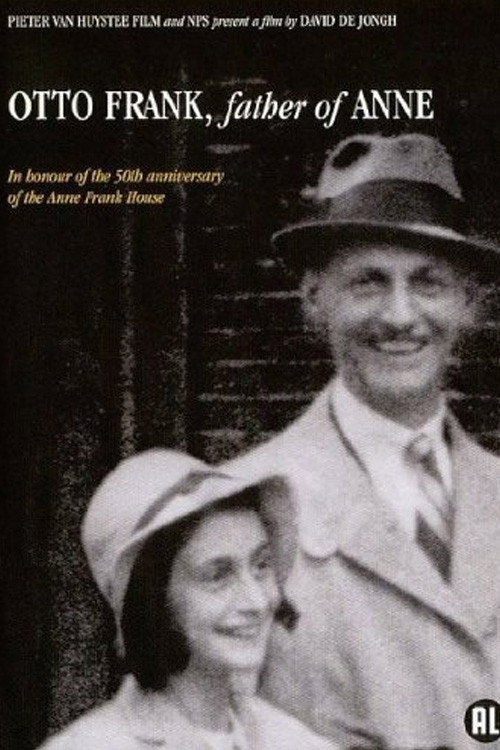
Director David de Jongh represents the life Otto Frank in his documentary Otto Frank, the father of Anne. The film deals with various facets of Otto Frank’s life: his youth in Germany, including his military service during the First World War, his marriage to Edith Holländer and the birth of their daughters Margot and Anne, their flight to the Netherlands, the time in hiding and the deportation to Auschwitz, his life after the Second World War and his dedication to the diary and the ideals of his daughter Anne, and his second marriage to Fritzi Geiringer. The documentary features many photos and film images, as well as interviews, including new ones, with people who knew Otto Frank. His stepdaughter Eva Schloss is one of the interviewees. The film is produced by Pieter van Huystee Film.
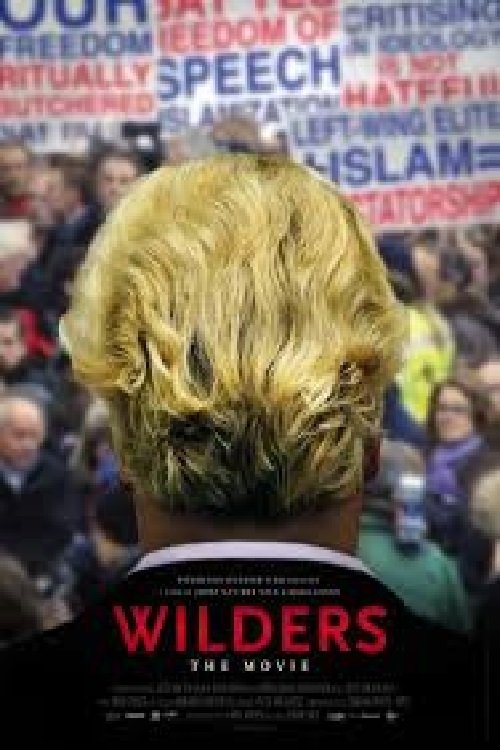
A look at the Geert Wilders effect.
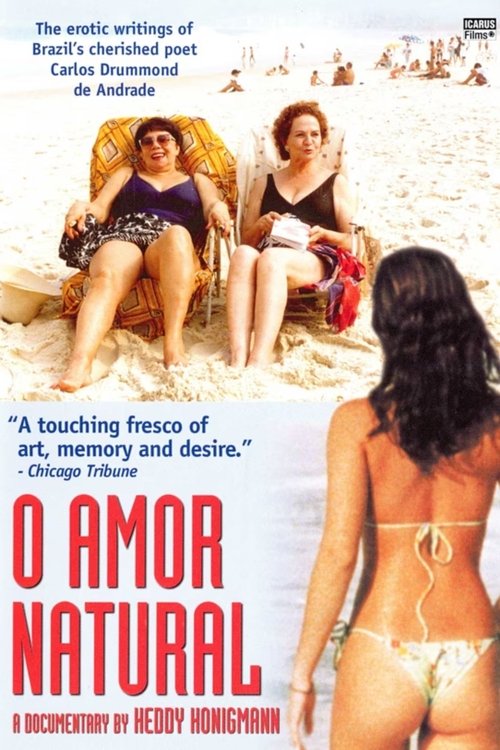
O AMOR NATURAL is a documentary film about the erotic poetry of one of the greatest Latin American poets of the 20th century, the Brazilian Carlos Drummond de Andrade (1902-1987). The erotic poems of Carlos Drummond de Andrade, a household name in Brazil, remained unpublished during his lifetime, as he feared they would be deemed pornographic. In this celebration of his poetry and sensual vision, elderly residents of Rio read his poems and comment on their graphic, voluptuous imagery with tremendous candor and enthusiasm.
The haunting experiences of Dutch U.N. peacekeepers are woven together by the powerful influence music has had on their endurance, survival, and memories of war. This documentary is filled with close-up interviews, scrapbook photographs, video clips, news footage, letters read aloud, and other recollections, as different generations of Dutch peacekeeping soldiers recount the trauma of bloodshed from Korea to more recent events in Rwanda and the former Yugoslavia. Their trusting, and often disturbing, personal revelations resound most poignantly when they talk about the single pieces of music that each found powerful enough to keep insanity at bay.
Documentary shows brass bands from Nepal, Surinam, Indonesia and Ghana.
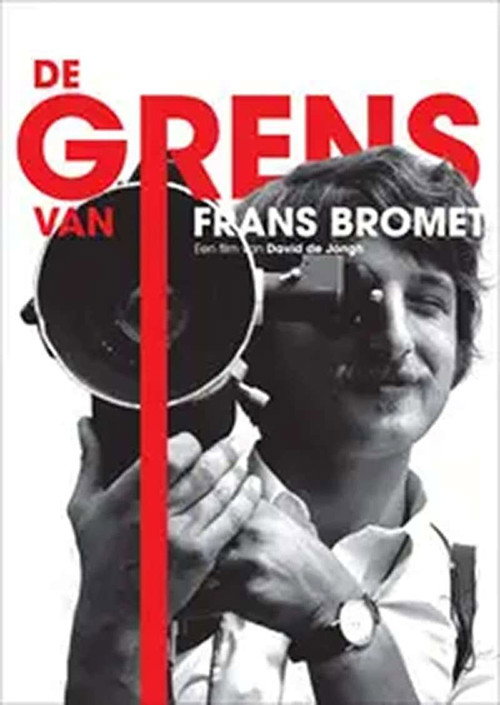
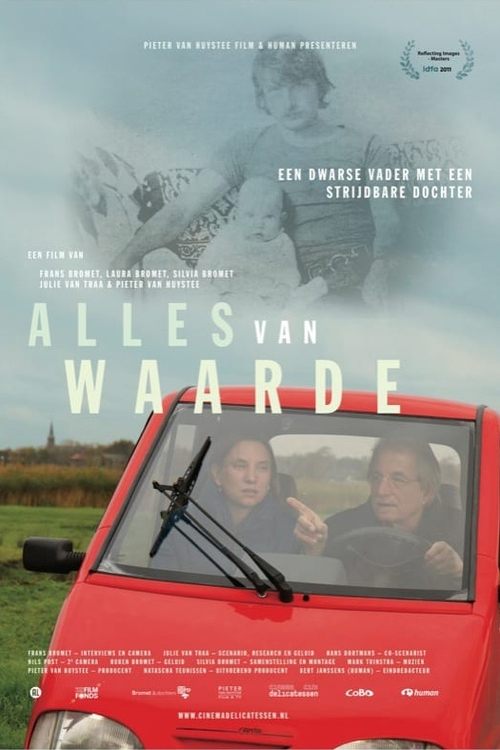
Documentary filmmaker Frans Bromet is known for his striking portraits of ordinary Dutch people. Now he is the subject himself, but has little desire to rake up matters from his own life.
Frans Bromet in search of the bad influences of the modern management culture.