Acting
No description available.
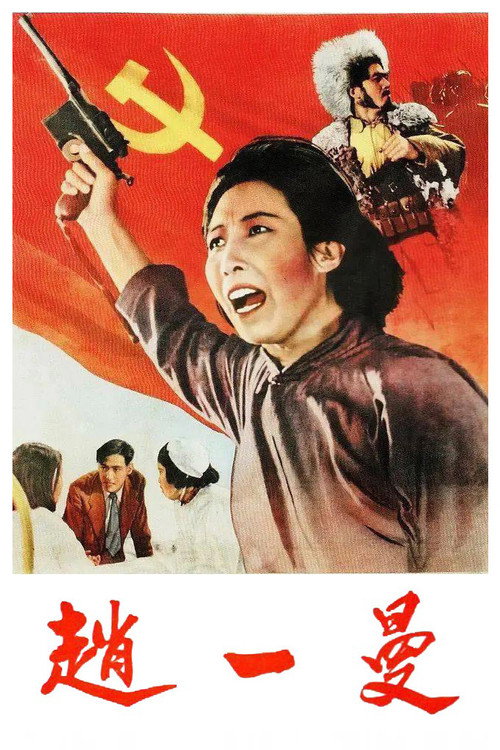
The life and death of Zhao Yi-Man, a female member of the Chinese resistance
The Public Security Bureau intercept a telegram notifying foreign agents to retrieve the "110 secret". Shi Yan, head of the Reconnaissance Section, starts a campaign of counter-espionage, but one of his agents is soon killed on board a train.
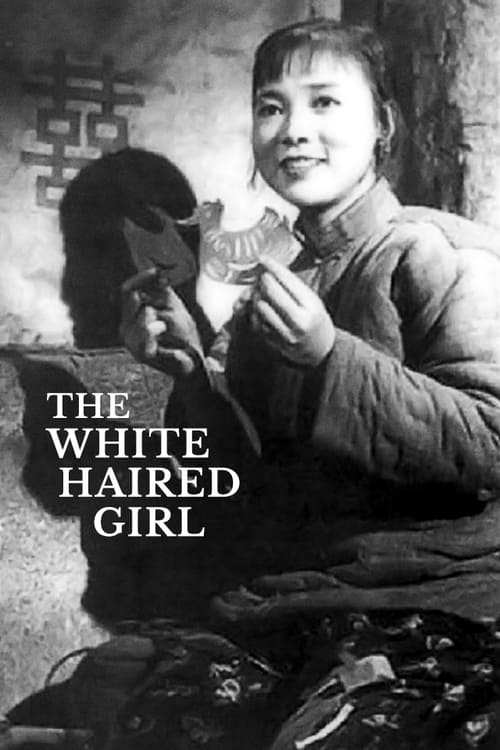
Yang Bailao, a tenant farmer, lives with his daughter Xi'er. The despotic landlord, Huang Shiren, attempts to forcibly take Xi'er for himself. On the eve of the Chinese Spring Festival, Huang forces Yang to sell his daughter as repayment of the debt Yang owes him.
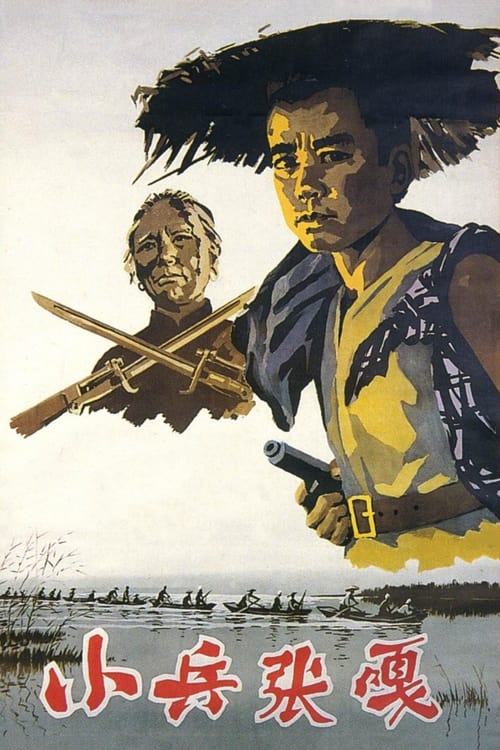
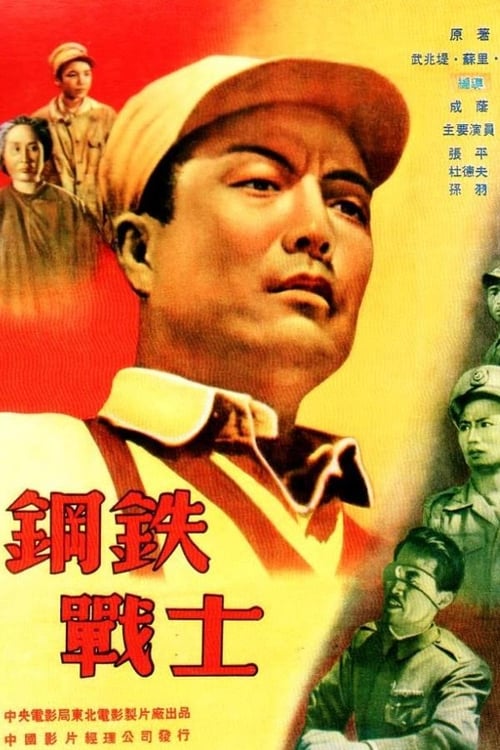
The film shows a soldier - the defender of his people, his native land, convinced of the righteousness of the cause for which he is fighting, not sparing his life, longing to free his homeland for work and a peaceful life.
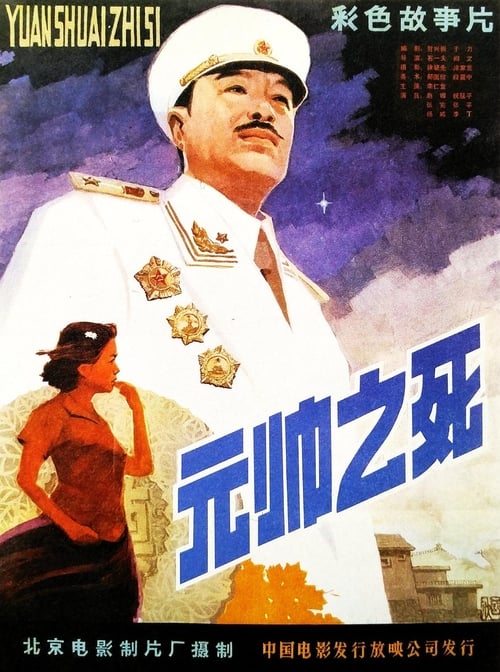
During the Cultural Revolution, the distinguished Marshal He Long is denounced and persecuted.
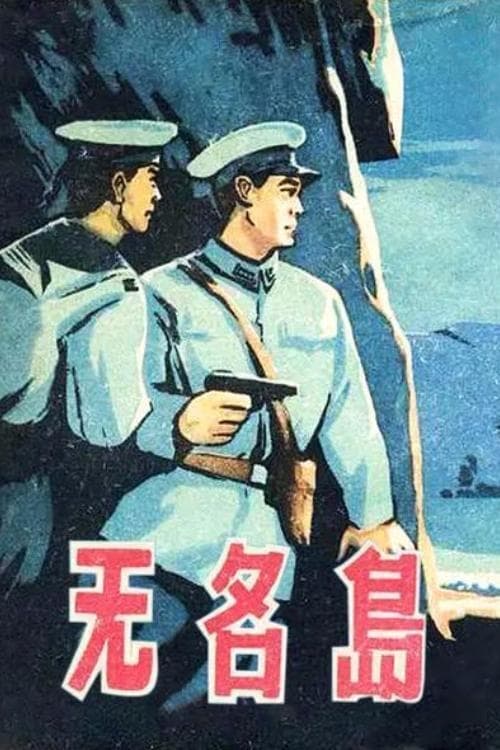
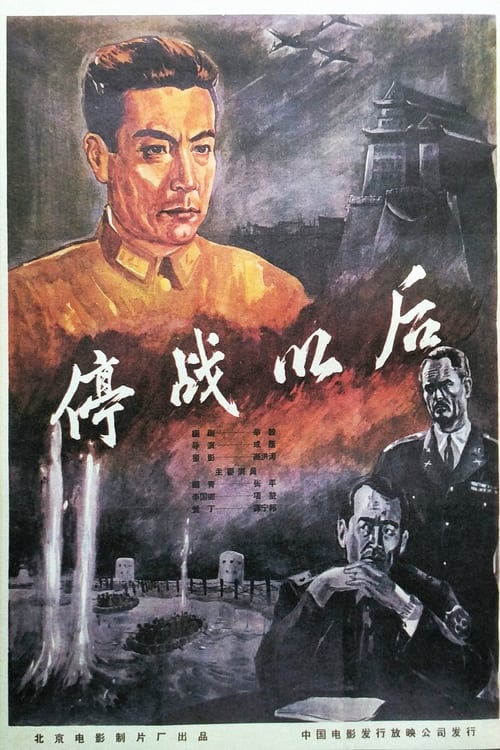
In 1958, during Chiang Kai-shek’s threats to retake the mainland, the Kuomintang navy attacked Fujian Province’s coast. The landing ship “Dacheng” was sunk by our torpedo boats, and Captain Wu John led troops to an unnamed island. Naval political instructor Wang Yongzhi and others, who fell into the water after a collision, also drifted there. They launched a political offensive against the enemy, who, unaware of our capabilities, awaited rescue. Prisoner Sun Gui swam back to his comrades, witnessed the cook’s beating, and returned to our side. Wang Yongzhi, seeing the enemy’s wait for rescue, forced them to reveal themselves. The enemy tried a fake negotiation to delay time. At night, Cai Dage brought reinforcements, eliminating the enemy on the island and their rescue ship.
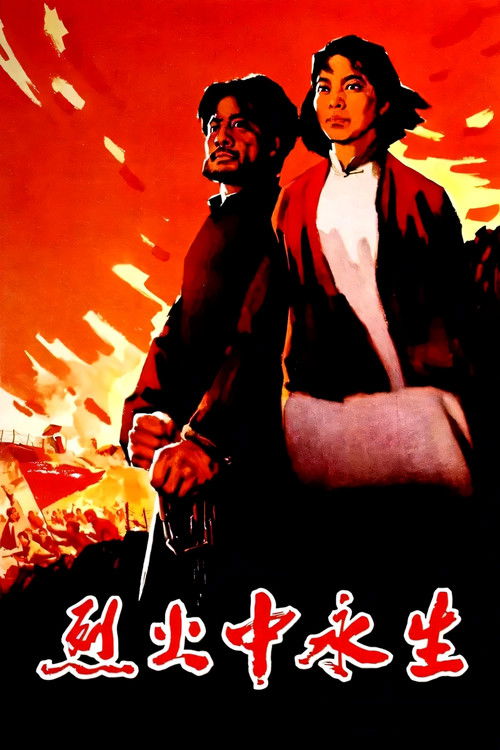
A taut wartime thriller, Red Crag: Life in Eternal Flame anticipates the paranoia and violence of the imminent Cultural Revolution while harking back to the aesthetic splendour of the Golden Age Shanghai cinema of the late 1940s. (This opulence is largely due to the work of cinematographer Zhu Jinming, the master visual stylist of Shangrao Concentration Camp and other key "Seventeen Years" films.) The film concerns a hard-boiled woman working in the Chongqing Communist underground during World War II, whose commitment to the guerrilla cause is only intensified after she witnesses her husband's head mounted on the city walls by the Nationalist forces.
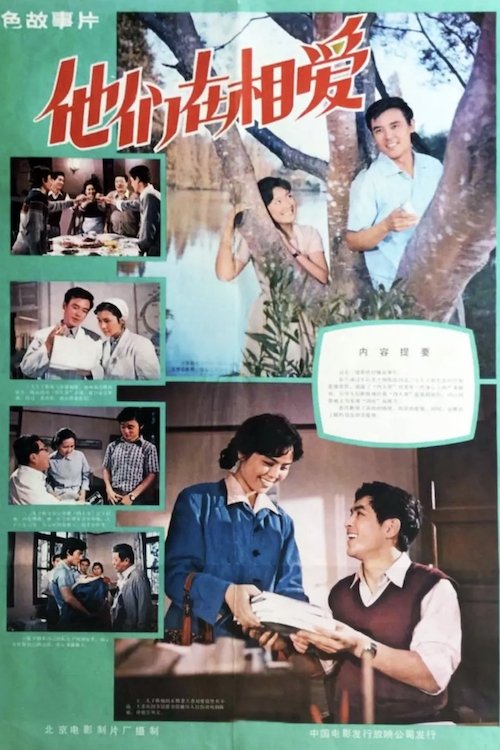
Bai Ge (Hong Xuemin) is a female worker at an electrical substation. In an accident, her proud braid nearly causes a production accident, so Bai Ge decides to cut off her long, black, oily hair, and she walks into the barbershop of a young man, Xu Li (Zhang Tianxi). Xu Li designed a very good-looking look for Bai Ge, which makes Bai Ge very satisfied, she also became a regular customer of Xu‘s barber store, one after another, the two young people have sparks of love. Once by chance, Bai witnessed Xu with a young woman talking and laughing, jealousy arose, when she found the barber store wants to talk to Xu, and saw Xu was two police officers away, did Xu commit a crime? In the midst of confusion and disbelief, Bai Ge and Xu Li cut off contact.
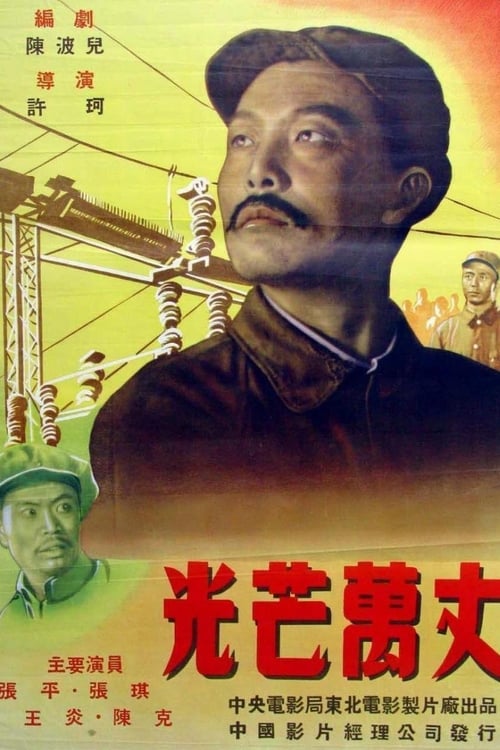
Zhou Mingying, a worker at a power plant in Northeast China, united her fellow workers under the leadership of the Party, overcame all difficulties, demonstrated a high degree of creativity, exposed the enemy's plots and sabotage, and quickly repaired the generators that had been damaged by the Kuomintang, ensuring the supply of electricity.
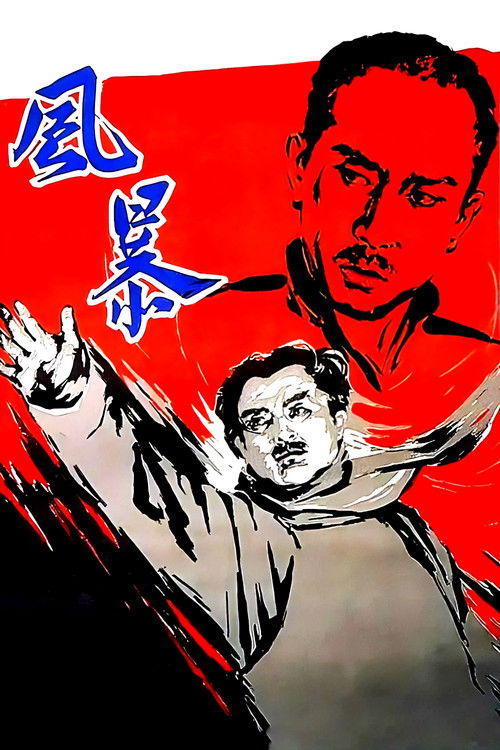
The early days of the Chinese Revolutionary Movement after 1927
Feature film produced by Beijing Film Studio in 1980, directed by Qian Jiang and Zhao Yuan. During the period of the "Gang of Four," Chen Hao -- a veteran cadre of a certain unit of the People's Liberation Army -- is brutally persecuted. Chen's three biological sons are also tortured physically and mentally. Defending the honor of a soldier, Chen is beaten into disability. After the collapse of the "Gang of Four," Chen returns to his post. Two of his children see their love lives fall apart, due to their father's precarious status, while the third child pursues a decadent lifestyle to dangerous ends.
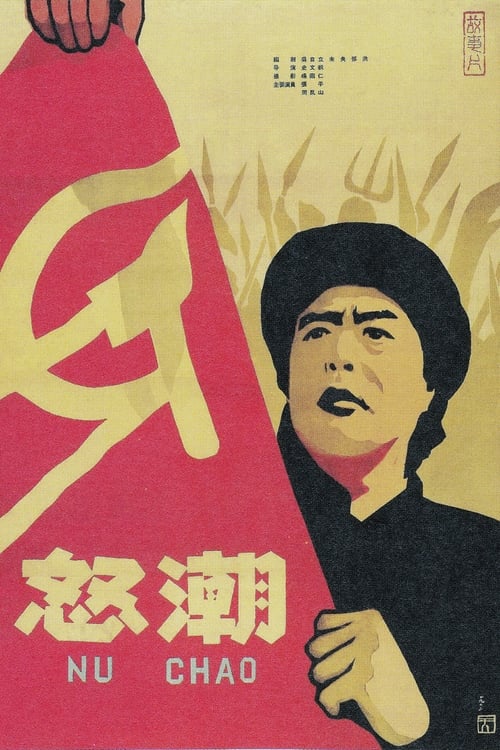
About the struggle of the Chinese railway workers in 1922 to create a united trade union.
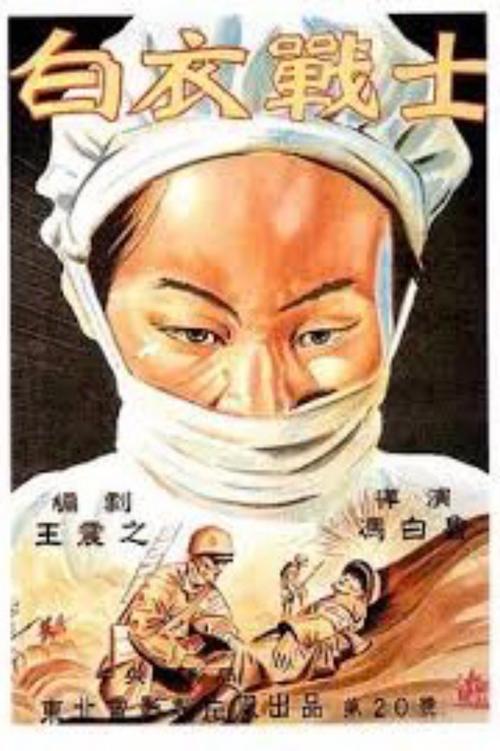
A heroic People's Liberation Army nurse continues caring for wounded and getting them safely to hospital even though she has been wounded.
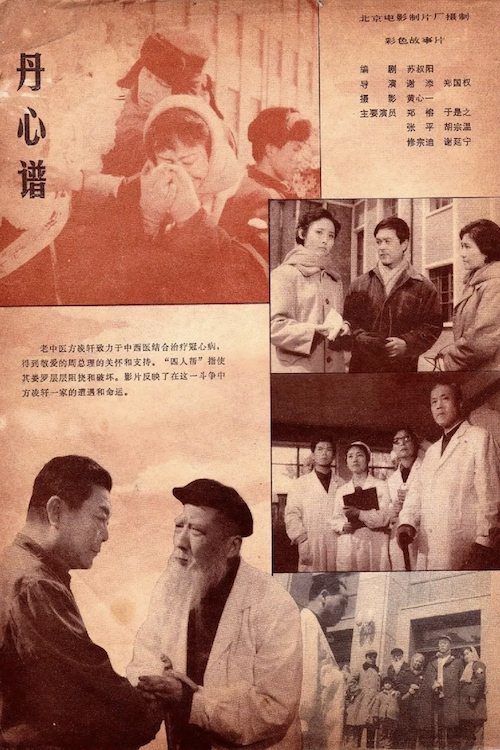
Drama written by Su Shuyangin in 1978. The feature film adaptation was produced by Beijing Film Studio in 1980. Fang Lingxuan, a veteran Chinese medicine doctor, devotes himself to the research of new drugs for coronary heart disease and receives the enthusiastic support of Premier Zhou Enlai. But the Ministry of Health, controlled by the "Gang of Four," uses Fang's son-in-law to obstruct the research. Just as Fang and his colleagues finally succeed in producing a new drug, Premier Zhou dies. Grief turns into strength, and despite persecution, Fang works hard.
In 1947, the Northeastern People's Liberation Army won a major victory in fierce fighting. In need of work, Molong Wang and his wife Juan Zhang were sent to work in Taohuachuan, a remote and difficult new area. As soon as he arrived in the district, Molong Wang and district official Chenzhong Liang went to the village and saw the fields dry up. The dam needed to be urgently repaired. The daughter of the village kulak Xumei Sun and the Kuomintang agent Jiantou Li conspired to provoke a series of problems to undermine the unity of the two villages in order to crack down on the new head of the district, Molong Wang...