Acting
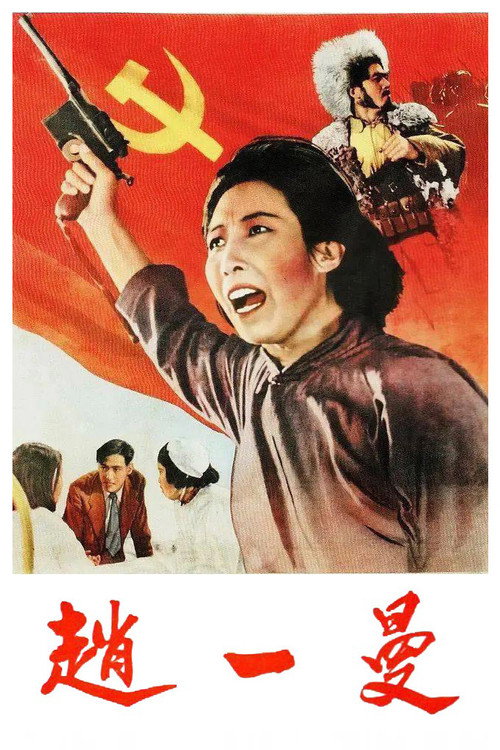
The life and death of Zhao Yi-Man, a female member of the Chinese resistance
Beijing, 1970s. The Cultural Revolution has driven most adults to the provinces leaving 14-year-old Monkey and his pals with free rein over the city. They hang around, get up to no good, and discover that unsolvable mystery known as "girls."
A guerrilla group led by Li Xiangyang are ambushed by the Japanese invasion army during the War of Resistance.
No description available.
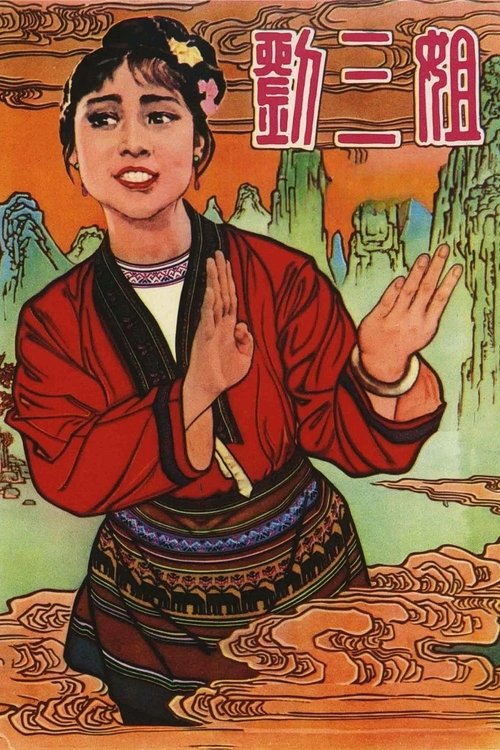
Liu Sanjie is a story that originates from the Zhuang minority people; the largest of the minority groups in China. It’s based on the legend of a woman called Liu Sanjie (literally meaning “third sister of Liu family”). Across generations, the story has become an oral tradition amongst these people and similar characters have even been found to exist in other minority cultures. According to legend, Liu Sanjie had the gift of a beautiful singing voice from a very early age. So beautiful was her voice, she could quell anger and raise the spirits of the people around her. The story became famous around China when the movie Liu Sanjie was released in 1960 – a rare musical production in Chinese cinema.
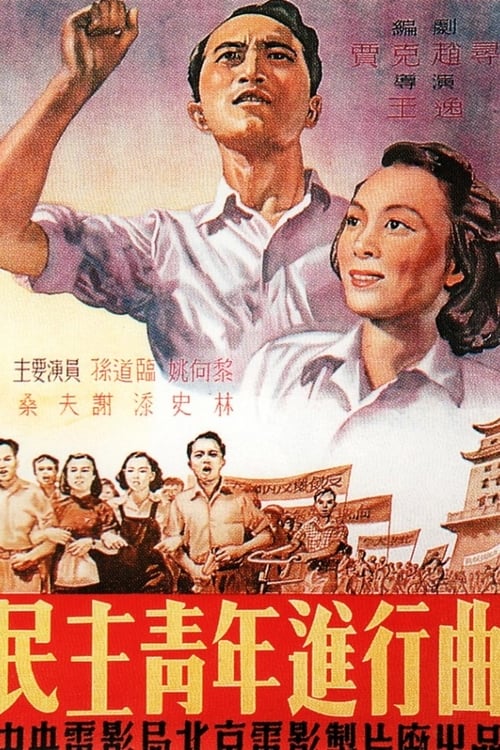
Occurring at the time of the Chinese Civil War, following the victory over Japan, Nationalist agents fail in trying to destroy the student movement in Beijing.
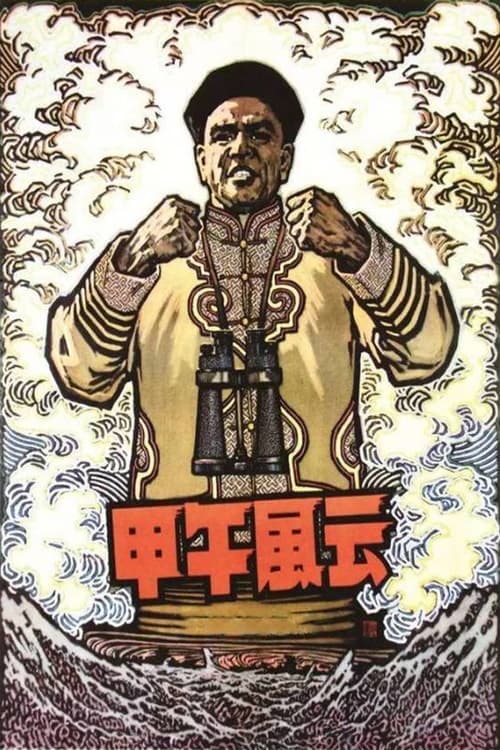
In 1894 the Japanese Imperial Navy provokes the Chinese navy to test defenses. Some Chinese want to make concessions while others want to fight. When Japan invades, some naval officers put up a heroic resistance.
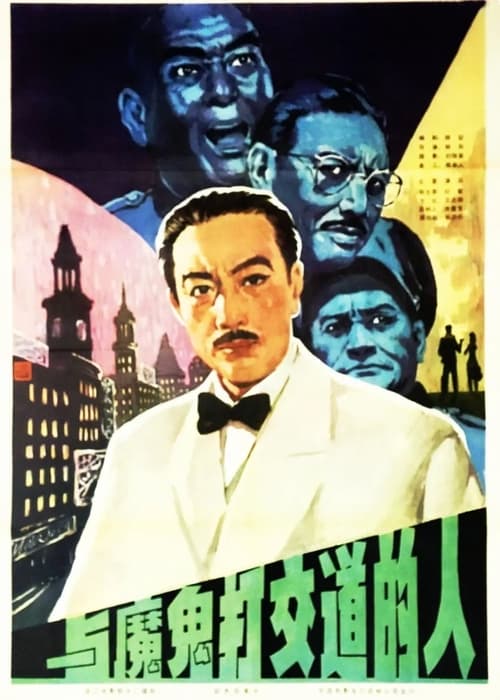
Based on the drama of the same name performed by the Shanghai Youth Repertory Troupe, the film tells the story of the underground CCP member Yu Haitao, who used the alias of Zhang Gongfu, and was active in the Shanghai economic circle as a businessman, fighting against KMT agents and crushing the enemy’s secret plans.
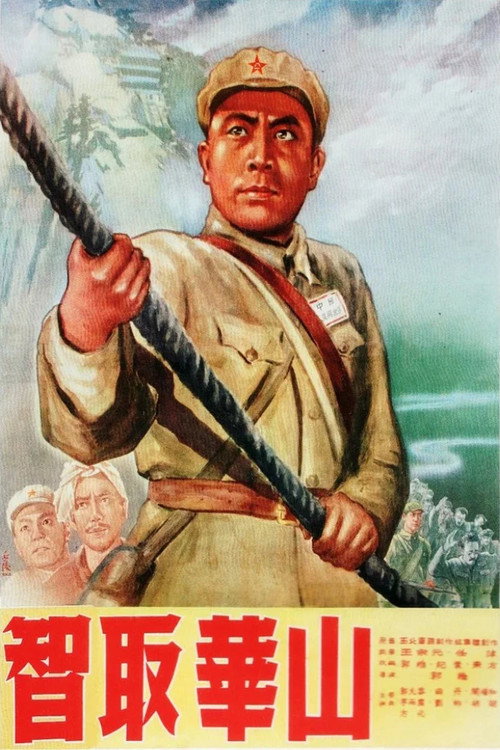
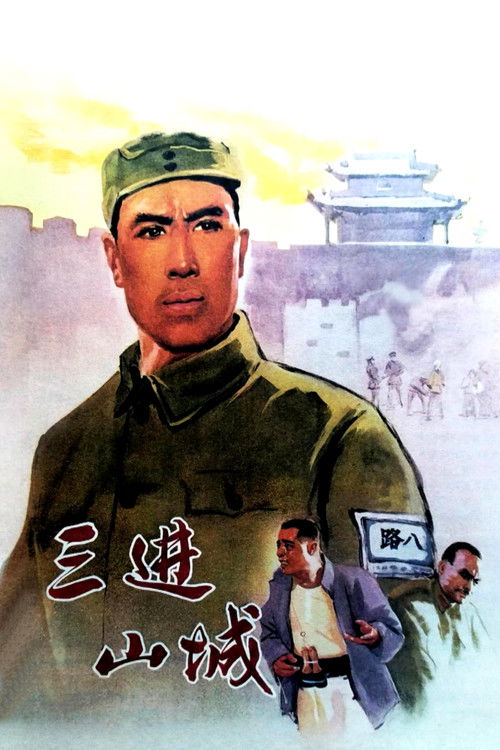
After the major campaigns, the Liberation War’s focus shifted to the northwest. Hu Zongnan retreated south, and Fang Zhiqiao led his remnants to Mount Hua, known for its rugged terrain. Fang deployed forces at key passes, but a military intelligence officer, with herbalist Chang Shenglin’s help, cut off enemy communication by reaching the North Peak. A political offensive led to the surrender of the enemy at Qianshi Zhuang, controlling all passages between the North and West Peaks. Trapped, Fang Zhiqiao’s troops, with shattered morale, launched a futile counterattack, leading to his despairing lament.
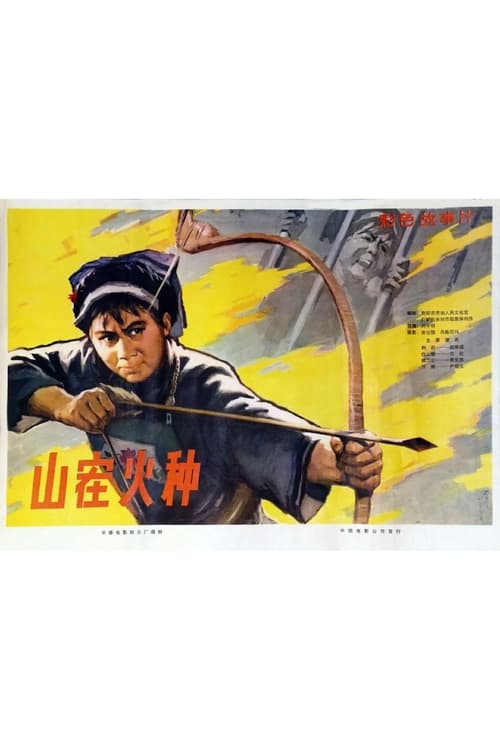
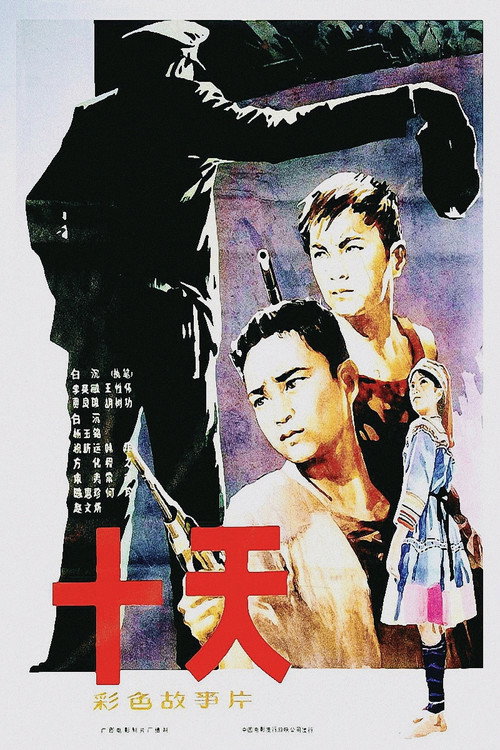
Set in the Chinese Civil War, Guangxi, a southwest China province. Three teenagers must send a secret letter to the guerrillas in ten days.
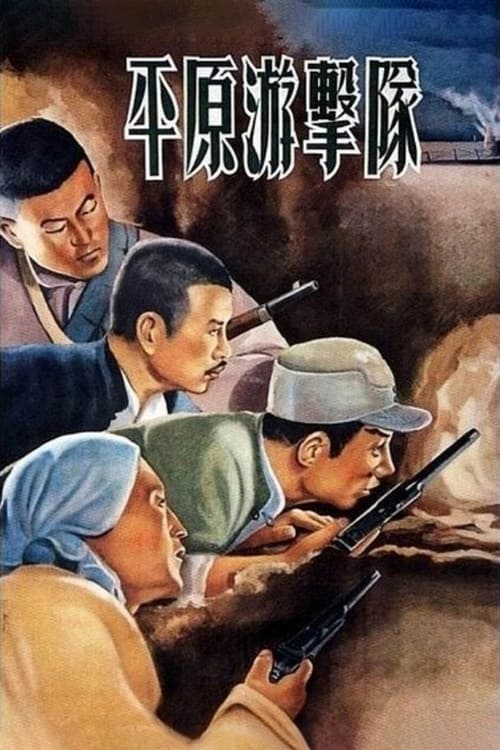
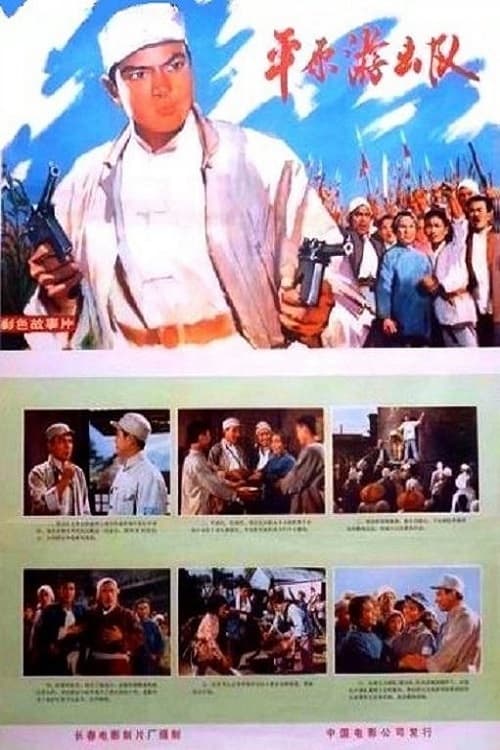
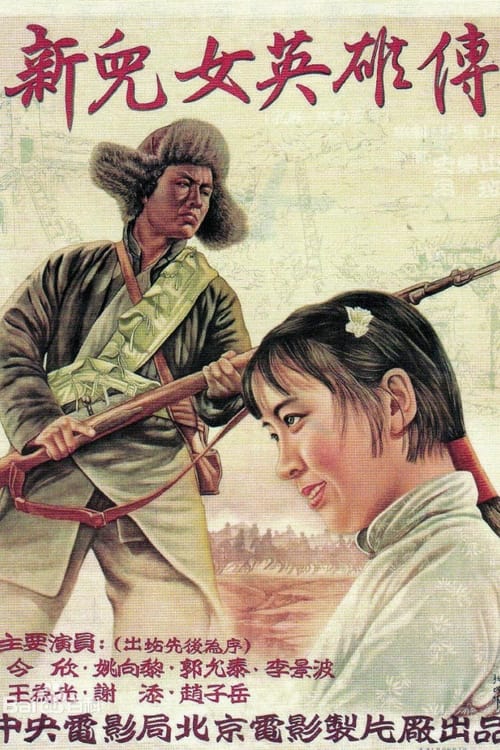
During the early War of Resistance Against Japan in Baiyangdian, Hebei, the Yanling Squad, led by Communist Party member Hei Lao Cai, conducted effective guerrilla warfare. Yang Xiaomei, fleeing abuse from her husband Zhang Jinlong, joined the squad and developed feelings for farmer Niu Dashi. Zhang Jinlong, unable to change, defected to the Japanese. As Japanese sweep operations intensified, Xiaomei, Dashi, and Zhang Jinlong faced different paths in the conflict.
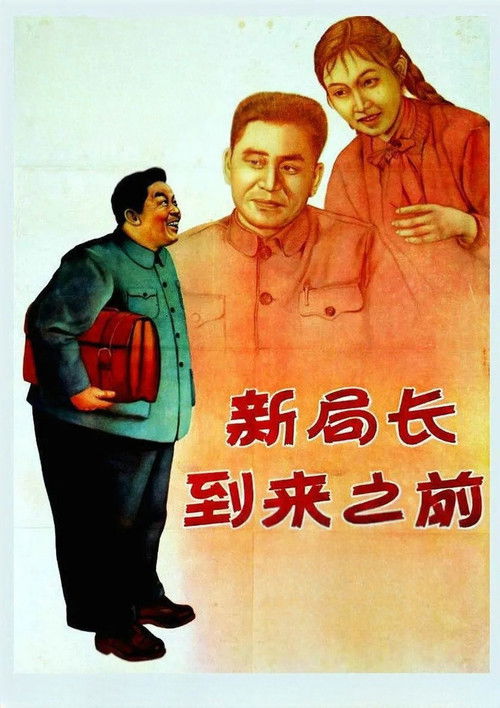
Niu, the chief of the general affairs section of a bureau, who goes to great lengths to renovate the director's office before the new director's arrival, yet dismisses and evades the more down-to-earth issues. When the director finally arrives, everything goes out of control.
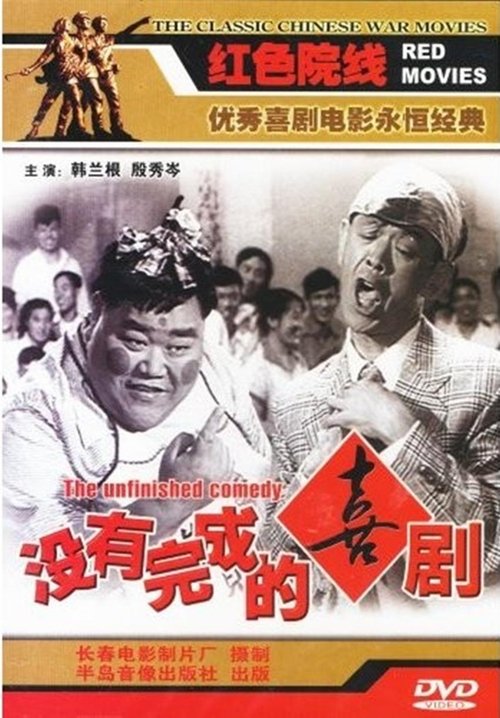
Two famous comedians from pre-Revolution days perform a series of sketches in a theatre for a group of Party cadres. The stage performances blend over into absurdist, self-contained fantasy episodes where the two comics allegorically parody Party propaganda and ideological orthodoxy.
Chinese drama from 1980.
Unfortunate events beset a poor Chinese girl as she escapes from invading Japanese forces, narrowly avoids being raped, and seeks solace in a neighboring village.