Directing
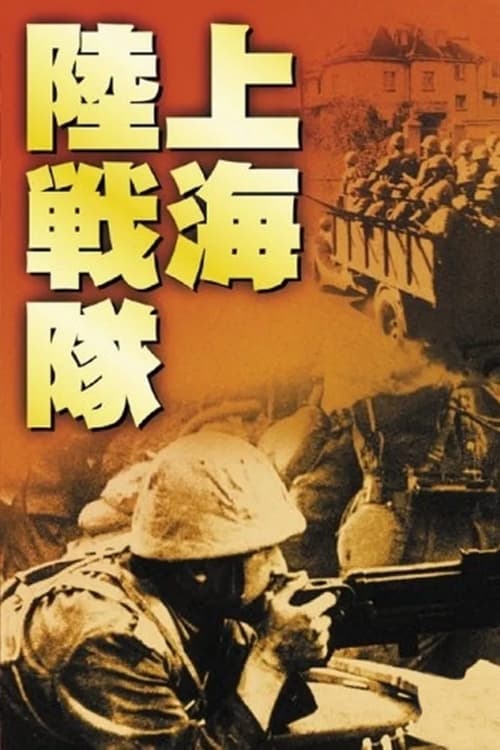
This film attempts to reconstruct the tension of the Battle of Shanghai through an episode in an understated way, introducting its story in a documentary mode. In the film story, Japan's marine regiment protects Japanese residents and Chinese refugees-women and young children-from rampant street fighting, Shanhai Rikusentai unsparingly uses its first eight minutes for an official-mannered self-justification of the war. From the viewpoint of explaining Japan's military operation,the narration refers to the city s spatial division in sync with maps on screen.
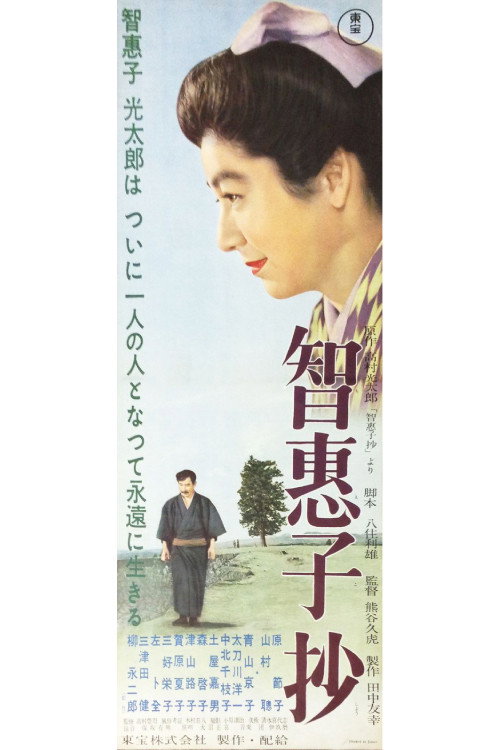
Adapted from a poem, which was composed by poet and sculptor Kotaro Takamura, Chieko-Sho is the story of the artist's wife Chieko. The poet meets a woman, who also as an artist illustrates, one day. They marry and have a good life spending many years together. One day, however, she loses her mind and has to be confined to a hospital. The poetry was some of star Hara Setsuko's favourite even before her involvement in the film.
No description available.
Following the Second World War, the lives of various people in a poverty-stricken area of Tokyo are entertwined. Pachinko parlor girls, shoeshine boys, a maker of costume jewelry, and a streetcorner artist all struggle to make their livings and to find happiness in difficult surroundings.
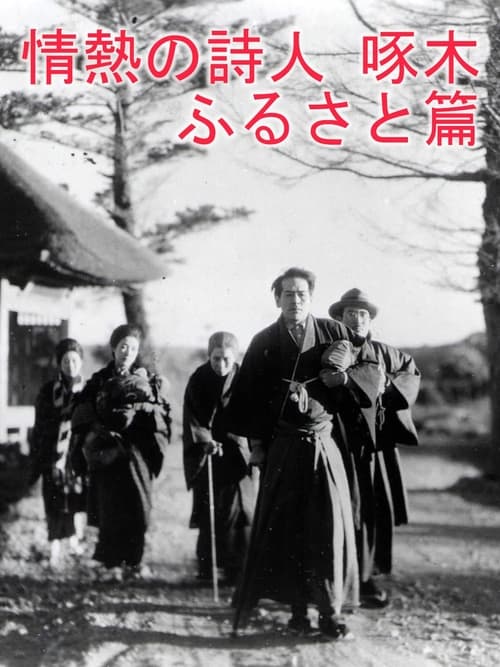
Film about poet Ishikawa Takuboku
After killing a detective in a botched robbery, Keiichi (Natsuki) is on the run as police stake out the homes of his sisters, mother, and girlfriend.
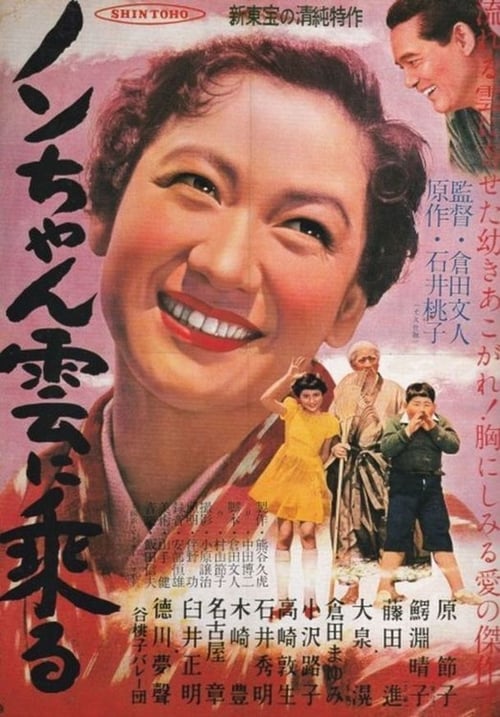
A little girl who falls into a lake and is saved by a god who then takes her up to the clouds and shows her what the world was like before she was born and what the world would be like if she where never born. While in the clouds she meets her grandparents and a few other people she loved who have passed on.
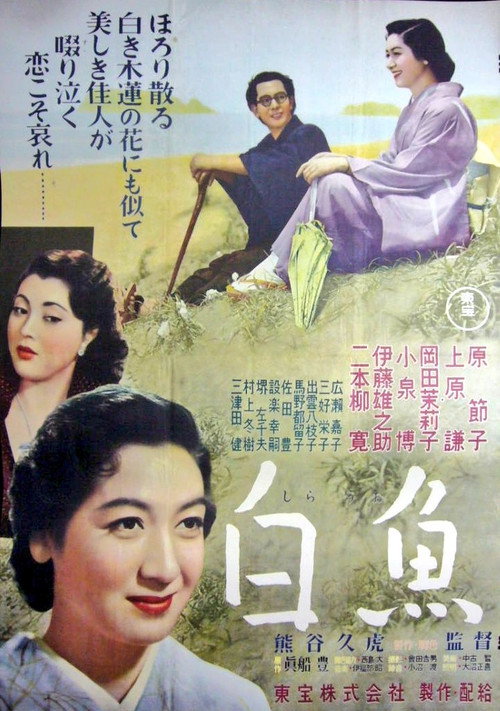
A family comprised of a man, woman and their only son is torn apart when the father, who is a doctor with his own clinic, is to go off to war. Soon the wife and the son are left without an update of his status and whether he is alive or not. With the clinic lying dormant the doctor's wife rents the premises to her husband's underling. This is a man who does not accept payment from the poor. The woman, in the meantime, works at a restaurant whose owner being ill has given her additional duties. Her younger sister is an unmarried finance writer who also lives with them. It is both sisters, however, who receive marriage proposals.
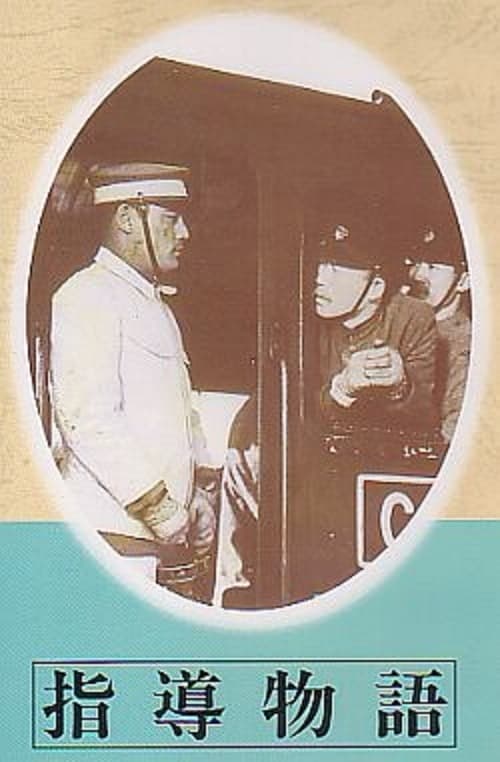
In this semi-documentary, an older locomotive driver is tasked with training younger ones and is currently training two in particular. The old man is finding the task overwhelming as it is hard work with practical lessons and classroom components. His wife has died, but he has three daughters with the oldest taking care of her younger siblings.
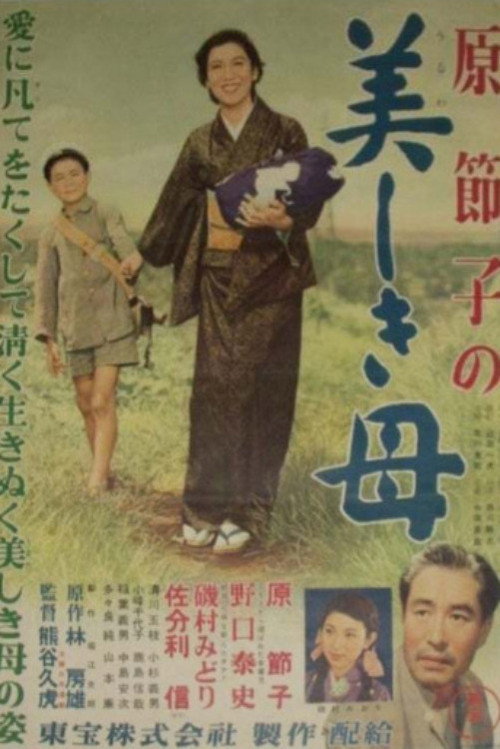
When a family comprised of a couple with one son is hurled into poverty when the businessman father loses his business, the mother and son move to stay with their former maid. With the father departing to the mountain still in search of gold, his wife begins the hard work required at a paper mill so they can make ends meet and the son can attend school. However, when one day a friend notices the son's talent at drawing she helps him obtain a part-time job thus helping him afford his school textbooks. Then the father returns.
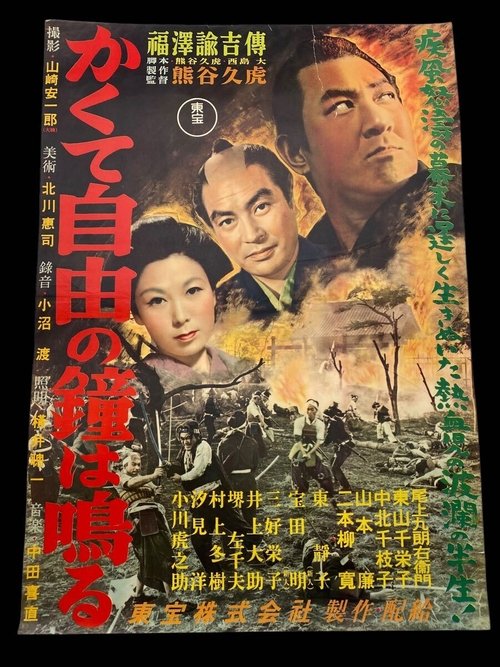
Set during Japan's Bakumatsu period, the film follows Fukuzawa Yukichi, a poor samurai's son who defies societal norms to study Dutch and English. Despite facing opposition from his family and nationalist factions, he founds Keio University, becoming a key figure in Japan's modernization amid political turmoil.
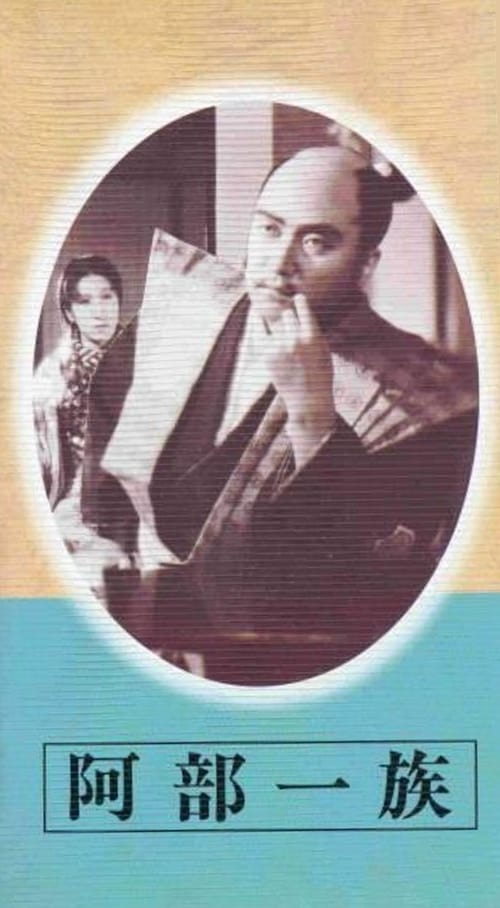
“19 vassals of Lord Hosokawa ask permission to commit harakiri with him, as a demonstration of their loyalty. Only Yaichiemon Abe is refused permission, forced instead into the vassalage of his lord’s successor. Humiliated and derided, Yaichiemon eventually commits harakiri without permission. His eldest son is then punished for Yaichiemon’s suicide, and when he resists, is sentenced to death. The entire Abe clan rebels upon the son’s execution, and the clan is annihilated.” --Alan Poul, Japan Society