Acting
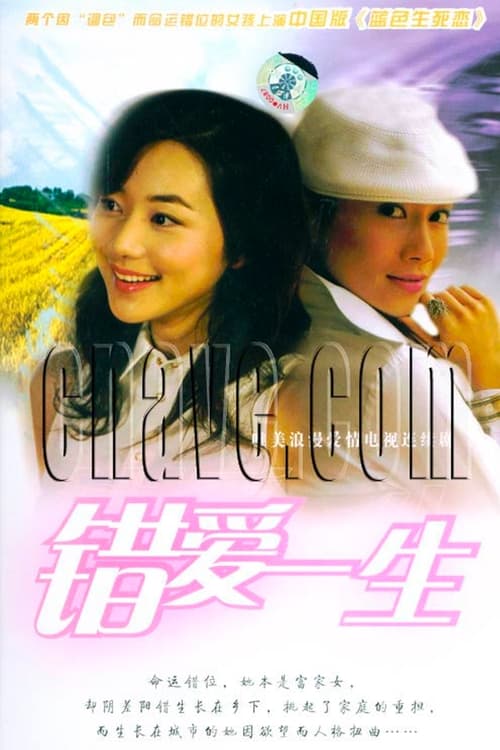
Chen Jianghe is an orphan, picked up and taken home by Chen Jinshui. While growing up, he picked up various business strategies from the adults around him. Now an adult, he nurtures this business acumen by travelling throughout China. It is during these travels where he meets Lu Yuzhu who shares a similar situation in life, as well as Yang Shiu, a wealthy girl who just returned from living abroad.
No description available.
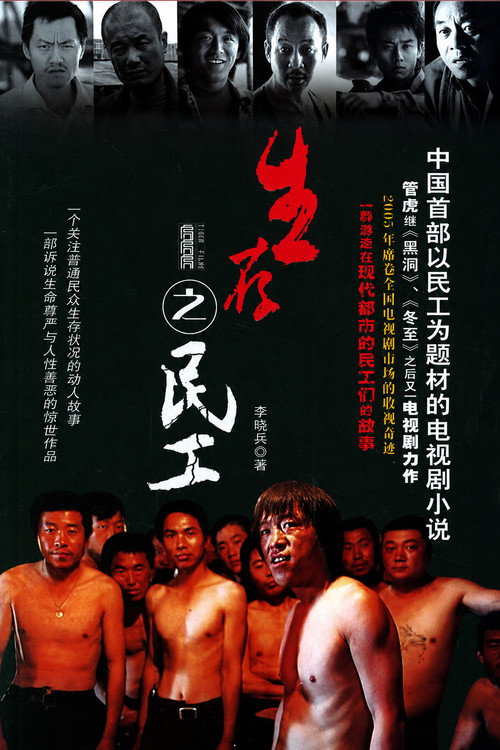
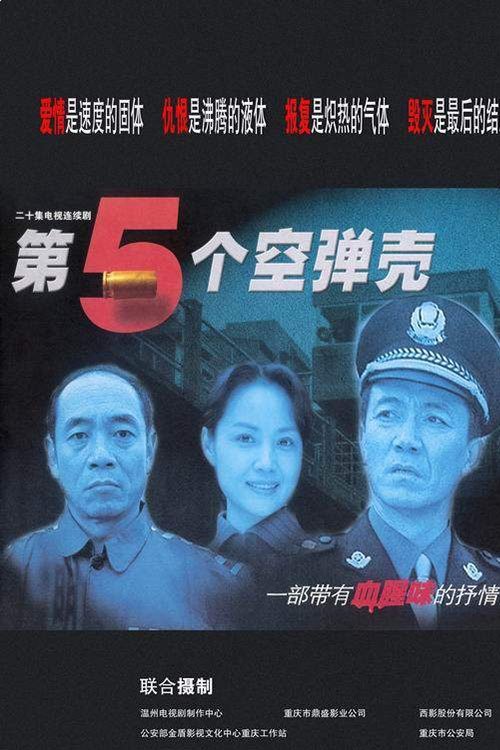
The story takes place in Songjiang City, a small town in the northeast. A group of migrant workers from all over the country, with all kinds of dreams, gathered on the construction site of the Champs Elysees apartment. They know that after they have built up with sweat, they are the dream bed of the city's people tomorrow. Don't ask for anything else, as long as you don't owe wages, thank God. In the shacks of the shacks, hundreds of migrant workers of different ages and temperament are crowded together. They ask the foreman, Xie Laoda (Ma Shaozhen), and the wages in arrears are issued. Many people point this money to send their children to school and for the elderly. see a doctor. Xie’s answer was disappointing and angry. The desperate migrant workers opened the office of Zhang Jian (Hu Xiaoguang), the person in charge of the construction site. Who knows that he has already escaped. In the face of hard-earned money being misappropriated by others, migrant workers are forced to collect collectively, but waiting for them is a shameless threat and intimidation. At this time, who can help this group of helpless migrant workers?
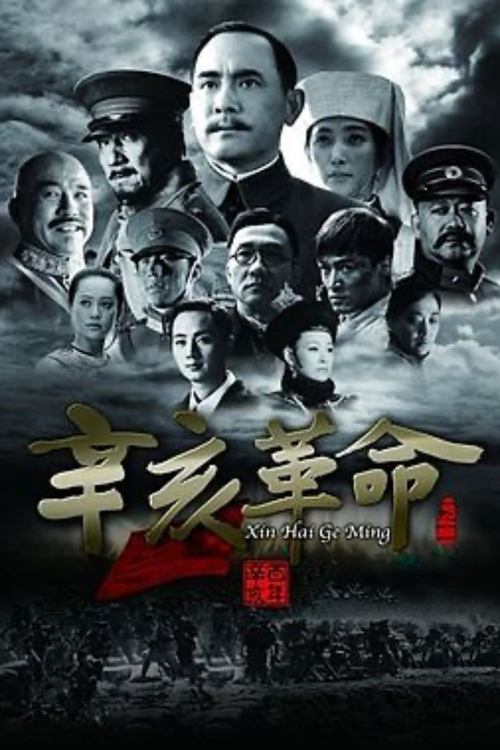
China's first President Sun Yat-Sen and military commander Huang Xing lead the revolutionary Wuchang Uprising in a bid to put an end to the reign of the Qing Dynasty.
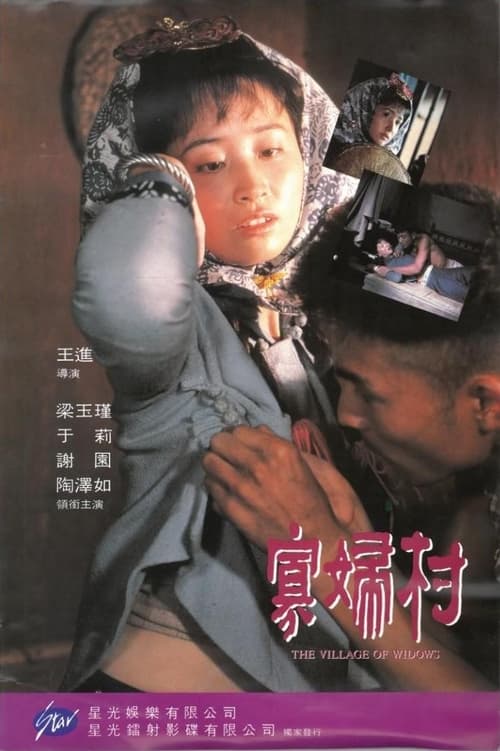
In 1949, a small Chinese fishing village populated almost entirely by women awaits the establishment of a government by the newly victorious communist regime. In addition to other worries, the villagers wonder how the government will react to their traditional customs, which decree that wives may only see their husbands three times a year, and the circumstances under which they are permitted to become pregant are very limited. In addition, those who are caught violating these rules are drowned. The almost exclusively female population of the village is explained by the fact that most of the male population died during an ocean storm. Winner of the Hundred Flowers Award for Best Film in 1989
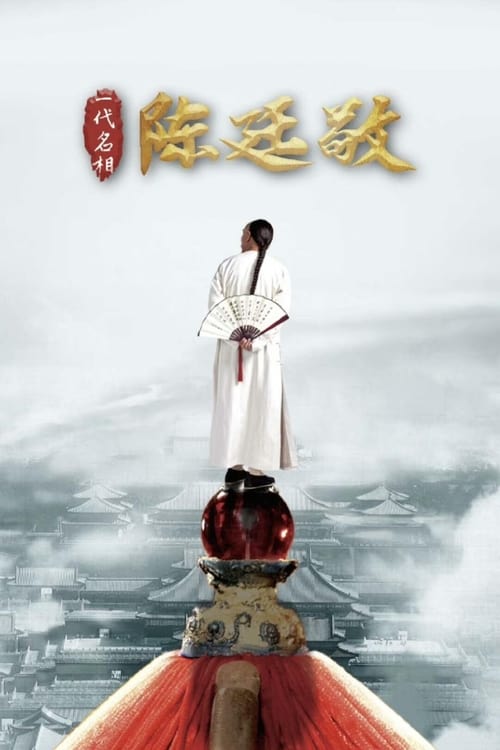
A story that follows Chen Ting Jing, a righteous man who becomes a premier of the Qing Dynasty. In the 23rd year of the reign of Kangxi, Chen Tingjing receives orders from the Emperor to investigate a fraud case in Shuntian Village. The case ignite Chen Ting Jing's difficult campaign to fight corruption and promulgate reform as he becomes embroiled in the political struggle amongst powerful factions within the royal court.
Lu Jiangtao, driven by wealth, loses his moral compass, using those closest to him for personal gain. In contrast, his older brother, Lu Haibo, upholds strong family values and business ethics. As they navigate the challenges of life and business, the siblings must overcome their differences to achieve success.
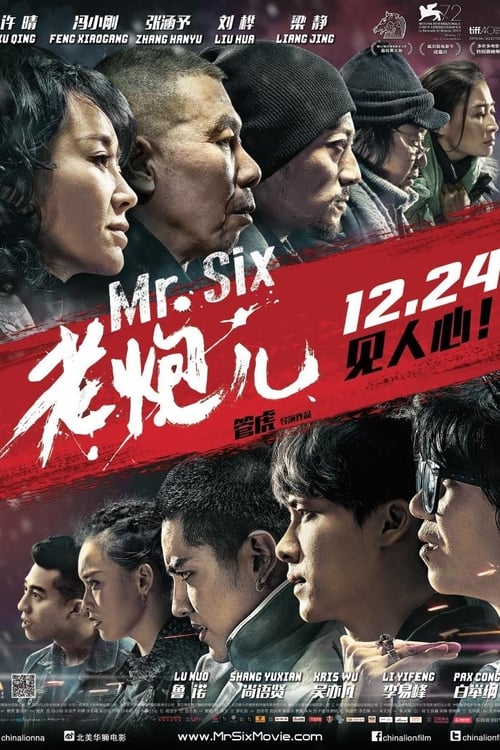
Many years ago Mr. Six was a notorious gangster. That was back when there was still such a thing as honour among thieves, when criminals earned respect and maintained principles. These days Mr. Six is all but forgotten, a living relic residing in a narrow alley. One day Six's son, Xiaobo, is abducted by some spoiled punks after he scratches their precious Ferrari. Mr. Six realizes that he must do whatever it takes to get his son back — even if that means returning to the life he thought he had left behind.
A Chinese television series based on historical events in the late Ming Dynasty during the reign of the Tianqi Emperor.
The tale of one man who fought against the tyranny of a ruler and led his people in battle in the ultimate sacrifice for his country.
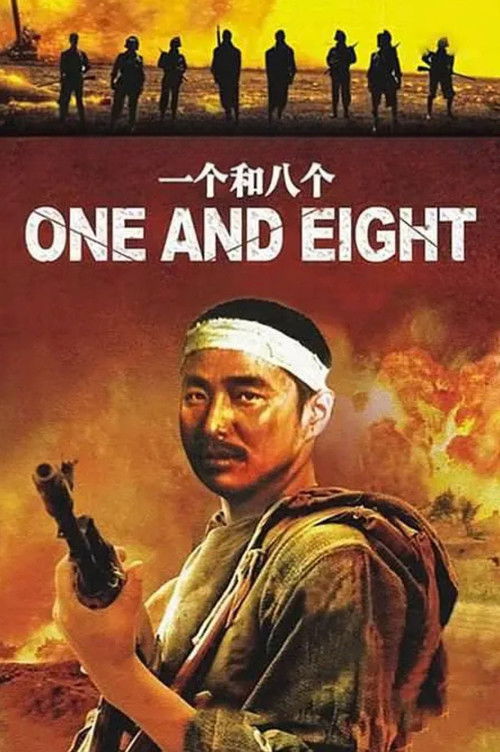
Director Zhang Junzhao's superbly tense revisionist war film (featuring striking cinematography from future Fifth Generation standard bearer Zhang Yimou) is widely considered to be the first work of Mainland Fifth Generation cinema.
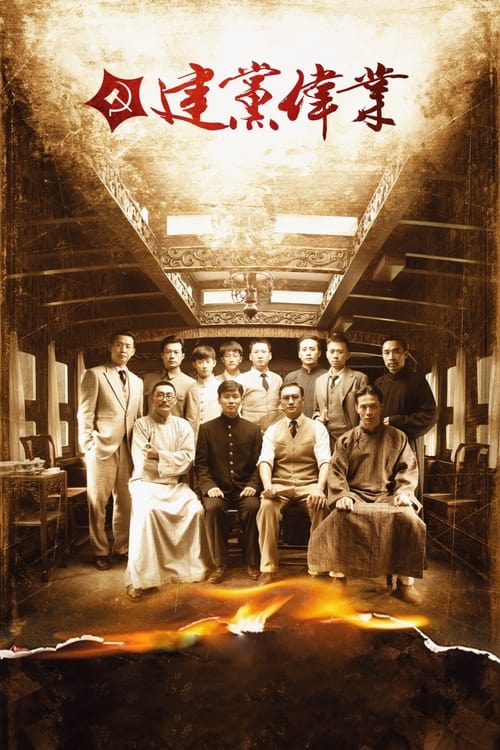
A chronicle of the events that led to the founding of the Chinese Communist Party.
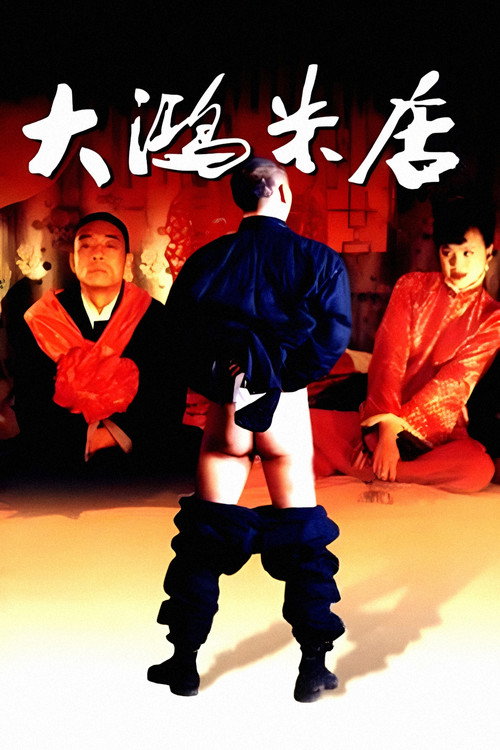
Shot in 1995, but banned until 2004, this is an adaptation of Su Tong's novel about a shrewd amoral country boy who arrives in the big city in the 1930s and works at a rice emporium.. Initially pushed around, he learns the ropes in his new environment quickly, eventually climbing to the position of boss by marrying the daughter of the house.