Sound
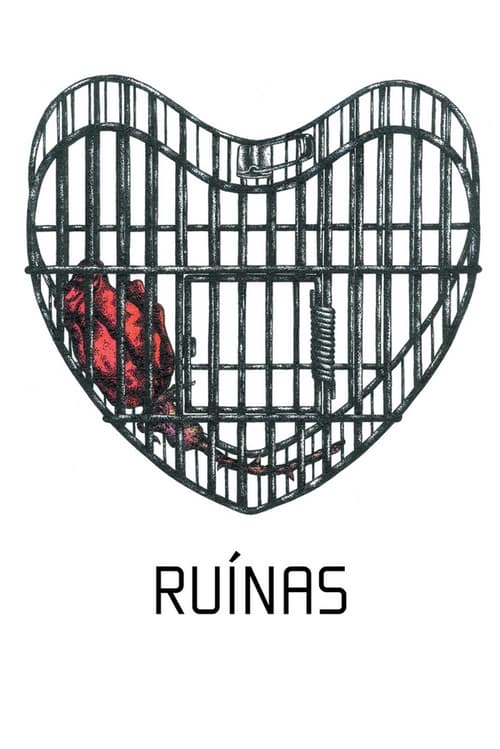
Fragments of spaces, buildings and structures, memories and remains of past eras, places of work or leisure now inhabited by our memories alone, or really forgotten. Dead things or living proof of time, natural elements, and human predators themselves.
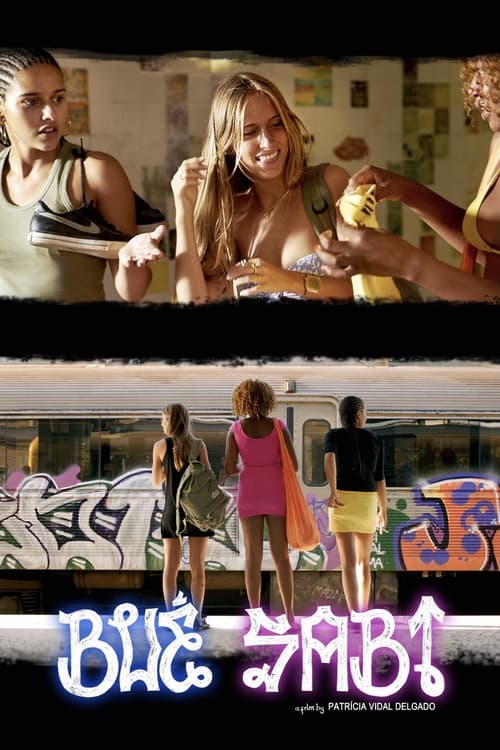
'Bué Sabi' (pronounced "bweh sabi") portrays the unlikely friendship of three female characters: a troubled girl of Gypsy descent who lives in one of Lisbon's toughest neighbourhoods, her best friend from Cape Verde and a young middle-class girl. Apart from their differences, they are good friends. Until one fateful night in Lisbon...
A nun is called upon to adopt her 15-year-old nephew, and as a consequence religious, familial and sensual love become entangled.
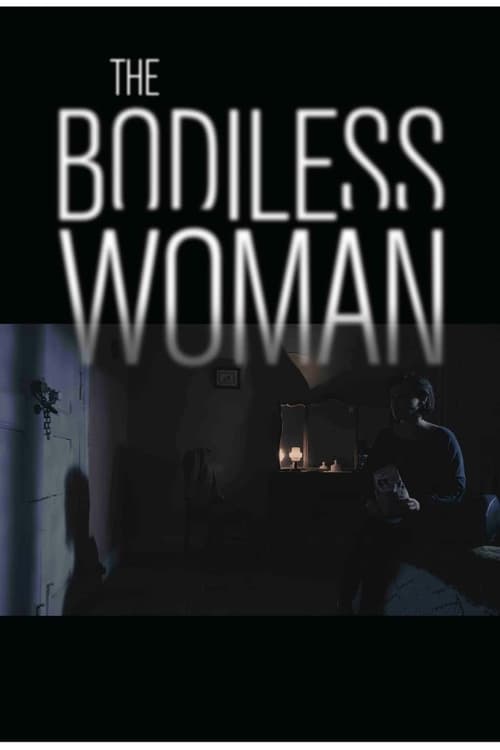
The Bodiless Woman is an intervention film about the violence perpetuation and, above all, about the victim’s dignity and her deliverance.
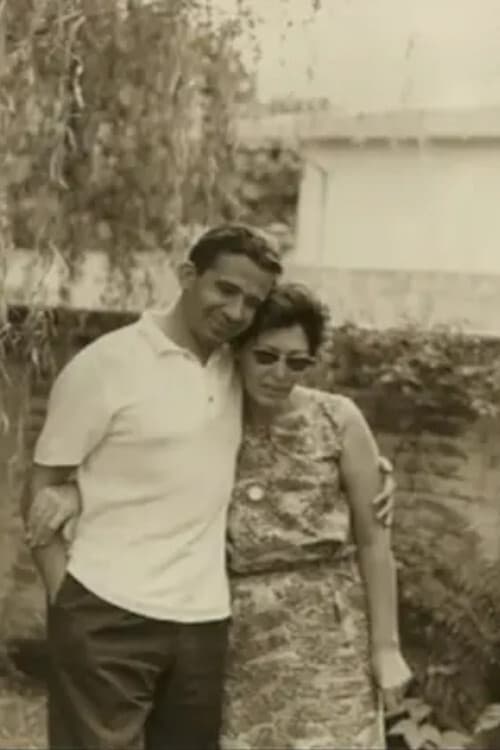
A poignant personal story. Do we want to know it? Sérgio tries to understand the troubled past of his mother, Fleurette, 79 years old. Notwithstanding her resistance to his questions, little by little, throughout the film she reveals almost another life where love is closely related to politics. From occupied France and Nazi Germany to the Brazilian dictatorship and the Portuguese revolution.bright and powerful speech magnetizes the audience.
No description available.
A journey inside the tram crossing the city of Lisbon while listening to fragments of Fernando Pessoa's poetry.
It's a summer weekend in a country house near Sintra, in Portugal. Fourteen-year-old Nicolau is spending a couple of days with his older brother Simão and his friends, all of them in their late twenties. Everyone is drawn to the beautiful and quiet Maria do Mar, but Nicolau will see his life the most deeply shaken by her. Between homework and tree-climbing, stories about a deceased philandering grandfather and the origins of the tortellini's shape, a friend in a costume nursing a broken heart and seduction games, Nicolau observes this group of young adults.
In Alhambra, between the mountains and the river, a train runs through the village. Oscar, forty-eight years, has worked for the last twenty-fifth years in the same factory, and finds himself awaiting for the resolution of the court on the application of the insolvency of the factory where he worked. With the suspended production and the unpaid wages, Oscar and his colleagues continue to appear daily to work hoping that they can keep their jobs.
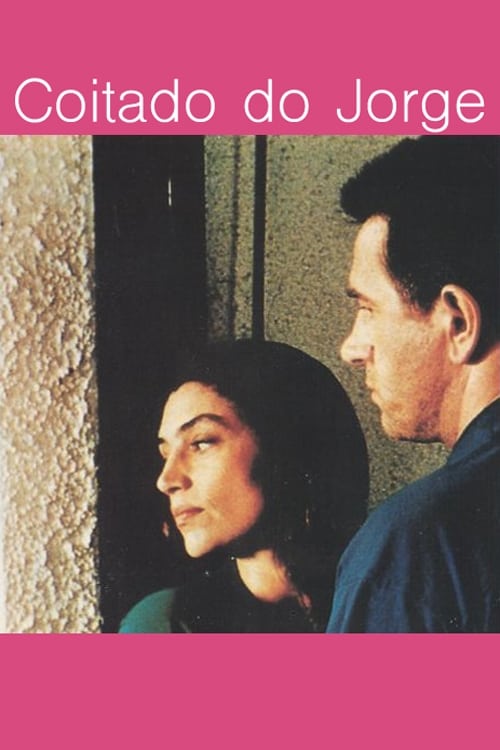
One night Jorge will meet with a Japanese industrialist, who will allow him to abandon his teaching position and resume his chemical work. However, when he gets home he finds a person there.
Joaquim Bravo (Évora, 1935 - Lisbon, 1990) exhibited for the first time in 1964, inaugurating what would become one of the most decisive Portuguese galleries, the 111 in Campo Grande. Its doctrinal influence and its enormous capacity for enthusiasm would mark in the early sixties Évora's group of painters (Lapa, Palolo) and, in the 80's, artists such as Xana and Cabrita Reis. At his death, a moving tribute was paid to him by a huge and varied group of artists ranging from João Vieira to Miranda Justo. His work is scattered in a large number of private and institutional collections.
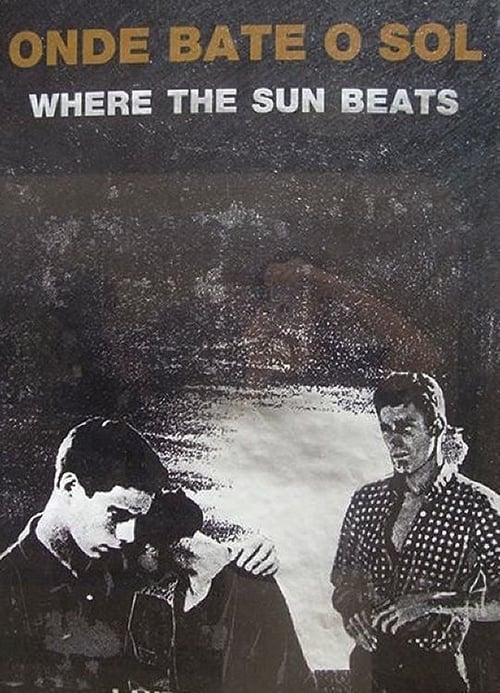
Fernanda, António and Quim are travelling by train to a provincial Portuguese industrial city. Fernanda, a teacher, agrees to replace a pregnant colleague. António is returning to the home he was forced to flee long ago, accused of setting fire to the Duarte’s factory. At the station he bumps into Mariana who is in love of him. António is not welcome and is violently attacked by a group connected to Duarte ...
This is the way you hold the racket to play a forehand. Just move your arm back, the left shoulder facing the ball, step forward with your left foot, hitting the ball.”
In mid-summer 2011, Paulo Carneiro and set out as assistant director for a film crew working on a project on the west African coast. There he unexpectedly ended up shooting his own film, a documentary report about a sinking ship near the coast of Guinea-Bissau on which he was a passenger. The digital camera records the growing panic on the ship after it has gotten stuck in the ocean in an oppressive nighttime atmosphere. In shaky interview footage, we see passengers move from an initial apathy to nervous anxiety, and from there fluidly to a fear for their lives. The growing tension on board is reflected in the film's ever quickening tempo.
The Portuguese Revolution (1974-75) seen through the eyes of some of the most important photographers and filmmakers that witnessed the event. Their dreams and expectations and what came out of the revolution. With outstanding historical footage.
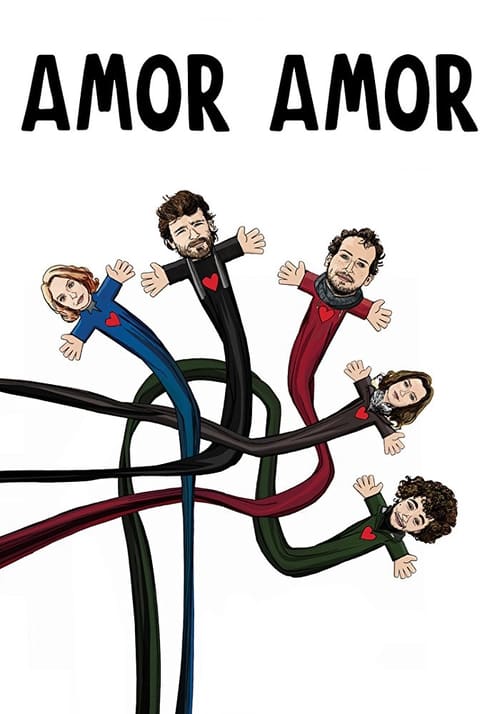
Marta and Jorge have been a couple for seven years. All their friends think they are living a perfect romance. Too perfect, perhaps, for the despair of all: Bruno, who is much younger than Marta but madly in love with her; Lígia, who is Bruno's sister and Marta's best friend and would love to see her brother happy; Carlos, Jorge's friend, who maintains a superficial romance with Lígia while secretly in love with Marta; and for Jorge himself, who is afraid this idyllic romance will imprison him and, convinced that his love and his lover's desire to marry will take away his freedom, decides to show her the way into Carlos arms.
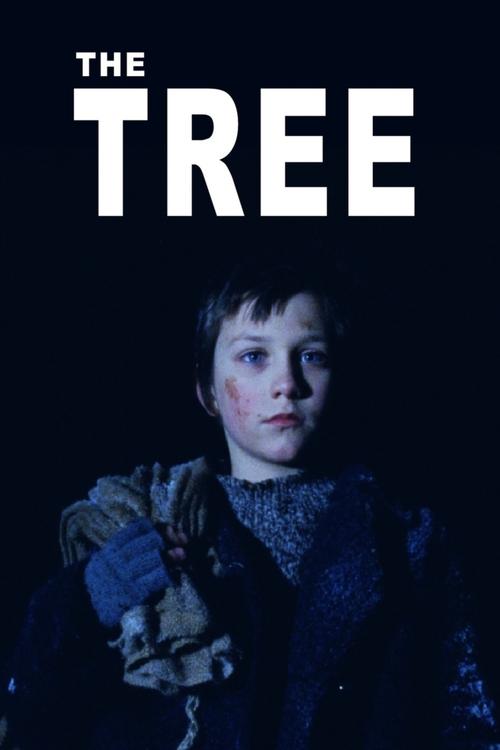
A man, a child, two wars, a river, a tree. A man and a child meet under a tree on a river bank, sharing the same memory and a secret. They find in each other the serenity, the silence and the time they lost in the flowing water of the river.
Laura lives in the country with her considerably older husband. When Nuno, her brother who study in Lisbon, pays a visit, he realizes that his sister does not have a happy life. He initiates a friendship with a worker on the farm. The circumstances turn Laura and Nuno against each other...
In the course of one afternoon, Raphael's paradise turns into a spiral of guilt and paranoia.
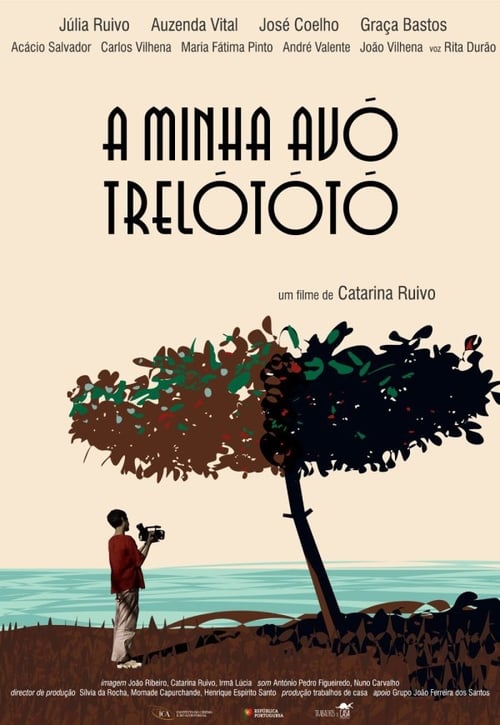
«My grandma had a great strength and love for life which made me believe that some of us were able to become immortals and escape death. When she passed at the age of 92, her death was a surprise to me, which I was not prepared for. The cinema has the immense power of creating the illusion of life and its protection. This film is my attempt to rescue my grandma from death. It is not a documentary about my grandma but a film with my grandma. I wanted to film a ghost and then return it to the realm of the living, like Orfeu tried with Eurídice. It is a route to resurrection. It is my way of giving her immortality which I deem to be her right.»