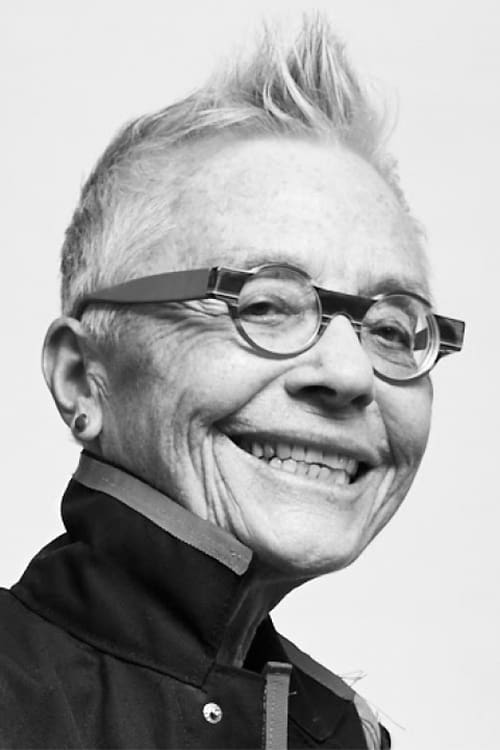
Barbara Hammer
Directing
Biography
Barbara Hammer was born on May 15, 1939 in Hollywood, California. She was a visual artist working primarily in film and video. She made over 80 moving image works in a career that spanned 40 years. She is considered a pioneer of queer cinema.
Known For
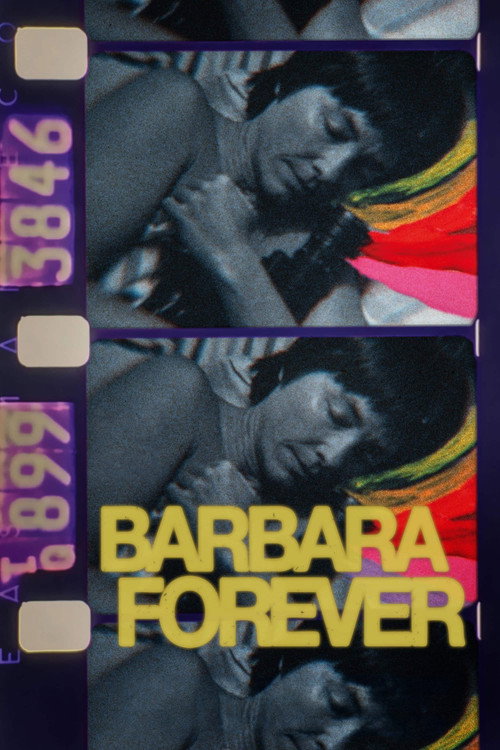
An archive-driven exploration of the life, work, and legacy of iconic, pioneering lesbian filmmaker Barbara Hammer.
Barbara Forever
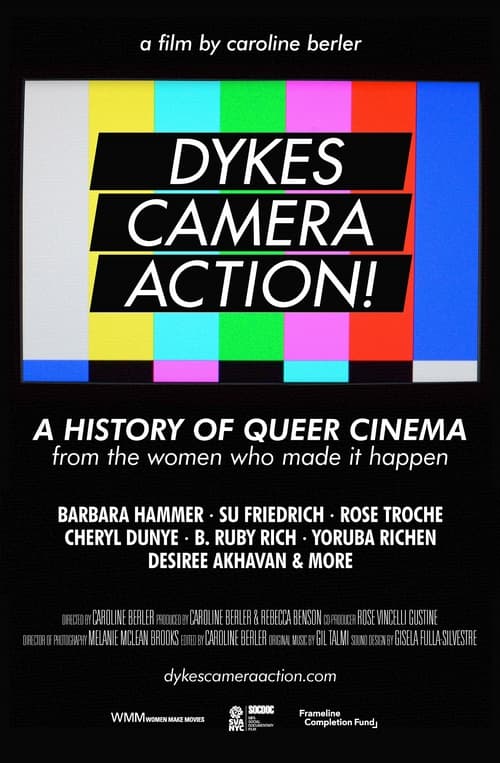
The film examines the ways that women directors have contributed to this genre and emphasizes the role that the media play in representation of sexuality and gender, underscoring the power that film has to shape our perceptions of one another. Visually, this documentary comes to life on screen through compelling and intimate original interviews, intercut with emotionally-charged archival footage, photographs, ephemera, inspired music, and film clips.
Dykes, Camera, Action!
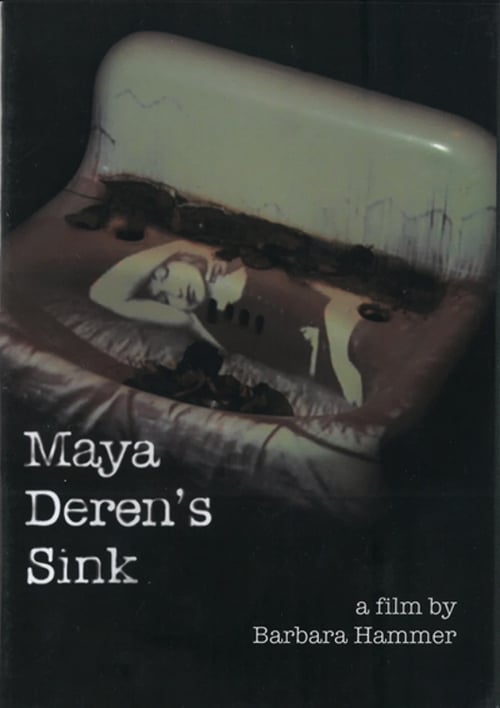
Maya Deren's Sink, a 30 minute experimental film, is an evocative tribute to the mother of avantgarde American film. The film calls forth the spirit of one who was larger than life as recounted by those who knew her. Teiji Ito's family, Carolee Schneemann and Judith Malvina, float through the homes recalling in tiny bits and pieces words of Deren's architectural and personal interior space. Clips from Maya Deren's films are projected back into the spaces where they were originally filmed appearing on the floorboard, furniture, and in the bowl of her former sink. Fluid light projections of intimate space provide an elusive agency for a filmmaker most of us will never know as film with its imaginary nature evokes a former time and space.
Maya Deren's Sink
What do filmmakers as disparate as Kevin Smith, Ed Burns, Rob Epstein, and Barbara Hammer have in common? A secret weapon known as Bob Hawk. As a veteran of the American independent film scene since its inception, the cinephile and consultant has been a regular, cherished presence at film festivals and markets for over three decades. Hawk saw promise in scrappy, independently produced films like Clerks and The Brothers McMullen when no one else even knew to look, and he brought these films to the attention of the Sundance Film Festival, thereby launching multiple careers in the process. An unsung champion of new voices, he has discovered innovative work, nurtured new talents, and brokered relationships with film festivals and critics alike, while staying out of the spotlight—until now. At 75, Bob Hawk looks back on a still-vibrant life in independent film, exploring how the rebellious gay son of a preacher found his calling as a behind-the-scenes film impresario.
Film Hawk

Through intimate interviews, provocative art, and rare, historical film and video footage, this feature documentary reveals how art addressing political consequences of discrimination and violence, the Feminist Art Revolution radically transformed the art and culture of our times.
!W.A.R.: !Women Art Revolution
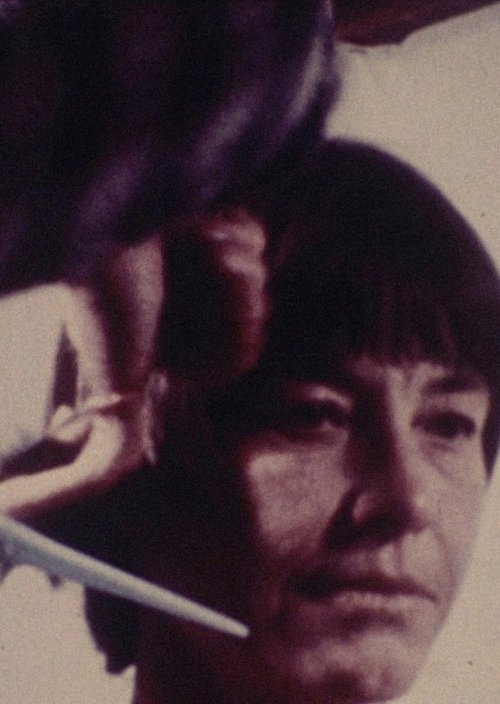
A personal ritual of strength is getting a haircut
Haircut
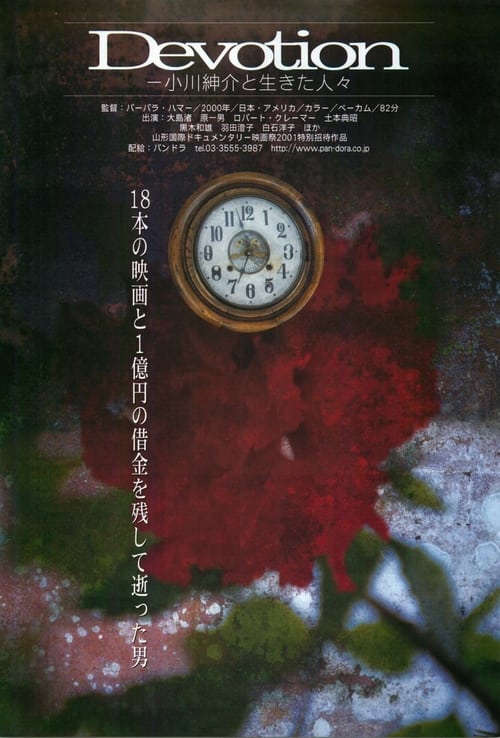
Devotion investigates the extremely complex and heirarchical relationships among a committed group of Japanese filmmakers who dedicated up to 30 years of their lives making films for one man-Ogawa Shinsuke. Members of Ogawa Pro filmed the student movement of the late 60's; the fight by farmers to save their land from government confiscaton for the Narita airport at Sanrizuka; and the village life of a small farming community, Magino Village, in northern Japan. These heartbreaking and sometimes funny stories have never been told on film before. Rare footage, stills, and diaries with interviews with Oshima Nagisa, Hara Kazuo and Robert Kramer make this historical inquiry visually exciting as well as valuable.
Devotion: A Film About Ogawa Productions
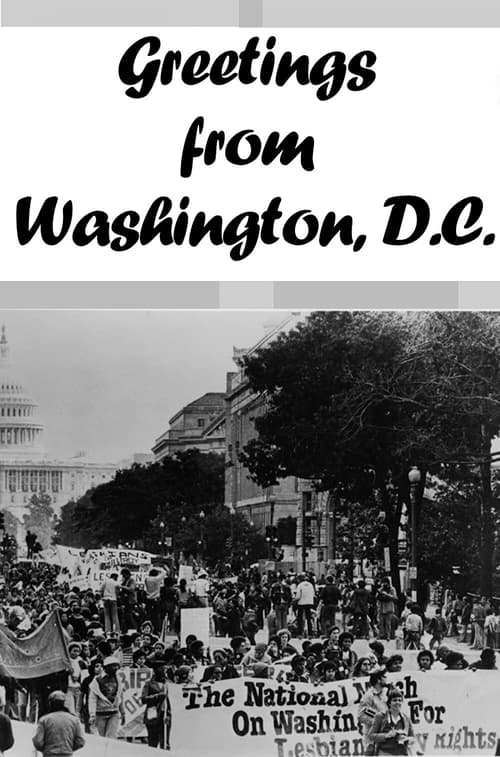
A short documentary about the First National March on Washington for Lesbian and Gay Rights, which took place on Sunday, October 14th 1979.
Greetings from Washington, D.C.
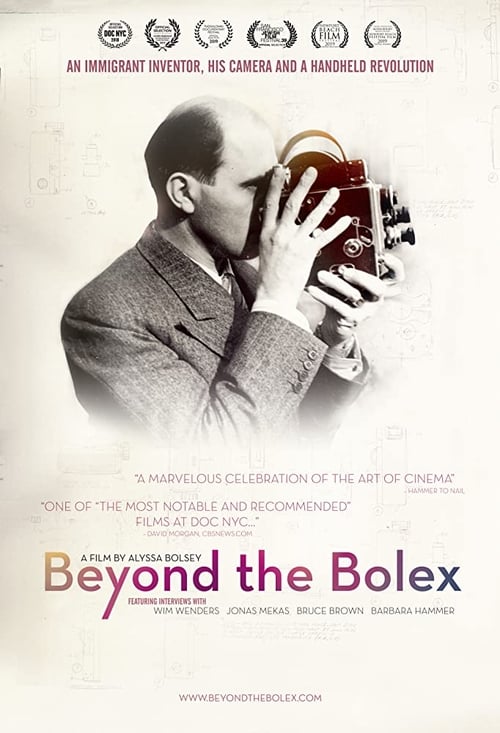
Filmmaker Alyssa Bolsey stumbles on a treasure trove of vintage cameras, old film reels, fading photos, technical drawings and boxes of documents that belonged to her great-grandfather Jacques Bolsey. Among the many boxes, she spots an old movie camera with the word "Bolex" embossed on its side and a dangling tag with the date, "1927." Entranced, she embarks on a journey to reveal how Jacques aimed to disrupt the early film industry with a motion picture camera for the masses.
Beyond the Bolex
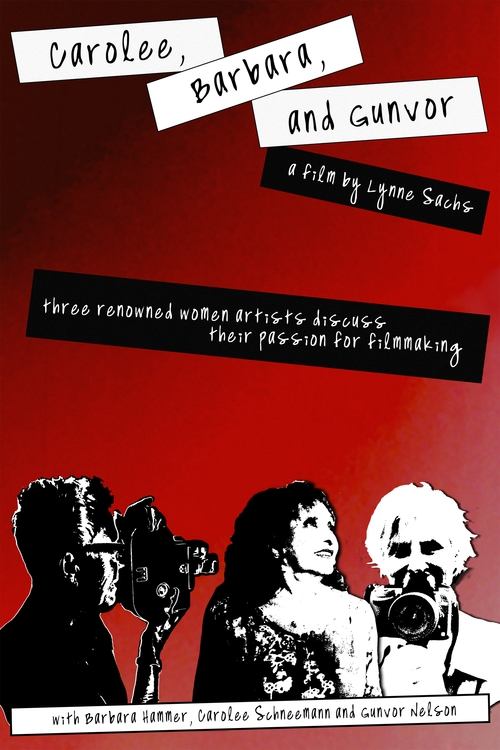
From 2015 to 2017, Lynne Sachs visited with Carolee Schneemann, Barbara Hammer and Gunvor Nelson, three multi-faceted artists who have embraced the moving image throughout their lives.
Carolee, Barbara and Gunvor
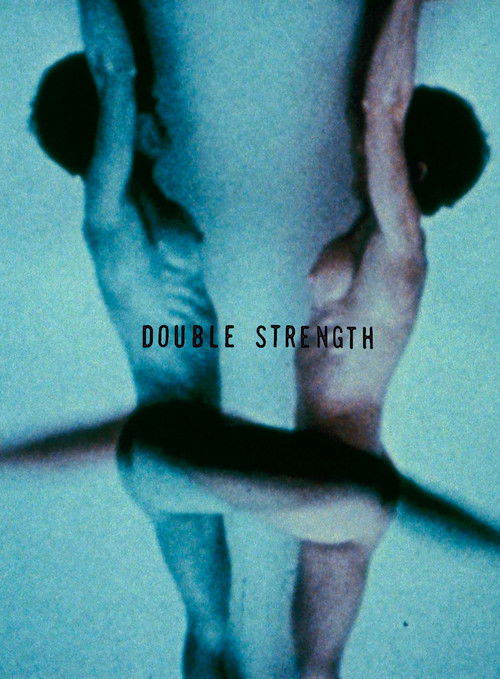
Four stages of a lesbian relationship explored in an experimental film starring performance artists Terry Sendgraff and Barbara Hammer on suspended trapezes and ropes.
Double Strength
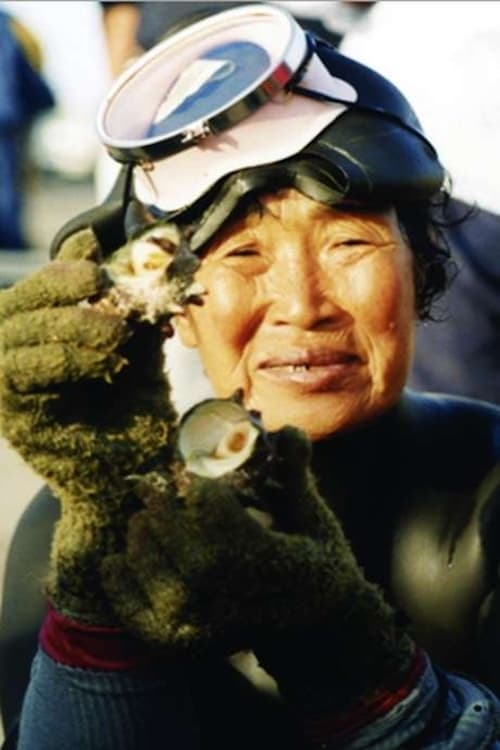
Jeju-do is the largest of Korean islands and lies between Korea and Japan. There, for hundreds of years, women dive without breathing apparatus, to the ocean floor and collect shellfish, octopus, and urchins that they sell. The divers are in their sixties and seventies and their daughters do not want to inherit their work, lifestyle, and health problems that go with diving. As a filmmaker I was privileged to meet many of these women and dive with them. Their stories of hardship and pride confirmed my desire to record this unique and ancient tradition.
Diving Women of Jeju-do
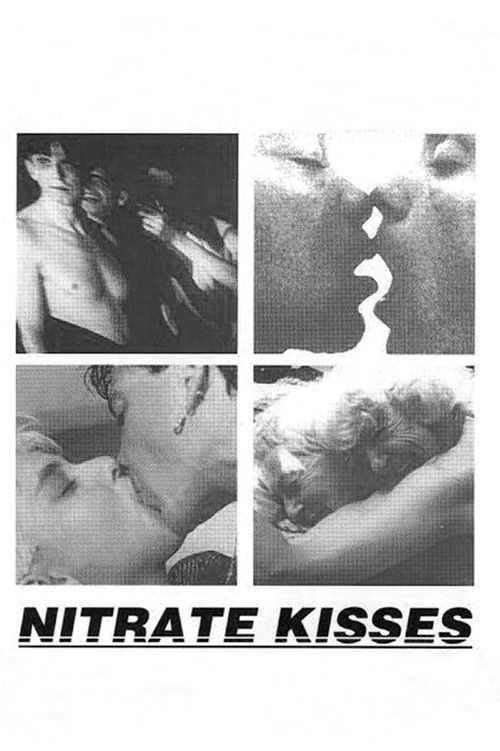
Essay documentary explores eroded emulsions and images for lost vestiges of lesbian and gay culture. First feature by a pioneer of lesbian cinema, Hammer weaves gay and lesbian couples with footage that unearths the forbidden and invisible history of a marginalized people.
Nitrate Kisses
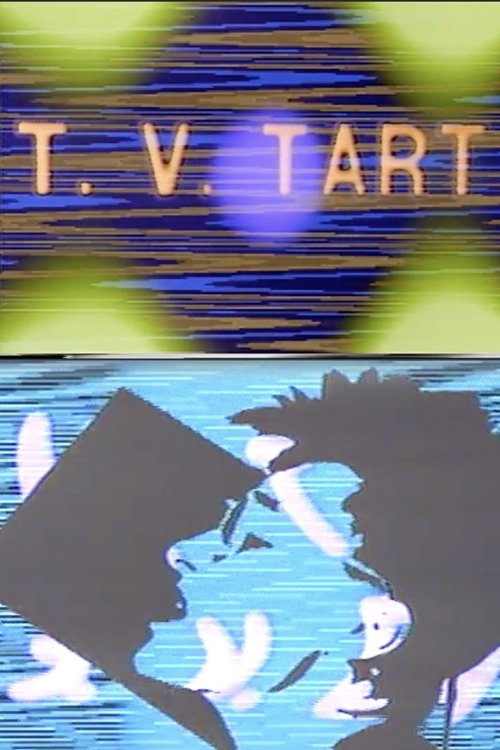
A tape by Barbara Hammer.
T.V. Tart
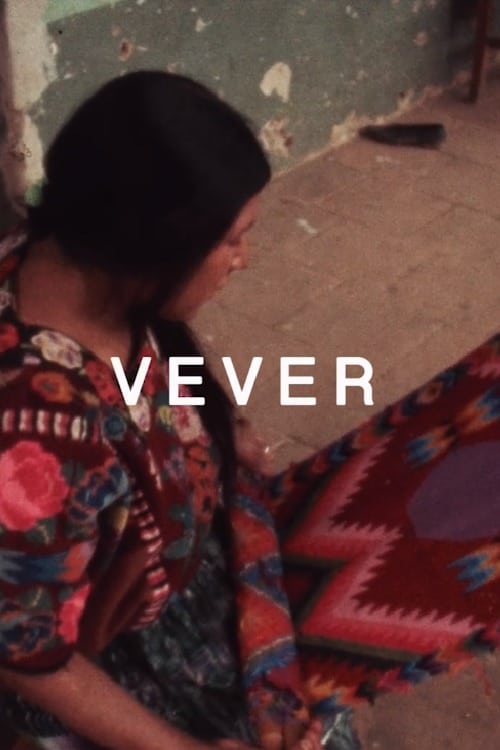
Deborah Stratman brings past perspectives into the contemporary moment in a montage of unfinished film footage from artist Barbara Hammer with evocative sound, texts, and teachings from artist Maya Deren. Vever poetically draws connects between three generations of women filmmakers who separately, and now together, have taken on unknown challenges, and opened themselves up to reinterpretation in their filmmaking practices.
Vever (For Barbara)
Documentary that highlights 18 women and covers a period of time from the 50's to the 90's. The women chosen were selected because they represent the real diversity within both feminism and independent film and video. They range in age from 65 to 25. They are black, white, Puerto Rican, Yugoslavian, Asian American, biracial. They are straight, gay and bisexual. What they share is a need to express their own interpretations of what American culture is and could be and a belief that this work is made particularly powerful through the media.
Women of Vision
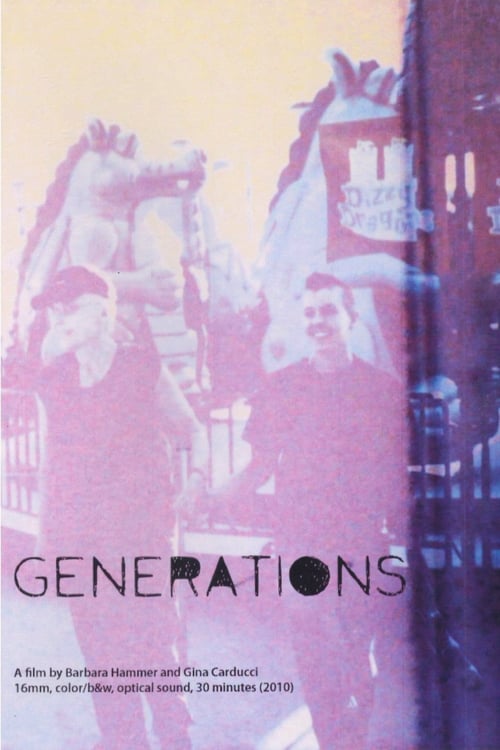
Generations is a 30 minute 16mm film about mentoring and passing on the tradition of personal experimental filmmaking. Barbara Hammer, 70 years old, hands the camera to Gina Carducci, a young queer filmmaker. Shooting during the last days of Astroland at Coney Island, New York, the filmmakers find that the inevitable fact of aging echoes in the architecture of the amusement park and in the emulsion of the film medium itself. Inspired by Shirley Clarke’s Bridges Go Round, both filmmakers edited picture and sound separately, joining their films in the middle when they finished making a true generational and experimental experiment.
Generations
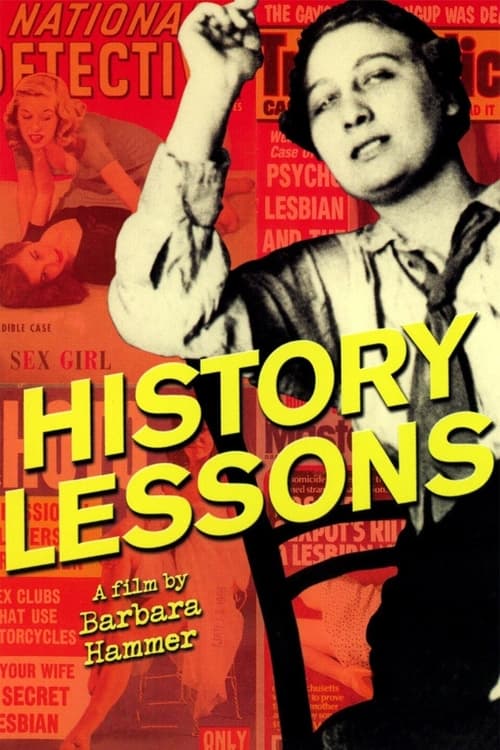
A montage of film clips and stills calling all lesbians to come out and celebrate who they are. In a trilogy of experimental documentaries, director Barbara Hammer rewrites history by inserting lesbians and lesbian imagery throughout educational films, newsreels, medical footage and more from the past century.
History Lessons

Deconstructs the representation of AIDS in the popular media where distortion and misrepresentation amount to a "snow job" promoting increased homophobia, sexual discrimination and repression of gays.
Snow Job: The Media Hysteria of AIDS
color, silent, 8mm film