Scott Fredericks
Acting
Biography
Scott Fredericks (born Frederick Wehrly; 15 March 1943 – 6 November 2017) was an Irish actor best known for his roles on British television. Fredericks was born in Strandhill, County Sligo to Edward Wehrly (d. 2001), a jewellery businessman (Wehrly Bros Limited) of German descent, and Ann (née Shaw). He left Sligo when he won a scholarship to train at RADA in London, and later adopted the name Scott Fredericks. Scott Fredericks began his acting career with stage roles at the Chesterfield Repertory. He later worked with director Peter Brook and appeared in West End theatre productions of Antony and Cleopatra (as Mark Antony) and in Becket (as Henry II of England). After appearing in the television soap opera Crossroads, Scott Fredericks went on to appear in a number of British television programmes in the 1960s, 70s and 1980s, including Z-Cars, Sutherland's Law, Dixon of Dock Green, Blake's 7 (episode "Weapon"), and Triangle. He made two appearances in the Doctor Who, in the serials Day of the Daleks (as Boaz) and Image of the Fendahl (as Max Stael). He also appeared in a 1981 episode of the ITV television police drama, Cribb ("The Hand That Rocks the Cradle") playing Prince Henry of Battenberg. Fredericks also appeared in such feature films as Dad's Army (1971), See No Evil (1971) and Cal (1984). Whilst working in cinema productions, he once played a game of billiards with Fred Astaire. More recently, he appeared as a regular character in the Irish soap Fair City, as well as spending his time as a radio producer and director in his native Ireland. Fredericks's stage career included leading roles in the Gate Theatre, Dublin, a long run of Peg o’ My Heart by J. Hartley Manners, and in stage adaptations of Cal and Caught in a Free State with the newly created Irish Theatre Company. For his solo stage show Yeats Remembers Fredericks was awarded the J.J. Finnegan Evening Herald Award in 1980.
Known For
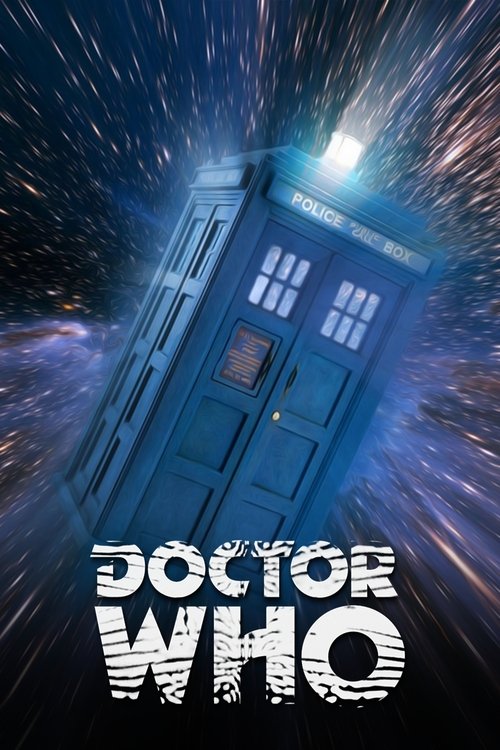
The adventures of The Doctor, a time-traveling humanoid alien known as a Time Lord. He explores the universe in his TARDIS, a sentient time-traveling spaceship. Its exterior appears as a blue British police box, which was a common sight in Britain in 1963 when the series first aired. Along with a succession of companions, The Doctor faces a variety of foes while working to save civilizations, help ordinary people, and right many wrongs.
Doctor Who

A group of convicts and outcasts fight a guerrilla war against the totalitarian Terran Federation from a highly advanced alien spaceship.
Blake's 7
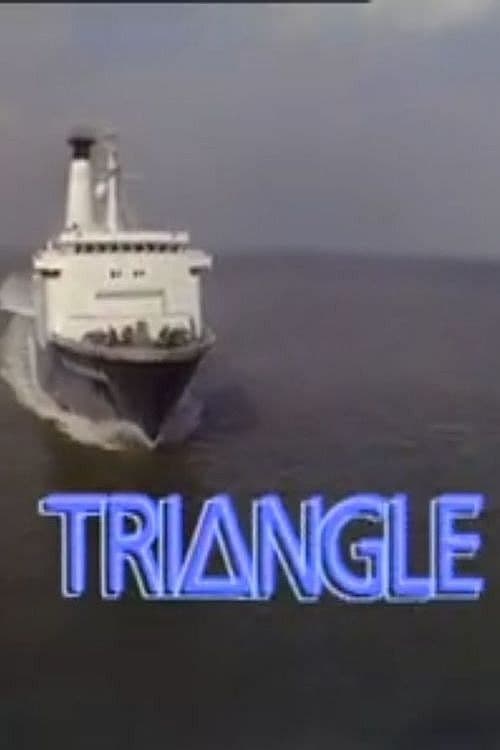
Triangle was a BBC Television soap opera in the early 1980s, set aboard a North Sea ferry which sailed from Felixstowe to Gothenburg and Gothenburg to Amsterdam. A third imaginary leg existed between Amsterdam and Felixstowe to justify the programme title, but this was not operated by the ferry company. The show ran for three series before being cancelled, but is still generally remembered as "some of the most mockable British television ever produced". The scripts involved clichéd relationships and stilted dialogue, making the show the butt of several jokes - particularly on Terry Wogan's morning Radio 2 programme - which caused some embarrassment to the BBC. In 1992, the BBC screened TV Hell, an evening of programming devoted to the worst television had to offer, and the first episode of Triangle was broadcast as part of the line-up. The ferry used in the first series was the Tor Line's MS Tor Scandinavia. In the second and third series this was replaced by the DFDS vessel Dana Anglia probably because she had a less intensive schedule and the longer time she spent in port made on-board filming easier.
Triangle
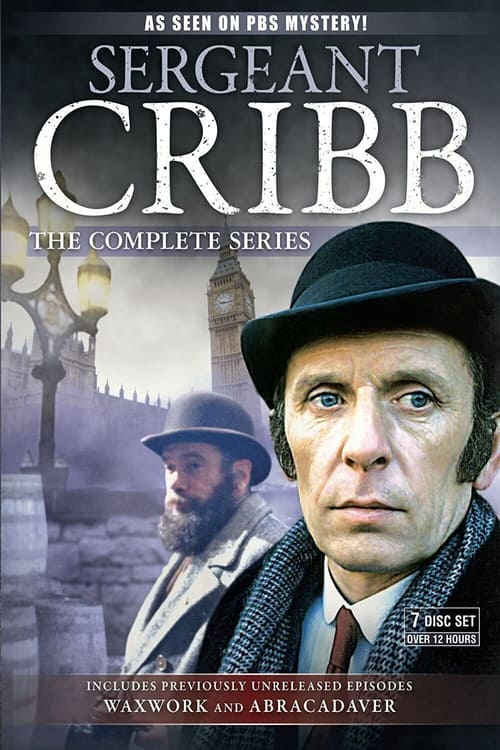
Victorian England, the late 1800s: Detective Sergeant Daniel Cribb of the newly formed Criminal Investigation Department (CID) is determined to remove crime from the streets of London using the latest detection methods.
Cribb
A French actress returns to her Irish roots during the last summer before World War II. While there, she must come to grips with her family and the love of two men. Television adaptation of Kate O'Brien's 1943 novel of the same name.
The Last of Summer
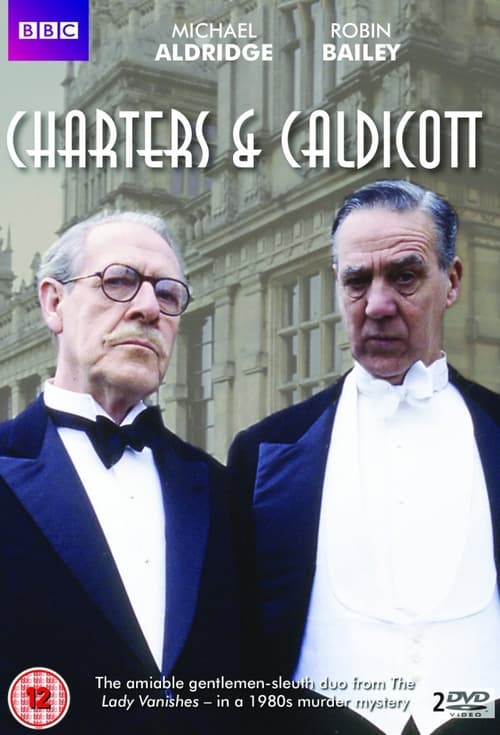
Charters and Caldicott is a 1985 BBC mystery series featuring the characters Charters and Caldicott from the film The Lady Vanishes. It featured six 50 minute episodes broadcast on BBC1 at 9.25pm on Thursdays from 10 January to 14 February 1985.
Charters and Caldicott
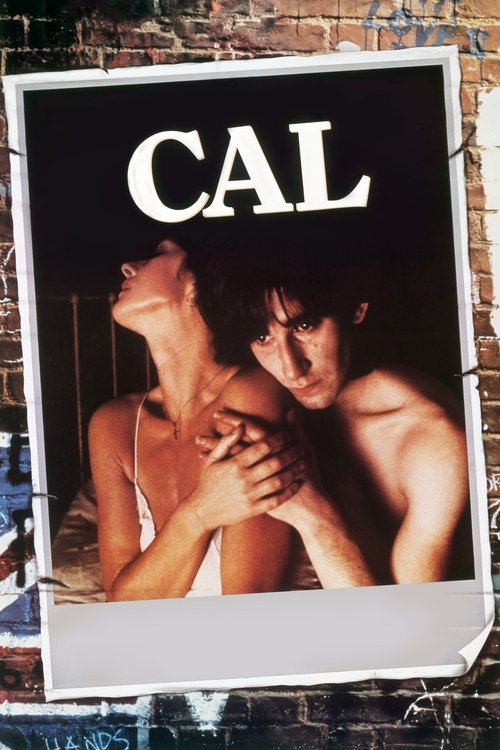
Cal, a young man on the fringes of the IRA, falls in love with Marcella, a Catholic woman whose husband, a Protestant policeman, was killed one year earlier by the IRA.
Cal
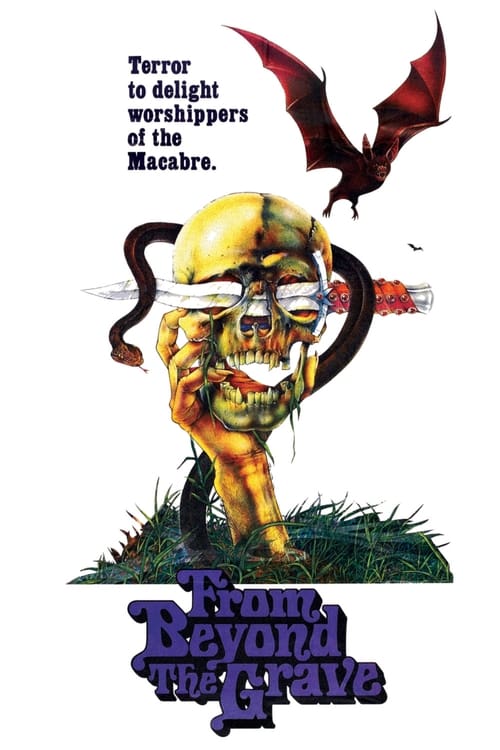
Four customers purchase, or take, items from Temptations Limited, an antiques shop whose motto is “Offers You Cannot Resist.” A nasty fate awaits all of them; particularly those who cheat the shop's Proprietor.
From Beyond the Grave
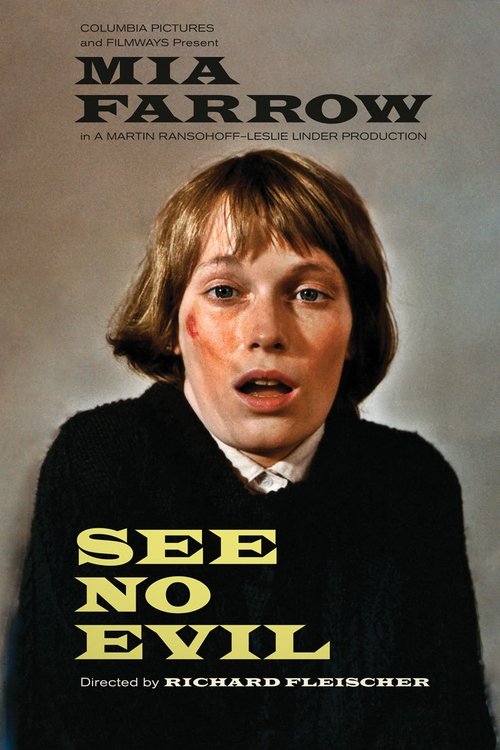
In the English countryside, Sarah Rexton, recently blinded in a horse riding accident, moves in with her uncle's family and gallantly adjusts to her new condition, unaware that a killer stalks them.
See No Evil

Guerillas time-jump back from the 22nd century to assassinate Sir Reginald Styles - a diplomat working for World Peace, The Doctor discovers they are from a future where the Daleks have invaded the Earth (Following wars precipitated by Styles's destruction at the peace conference). With the Daleks desperate to maintain their version of history, The Doctor and Jo find themselves in a totalitarian future, where they must discover who really happened and prevent it.
Doctor Who: Day of the Daleks
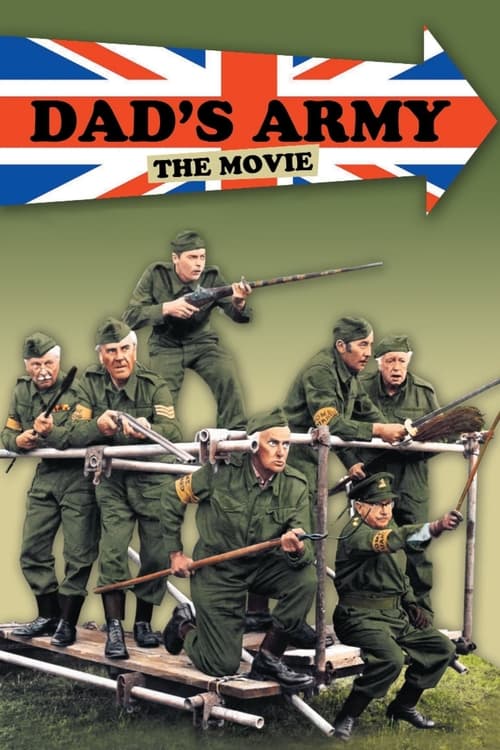
Dad's Army was a 1971 feature film based on the BBC television sitcom Dad's Army. Directed by Norman Cohen, it was filmed between series three and four and was based upon material from the early episodes of the television series. The film told the story of the Home Guard platoon's formation and their subsequent endeavours at a training exercise.
Dad's Army
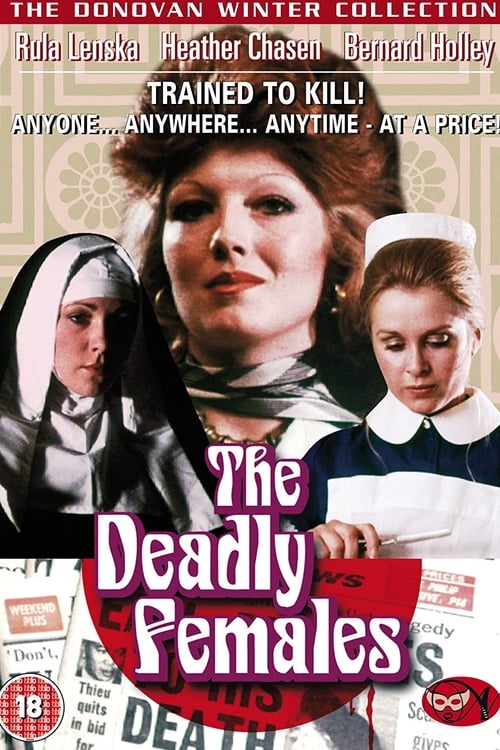
Toothsome Tracy Reed heads the cast of Deadly Females. The ladies in question are female assassins, specializing in knocking off lascivious males. Like the proverbial black widow spider, the girls lure their victims with promises of sexual favours, then strike when said victims are exhausted. Naturally, this requires plenty of exposed female flesh.
The Deadly Females

The present day: just as the Fourth Doctor and Leela arrive in Fetchborough, England, Professor Fendelman prepares to experiment on a fossilized skull which science says should not exist. The skull is actually an artefact of the Fendahl, a god-like being who feeds on the life force of others. It has begun to awaken and kill. Worse yet, others seek to exploit the Fendahl's dreadful power.
Doctor Who: Image of the Fendahl
A police computer expert is seconded to Belfast to track down the identity of an IRA mole.