Directing
A young Jewish man is torn between tradition and individuality when his old-fashioned family objects to his career as a jazz singer. This is the first full length feature film to use synchronized sound, and is the original film musical.
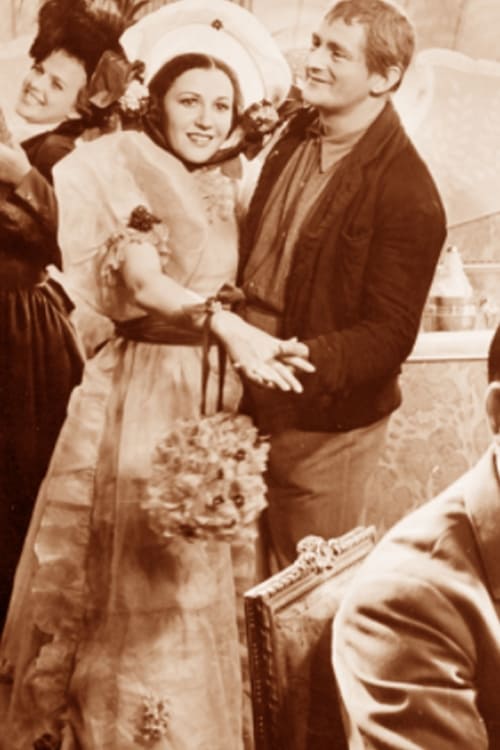
Getsel, a wandering Purim player, comes to a Galica village and gets a job with Reb Nuchem, the shoemaker. He falls in love with Esther, the shoemaker's daughter, but knows she is in love with a wandering circus player. However, Getzel is content in his work and dreams. Esther's father inherits a fortune and attempts to marry her to a man of his choice, but she flees with Getzel to Warsaw, where he meets and marries the circus player. Getzel returns to the village and is blamed for Esther's disappearance until she shows up and explains what happened. Getzel shoulders his pack and wanders on to another village.
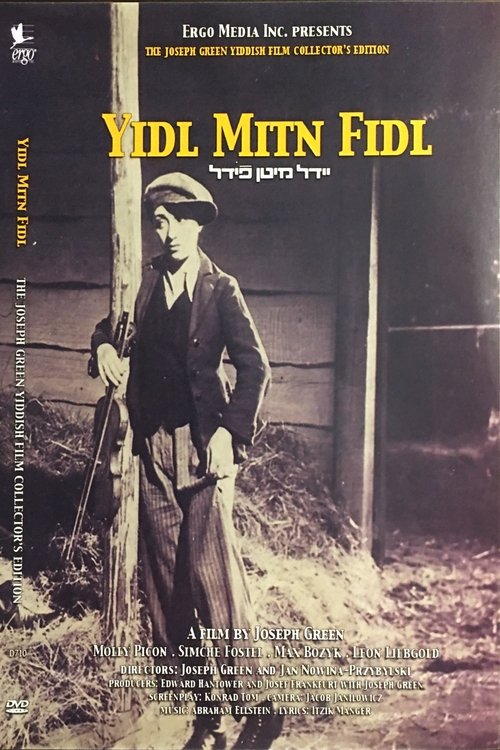
A young woman poses as a man in a group of klezmer musicians in Poland.
Mamele embraces the entire gamut of interwar Jewish life in Lodz--tenements and unemployed Jews, nightclubs and gangsters, religious Jews celebrating sukkot--but the film belongs to Molly Picon who romps undaunted through her dutiful daughter role saving siblings, keeping the family intact, singing and acting her way through the stages of a woman's life from childhood to old age.
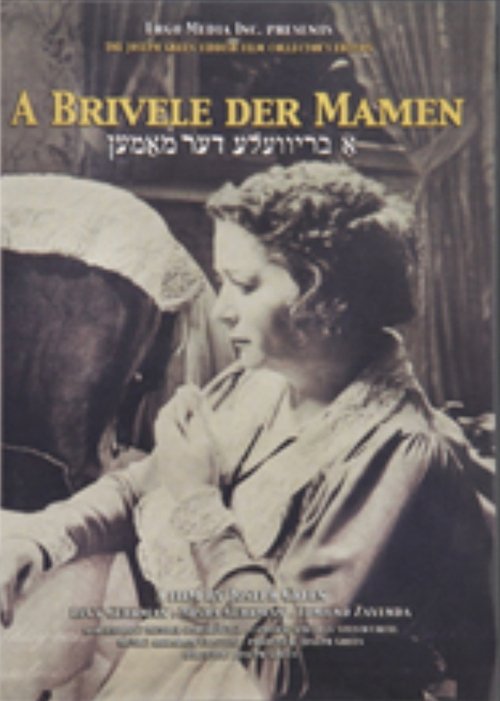
One of the last Yiddish films made in Poland before the Nazi invasion, this film tells the story of a mother's persistent struggles to support her three children in pre-war World War II Polish Ukraine. After her family is pulled apart by severe poverty and the turmoil of war, she and her children make their way to New York and turn to the Hebrew Immigrant Aid Society for help.