Acting
Malhação is a Brazilian television series for the teenage audience. The soap started in 1995, and was set in a fictional Gym Club called Malhação on Barra da Tijuca, Rio de Janeiro. Through the years the location varied slightly. Although the name of the soap remains the same, it is now set in the Múltipla Escolha High School.
Os Trapalhões was a Brazilian comedy group and also a Brazilian television series created by Wilton Franco. Its members were Dedé Santana, Zacarias, Mussum and their leader Didi Mocó, that was played by Renato Aragão. The name Trapalhões is derived from the Portuguese verb atrapalhar, which means the opposite of helping, to do something the wrong way or to Those that confuse. The name is translated "Tramps" in English DVD subtitles. It was aired by Rede Globo from 1977 to 1999. On March 18, 1990, Zacarias died due to respiratory failure, but the group and the series didn't come to an end until July 29, 1994, when Mussum died due to an unsuccessful heart transplant.
Set in the 19th century, the novel tells the story of an impossible romance. Inácio, a young man from a traditional family, falls in love with Esther, the owner of the most famous brothel in the Court.
The fight for freedom and against oppression is the central theme of this soap opera that tells the story of the Coragem brothers: João, Jerônimo and Duda, in the city of Coroado.
No description available.
A young law student starts to work as a detective, decided to uncover the identity behind a series of murders, as well as who is next.
After his grandfather's death, André Cajarana goes to Rio de Janeiro to understand the death of his father—whom he had always believed to be a hero—and to try to prove his innocence.
Amidst an unresolved crime, Simone protects Cristiano and falls in love with him. However, the couple faces ambition and betrayals that tear them apart. Presumed dead, she returns under a new identity seeking revenge.
Nonô Corrêa, a character inspired by Molière's "The Miser", is the story's protagonist. The orphan Zezinho crosses paths with Nonô and wins the neurotic gentleman's heart.
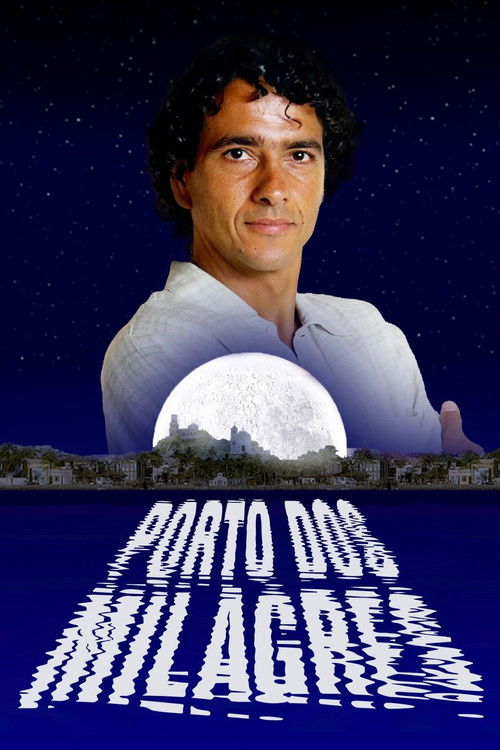
Porto dos Milagres is a Brazilian telenovela that was produced and aired by TV Globo from 5 February to 29 September 2001, totaling 203 chapters. It was written by Aguinaldo Silva and Ricardo Linhares and loosely based on two works written by Jorge Amado - The Dead Sea and the discovery of America by the Turks. Had Philip collaboration Miguez, Maria Elisa Berredo, Nadotti Nelson and Gloria Baker, directed by Fabricio Mamberti and Luciano Sabino. Director general Mark and Robert Paul Naar, co-directed by Fabricio Mamberti and Luciano Sabino. Had the direction of core Marcos Paulo.
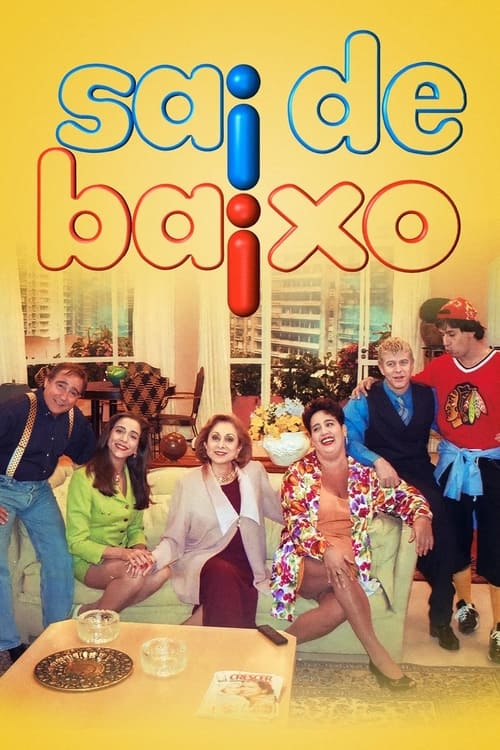
It follows the lives of the members of a dysfunctional family, their maid and the doorman of the apartment building in which they lived.
Helena is an independendent woman with strong emotions. More than a dedicated mother, she is also a friend to her daughter. Her daughter is experiencing difficulties in her marriage with Marcelo because of his renewed interest in a formoe girlfriend. Marcelo‘s mother deslikes Helena and would like nothing better to see her son‘s marriage destroyed. Helena starts her life over again when she falls in love at first sight with Atilio, whom she marries. Although of poor health, her daughter wants to have a baby, believing that by fulfiling her husband‘s dream, she can save her marriage. As fate would have it, mother and daughter fall pregnant at the same time, each giving birth to a boy.
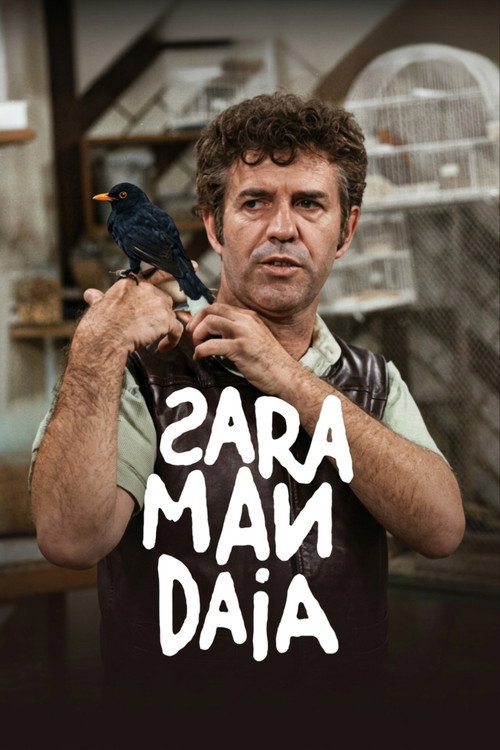
Saramandaia is a Brazilian telenovela originally written by Dias Gomes in 1976. It's considered remarkable because of the Magic Realism (used by the author to subtly criticize the Military Regime of the time) and had 160 chapters. The story centers on the name change that the city undergoes, promoted by the younger citizens and reviled by the older ones. It also focuses on the lives of the city's quirky residents.
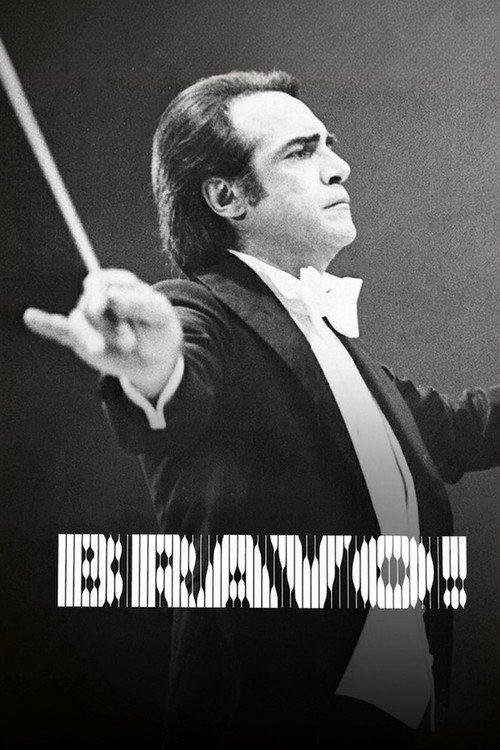
A widowed conductor rediscovers love when he meets a young woman from the countryside, but doubts about his music make him question his competence and distance himself from the woman he loves.
The routine of the quiet town of Rio Belo changes with the arrival of Carina, a traveling actress determined to discover who her father is. At the same time, a mysterious crime involving the powerful Donana shakes the town.
Brava Gente was a television series aired by TV Globo in Brazil between 2000 and 2003, initially as a special year-end. The program was adapted from stories and national stories, and plays by famous playwrights, screenwriters and signed by a number represented by several actors and actresses. The genres of the stories varied each week with the style of each director or author. Brava Gente in the stories ranged from comedies and dramas. In all 53 episodes were shown, broadcast on Tuesday nights.