Camera
Jake takes out an ad in the newspaper after the suicide of his unfaithful fiancée, in an effort to understand the reasons for the betrayal. By soliciting the secret diaries of other women, he hopes to find some reconciliation with the truth.
A look at the Brazilian black movement between 1977 and 1988, going by the relationship between Brazil and Africa.
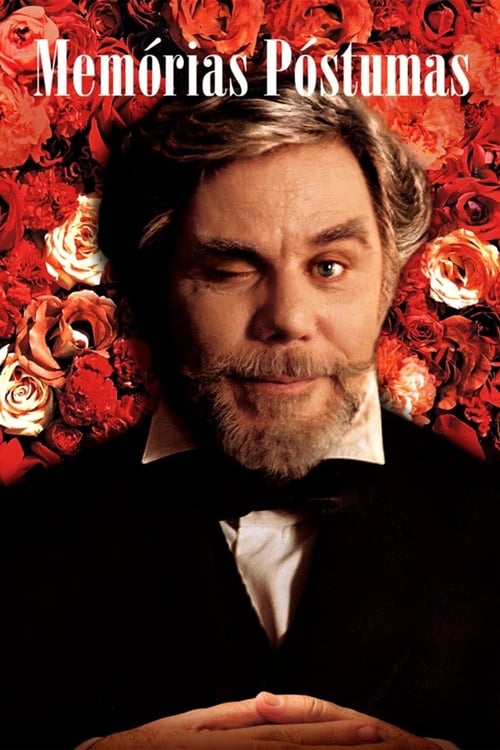
Free adaptation of Machado de Assis' classic. The narrator is a rich dead man, who tells us about his life and times, making fun of both.
Photographs present Hermeto Paschoal in the middle of the instruments he plays in the studio in his house. The rehearsals where the sounds are discovered and improvisation sets the tone. Hermeto's testimonies on the self-taught construction of his theoretical knowledge about music and his political position on the market. The musicians who are part of his band talk about the joint process of creation and the admiration they feel for the multi-instrumentalist. The creation of Hermetus from the sounds of bees and next to the frods. The use of unusual objects made of iron and the use of the body itself to generate new sounds.
No description available.
Marked by losses and mismatches, José's eccentric family seek to be happy while locked in Paraíso Perdido, a nightclub that has stopped in time, where they sing popular romantic music.
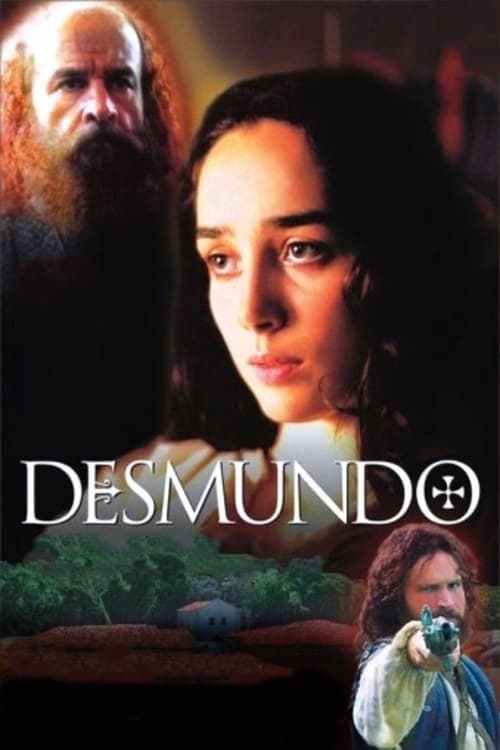
The story of Orisbela, a young and religious woman who comes from Portugal to Brazil to marry Francisco de Albuquerque, a rude sugar-cane plantation owner, in 1570.
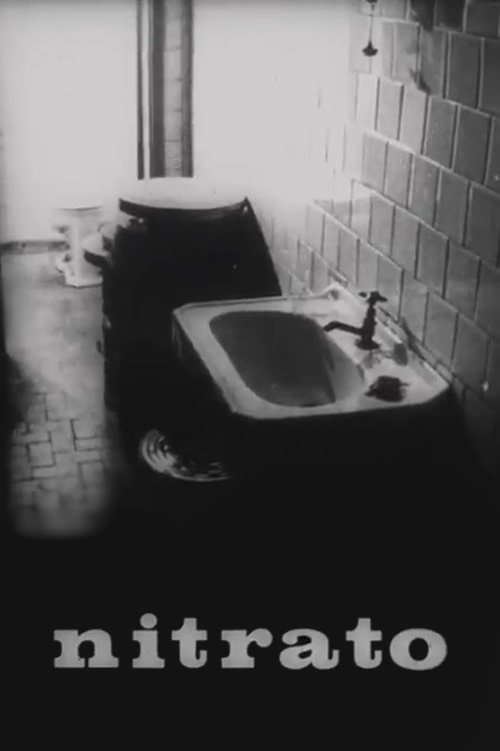
Nitrato expresses the ambiguities and contradictions of the Cinemateca Brasileira. The film deals with the richness of its collection, the recognition of international entities, and explores what its relationship to the general public was like. Nitrato also portrays the neglect with which the institution is treated, as seen in how precarious its building infrastructure is, how politicians neglected to communicate with the institution’s staff, and the aftermath of another fire in the building.
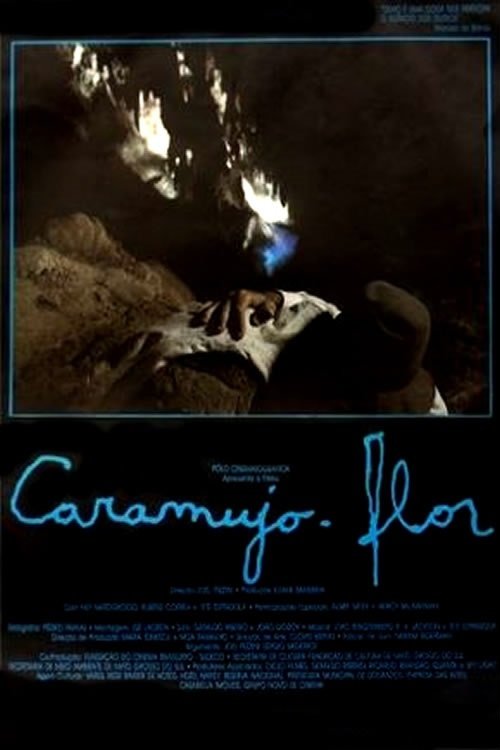
Film based on Manoel de Barros poetry. Story about poet's life in the swamp area of Brazil (Pantanal) and its wildlife; & his obsession with the sea and his new life in the big metropolis in Brazil.
At the height of the military dictatorship, an abandoned mansion in the center of São Paulo is occupied by militants, hippies, maniacs, homosexuals, punks, artists and poets, as well as immigrants from different parts of the world.
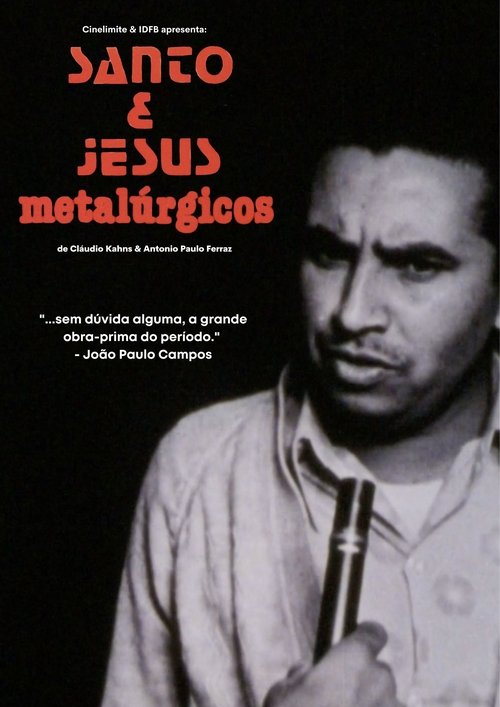
From its very title, Cláudio Kahns and Antônio Paulo Ferraz's Santo e Jesus, Metalúrgicos is crystal clear about where it stands and about its messianic flair. Through a wordplay with the religious connotation of the names of the two men, murdered during the worker strikes of the late 1970s in São Paulo, it associates sainthood and Christ himself with the working class. That association is reaffirmed throughout the film, from the very beginning, including by a priest. The martyrdom of metalworkers Nelson Pereira de Jesus and Santo Dias da Silva is the starting point to denounce the working conditions faced by factory workers, and the repression which ensues whenever they try to resist them. However, the film also presents us with the 'official' version of the facts, going so far as to feature interviews with the man who killed Nelson. Obviously, it sides with the workers, as it conveys the strength of the oppressed and the impudence of the oppressors.
A photo-journalist goes to Brazil to investigate a savage crime boss. She becomes infatuated with the story.
In the 19th century, a country girl is seduced by a young doctor who's staying at her house for a few days, caring for her, and tries to hide the forbidden romance from her father, who disapproves of the relationship.
The disorderly growth of large urban centers in the country and the discussion about the development and existence of cultural spaces. Based on the example of the Teatro de Ópera in Campinas, a building that managed to consolidate construction and space for the existence of a square, theater and architecture are discussed, pointing out the future coexistence between men and cities. Using models, the film presents a new urban concept of the square, as a point of bringing people together for an encounter with cultural things, combining gardens, concert halls, compilation rooms and libraries. A theatrical rehearsal, held in an unfinished theater in Campinas / SP, designed by the architect Fábio Penteado.
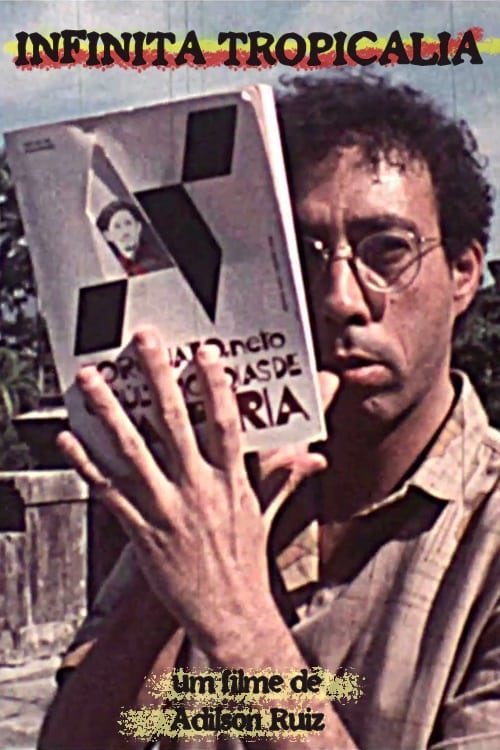
Tropicália was a Brazilian cultural movement that occurred between 1967 and 1968, inspired by Oswald de Andrade's anthropophagic ideals, pop art and the concretism. Twenty years later, this film revisits the movement and shows that Tropicalismo will never die.
Diogo, a cowboy, meets Rodrigo, a boy who dreams of becoming a cattle herder, when he drives a large herd of cattle to the Ouro Fino farm. They become friends and witness the injustices that occur in the region due to the greed of Major Batista, the owner of the property where they take the cattle.
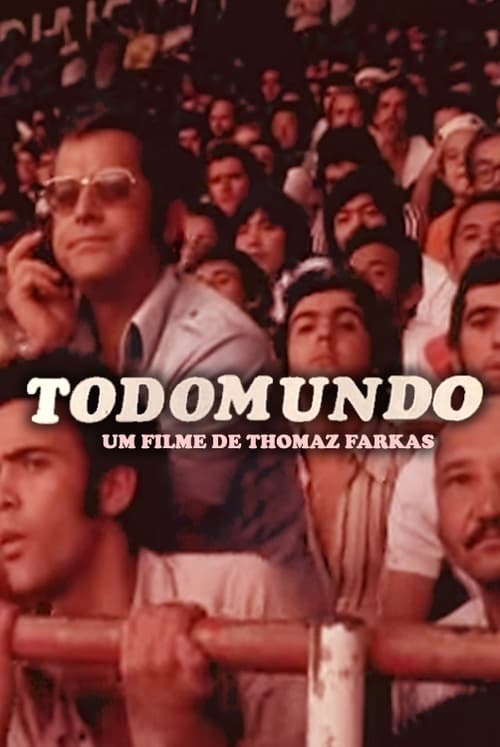
The crowd is the focus of this documentary, which presents historical scenes of the Brazilian Championship. Irreverent and poetic, the movie pays homage to the spectacle provided by football.
The process of formation of the person and its identity from an African conception of the world. The orixás (gods), linked to the forces of nature, are equal to people, and are not transcendent. of the person with their orixá, within the family and the culture. Filmed in a Candomblé terreiro of Bantu origin.
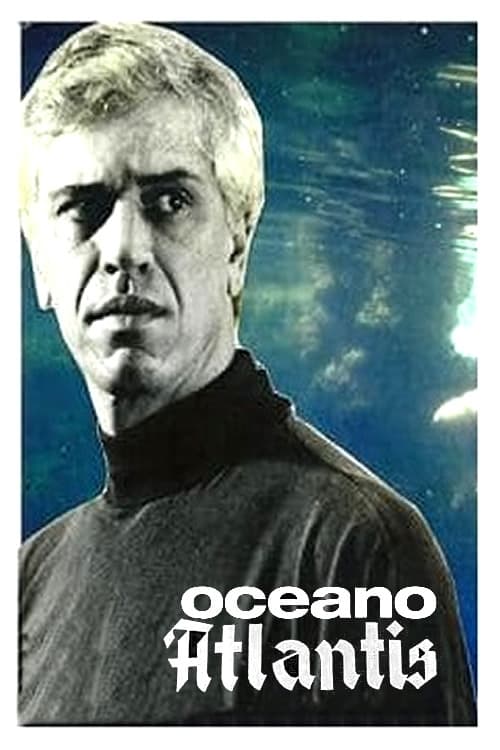
In a Rio de Janeiro after the catastrophe, only the hills were immune to a flood that left the asphalt submerged. While the Navy is rationing provisions and some are sacrificing themselves to avoid starvation, a diver goes to the bottom of the sea and finds a submerged civilization there.