John Marshall
Directing
Biography
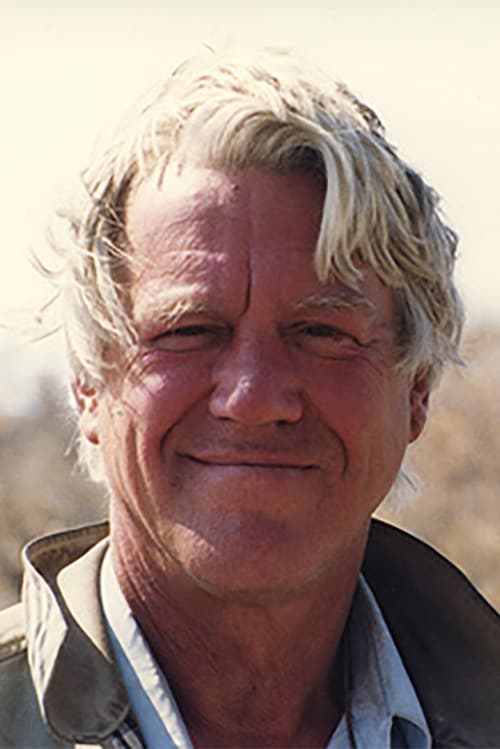
John Kennedy Marshall (November 12, 1932 – April 22, 2005) was an American anthropologist and acclaimed documentary filmmaker best known for his work in Namibia recording the lives of the Ju/'hoansi (also called the !Kung Bushmen). Marshall first traveled to the Kalahari Desert and met the Ju/'hoansi of the Nyae Nyae area in 1949 on a trip initiated by his father. Throughout the 1950s and 1960's members of the Marshall family returned to the Kalahari Desert numerous times to conduct an ethnographic study of the Ju/'hoansi. From 1950-1958 Marshall filmed the hunting and gathering life of the Ju/'hoansi. His first edited film, The Hunters, was released in 1957 and was an almost instant classic of ethnographic film. During the 1960s and 1970s, Marshall produced many short films about the Ju/'hoansi of Nyae Nyae and pursued other film projects in the United States. He was the cinematographer and co-director for Fred Wiseman's first documentary film, Titicut Follies. In 1968-1969, he shot, edited and directed the ground-breaking Pittsburgh Police series of short films. In 1968, Marshall and Tim Asch founded Documentary Educational Resources, a non-profit organization dedicated to facilitating the use of cross-cultural documentaries in the classroom. Marshall became involved in grassroots organizing and development in Nyae Nyae in the 1980s, forming a foundation that would become the Nyae Nyae Development Foundation of Namibia and devoting himself to advocating on behalf of the Ju/'hoansi. In 2003, the Society for Visual Anthropology bestowed on Marshall a lifetime achievement award for his work among the hunter gatherer society. Marshall's documentary footage and edited films and videos of Ju/'hoansi are held at the Human Studies Film Archives, Smithsonian Institution. Known officially as the John Marshall Ju/'hoan Bushman Film and Video Collection, 1950–2000, the collection was added to UNESCO's Memory of the World Register for documentary heritage of world importance in July 2009.
Known For

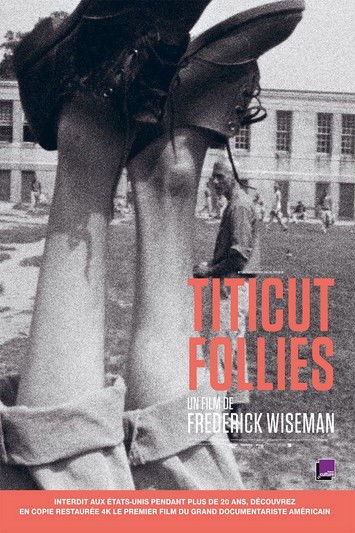
A stark and graphic portrayal of the conditions that existed at the State Prison for the Criminally Insane at Bridgewater, Massachusetts, and documents the various ways the inmates are treated by the guards, social workers, and psychiatrists.
Titicut Follies
A five-part series documenting 50 years in the lives of the Ju/'hoansi of southern Africa, from 1951 to 2000. These once independent hunter-gatherers experience dispossession, confinement to a homeland, and the chaos of war.
A Kalahari Family
Between 1950 and 1958, John Marshall made four expeditions to film the Ju/'hoansi (a group of !Kung Bushmen) of the Nyae Nyae region of Namibia (then South West Africa). During this time, Marshall shot over 300,000 feet of 16mm film (157 hours). He later produced a total of 23 films exclusively from this footage. In this short film, children tempt fate by playing with scorpions.
Playing with Scorpions
Tchai is the word used by Ju/'hoansi to describe getting together to dance and sing; n/um can be translated as medicine, or supernatural potency. In the 1950's, when this film was shot, Ju/'hoansi gathered for "medicine dances" often, usually at night, and sometimes such dances lasted until dawn.
N/um Tchai: The Ceremonial Dance of the !Kung Bushmen
This film depicts a moment of flirtation between N!ai, the young wife of /Gunda, and her great-uncle /Ti!kay. The two share a "joking relationship," a Ju/'hoan kin relationship which provides opportunities for casual intimacy, emotional release, and support.
A Joking Relationship

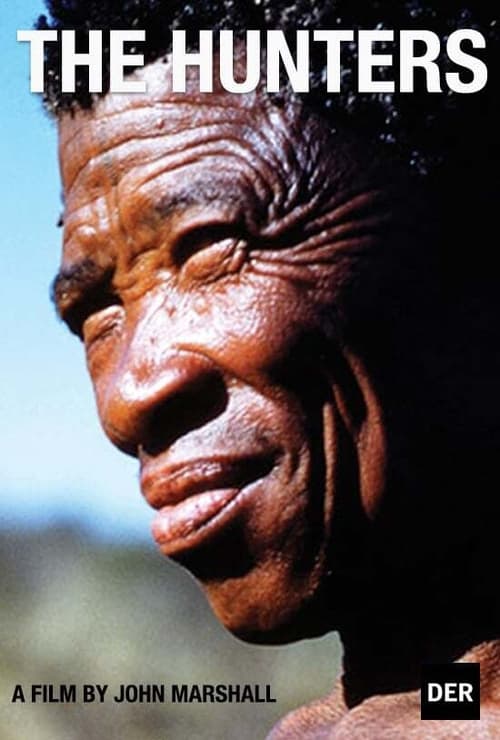
An ethnographic documentary following four Ju/’hoansi (!Kung) men during a multi-day giraffe hunt in the Kalahari Desert, filmed during the Smithsonian–Harvard Peabody expedition of 1952–53.
The Hunters
In each scene, police respond to a different domestic abuse calls.
Three Domestics
Investigation of a Hit and Run follows two officers as they investigate a hit-and-run accident from initial reports to the questioning of witnesses and the interrogation of the suspect, an eighteen-year-old boy nicknamed Pumpkin, along with his girlfriend and brother. A number of factors complicate the case: the suspect was without a driver's license; he reported the car stolen to cover himself; he could not be persuaded to confess; and the girlfriend is pregnant. The police use considerable pressure on the girl, and treat her eventual statement as though it were a confession.
Investigation of a Hit and Run
Pioneering ethnographic filmmaker John Marshall casts an eye on the inner workings of a Pittsburgh police station, capturing law enforcement’s day-to-day handling of domestic disturbances, juvenile delinquency, suspect interrogation, and various cases to arrive at a sociological, vérité examination of civil liberties and the carriage of justice.
Inside/Outside Station Nine
Women from three separate Ju/'hoan bands have gathered at a mangetti grove at !O to play an intense game in which under-tones of social and personal tensions become apparent.
N!owa T'ama: The Melon Tossing Game

This film consists of sequences from the Pittsburgh Police footage intercut with a panel discussion moderated by Professor James Vorenberg of Harvard Law School. Community organizers, police, students and lawyers discussed the issues raised by four sequences, including the implications of the 4th and 5th Constitutional amendments, and the Exclusionary Rule of Evidence for search, seizure, and interrogation procedures. The film demonstrates the multiplicity of roles in police work, and examines the conflicts between how the police define their duties and what the public expects of them.
The 4th, 5th, and the Exclusionary Rule
Ju/'hoan women often share an intimate sociability and spend many hours together discussing their lives, enjoying each other's company and children. In this short film, Ju/'hoan women rest, talk and nurse their babies while lying in the shade of a baobab tree. This film is a good illustration of "collective mothering" in which several women support each other and share the nurturing role.
A Group of Women

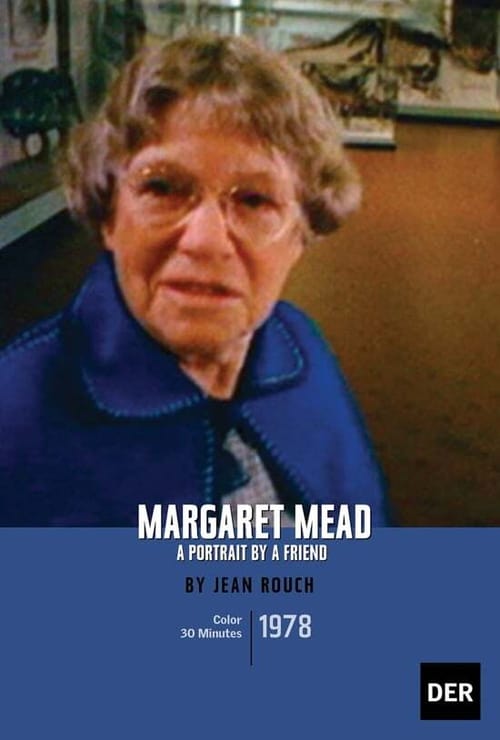
Jean Rouch filmed this loving and humorous portrait of anthropologist and filmmaker Margaret Mead in September 1977 while he was a guest of the first Margaret Mead Film Festival. As both a friend and colleague, Rouch reveals a glimpse of the legendary Mead in her later years.
Margaret Mead: A Portrait By a Friend

For thousands of years Ju/'hoansi have lived in the Nyae Nyae region in northeastern Namibia. In the 1950s, most Ju/'hoansi had been exterminated or were dispossessed by white colonists and black farmers, but in Nyae Nyae Ju/'hoansi were still the only permanent inhabitants. Waterless approaches isolated their ancient communal land and protected them from enslavement.
To Hold Our Ground: A Field Report
An installment in the Pittsburgh Police series. A number of short sequences show some of the events and people in the daily lives of several policemen: their intervention in domestic quarrels, the handling of a hit-and-run case, the approaches taken toward loitering youths, a drunk and disorderly charge being made in Magistrate's Court, and the interrogation of a burglary suspect. Police force candidates are shown being interviewed by members of the police department. They discuss their reasons for wanting to be policemen and their thoughts about themselves and their jobs, placing the film in the context of the community from which the department draws its personnel.
Inside Outside Station 9
An Argument About a Marriage raises questions about the impact of European farms on the economic and the social life of the Ju/'hoansi; about the complexities of marriage rules and bride-service in their traditional kinship system; and about the nature of conflict and its mediation among the Ju/'hoansi. Despite the interpersonal anger, we see how oma's skillful intervention prevents this particular conflict from escalating to violence.
An Argument About a Marriage
Children and teenagers throw sticks, berries, and leaves at each other from perches in a large baobab tree.
Baobab Play

This film focuses on a black burglary suspect who, during interrogation by police offers his services as an "undercover" informant - providing the police will suppress his charge.
The Informant
An unemployed woman who has been living in her car is questioned by the police. They offer her advice and finally take her to the Salvation Army.
Vagrant Woman

This film illustrates the field techniques used by a multidisciplinary team of researchers from the University of Michigan in collaboration with their Venezuelan colleagues. The film also includes a brief sketch of Yanomamo culture and society.