Lisette Oropesa
Acting
Biography
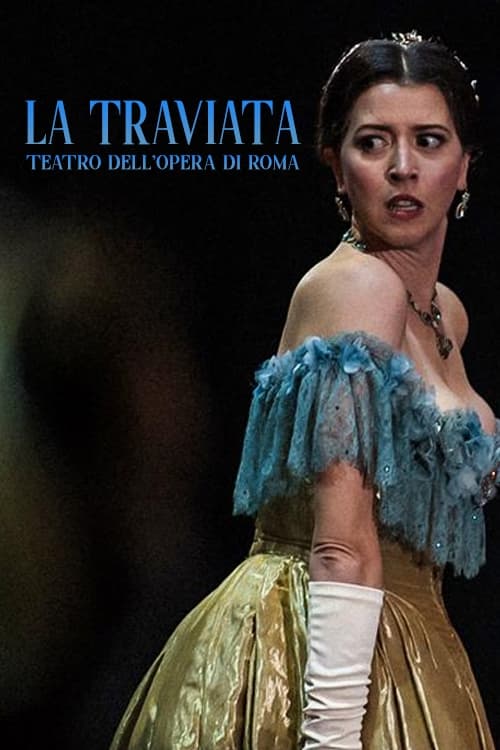
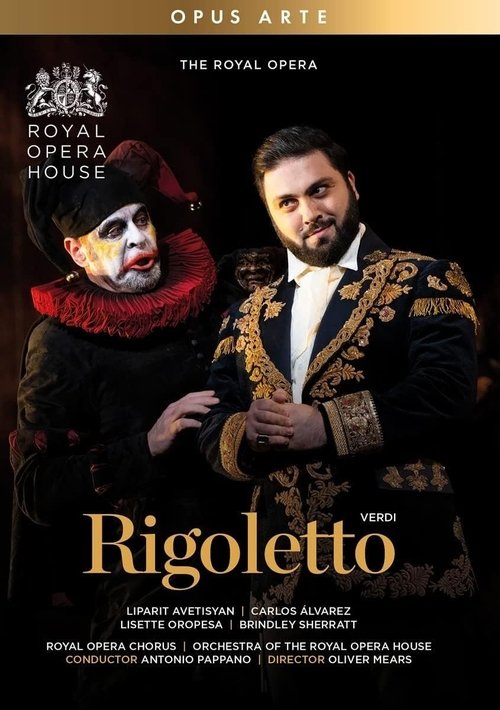
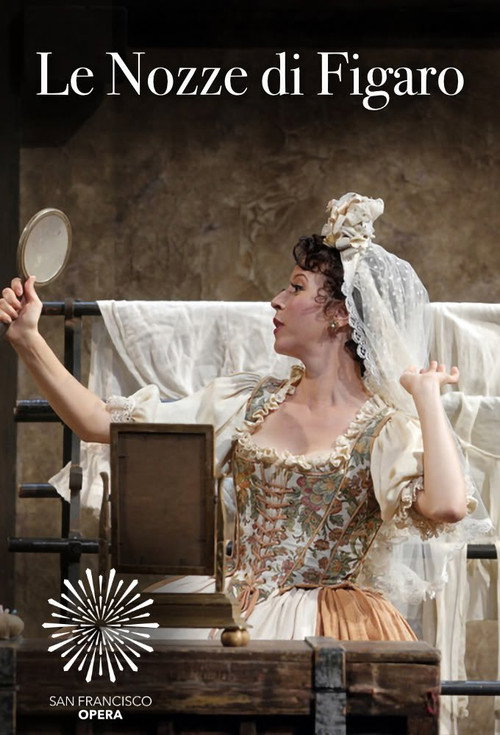
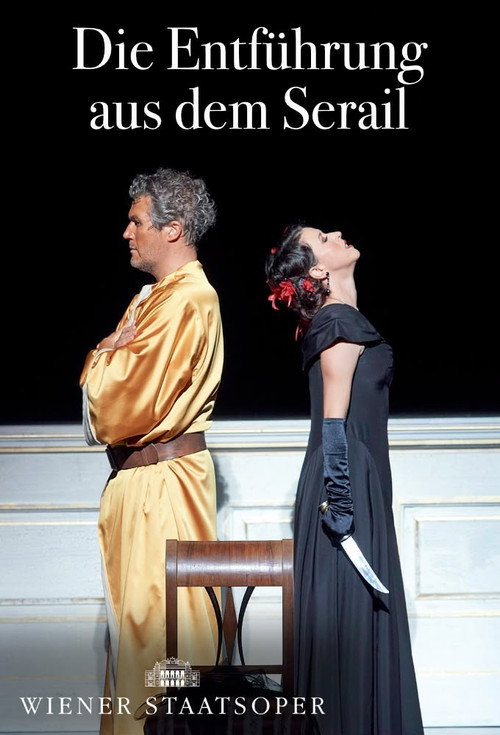
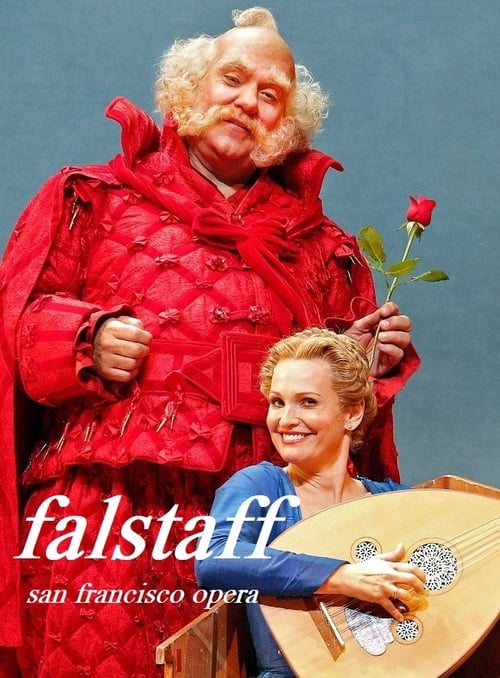
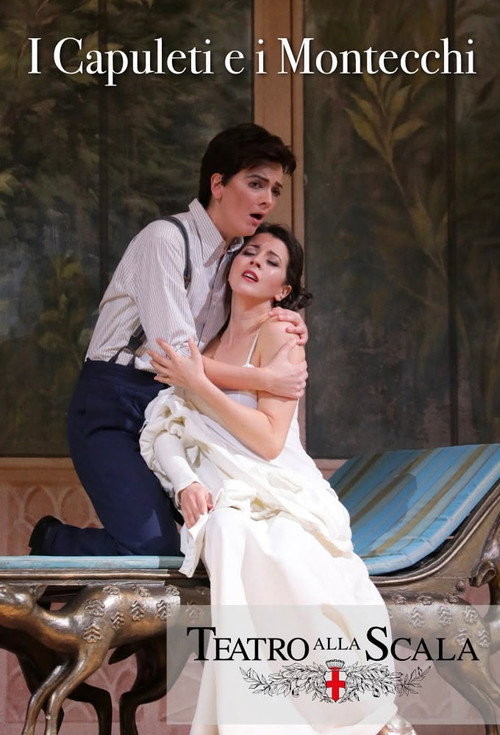
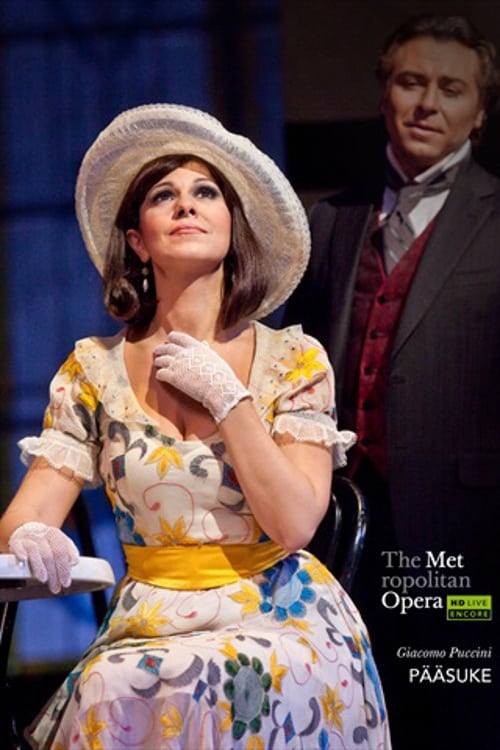
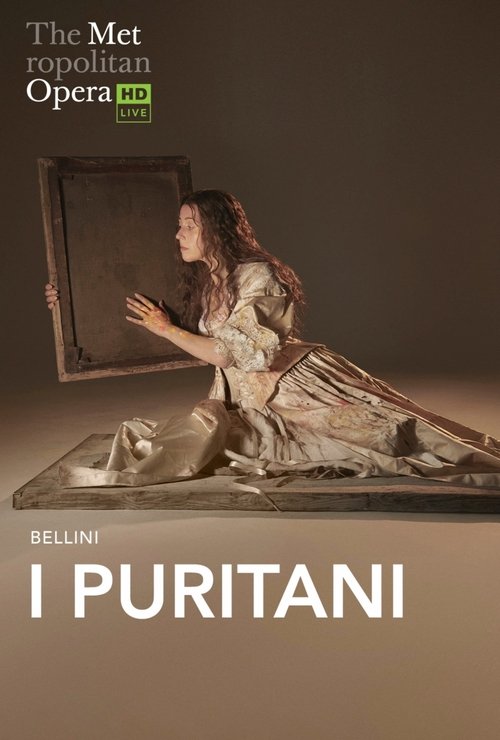
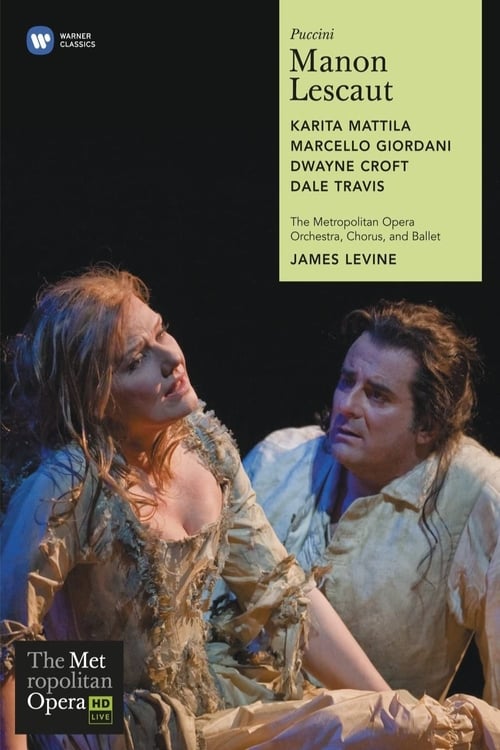
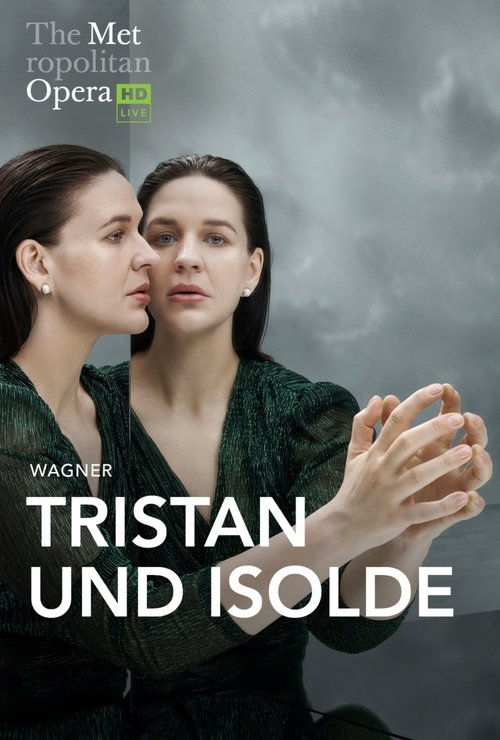
Lisette Oropesa (born September 29, 1983) is an American operatic soprano of Cuban ancestry. Born in New Orleans, Louisiana, she grew up in Baton Rouge and initially studied the flute for a decade before shifting her focus to vocal performance at Louisiana State University. Her operatic career formally launched after she won the Metropolitan Opera National Council Auditions in 2005, which led her to join the Met's Lindemann Young Artist Development Program. At 22 years old, she performed her first major role at the Metropolitan Opera as Susanna in Le Nozze di Figaro, marking the beginning of an extensive relationship with the house where she has since sung in over 140 performances. Oropesa is celebrated for her seamless vocal technique and lyric coloratura soprano voice. Her extensive repertoire spans classical and romantic eras, including works by Gluck, Handel, Mozart, Rossini, Donizetti, Wagner, Verdi, Bizet, Massenet, Bellini, and Puccini. Demonstrating strong linguistic affinity, she performs in her native English and Spanish, as well as in Italian, French, and German. She is particularly acclaimed for her interpretations of leading roles, including Susanna in Le Nozze di Figaro, Gilda in Rigoletto, Konstanze in Die Entführung aus dem Serail, Lucia in Lucia di Lammermoor, Manon, Violetta in La Traviata, and Elvira in I Puritani. Oropesa is a regular headliner at the world's most prestigious opera houses, starring in productions at the Teatro alla Scala, the Royal Opera House at Covent Garden, the Opéra National de Paris, and the Vienna State Opera. Her artistry has been recognized with some of the opera world's highest accolades, including the Richard Tucker Award, the Beverly Sills Artist Award, and the Franco Abbiati Prize. She was also named Singer of the Year at the 2024 International Opera Awards and, in 2023, was honored as a "Chevalier de l'Ordre des Arts et des Lettres" by the French government.