Acting
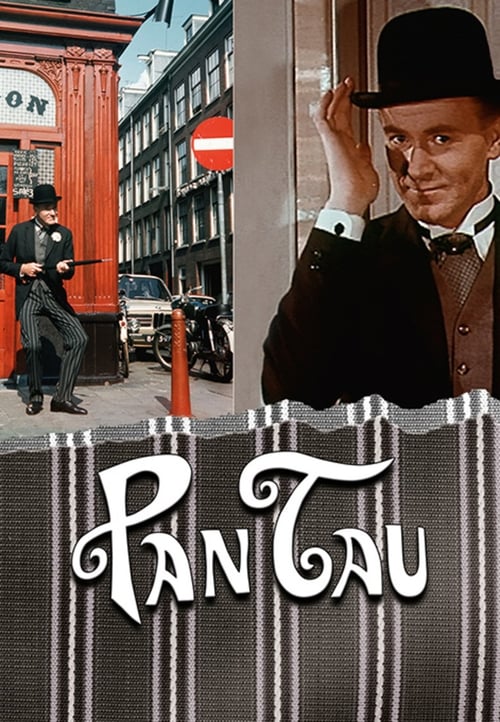
Pan Tau always had a gentle expression and a friendly smile, he was elegantly dressed in a stroller, with an umbrella and a white carnation in the lapel. Foremost, he was famous for his magic bowler hat. By tapping on his hat, Pan Tau was able to change his appearance into a puppet, to conjure up miscellaneous objects or to do other magic. His most characteristically behavior is that he would help children who were experiencing some sort of difficulties in-between their dreams and reality, like finding a place for skiing, settling family problems on Christmas, and even give a boy a good time at a fair when he is supposed to have piano lessons. To adults, he usually remained invisible.
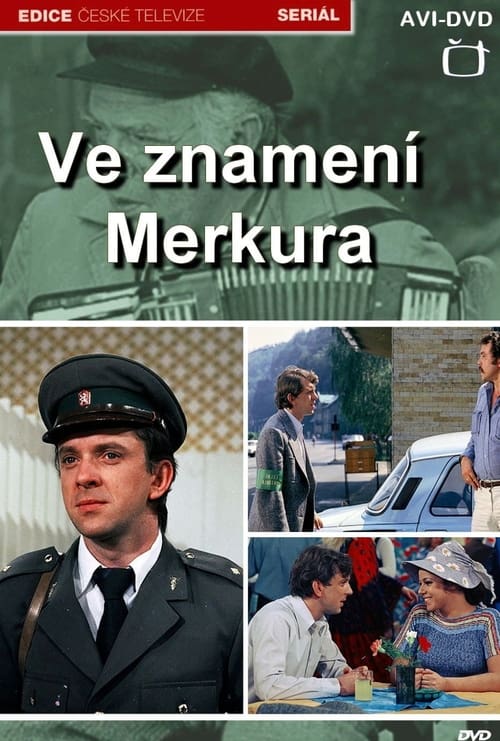
A military base. An awkward soldier. A statue of Bach. And suddenly all guns in the area change into music instruments. Great mystery is immediately found by TV station. And soon the military base becomes a stage for huge TV show.
In the beginning, the book of Bohumil Říha was about the aircraft of Kaneti. Both the book and the film that came out of it tell about children's parties spending their holidays near the sports airport. The newly scanned airplane first assigns to aliens, then suspects them of espionage, but in the end it will explain everything. Children will even find the courage to take part in an aviation trip. According to period reviews, the film was a bad thing to teachers, as they said it was inappropriate.
No description available.
Former Nazi Klaus Abard survives to the 1990s by taking anti-ageing pills. He plans to use a time travel trip to return to Germany in 1944 and present Hitler with a hydrogen bomb, so that he can win the war. Unfortunately the pilot, woman-chasing Karel Bures, dies on the morning of the trip and his earnest twin brother Jan impersonates him, without knowing about the plot.
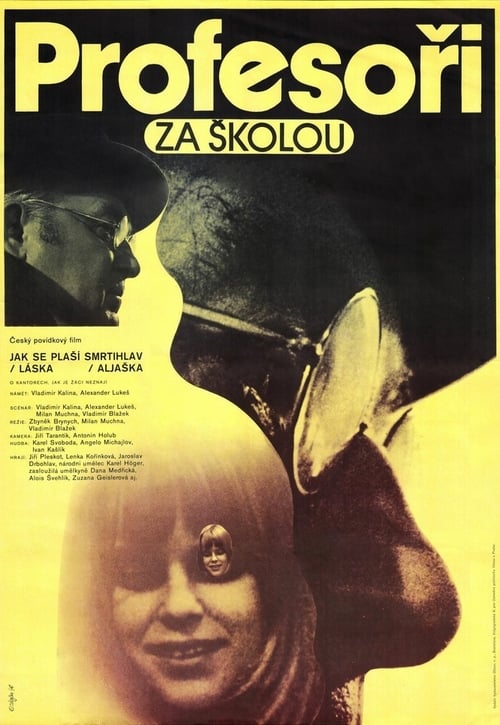
Three stories from the school environment, mostly from the perspective of teachers. In the first story we see an unnecessarily strict teacher, in the middle one a sports career is glossed over, which causes a young teacher to leave his job. In the final story, on the other hand, an experienced high school teacher goes to teach in a rural school to gain inner peace.
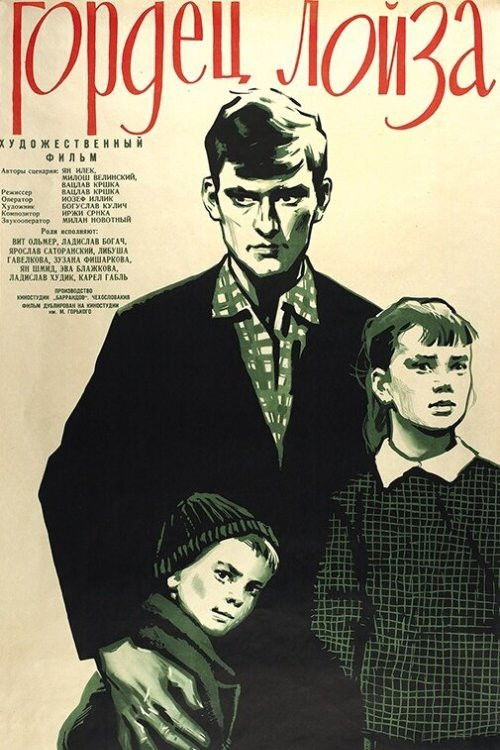
Set in a village, the story of a simple-minded, not-so-responsible young man who still manages to take care of his younger siblings after their father has left the family. Good thing he could lean on the principles of exemplary socialist morality. Not surprisingly, the attempt to capture something of the mentality and conditions of the contemporary village breaks down into simple, poster-like lessons.
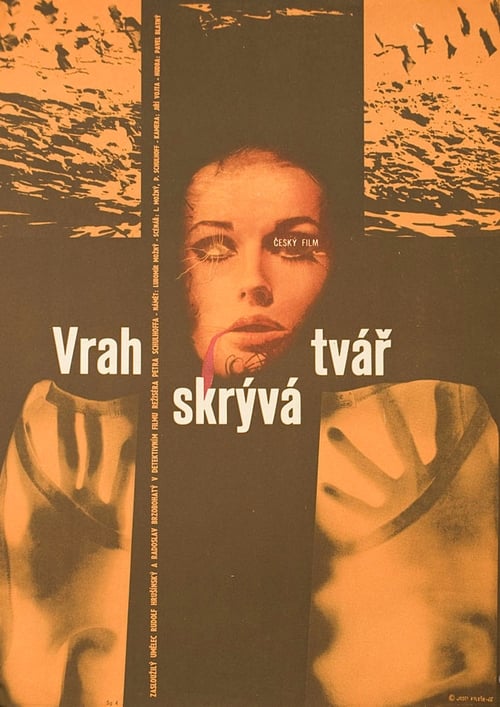
In the forest near the village of Drahovice, a nurse from the local health center is found murdered. Three months ago, another young woman died nearby and a sexual motive was proved in the case of her murder. In the case of the nurse, the motives are not so clear. Two criminologists from Prague - Major Kalas (Rudolf Hrusínský) and Lieutenant Varga (Radoslav Brzobohatý) - patiently collect all available leads and question the villagers.
Olga Valentová, whose father was a communist resistance fighter and died during the occupation, works in the export department of Tatrovka. The young woman recapitulates her life and returns to her father's ideals.
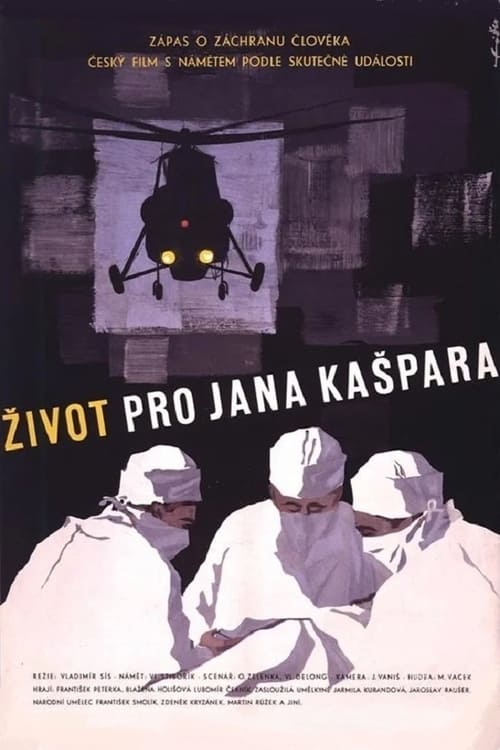
The bridegroom Jan Kaspar is an officer in the Klement Gottwald's Nová Hut rolling-mill. After bidding farewell to his freedom, he accidentally takes a sip from the bottle of tetrachlore which he stores at home. He disregards the dizziness, but the next day, he faints in the factory and has a brain concussion. During her regular tests, doctor Dudková is shocked by a high percentage of residual nitrogen found in Kaspar's blood. Doctor Bohácek, with whom Dudková consults, thinks that it is a liver disease and informs the head physician Filip. The doctors know nothing about tetrachlore and are in the dark about the case. Despite that, they immediately start to fight for Kaspar's life and their struggle consequently affects their personal lives.
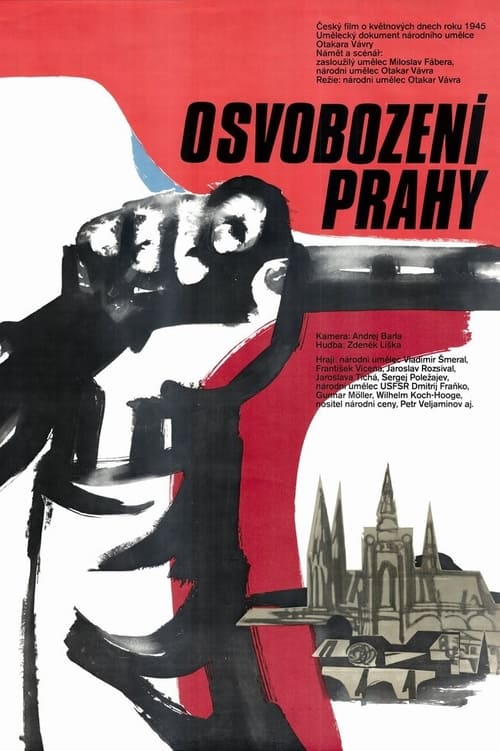
On 20th of April 1945 the Soviet army launches its attack on Berlin. The end has come for Nazi Germany and Hitler decides to commit suicide. In Prague K.H. Frank (Nazi Secretary of State and Chief of police in the Protectorate of Bohemia a Moravia) discusses with his commanders how to transform the city into an impregnable fortress, but the Praguers do not intend to wait any longer. From the early hours of 4th of May people start assembling in the streets and tearing down German signs. On the next day, the 5th of May, the uprising begins.
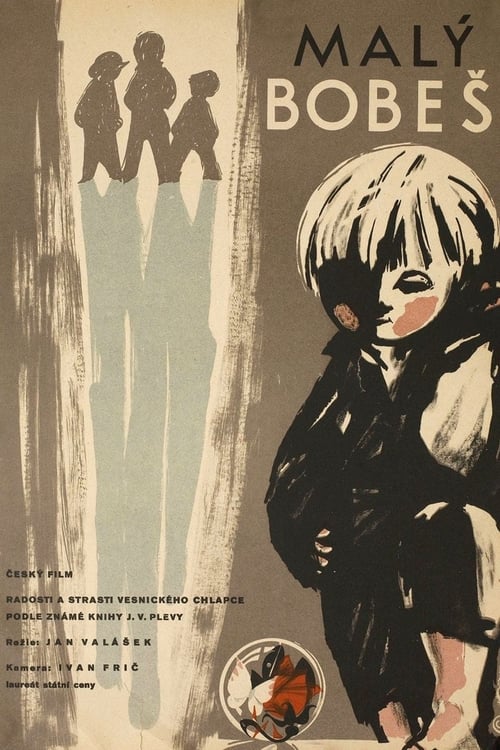
A story of a young boy called Bobesh and his funny adventures.
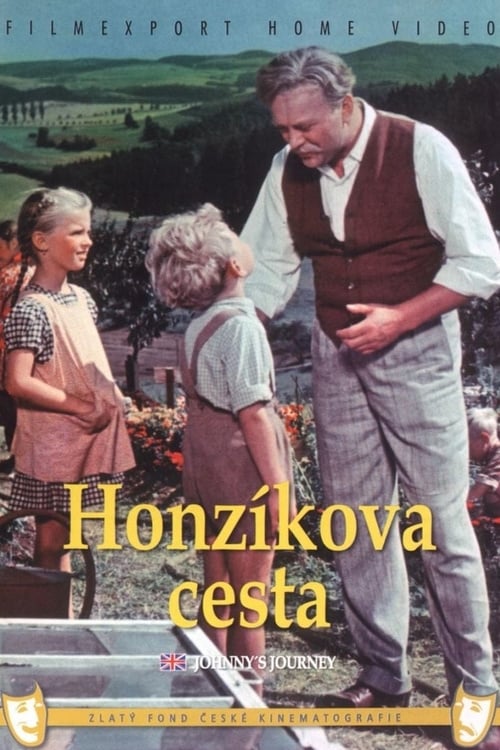
Five years old Johnny is going for his first journey with no parents.
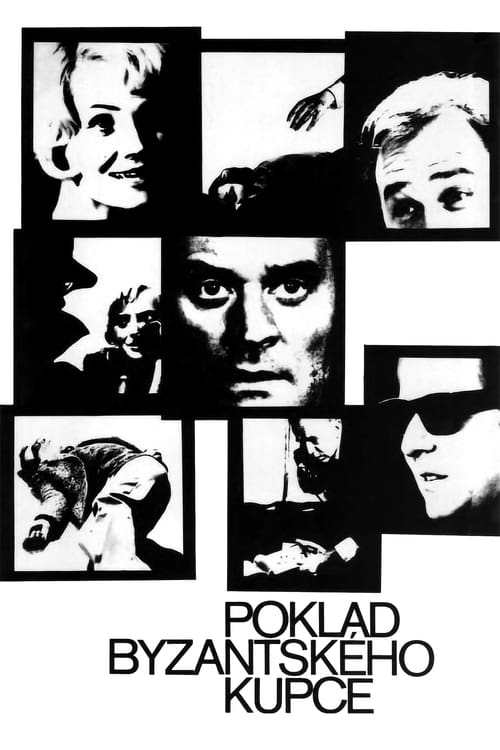
A detective story revolving around an ancient treasure from the ninth century, believed to have been destroyed during World War II, takes place in an archaeological environment. Its main character is, alongside Captain Exner, who is investigating a strange murder committed on the premises of a scientific institute, a young student at the Academy of Sciences and Arts of the Slovak Republic, Kamila Housková, who discovers that the treasure was not destroyed, but most likely stolen. The bright girl continues her search for the treasure against Captain Exner's will and leads the investigators to a trail that proves the connection between the lost treasure and the murdered woman...
Three short stories ("Zelenáči 1945", "Silvestr 1948" and "Zimní vítr 1951") about members of the SNB units guarding the Šumava border in the post-war years. Ivo Toman had artistic supervision over the debutants. The theme of the third short story was made in 1959 for the film "Entry Forbidden" by František Vláčil, who was also starting at the time.
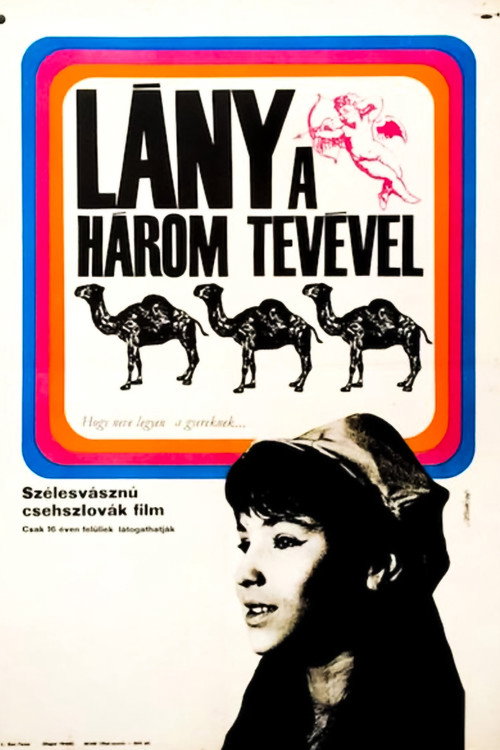
The fates of the women are repeated: the 16-year-old daughter of a 32-year-old mother is also pregnant. Like her mother, the child remains unmarried and fatherless. From him, the girl receives only an exotic postcard with the titular three camels...
A harsh and raw story about the difficult life of a village woman and the sad fate of her three daughters...