Pavel Rubeš
Acting
Known For
No description available.
„Start“
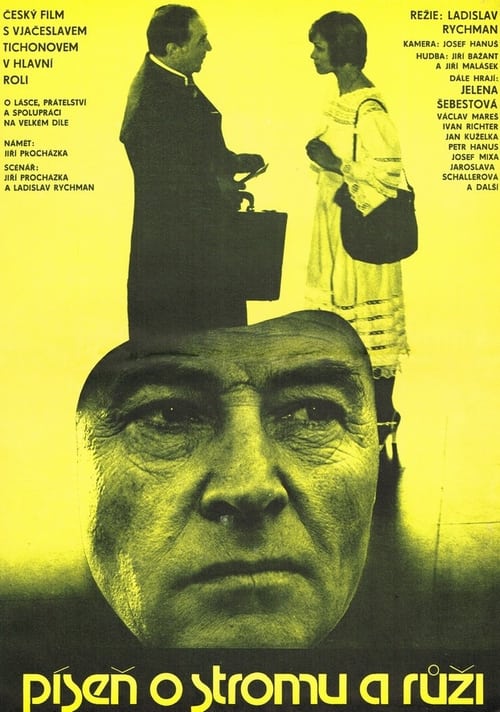
Soviet engineer Kuznecov is coming to Prague as an expert on work with the tunneling shield in construction of the metro. He is returning after more than thirty years. In May 1945 as a young soldier in the Red Army he was seriously injured in the liberation of Prague and while recovering experienced a great love with a young teacher called Vera.
Píseň o stromu a růži
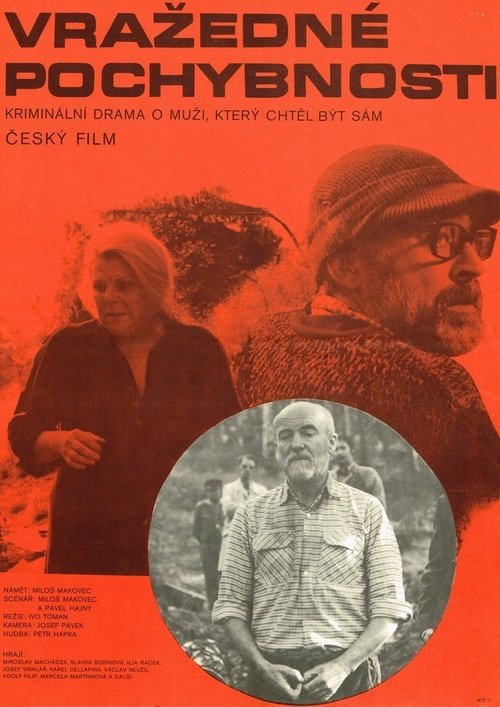
A mentally ill man is running away from the people who care for him in search of freedom. He accidentally stumbles into a hotel where a ten-year-old girl has been found murdered. Is he really the perpetrator of the horrific crime?
Vražedné pochybnosti
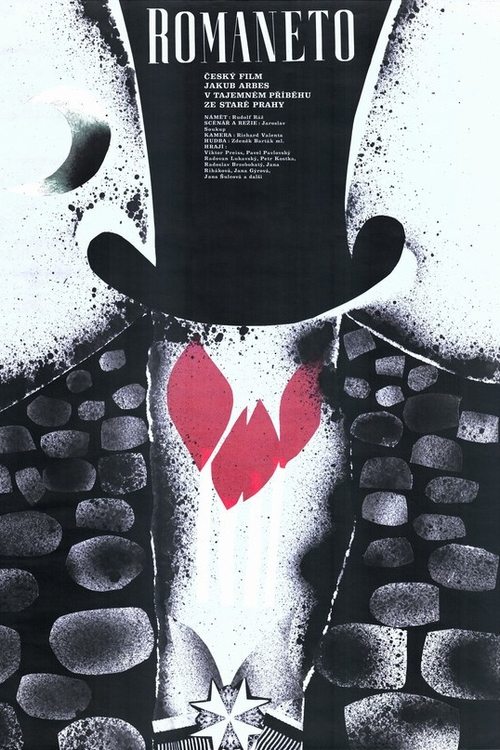
A frightening atmosphere, full of chilling dampness and darkness, follows the fate of a desperate searcher who tries in vain to unravel the supposed secret of the altarpiece...
Romaneto
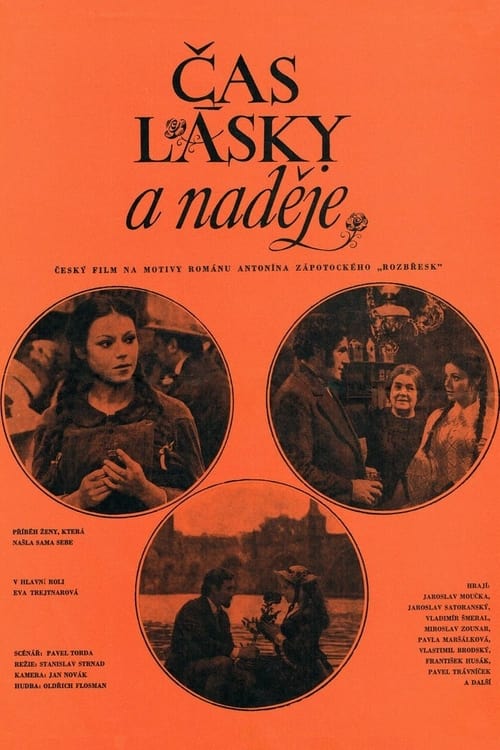
A colour-printed melodramatic selanca from the beginnings of the organised labour movement in Bohemia... Antonín Zápotocký, the second workers' president, is the author of the literary novel Rozbřesk - the plot is said to be inspired by the fate of his grandmother and mother.
Čas lásky a naděje
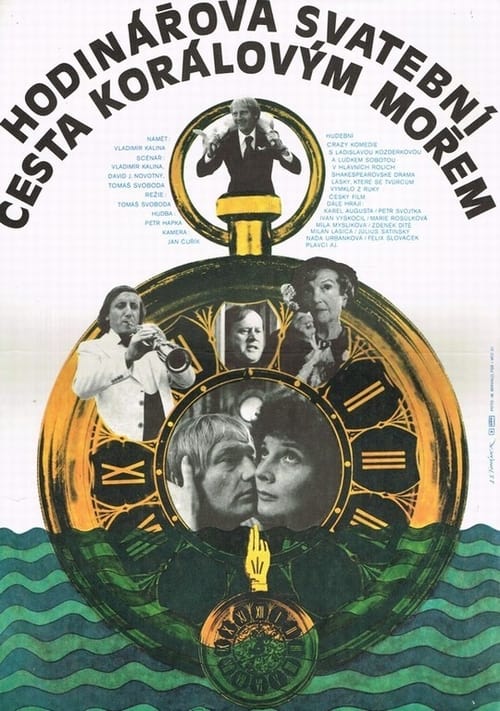
This wacky musical comedy builds on absurd ideas, parodic humour and many variously subverted references to famous...
Hodinářova svatební cesta korálovým mořem

A military base. An awkward soldier. A statue of Bach. And suddenly all guns in the area change into music instruments. Great mystery is immediately found by TV station. And soon the military base becomes a stage for huge TV show.
If a Thousand Clarinets
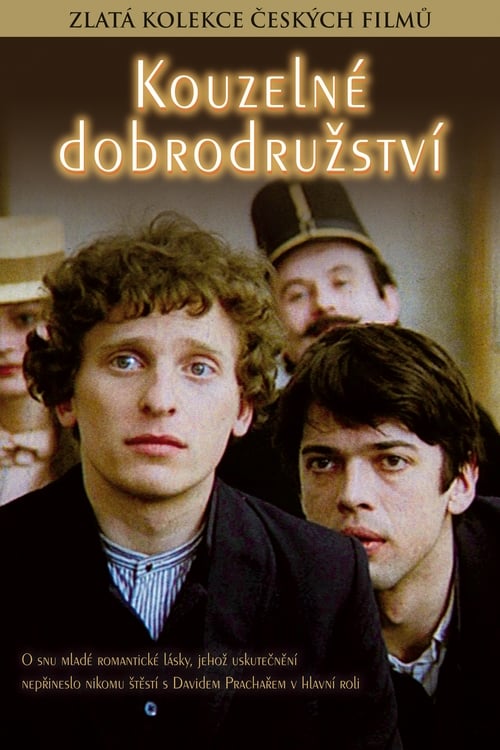
The story of the friendship between František and Gustav, which fades over the years, as well as the memory of a magical, almost dreamlike experience...
Kouzelné dobrodružství
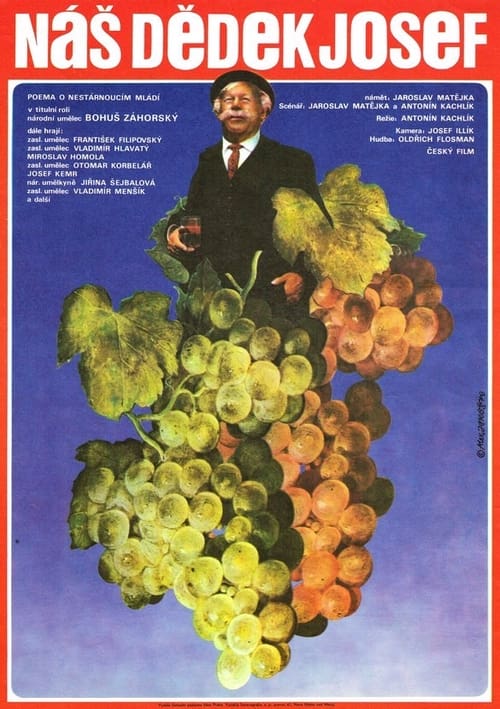
Set in a 1950s Moravian wine village, an elderly Josef, guided by his quirky life philosophy and humor, recalls key moments from his past. Across nine seasonal vignettes filled with local folklore and customs, he and his fellow elders remain fully engaged in the joys and trials of village life.
Náš dědek Josef
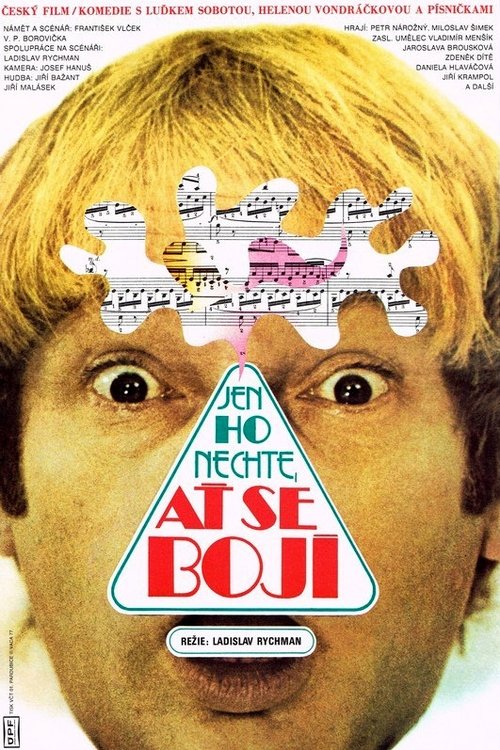
School supply teacher timid folk art Ales Brabec won first prize at a music festival and will therefore offer to work for the Prague little theater in the basement. Its director Soukup just needs a few songs for the upcoming musical, and so is willing to do everything to Alex to create the right atmosphere for composing.
Let Him Face the Music!
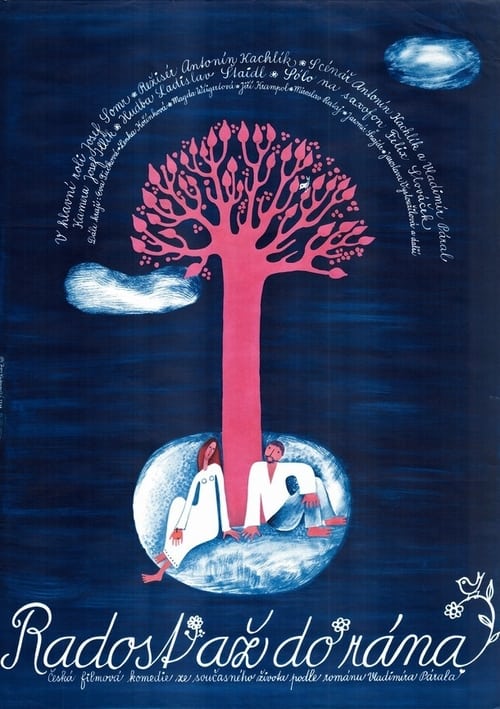
A psychological story about dissatisfied individuals who despise the stereotypes of others, but create their own. Kazan, a vagabond through life, and Viola, who always settles for the ideal, form a disparate pair who eventually find the one.
Radost až do rána
No description available.
Hlas krve
No description available.
More v kvapke vody
A political drama dealing with the issues of contemporary construction and highlighting the various relationships within the party apparatus.
Na koho to slovo padne...
No description available.
O Nanynčiných koláčích
No description available.
Historie lodě Bečky
No description available.
Kdo hledá, najde
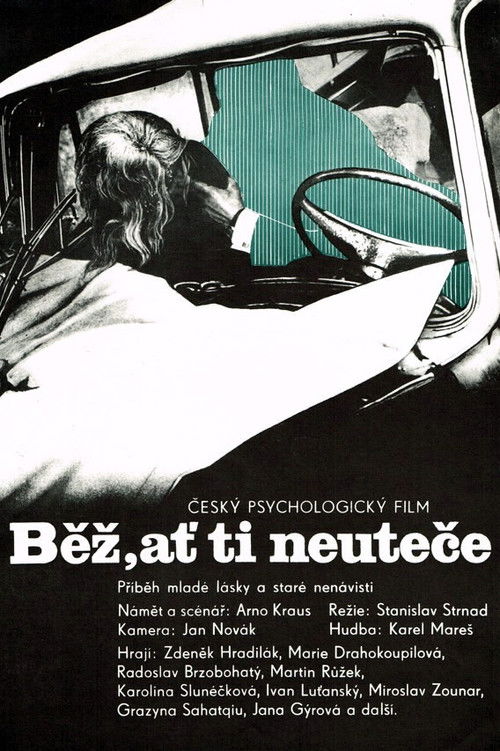
The film from 1976, a film that is exemplary in its devotion to the canons of normalised cinema, is the work of director Stanislav Strnad. He brought to life the script of an unusual author - the secretary of the SČDU, Arno Kraus - in this psychological drama. The protagonist of the story also has his cadre materials in order according to the requirements of the time - he is a worker director Kabát, who besides problems at the workplace also copes successfully with difficulties in his private life - a break-up with his wife.
Běž, ať ti neuteče
No description available.
Můj nezdolný lev
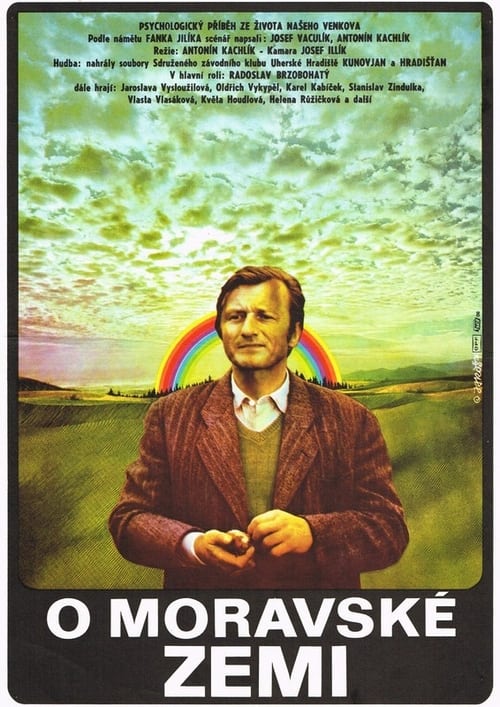
The reason for making this film is clear: it was to cover up Vojtěch Jasný's famous chronicle "All the Good Natives", an account of the tragic consequences of forced collectivisation. The pro-regime director Antonín Kachlík also focuses on the socialisation of the Moravian village, accompanied by mistakes and coercion, but in his optimistic view he emphasises the hopeful prospects leading to a happy future. Although the united village lands were born in pain, they will serve for the benefit of all the working people... As with Jasný, Radek Brzobohatý embodies the stubborn peasant, who is only slowly acknowledging the benefits of communal farming. However, unlike the poetic exuberance and pithiness of Jasný's chronicle, here we encounter a vicious posturing.