Acting
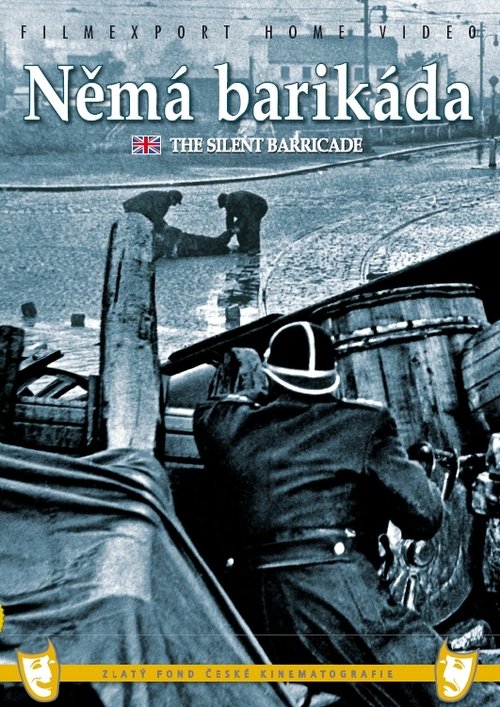
The Czech revival movement is divided at the end of the first half of the 19th century. While the older generation, such as František Palacký, urges restraint, students lean towards radical positions. A report on the revolutionary events in Paris prompts Czech Prague residents to write down the demands of the Czech nation for self-determination and the proclamation of a constitution. Tensions peak during the All-Slavic Congress in Prague's Žofín. Vienna rejects the Czech demands and the congress is brutally dispersed by the Austrian police. Prague begins to build barricades...
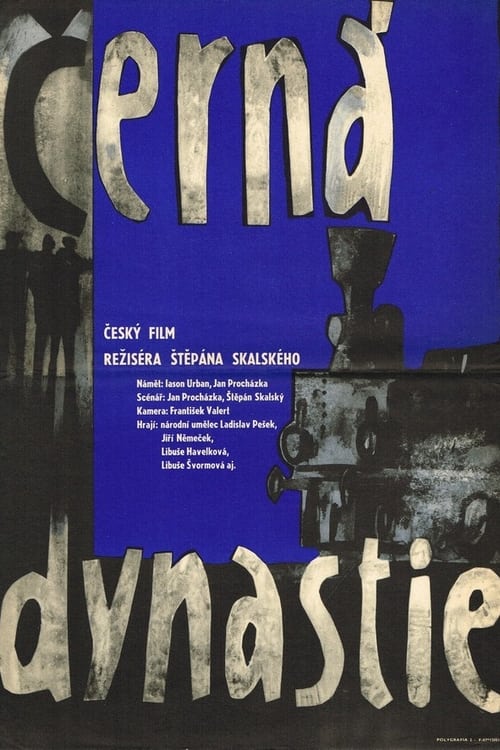
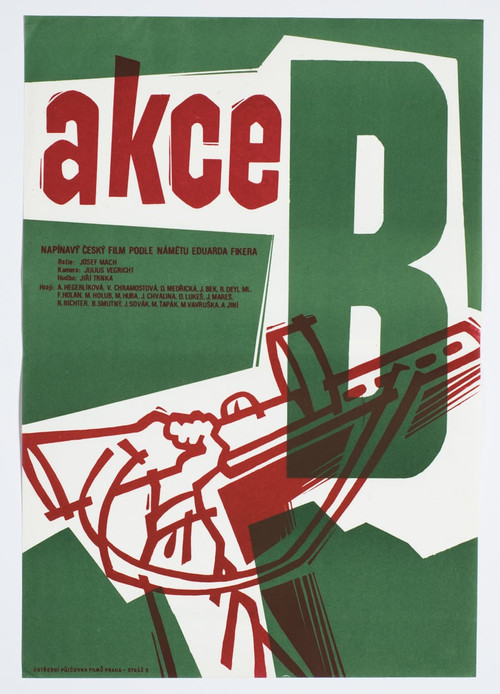
A fiction piece centered around the Czech resistance to the Nazis.
No description available.
A military base. An awkward soldier. A statue of Bach. And suddenly all guns in the area change into music instruments. Great mystery is immediately found by TV station. And soon the military base becomes a stage for huge TV show.
The commander of the military training camp, newly promoted Major Cibulka, keeps his subordinates in line. Because of an unexpected emergency, he refuses to give leave even to the young lieutenant Zabran, whose wife is due to give birth any day. In addition, a false article appears in an army newspaper claiming that Zábrana is an example of a bad company commander. In fact, it is he who has the best leadership skills. Fearing for his wife's health, Zábrana disobeys orders and departs for Prague at night to visit his wife in the maternity ward. Cibulka decides to push the envelope even harder, and drives Zábrana, whom he has long disliked, before the prosecutor.
A Czech satirical comedy, filmed according to a script by the State Prize laureate Jiří Marek based on several of his satirical short stories. The film contains three stories, the first of which mocks careerism, the second takes aim at the inadequate attitude of some of our literary critics, and the final story is a satirical picture of how irresponsible construction work is still done in some parts of our country.
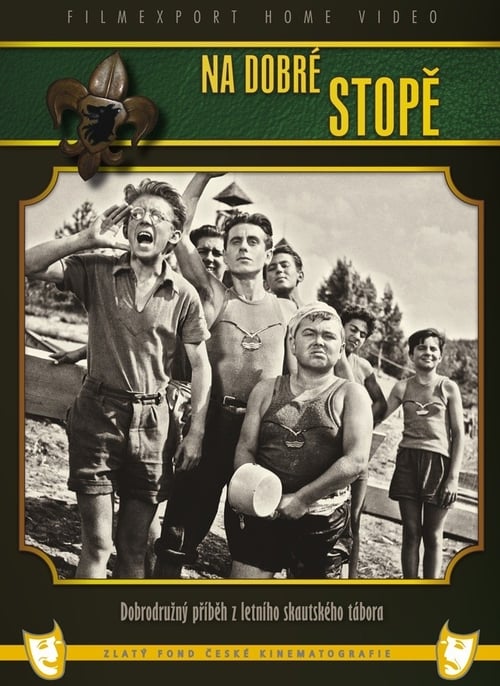
An adventure story for young people set in a summer camp for boaters in Juná. Eda, marked by a tragic experience of occupation, has difficulty getting along with the other boys. He only gains their trust and friendship when he helps to uncover German saboteurs.
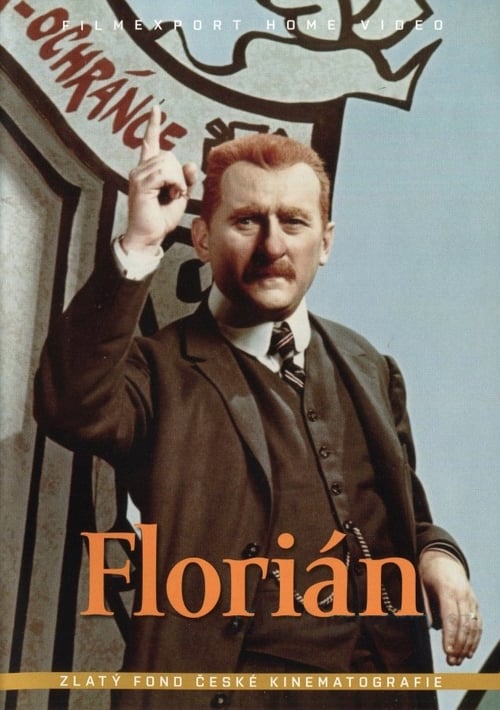
A mobile chapel of St. Florian is moved every week between the villages of Zbořov and Spáňovice. The farmer Florian Jírovec, who has to provide his horses for this event, is tired of it and therefore supports the proposal to build a proper brick chapel in Zbořov. The saint himself visits him at night and is rewarded for his efforts with a miracle. He sends him a golden cord from the sky, which can regulate the weather...
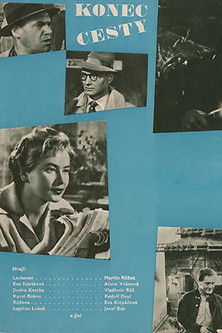
Josef Lachman, once a security officer, serves twelve years for aiding an SS fugitive’s escape. Upon release, he works as a driver on a dam project, hunting buried English pounds Meyer told him about. With miner Rokos’s help, he retrieves the cash and hides it with his daughter Eva, but she spends some at Tuzex, Rokos blackmails him, and they discover the notes are WWII forgeries.
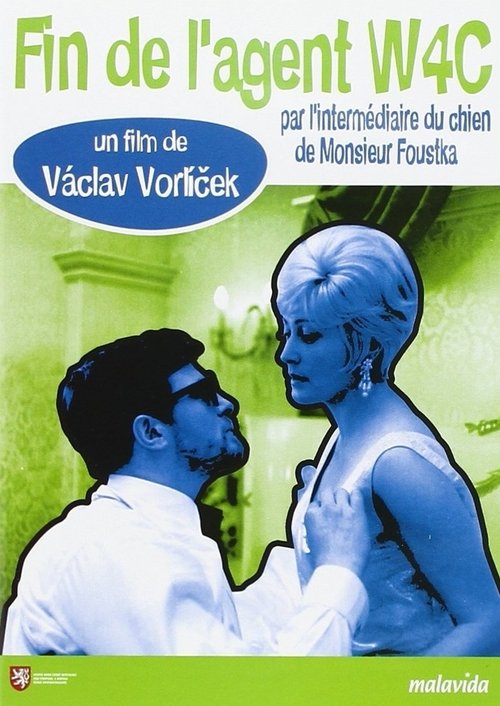
The invincible agent Cyril Juan Borguette alias W4C has been assigned a mission to go to a hotel in Prague, get hold of a saltcellar with a plan for the military exploitation of Venus hidden in it, and hand it over to the beautiful agent Alice. He will have to compete for the saltcellar with other agents working for the world's various greater and smaller powers. The head of the Prague counter-intelligence unit gets news of agent W4C's mission. Deficient in personnel, he nominates accountant Foustka as agent 13B. Mr Foustka takes his dog Pajda with him and the two head for the airport. Pajda helps him track down agent W4C in a classy hotel that becomes the battleground for the interests and plans of the secret agents from different countries, each trying to get hold of the precious saltcellar.
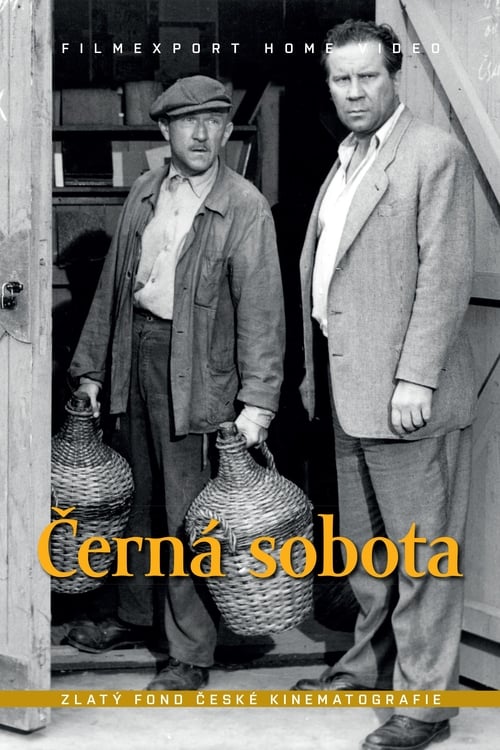
In this crime story, surprisingly, neither the all-powerful criminals nor the spies or saboteurs are pursued, as was once common. The plot is almost mundane: someone unwittingly siphoned off alcohol from a tanker, unaware that it was deadly methyl alcohol, intended for industrial use. Finding out where the poison has been transported and which people it endangers requires painstaking work.
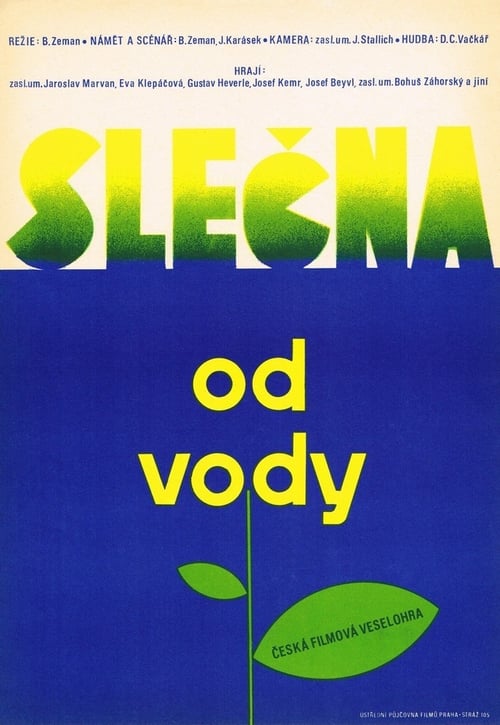
The young worker Helena Pokorná and her widowed father are employed in the same factory. The father is spending his holidays at home in Prague and is looking forward to work. Helena is to go to the seaside for a rewarding holiday. On a hot July day, the girl rides to work in a crowded tram. On the embankment, the crowd pushes her out and Helena fails to get into several other cars. Tempted by the river, the girl calls in sick to work. She takes a steamer to Modřany. There she meets a young man who wants to sleep by the river after his night shift. Helena is drawn into the strange pastimes by a group of notorious loafers and water girls.
A satire of the Great American Way, with Lemonade Joe a "clean living" gunfighter who drinks only Kola-Loca Lemonade and convinces everyone else in town (with his gun skills) that all "real men" drink ONLY lemonade!
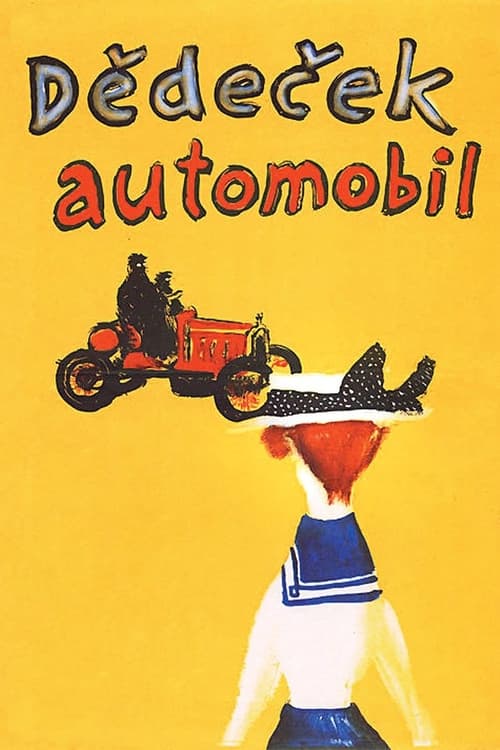
The history of motoring in Bohemia begins when Laurin and Klement founded a factory for the production of motorcycles. In 1904, the first motorcycle races were held in Dourdan, France, in which Czechs also participated. Czech mechanic František and Nanette, daughter of French mechanic Frontenac, met and fell in love there. Czech racer Vondřich finished second due to a breakdown. In 1905, the race was held again, Vondřich insured himself with a suitcase of spare parts and won. Nanette and František, who had been writing to each other all year, met again. After motorcycles, cars began to be produced everywhere, and in 1909 their first race was organized in Gaillon, France. The Czech racer Count Kolovrat won. His mechanic František married his beloved Nanette in the local church.
The family is connected with Prague's "Kolbenka", the ČKD locomotive factory. Grandfather Antonín, already retired, son Rudolf, a master in the locomotive assembly section and grandson Antonín, a promising football player. The film also tells the story of Rudolf's daughter Vera - each generation has its own ideas about life and cannot identify with the others. The film is linked by retrospective sequences from the lives of Antonín the Elder and Rudolf, especially from the war years. It is a realistic take on working-class life, unencumbered by ideology (despite the opening dedication), featuring well-known and time-tested actors in mainly male roles.
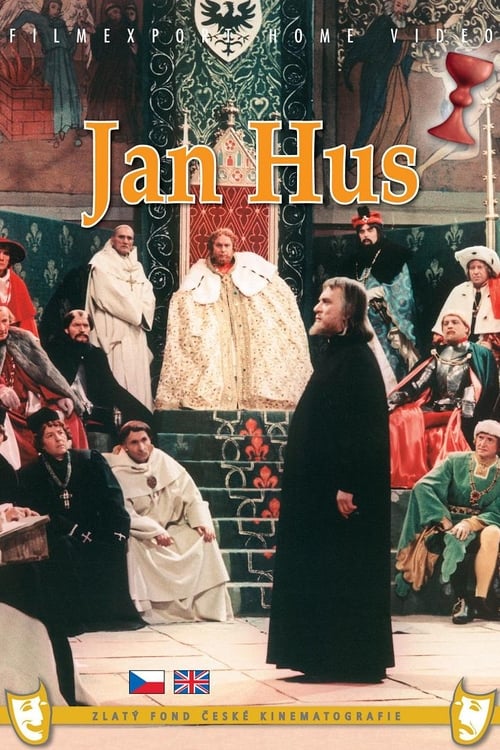
The first part of the "Hussite Revolutionary Trilogy", completed with Jan Žižka (1955) and Proti všem (Against All Odds, 1957). The film captures the period from May 1412 to the summer of 1415, a turbulent time in the Czech Kingdom, during which there were protests in Prague against the sale of "omnipotent indulgences" whose sale throughout the kingdom was announced by Pope John XXIII. The ideological leader of this movement is the preacher Master Jan Hus, whose words, calling for the elimination of church abuses, are listened to in the Bethlehem Chapel by thousands of ordinary Praguers, Czech lords and Queen Sophie, wife of the Czech King Wenceslas IV.
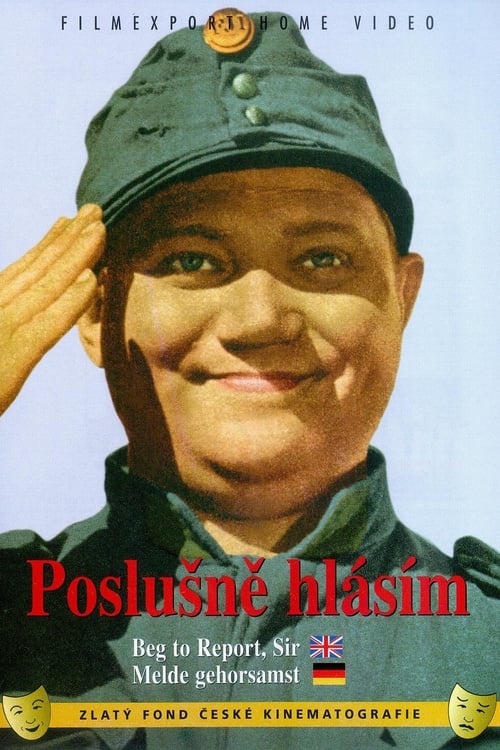
A comedy based on the novel of Jaroslav Hašek's The Good Soldier Svejk happens during the World War I. I Dutifully Report: In the introduction to the second part of the film adaptation of Hašek's novel The Good Soldier Švějk presents his main character Josef Švejk. With the distinctive traditional Czech cartoon character of a soldier Svejk, this time you meet on the way to the front and eventually right in the firing line. You can look at his famous train events, and also probably the most famous episode of the novel, Švejk's Budějovice anabasis. Don't miss the scene with the secretly bought cognac, the episode with Svejk as a fake Russian prisoner of war, including the court scene, and the scene in which lieutenant Dub is caught in a brothel. Despite the criticism, Steklý's adaptation is undoubtedly the most famous and memorable at present.
Film shows the struggle of the Czechoslovak armed forces against groups of Ukrainian Insurgent Army (UPA) under command Burlak, who tried to pass through the territory of Slovakia.