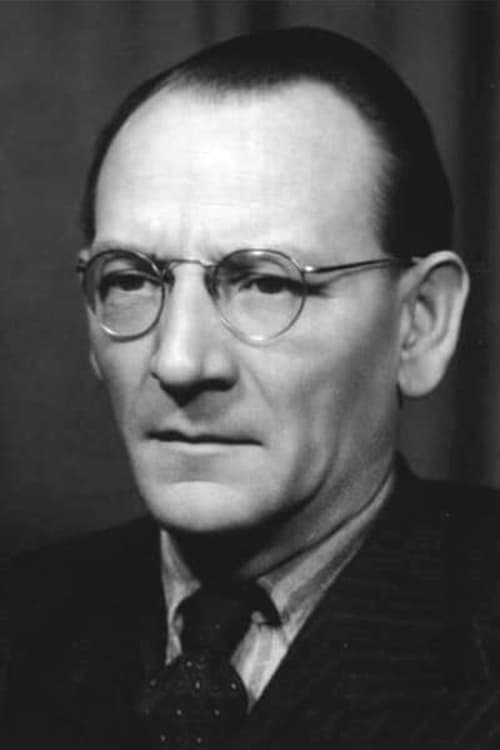
Bohuš Hradil
Acting
Known For
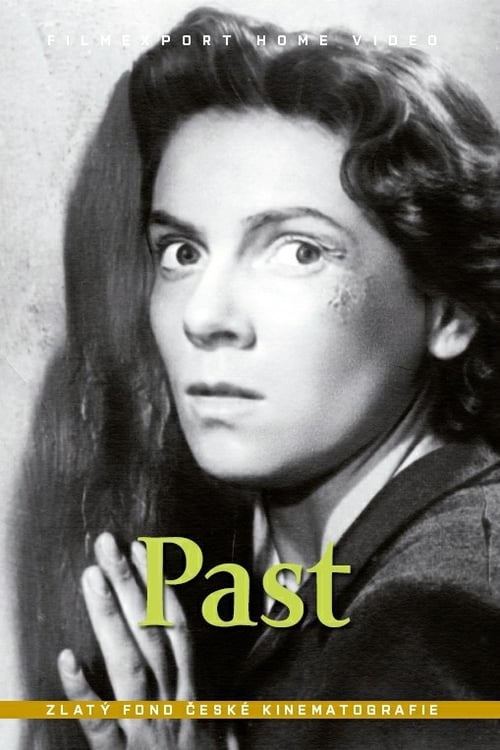
The drama from the time of the Nazi occupation begins at the train station, where a transport with German soldiers is passing. The train is stopped due to improvised sabotage by one of the railway workers. Resistance liaison Růžena Kubínová is arrested in a random raid. The cynical councilor Dönnert discovers her false documents and has her brutally interrogated. He suspects that she could contribute to exposing the entire group. He puts a informant, Herta, in her cell.
The Trap
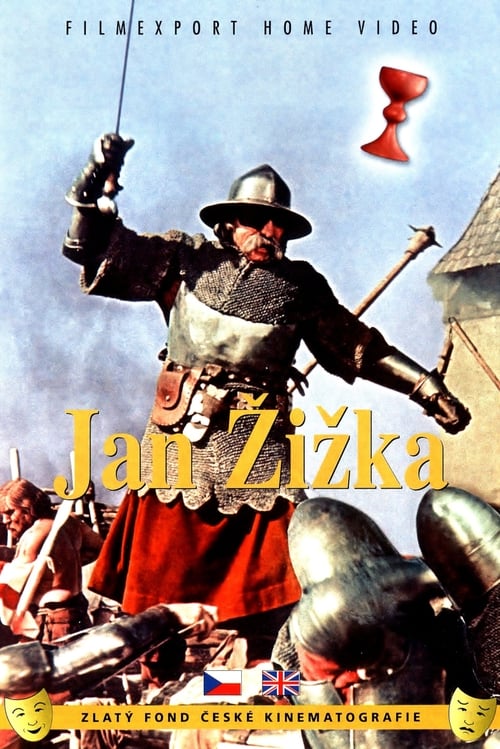
The second part of the revolutionary Hussite trilogy takes place in the years 1419-1420.
Jan Žižka
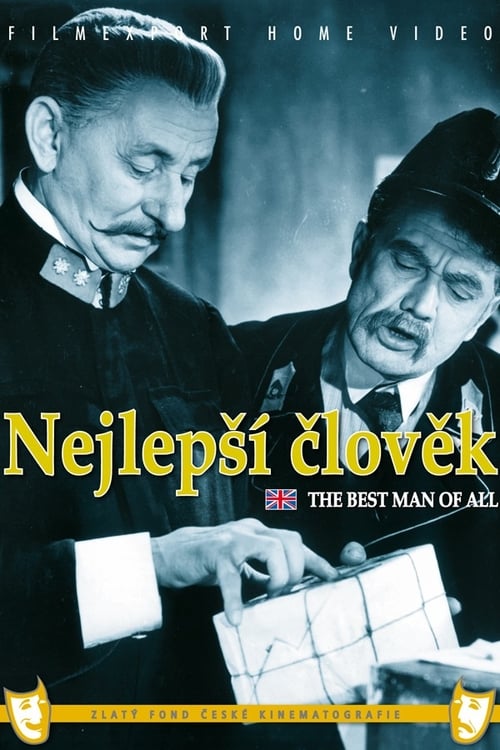
A Czech satirical comedy set around 1900. The inhabitants of the small town of Pětice are excited by a mysterious package that is to be delivered to the best person in the village. Of course, all members of the town council claim the title of best person. In the end, it turns out that it was a cleverly thought-out prank intended to reveal the true character of the "better people" of the town.
The Best Man of All
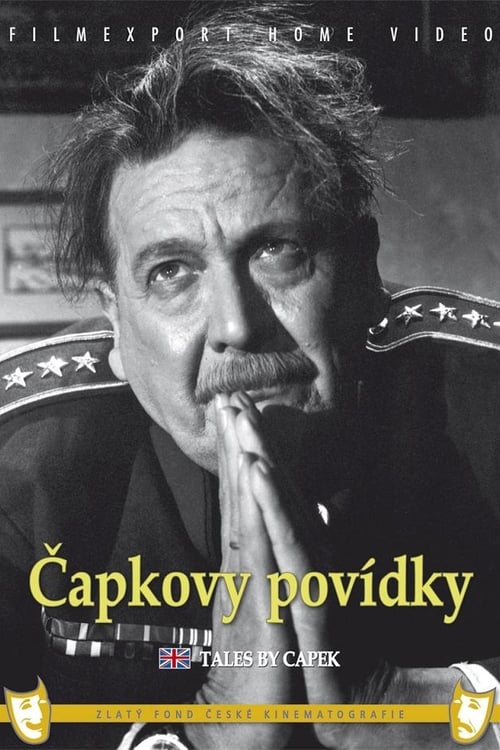
Five crime stories connected by the narration of police superintendent Bartosek.
Capek's Tales
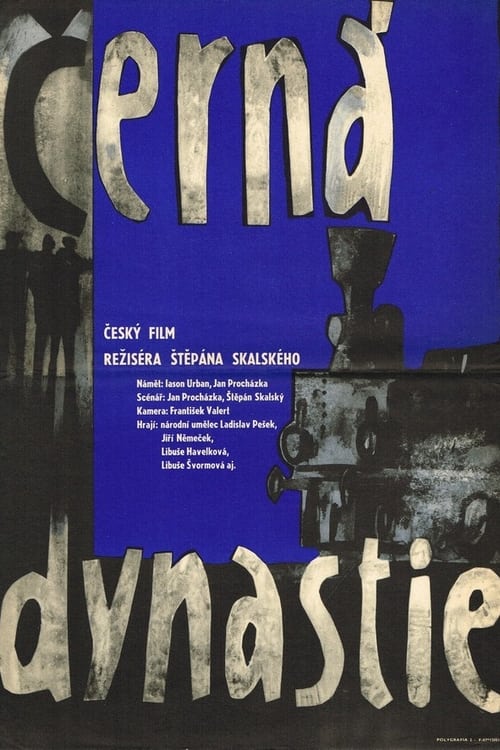
The family is connected with Prague's "Kolbenka", the ČKD locomotive factory. Grandfather Antonín, already retired, son Rudolf, a master in the locomotive assembly section and grandson Antonín, a promising football player. The film also tells the story of Rudolf's daughter Vera - each generation has its own ideas about life and cannot identify with the others. The film is linked by retrospective sequences from the lives of Antonín the Elder and Rudolf, especially from the war years. It is a realistic take on working-class life, unencumbered by ideology (despite the opening dedication), featuring well-known and time-tested actors in mainly male roles.
The Black Dynasty

A selfish self-centered widowed ruler, barely tolerated by his subjects and called appropriately enough, 'King Myself, First' asks his three daughters to name the measure of their love for him. When one of them says, "more than salt", he banishes her from the kingdom. Not understanding what she meant the King assumes love can only be measured by precious metals or one's own talent, the 'correct' answers from his other two daughters. The arrogance of the King leads him to gather all the salt in the kingdom and destroy it. Of course, this backfires as he slowly learns the universal value of the substance, and of course, the essence of his daughter's reply. With the help of the wise and magical old 'herb woman', the King also learns what it means to be a true and wise ruler.
Once Upon a Time, There Was a King...

In early 20th century Czechoslovakia, a gravely ill chemist recalls his discovery of a powerful explosive and how it landed in the hands of anarchists.
Krakatit
In the last days of the war, American planes bomb a synthetic gasoline plant in the Sudetenland. The workers are then faced with the enormous task of building a new plant on the site of the ruins and starting production. Their efforts are truly bearing fruit - after immense sacrifices, Stalin's plants are back in full swing, which is something that competitors abroad don't like to see and they try to use the reaction to liquidate the production of synthetic gasoline...
Výstraha
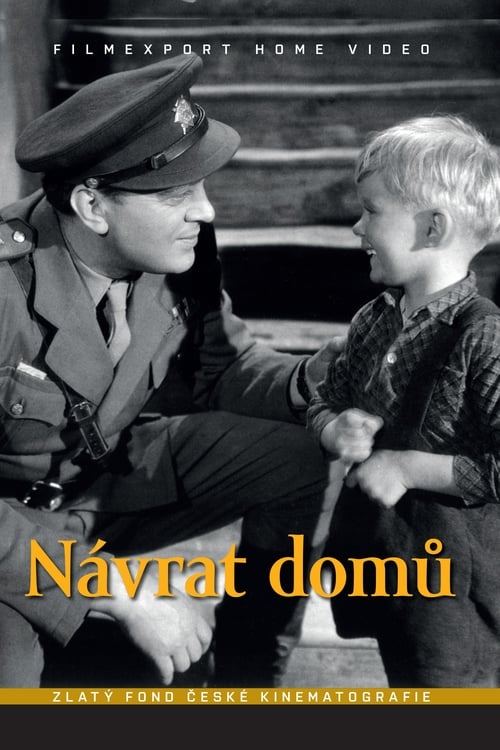
Czechoslovak drama film about soldiers returning from World War II
Lost in the Suburbs
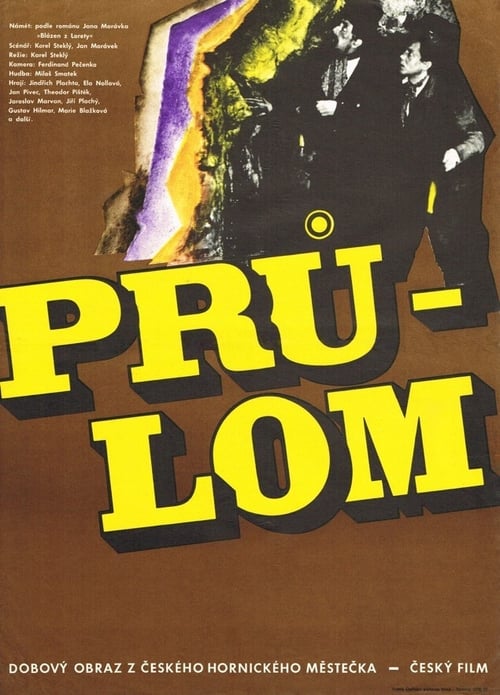
A small Czech town in the 1860s. The townspeople once made a fortune from the proceeds of gold mines that are now flooded. However, they do not want to invest in draining them, as they are convinced that it is not worth it. However, the cessation of mining has plunged the miners' family into poverty. After vain requests for help in the town and the governor's office, the miners decide to take action themselves...
Průlom
The management of the Meteor motorcycle factory is forced by a representative of the central headquarters to accept the expensive design of a racing machine and abandon the unfinished prototype of a folk motorcycle of their own design. However, the factory's workers and technical team decide to complete the prototype of the "Pepíky", as they call their five-hundred-horsepower motorcycles, ahead of schedule.
Pětistovka
On his first day in a new place, waiter Josef Kučera stands up for his old servant Bartoš and bellhop Svát. His actions earn him the distrust of the café owner Stýbl, the admiration of the maid Jindřiška, and the hatred of her suitor, the waiter Vacek. One evening, Kučera overhears a strange conversation between two guests and confides in the editor of Rudý právo Rokos. When a scandal breaks out about the bank robbery of the minister's son-in-law Zakhar, Rokos deduces from the conversation that it was a fake robbery...
Kavárna na hlavní třídě
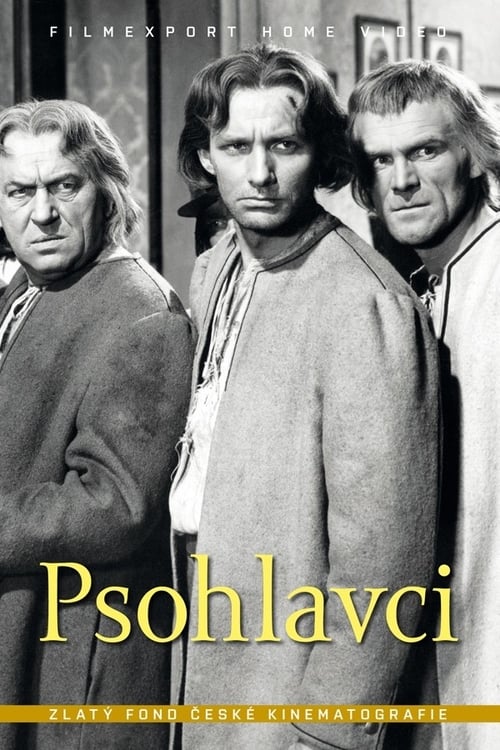
The history of the rebellion of the brave Chody, led by Jan Sladký Kozina and Matěj Přibek, against the violent tyranny of the foreign nobleman Maximilian Lamminger of Albenreuth. Based on the novel of the same name by Alois Jirásek.
Dog's Heads
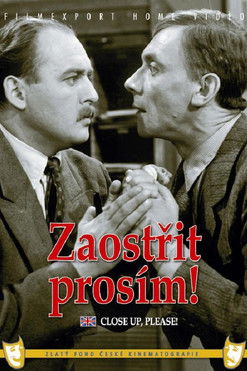
A Czech satirical comedy, filmed according to a script by the State Prize laureate Jiří Marek based on several of his satirical short stories. The film contains three stories, the first of which mocks careerism, the second takes aim at the inadequate attitude of some of our literary critics, and the final story is a satirical picture of how irresponsible construction work is still done in some parts of our country.
Zaostřit prosím!

The Emperor's mismanagement of his country is provoking some in his court to plot to overthrow him. He feels successful, at least, when he discovers the legendary Golem, which he believes can protect him and even cure his imaginary illnesses but, when he disappears while on a bender, his kindly baker, who looks just like him, is mistaken for him, and begins to put things in order. However, the conspirators, not to be outdone, determine to bring the Golem back to life to do their bidding.
The Emperor and the Golem
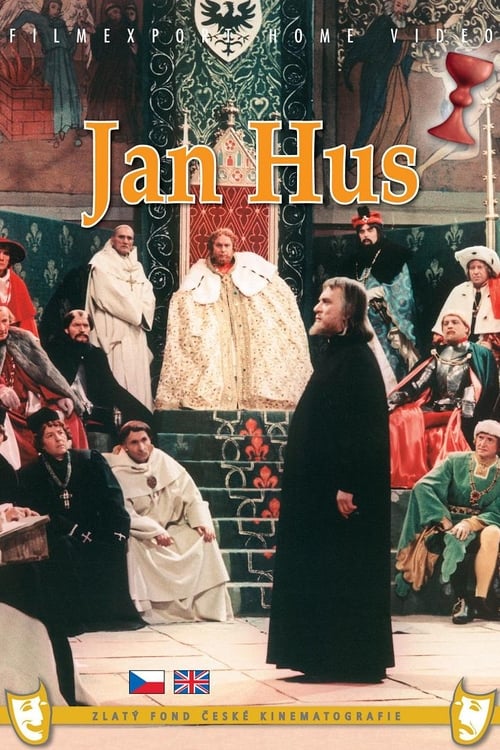
The first part of the "Hussite Revolutionary Trilogy", completed with Jan Žižka (1955) and Proti všem (Against All Odds, 1957). The film captures the period from May 1412 to the summer of 1415, a turbulent time in the Czech Kingdom, during which there were protests in Prague against the sale of "omnipotent indulgences" whose sale throughout the kingdom was announced by Pope John XXIII. The ideological leader of this movement is the preacher Master Jan Hus, whose words, calling for the elimination of church abuses, are listened to in the Bethlehem Chapel by thousands of ordinary Praguers, Czech lords and Queen Sophie, wife of the Czech King Wenceslas IV.
Jan Hus
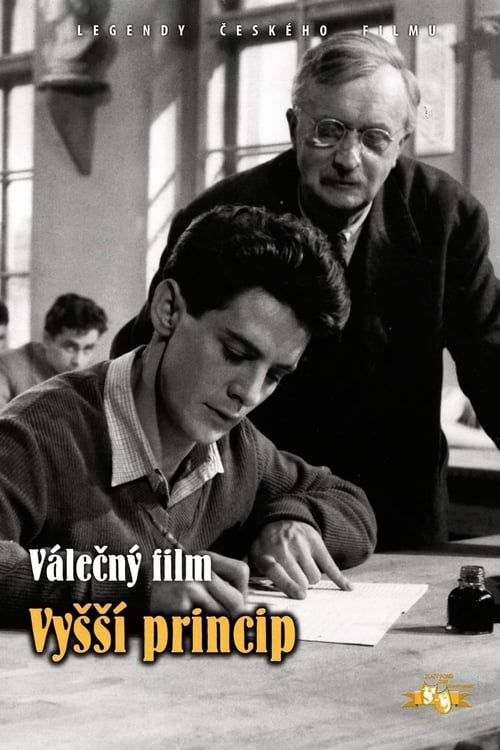
During the Nazi occupation of a Czech city civilians are being rounded up on the slightest of pretexts and shot. One day three high school boys who crack jokes about a recently deceased "hero of the Reich" are pulled out of school by the Gestapo.
Higher Principle
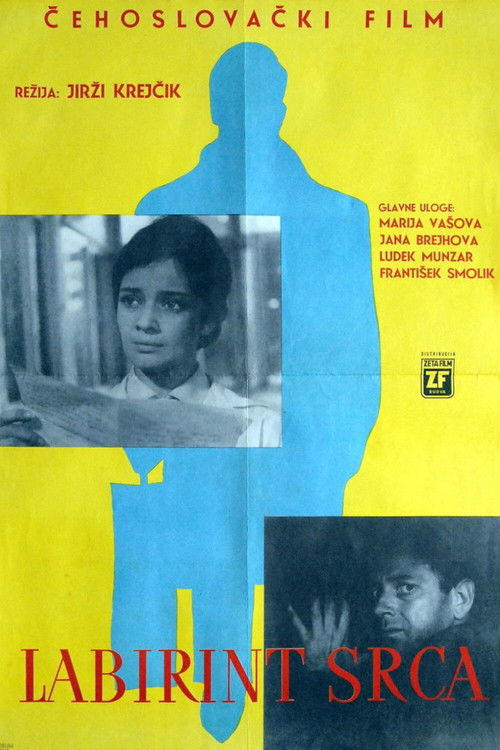
It is 1955 and the government in Czechoslovakia has declared an amnesty for post-war emigrants. Many of them returned to their families, only young Pavel Kocián's single mother waits in vain for him. Despite her protests, Tomáš Stach, an assembler, is accommodated in her flat as a lodger. Until recently, his fiancée Jana was also waiting for Pavel's return, but she has given up hope and visits Mrs Kocián only out of pity. One evening, an unknown man who introduces himself as Jonáš and claims to know Pavel visits her.
Labyrint srdce
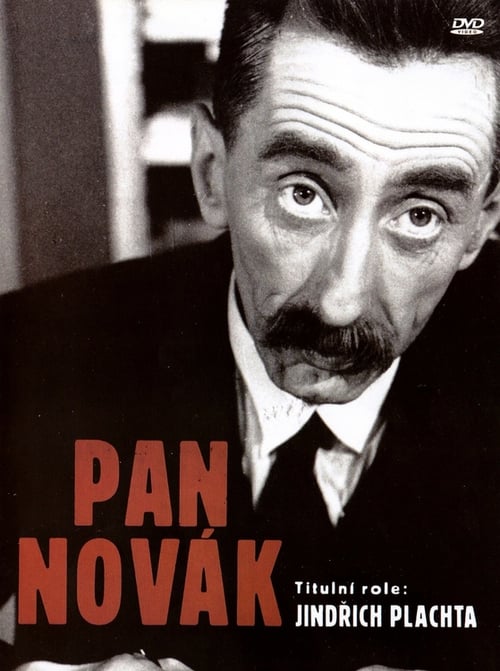
Mr. Novák, an insurance company clerk, only cares about his job, nothing else interests him. Even the social changes in February 1948 leave him indifferent. He only becomes aware of them when the insurance company is closed down. He has to make a decision: either retire or go to work in a factory. Neither of these options appeals to Mr. Novák...
Pan Novák
The younger brother of a brave paratrooper killed by the Nazis joins a partisan unit to avenge his death. The story is still naive in many ways, but the foundations of resistance myths are already being laid here.