Elena Hálková
Acting
Known For
No description available.
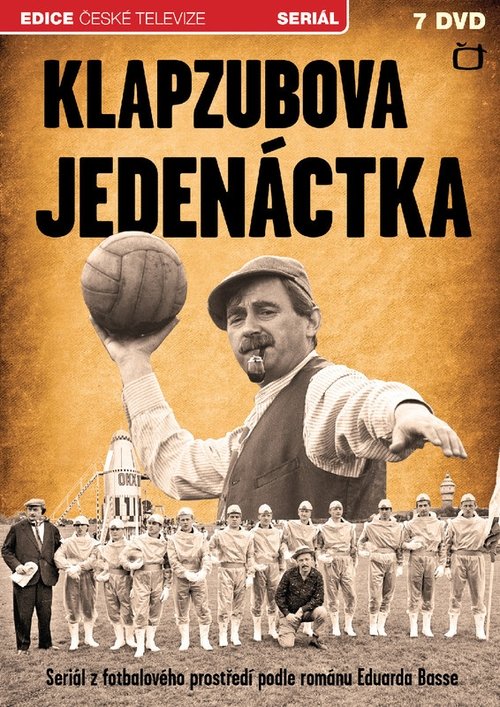
Klapzubova jedenáctka
No description available.
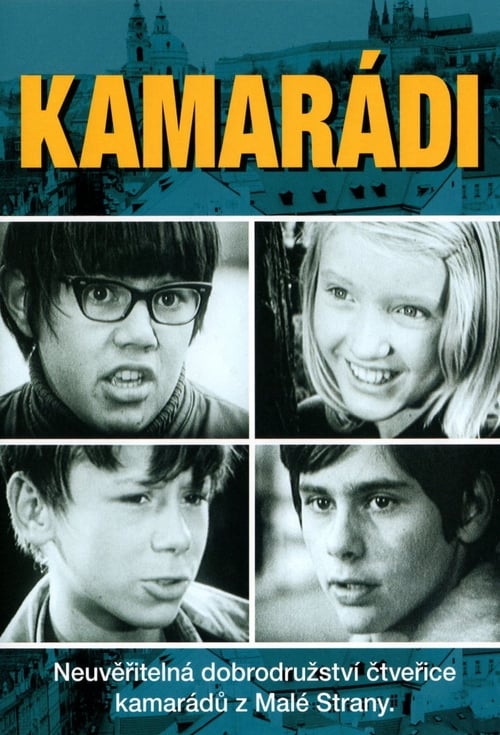
Kamarádi
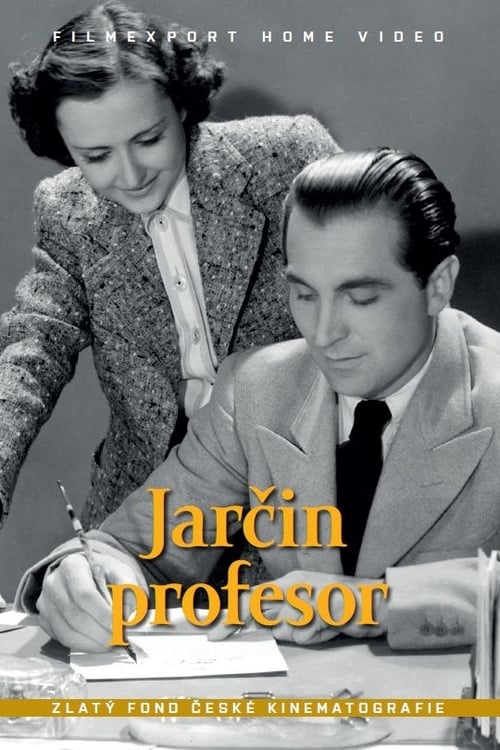
A graduate of the Faculty of Philosophy, Karel Stržický earns extra money in the summer as a day laborer for the landowner Drahan. Jarča, the Drahans' daughter, spends the holidays with her parents, and her father has a lot of worries about her. The unsuccessful student is failing her German. However, an easy solution is offered - Karel will prepare her for remedial work. The mischievous Jarča considers him an ordinary coachman, and so she initially turns her nose up at him. However, the cultured young man manages to win her trust and heart. This does not go down well with his rival in the fight for the girl's favor, and he immediately comes up with a nasty slander: Karel is supposedly a former convict! A rift is not long in coming...
Jarčin profesor
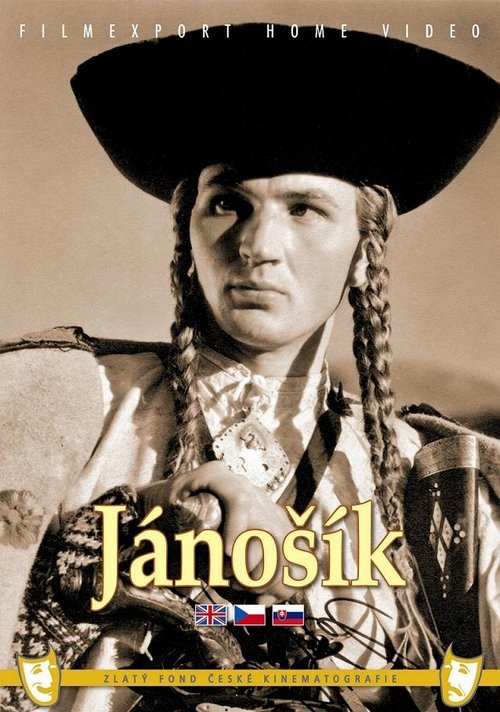
Jánošík has been topic of many Slovak and Polish legends, books and films. According to the legend, he robbed nobles and gave the loot to the poor. The legend were also known in neighboring Silesia, the Margraviate of Moravia and later spread to the Kingdom of Bohemia. The actual robber had little to do with the modern legend, whose content partly reflects the ubiquitous folk myths of a hero taking from the rich and giving to the poor. However, the legend was also shaped in important ways by the activists and writers in the 19th century when Jánošík became the key highwayman character in stories that spread in the north counties of the Kingdom of Hungary (present Slovakia) and among the local Gorals and Polish tourists in the Podhale region north of the Tatras.
Jánošík

No description available.
Eliška a její rod
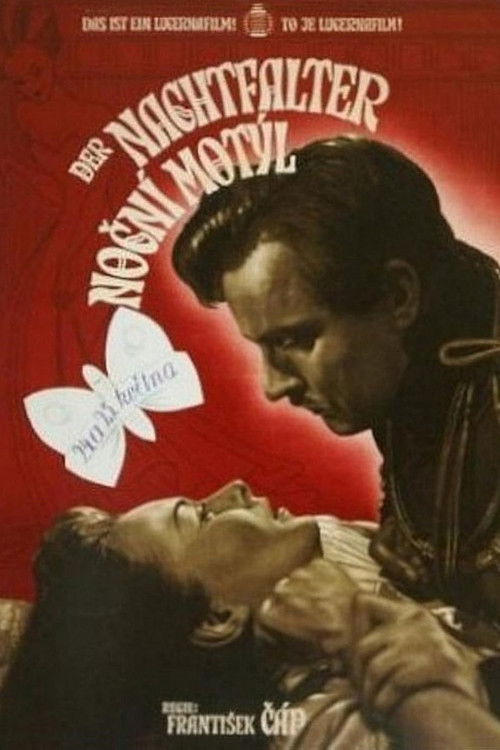
Marta Dekasová works as a governess in a garrison town. The beautiful girl is the center of attention of many men, but she only desires Lieutenant Varga, who is married and rejects her. Desperate, Marta throws herself into the arms of the most intrusive of her suitors, and is then dismissed in disgrace. She goes to Prague to live with her friend Kiki, becomes a bar singer, and continues her journey down the sloping surface. Hope for a new life dawns on her when a young student falls in love with her, but just then Varga appears in the bar and rekindles her unquenched feelings...
Nocturnal Butterfly
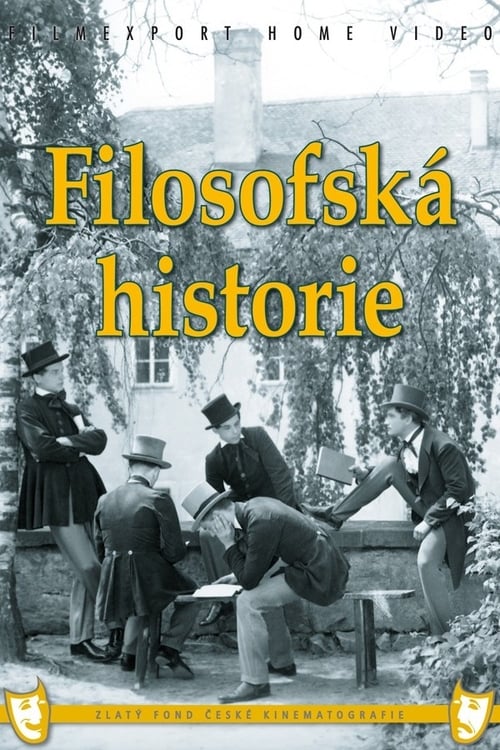
A student rebellion precedes revolutionary events in Prague.
History of Philosophy

An anthology of three absurd, ironic tales inspired by Čapek’s “Tales from One Pocket” and “Fables and Side Stories,” each showing uncanny forces disrupting ordinary lives: in Krejčík’s “Glorie,” a gentle clerk is haunted by a sudden halo; the other two segments by Mach and Makovec similarly blend everyday routines with ironic, supernatural twists.
Of Things Supernatural
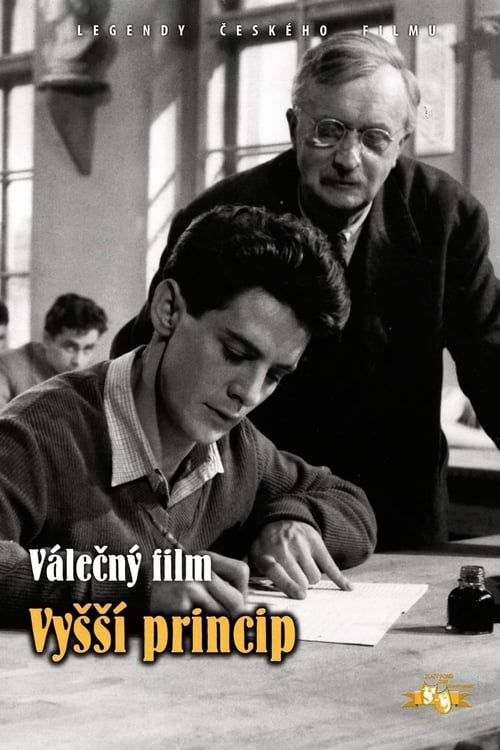
During the Nazi occupation of a Czech city civilians are being rounded up on the slightest of pretexts and shot. One day three high school boys who crack jokes about a recently deceased "hero of the Reich" are pulled out of school by the Gestapo.
Higher Principle
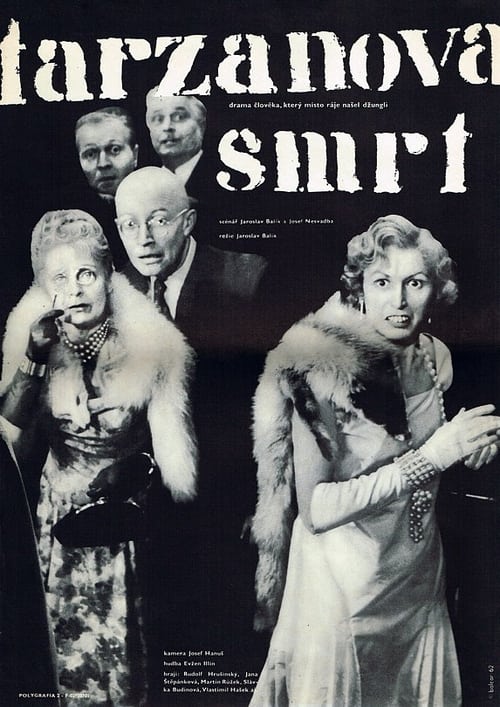
In the era of the rise of Nazism in Germany, a strange man, exhibited in a circus for the amusement of the audience, is found to be the heir to a large fortune. The new owner must learn social behaviour and resist the advances of those who would like to seize his fortune themselves.
Tarzanova smrt
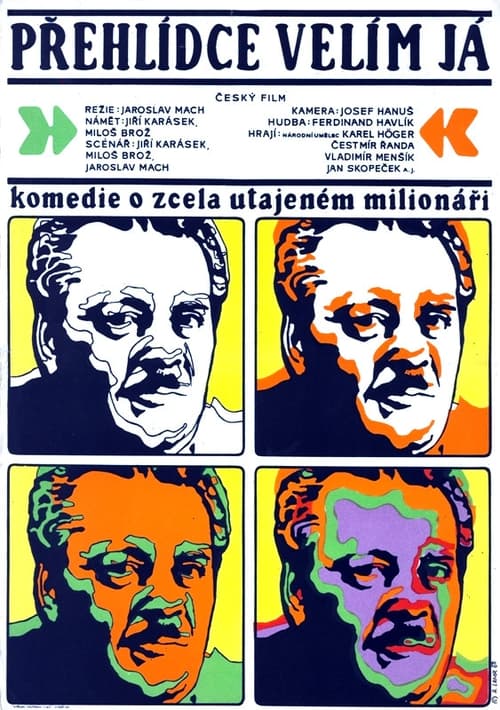
A cunning plan to deprive an "illegal millionaire" of his ill-gotten wealth. But the catch is that someone else has an even more subtle plan...
Přehlídce velím já!
The families of Vavruš Cagala and Cyril Hanulík live in a secluded area in the Beskydy Mountains. Vavruš and Cyril are hardworking woodcutters and foremen. Cagala's daughter Terezka likes Tomáš Hanulík, but she also likes Pavel Zgabaj, the son of the owner of the farms in the valley. Cyril Hanulík is jealous of his Heva and wrongly suspects her of infidelity. Francek, whom Heva loved before their marriage, takes revenge on the Hanulíks: he sets fire to their apiary, from which he seizes Cagala's hayloft. Since then, misfortune has befallen the Cagala family. They lose their horses and wood, and old Zgabaj demands the money he lent them. He is only willing to back down from his demands if Terezka marries his son. Cagala does not want to allow her daughter to sacrifice herself, so the girl secretly goes to the farm to work there as a helper on the farm...
Girl from the Beskids
There are fairy tales that appear on TV screens every Christmas and there are fairy tales that have somewhat fallen into oblivion and few people remember them anymore. This is one of the lesser known ones. Its plot certainly needs no further introduction. After all, the fairy tale story of the Swimmer, the charcoal-maker's son, to whom the judges attribute the hand of a royal princess born at the same moment, is one of those which are not forgotten. And the Swimmer's difficult journey in pursuit of an almost impossible task, the three golden hairs of Grandfather Allfather, who is the Sun and dislikes mankind, is as fabulous as the advice he brings to three towns beset by strange woes.
Tři zlaté vlasy děda Vševěda
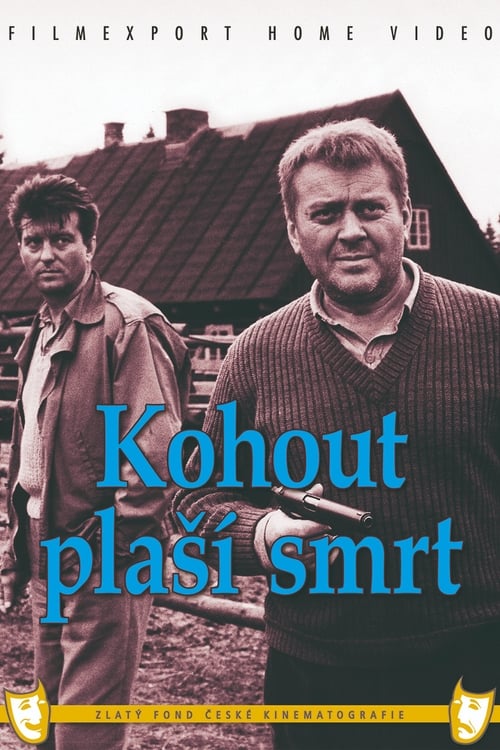
A group of saboteurs search for a weapons cache hidden by the Nazi army. Beskydy in the summer of 1950: the StB agent Borek infiltrates a group of saboteurs hidden in the Beskydy mountains. They are preparing terrorist actions against the ongoing collectivisation in the village. The group is led by Ervín Kopal and Metud Hanák. Borek is to make contact with them, secure the saboteurs and discover a weapons depot. After many dramatic events, the task is accomplished, but at the highest cost...
Kohout plaší smrt
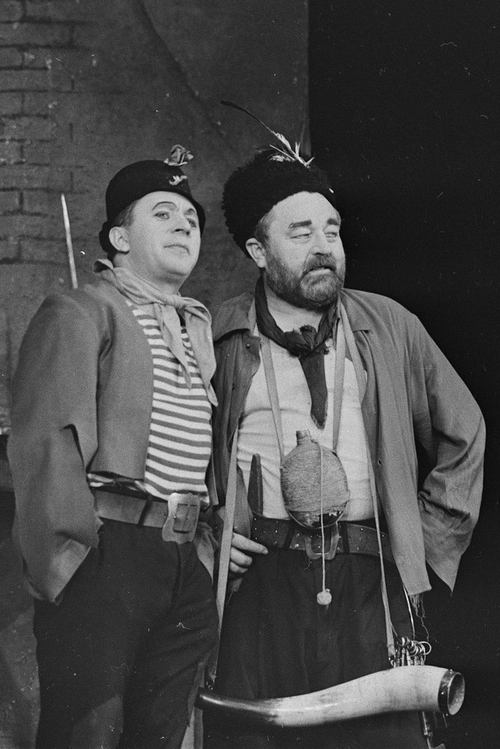
Jan Werich and Miroslav Horníček in the legendary play of the Liberated Theatre.
Balada z hadrů
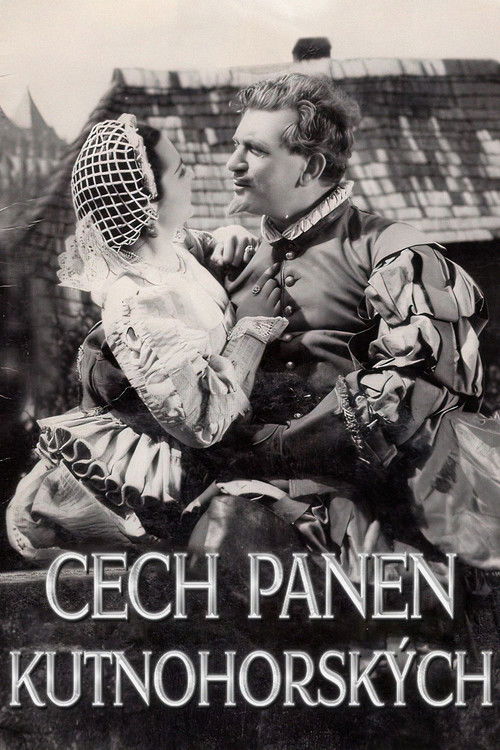
A morally questionable lord comes to the aid of a working class man who is to be executed for speaking out about thieving rich scoundrels sticking it to the poor.
The Merry Wives
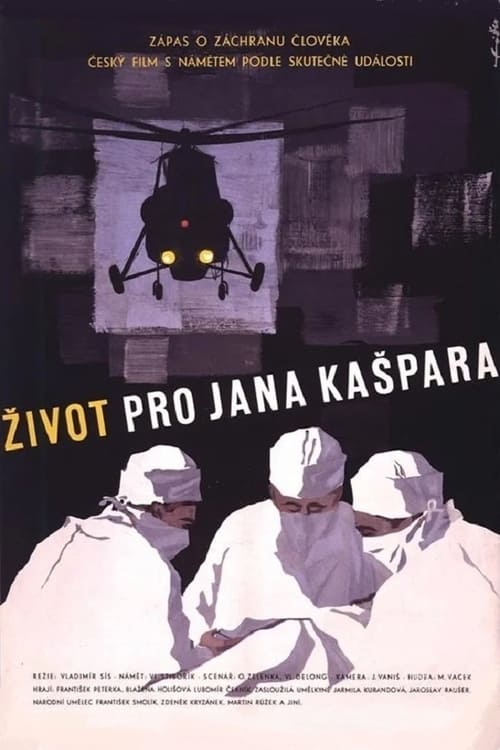
The bridegroom Jan Kaspar is an officer in the Klement Gottwald's Nová Hut rolling-mill. After bidding farewell to his freedom, he accidentally takes a sip from the bottle of tetrachlore which he stores at home. He disregards the dizziness, but the next day, he faints in the factory and has a brain concussion. During her regular tests, doctor Dudková is shocked by a high percentage of residual nitrogen found in Kaspar's blood. Doctor Bohácek, with whom Dudková consults, thinks that it is a liver disease and informs the head physician Filip. The doctors know nothing about tetrachlore and are in the dark about the case. Despite that, they immediately start to fight for Kaspar's life and their struggle consequently affects their personal lives.
Life for Jan Kaspar
No description available.
Těžká Barbora
No description available.
Vajíčko
The film responds to the housing shortage that young couples in particular have had to deal with. This problem is also addressed by the couple Slávka and Olda. The girl gets a sublet on Hradčanské náměstí, in the large flat of the widowed pensioner Benda. Benda lived almost his whole life there, and is bound to the apartment by a thousand memories and feelings. The strange and sickly old man has to overcome his crankiness and distrust of people before he fully accepts his lodger and her husband "as his own"...