Acting
No description available.
The catastrophically dry weather of 1947 causes immense problems in the countryside. In the small village Klícov, only farmers Hánek and Bervida and the old Hromádka have water. The others must queue every day for a drop for themselves and their cattle. All the villagers lament over their previous decision to turn down the cooperative chairman Kouba's proposal to built a new village water-supply system.
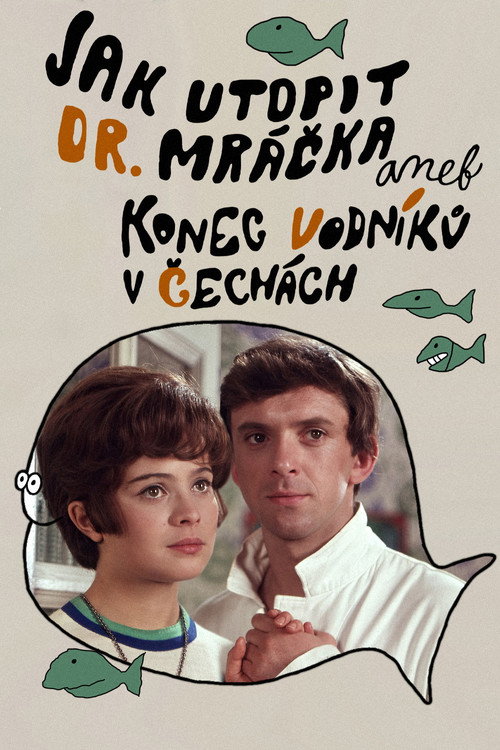
There are still water spirits among us. One group lives in Prague, led by Mr. Wassermann, who is using his wife's family as a servants. All they need is their old house near the river. But the house is to be demolished. They have to stop it. And the only way is to drown Dr. Mrácek, who is responsible for the demolition. But he falls in love with Wassermann's niece Jana. He changes to fish, is mistaken for water spirit from Germany, is drowned and revived again. The other problem is the flour with ears... and so on...
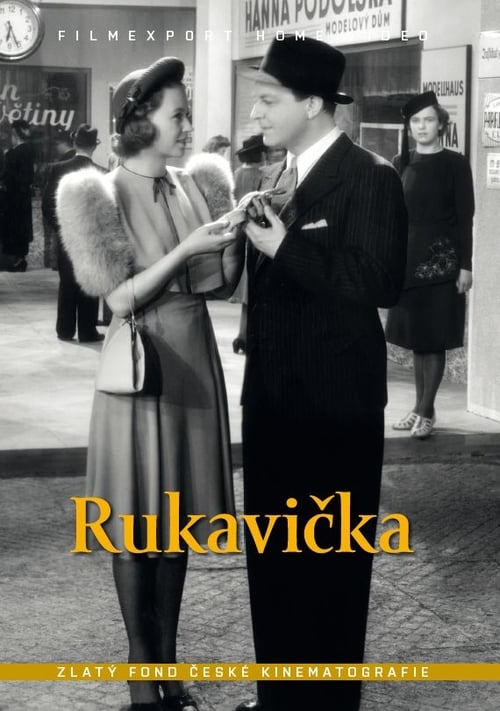
A lost lady's glove that connects several human destinies. The focus here is not on the lost part of the wardrobe, but on piano virtuoso Arne Brant, a man armed with a charming smile and surrounded by women, two of whom have particularly influenced his life. The first is the daughter of a famous can-can star, dancer Pavlína Doré-Zejdová, the second is Mařenka Berková, the main character of the film and a kind of Kristián in skirts. An orderly and well-bred daughter from an honorable family who lives her second life as a lady of high society. The lost glove complicates the situation for all of them considerably, but in the end she finds her rightful place, just like the heroes of the film...
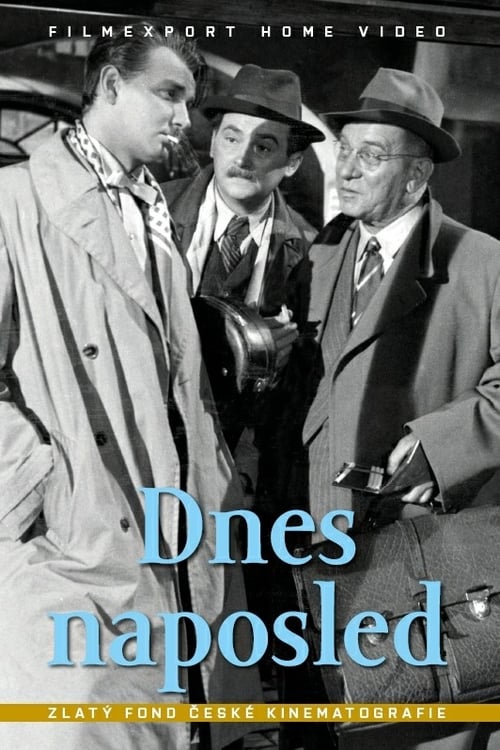
Concert master Karel Mašek is a drunk, as well as engineer Danda and other regular guests of the pub U Kroců. Mašek returns from the pub in the morning and promises the woman that he will stop drinking. But he failed again, and the orchestra players refuse to play with him. Danda returns home without a bag and goes to Krocs again in the morning, even though he has an important job at work. He has been degraded to subordinate job position, but he refused to admit it at home.
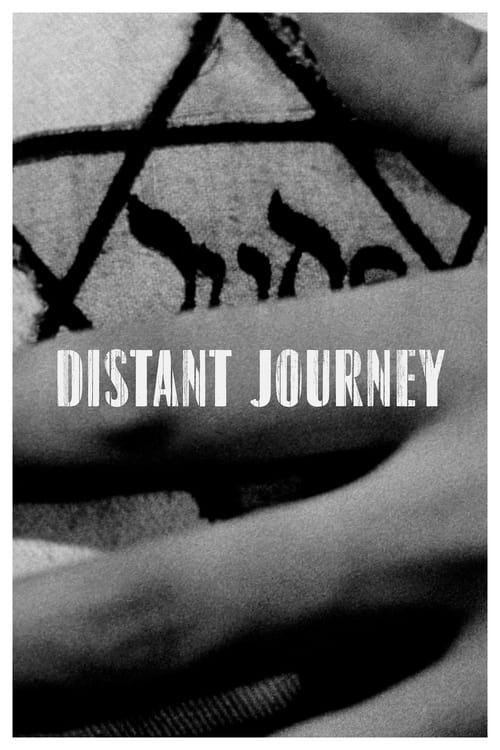
Prague, during World War II. Hana Kaufmann, a Jewish ophthalmologist, marries Dr. Antonín Bureš, a Christian man. When her family is sent to the Theresienstadt concentration camp, their romance turns into a struggle for survival.
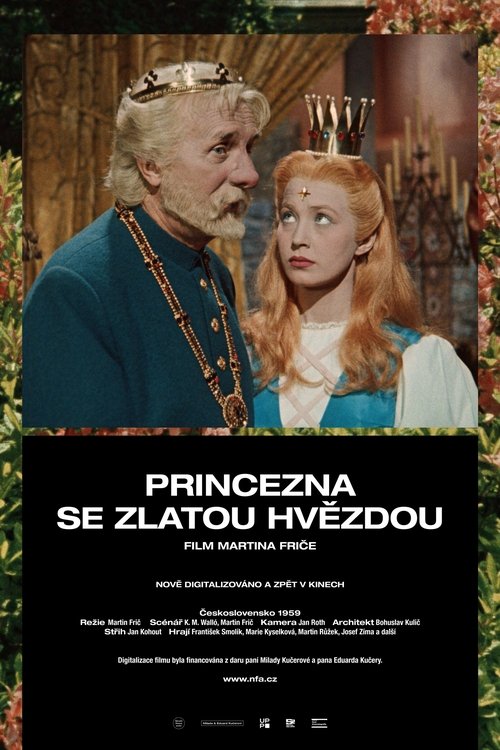
A Czech fairy tale about a princess named Lada who runs away from home in a mouse fur disguise in order to escape an unwanted and forced marriage.
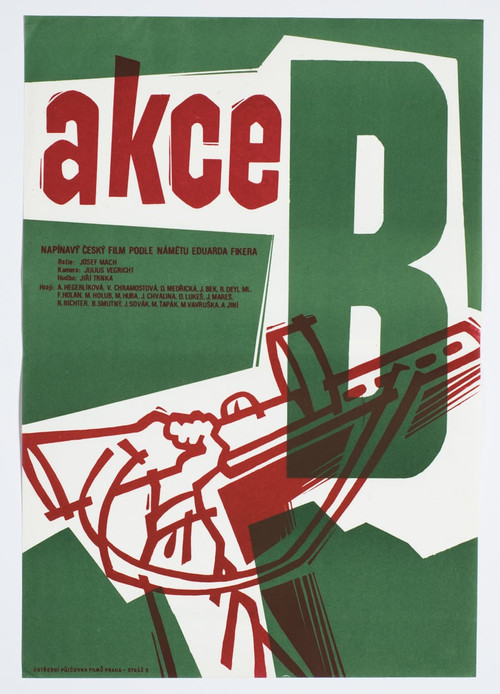
Film shows the struggle of the Czechoslovak armed forces against groups of Ukrainian Insurgent Army (UPA) under command Burlak, who tried to pass through the territory of Slovakia.
The Emperor's mismanagement of his country is provoking some in his court to plot to overthrow him. He feels successful, at least, when he discovers the legendary Golem, which he believes can protect him and even cure his imaginary illnesses but, when he disappears while on a bender, his kindly baker, who looks just like him, is mistaken for him, and begins to put things in order. However, the conspirators, not to be outdone, determine to bring the Golem back to life to do their bidding.
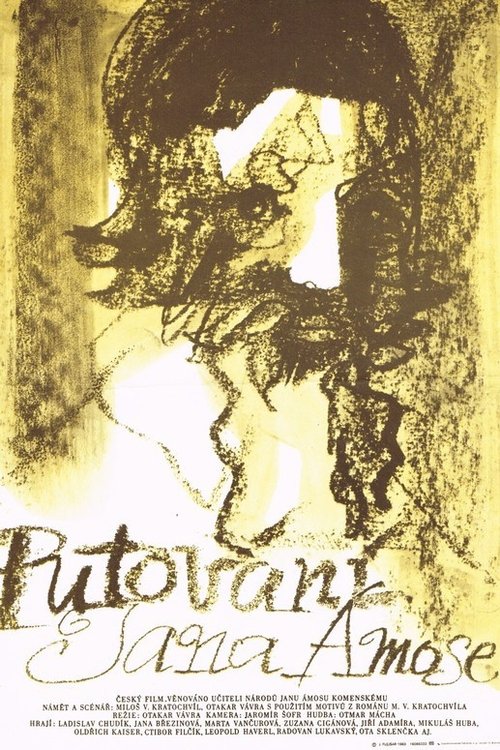
The distressing fate of the Czech great Jan Amos Komenský, forced to leave his homeland after the White Mountain disaster. It depicts his encounters with various European personalities of the 17th century - the Queen of Sweden, artists and scientists. It emphasises the hero's nobility, but also his inner resilience, which allowed him to overcome many personal and professional tragedies. The parable of The Labyrinth of the World and the Paradise of the Heart becomes part of the story. However, Comenius's concept is sculpturally lifeless and, in particular, the religious dimension is "erased" from it. The simplistic biography therefore does not avoid schoolboyish dryness.
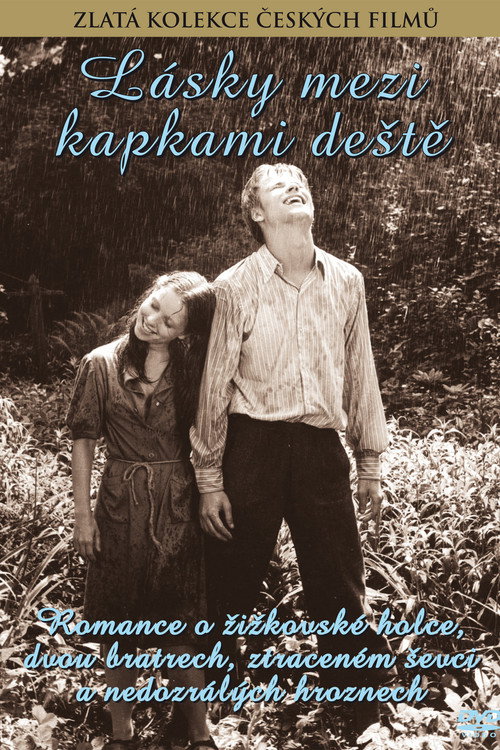
Set in Prague during the years leading up to World War II, this family saga tells the story of a cobbler named Vincenc Bursik (Vladimir Mensik), who uproots his clan from the country to the city, only to suffer the loss of his wife and the failure of his shoe business within months. When his daughter moves away to go live with a wealthy businessman as his mistress, Vincenc is left to take care of his two sons, who spend their days in a secret garden vying for the affections of a teenage girl.
Czechoslovakian Zbynek Brynych directs this psychological drama set in World War II Terezin ghetto. A dark, visual portrayal of the trials and tribulations the Theresienstadt people faced on a daily basis presented in a series of memorable stories. Their hopes and dreams unfold against the perpetual threat of deportation (or worse) by the Nazis. Based on the novel "Night and Hope" by Arnost Lustig.
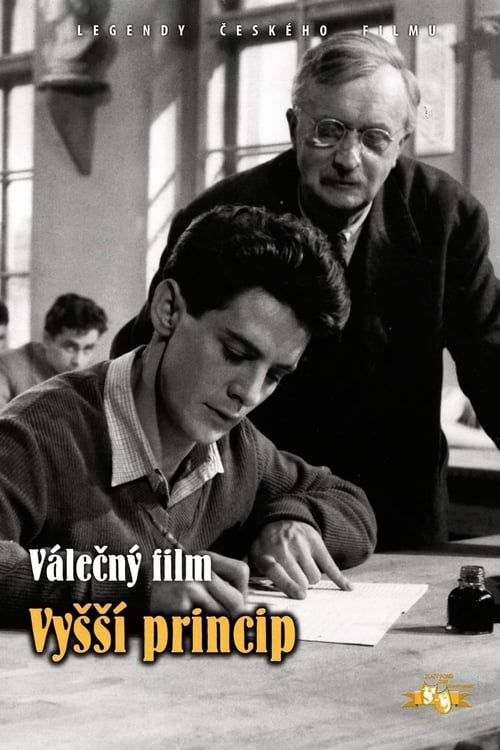
During the Nazi occupation of a Czech city civilians are being rounded up on the slightest of pretexts and shot. One day three high school boys who crack jokes about a recently deceased "hero of the Reich" are pulled out of school by the Gestapo.
Wandering through the forest, a woodcutter finds a golden fern whose seed turns into a beautiful woman - they fall in love. After getting drunk in a village feast, he gets to sign up to the army. The fairy gives him a shirt to wear and asks him to swear he will never abandon it. At the war front, he falls in love with the the colonel's daughter and will have to perform various feats to get her attention.
Film about famous poet Karel Hynek Mácha
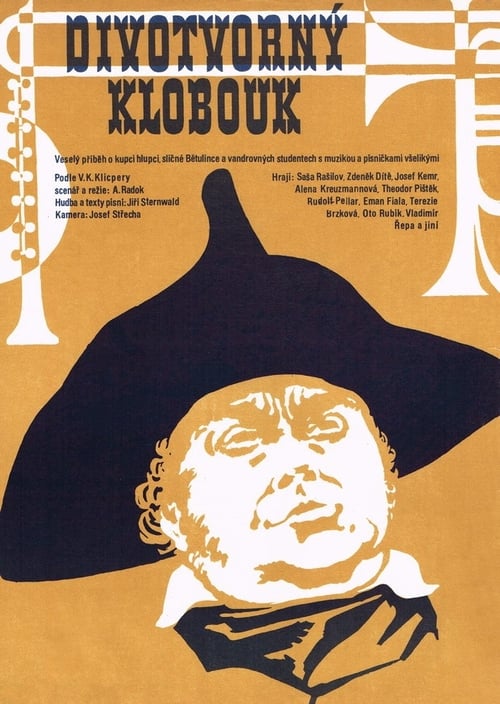
Two poor students, Strnad and Křepelka, console themselves with the fact that Křepelka is to inherit, but it later turns out that the inheritance is only an old hat. The young man seeks help from his relative, the merchant Koliáš, who is the guardian of the beautiful Bětuška. Křepelka immediately falls in love with the girl, but the old miser does not want to hear about his poor nephew. Strnad finally comes up with an idea to use the hat to trick the greedy merchant...
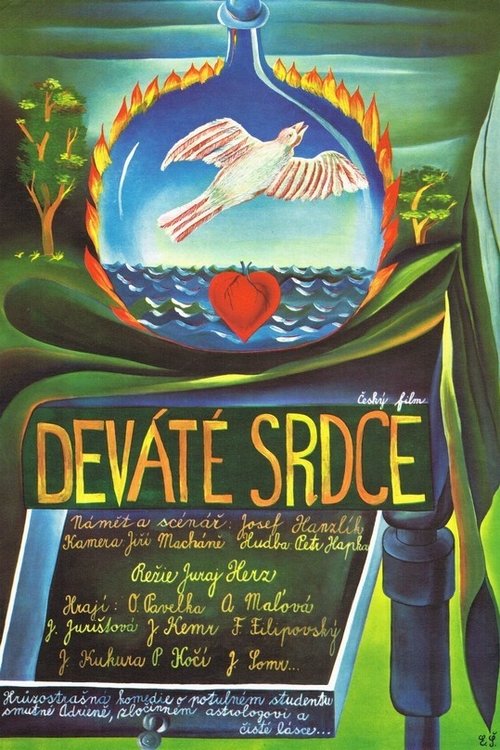
Martin, a poor student, volunteers to go on a quest to find a cure for the princess Adriana, who is stricken with a strange illness. Unknown to Martin or anyone else, the princess is actually under the spell of the powerful magician Andlobrandini, who is preparing a rejuvenating elixir made from the blood of nine men's hearts.
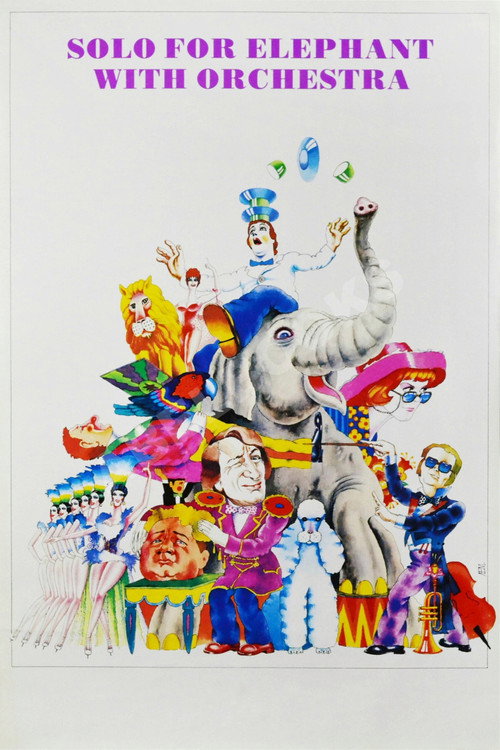
To Moscow have arrived the participants of the international conference of the zoophilologists and also the international jury which is to elect for the world festival the best performance of the program of Moscow circus. Mrs Whistler (Iva Janzurová), British associate professor, makes her understood with the animals in their language but the Czech professor Ruzicka (Jirí Sovák), though he is capable of using the animals language, prefers teaching the animals the human language. Ruzicka's friend, the poodle Archibald, speaks "in Human" very well. The scientific dispute ends with a bet - if Ruzicka teaches the circus elephant to sing, Mrs Whistler will eat up her hat.
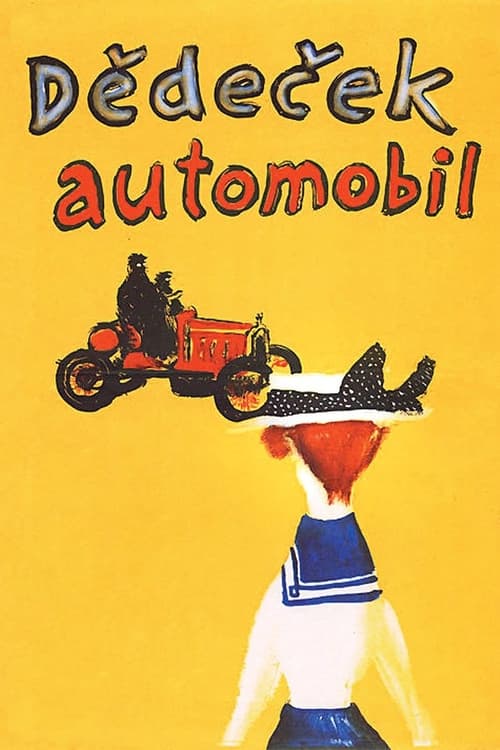
The history of motoring in Bohemia begins when Laurin and Klement founded a factory for the production of motorcycles. In 1904, the first motorcycle races were held in Dourdan, France, in which Czechs also participated. Czech mechanic František and Nanette, daughter of French mechanic Frontenac, met and fell in love there. Czech racer Vondřich finished second due to a breakdown. In 1905, the race was held again, Vondřich insured himself with a suitcase of spare parts and won. Nanette and František, who had been writing to each other all year, met again. After motorcycles, cars began to be produced everywhere, and in 1909 their first race was organized in Gaillon, France. The Czech racer Count Kolovrat won. His mechanic František married his beloved Nanette in the local church.