Camera
In a small town in Nazi-occupied Slovakia during World War II, decent but timid carpenter Tono is named "Aryan comptroller" of a button store owned by an old Jewish widow, Rozalie. Since the post comes with a salary and standing in the town's corrupt hierarchy, Tono wrestles with greed and guilt as he and Rozalie gradually befriend each other. When the authorities order all Jews in town to be rounded up, Tono faces a moral dilemma unlike any he's known before.
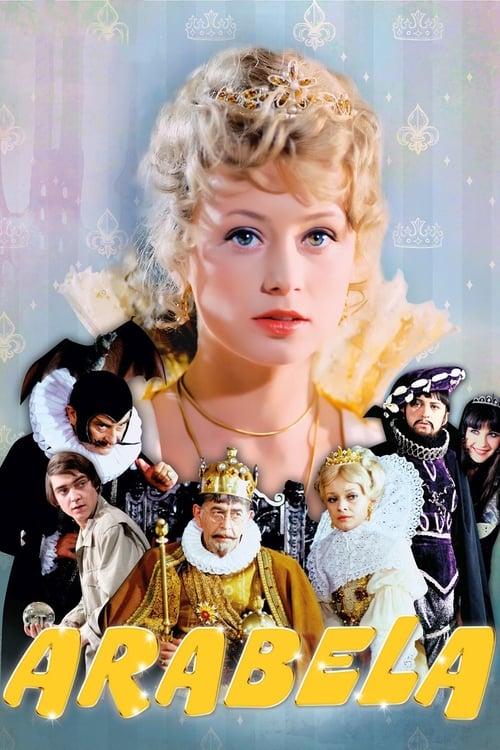
Arabela was a children's television series produced in Czechoslovakia which aired from 1979 to 1981. The series has 13 episodes and is in the Czech language.
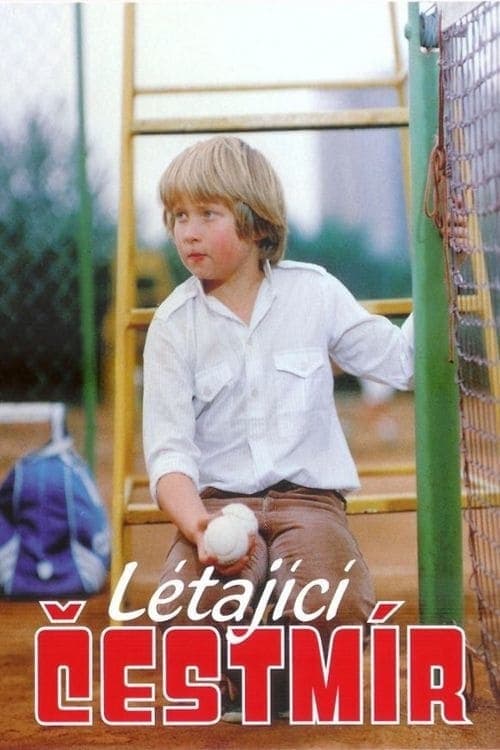
Young boy Cestmir finds a magic rock which allows him to bring the seeds of the flowers which allow flying from Blue Planet...
Trnka reached new heights of modernist abstraction with this innovative, surrealist mini-masterwork, which critic Jean-Pierre Coursodon praised as the Citizen Kane of animation.
No description available.
A story set in revolutionary China, whose proletariat suffers and starves, but refuses to be passive and rises to decisive resistance. Even the artists believe in the victory of the working class, and the symbol of this victory becomes the red poppy, a flower given by a sailor from a Russian ship that brought the much-prized flour to China as a gift to the Chinese comrades.
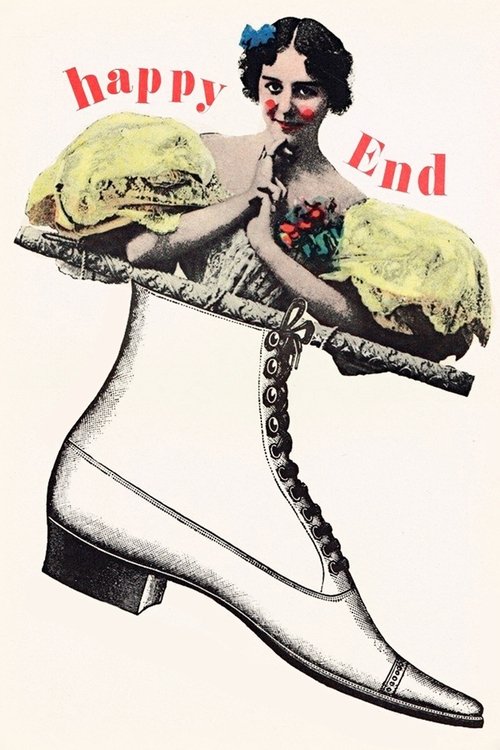
A dark comedy about a murder and its consequences presented in a backwards manner, where death is actually a rebirth. The film starts with an "execution" of the main protagonist and goes back to explore his previous actions and motivations.
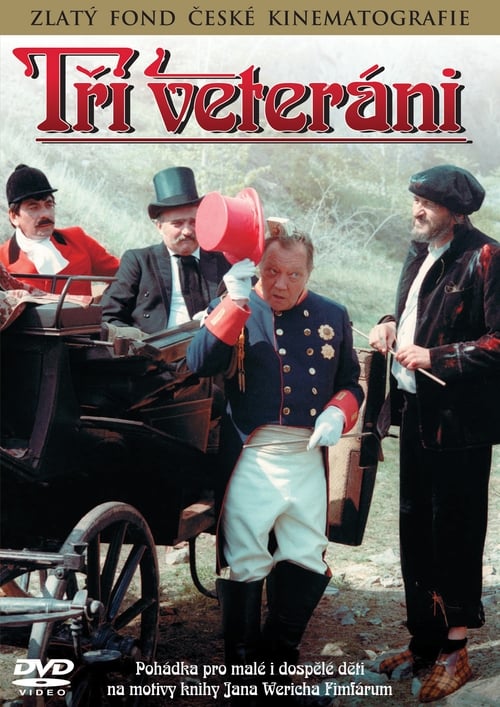
It is a story of three veterans released from the army. During one night spent camping in the country they one by one wake up and meet three elvish brothers. Each of the veterans is given a magic item - one gets magic harp that provides him with servants by wish, other one endless pouch of gold and the last one owns magic hat that can create all the staff excluding money and people.
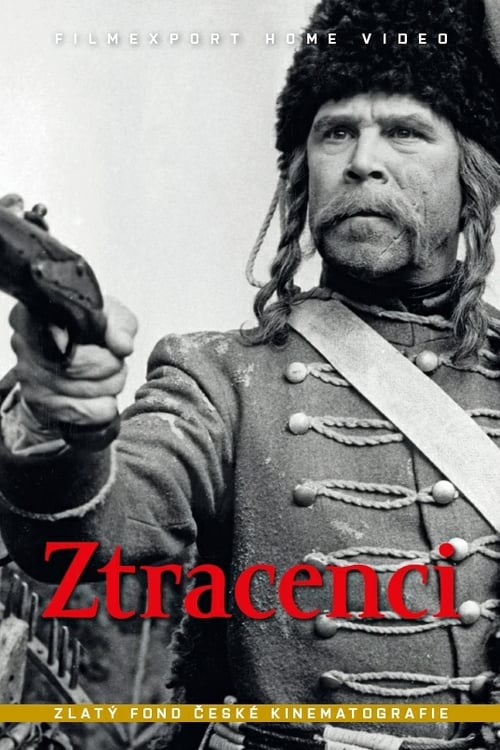
In the middle of the eighteenth century, at the time of the Prusso-Austrian War, a cuirassier, a hussar and an infantryman meet by chance and hide together in a secluded place. The war has left different marks on each of them, but they all long for normal human happiness. Although they initially have different attitudes towards military service, they are changed by their stay in seclusion and the atmosphere of life in a peasant cottage and refuse to return to the Austrian army. But all three Theresian "misfits" take up arms again, which they no longer want to touch, when the solitude is overrun by the Prussians. They manage to cover the escape of the family and their child, but pay with their lives.
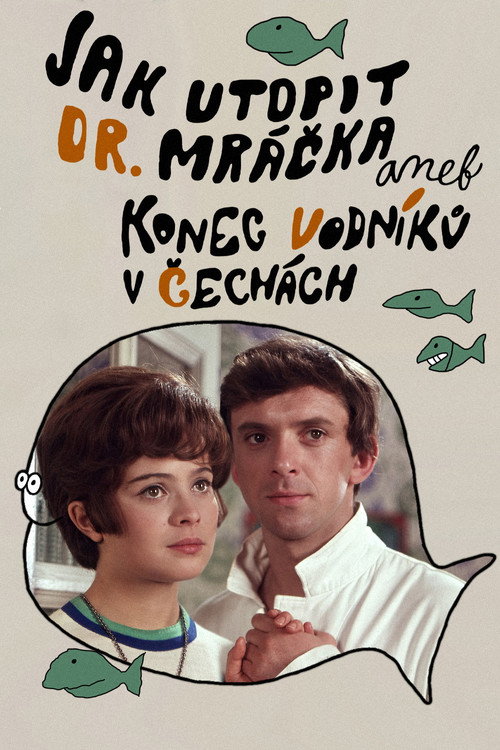
There are still water spirits among us. One group lives in Prague, led by Mr. Wassermann, who is using his wife's family as a servants. All they need is their old house near the river. But the house is to be demolished. They have to stop it. And the only way is to drown Dr. Mrácek, who is responsible for the demolition. But he falls in love with Wassermann's niece Jana. He changes to fish, is mistaken for water spirit from Germany, is drowned and revived again. The other problem is the flour with ears... and so on...
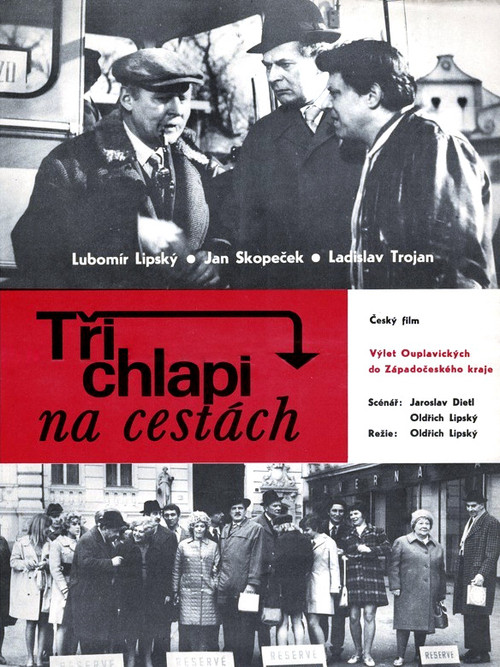
Three Men Travelling is billed as a loosely related sequel to Tri chlapi v chalupe (1963), sending our country protagonists set out from their family nests in the village of Ouplavice into the big wide world. Grandpa Potucek, (Lubomír Lipský) and his son Václav (Jan Skopecek) take part in the cooperative's excursion to spa town Karlovy Vary, a Pilsen brewery and some agricultural enterprises in western Bohemia. During the course of a series of misunderstandings and merrymaking, grandfather Potucek decides he will not let problems with sick calves unsettle him, and that he will persevere in his role as the leader of the cooperative.
Documentary by Jan Kadar