Acting
No description available.
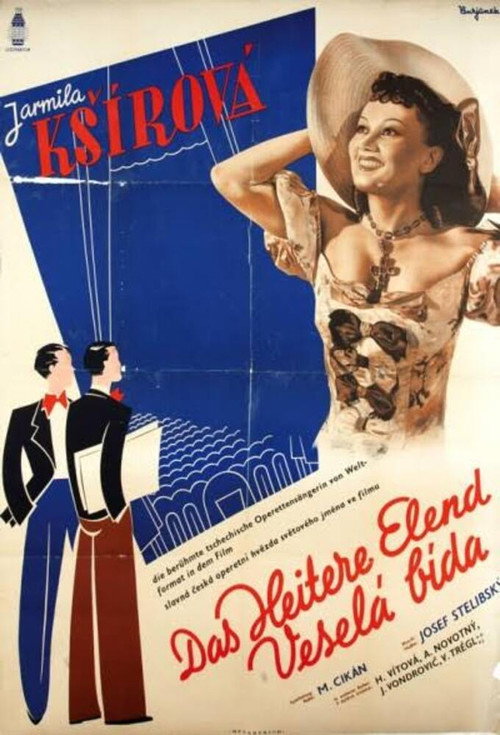
Two young composers offer their operetta in vain - it is rejected before anyone reads it. By a coincidence, when its text ends up in the wrong briefcase, it ends up with a popular singer who, on the contrary, likes it very much, but has no idea who wrote the play... The search for the authors, personality confusion and budding love become the main plot elements of this pleasantly naive film, where there is constant singing.
A story about the conditions in Bohemia in the second half of the nineteenth century, when small-town officials, such as Hrdlička, succumbed to the predators of the emerging large financial and industrial bourgeoisie, represented by Jestřáb.
Human bravery can take many forms, just as ideas about it can. Small-town public opinion begins to despise a postal clerk because he gave cash to robbers who didn't hesitate to shoot. The result is a successful study of a man whose previous certainties begin to crumble due to a fateful event.
A selfish self-centered widowed ruler, barely tolerated by his subjects and called appropriately enough, 'King Myself, First' asks his three daughters to name the measure of their love for him. When one of them says, "more than salt", he banishes her from the kingdom. Not understanding what she meant the King assumes love can only be measured by precious metals or one's own talent, the 'correct' answers from his other two daughters. The arrogance of the King leads him to gather all the salt in the kingdom and destroy it. Of course, this backfires as he slowly learns the universal value of the substance, and of course, the essence of his daughter's reply. With the help of the wise and magical old 'herb woman', the King also learns what it means to be a true and wise ruler.
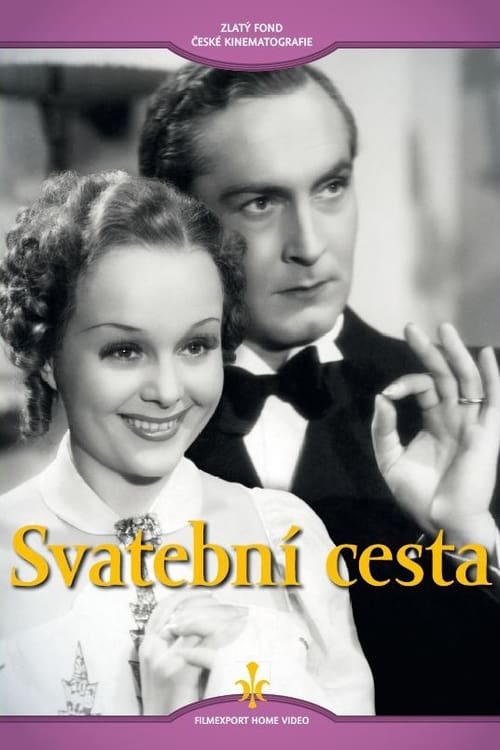
Kind and decent professor Artur Čejka is about to marry his fiancée Helena Frýdlová. On the eve of the wedding, he comes across the unfortunate actress Káťa Holanová on the riverbank, who has been unsuccessfully looking for an engagement for a long time and wants to take her own life out of desperation. Čejka prevents her from committing suicide and helps her. He meets the girl again on the train when he and Helena are going on their honeymoon...
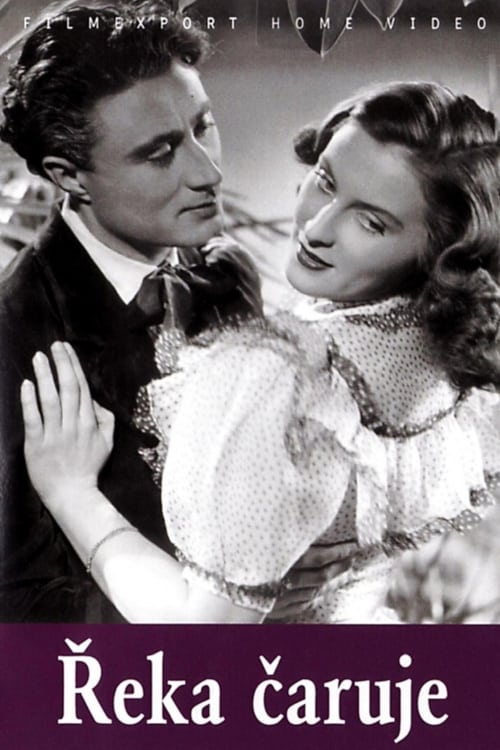
Leopold Kohák married a rich widow a long time ago and now has nothing to do compared to his energetic wife. He's growing old and troubled by the fact that he betrayed his first love Emča and his beloved river Sázava where he spent his childhood and youth. A visit from an old friend Lebeda brings it all back to him. After a nervous breakdown Leopold secretly visits his home instead of going to the spa. A wandering tramp suggest Leopold should bathe in the magical waters of the Sázava, and slowly his youth returns to him.
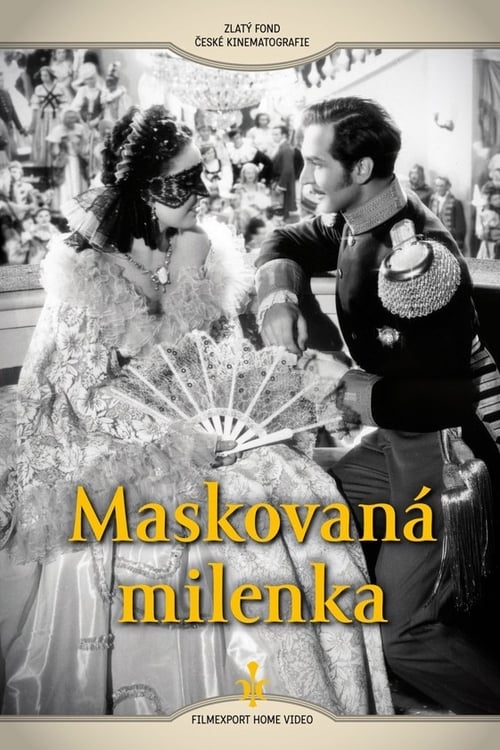
A romantic story of a noble lady who wanted to live without the bonds of marriage, but her desire for a child led her - carefully disguised - into the arms of a young nobleman. Only years later did she believe in his love and make herself known.
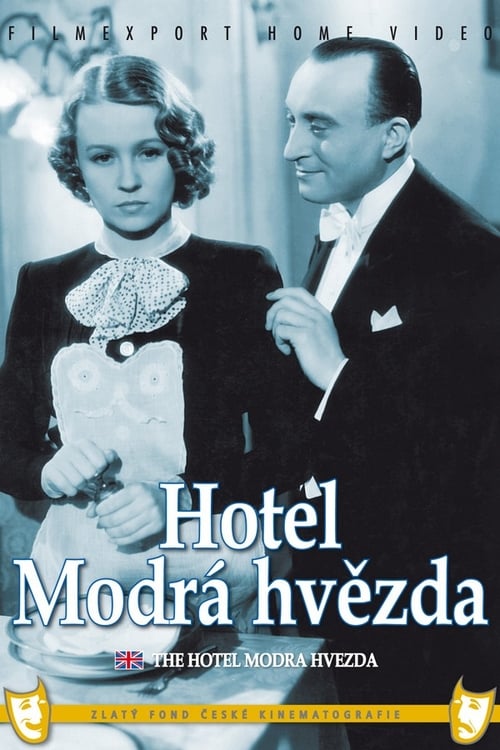
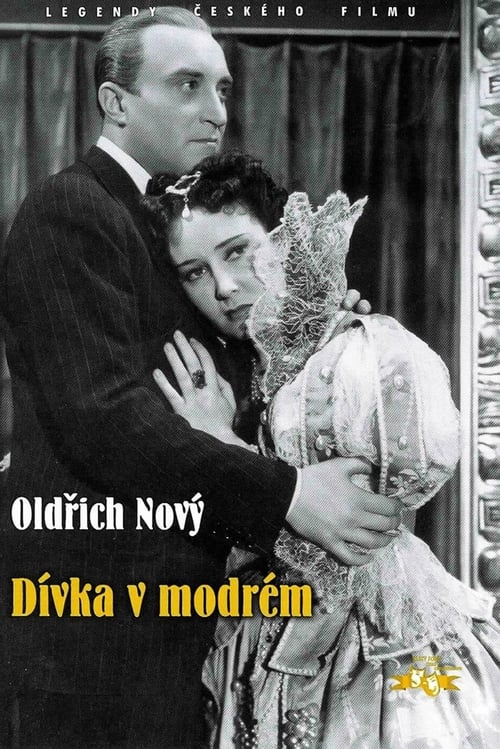
It all begins when Zuzanka, the new young owner, arrives at the dilapidated Blue Star Hotel. Determined to put the declining inheritance back on its feet, she starts chasing three young men, including the composer Jirka, who, dressed in a waiter's tailcoat, is to work off his debt to the new owner. Like his two friends, Jirka succumbs to the charms of his new boss and, with some confidence, hopes that he is the one who has the best chance of becoming her chosen one. At that moment, however, a guest arrives, intent on carrying out the family tradition and throwing an engagement party at the Blue Star Hotel, regardless of his condition. This, however, is not to the liking of his wilful fiancée. Fortunately, there is the sympathetic Zuzanka, who charms the unusual guest so much that he resolutely breaks off his engagement to the rich girl and prefers to marry the cute hotelier.
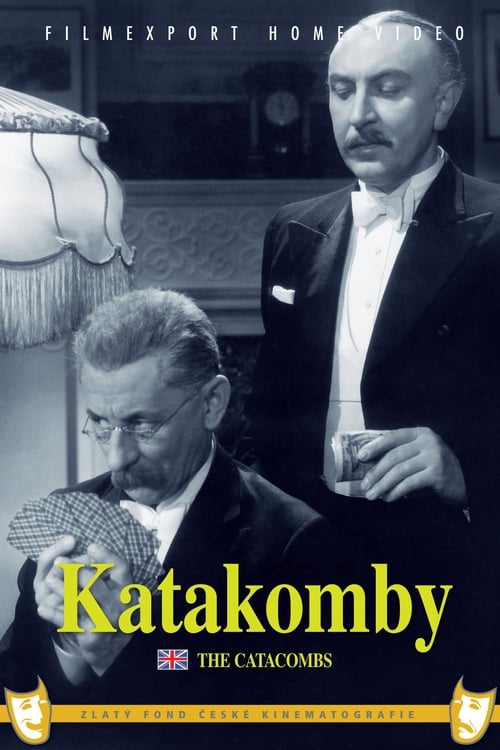
The title refers to the office of records in the basement of a large company... sort of the place where a troublesome employee may be dumped in a dead end job. If fact, the story is a simple romantic comedy, with Burian as the kindly old stick-in-the-mud who helps the young man to sort out his romance with the daughter of the company's owner.
A painting of a girl from another time comes to life for it's buyer in this costume comedy.
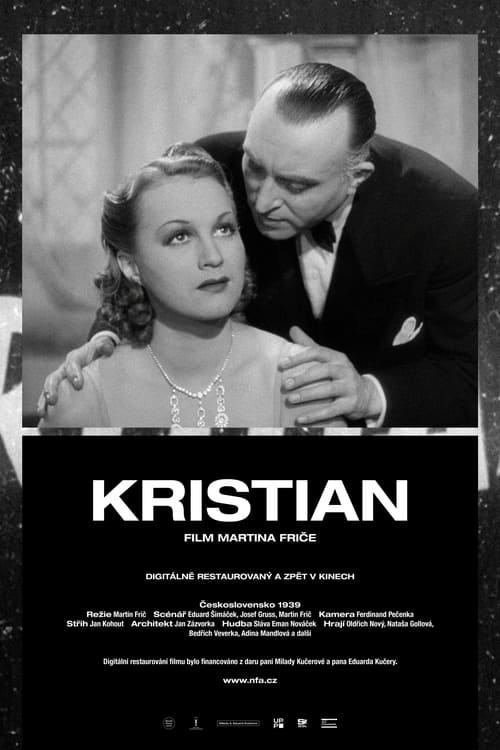
Alois Novák (Oldrich Nový), a minor clerk in a travel agency and the husband of a dowdy housewife Marenka (Natasa Gollová), lives a run-of-the-mill, dull life. In his soul, however, there resides an inextinguishable desire for adventure. And so once a month he poses as a playboy. As the mysterious and wealthy Mr. Kristian he goes to the exclusive Orient Bar where he does not skimp on generous tips and where he platonic-ally seduces beautiful and elegant women. In the salon he speaks of love and the magnificence of exotic lands, which he has supposedly come to know on his wanderings abroad. In reality he has read all of this in the travel agency's brochures.
The owner of a fashion factory, Rafael Klučina, is desperately looking for an imaginative advertising campaign that would attract the public and raise the profile of his business. However, the head of his advertising department, Filip Muška, seems unable to come up with one. In the end, they are helped by the model Boženka Smolíková and her talent for perfect disguises and masks. The unusual advertising campaign involves Boženka traveling around the country for fourteen days in model clothes, and whoever recognizes her will win a prize of fifty thousand crowns...
Elén, a girl living with her mother and stepfather in a secluded forest, has a great singing talent. On her twenty-first birthday, she runs away from home and on the train, millionaire René falls in love with her. Their paths soon diverge, only to be reunited soon after. Violinist Pavel Sedloň falls in love with Elén, and although Elén does not love him, she is determined to marry him. At that time, René dies, exhausted from working on the operetta Srdce v delirium. However, he is saved at the last moment and everything comes to a happy ending when Oldřich Nový explains how the authors actually meant it all.
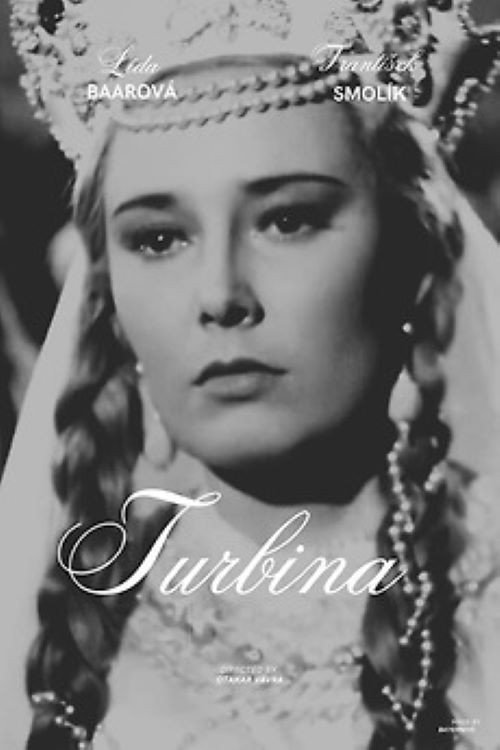
The imperial councilor Ullik decides to modernize his old mills by installing a new turbine. His eccentric brother-in-law Artuš tries to prevent this, as the construction work disrupts the statics of the tower in which he lives. Ullik's older daughter Tynda is a talented singer. The bewitched girl secretly accepts the courtship of the virile Václav, the son of the night watchman. Her younger sister, the doctor Marie, wins the heart and hand of the astronomer Zouplna, despite her father's prohibition...
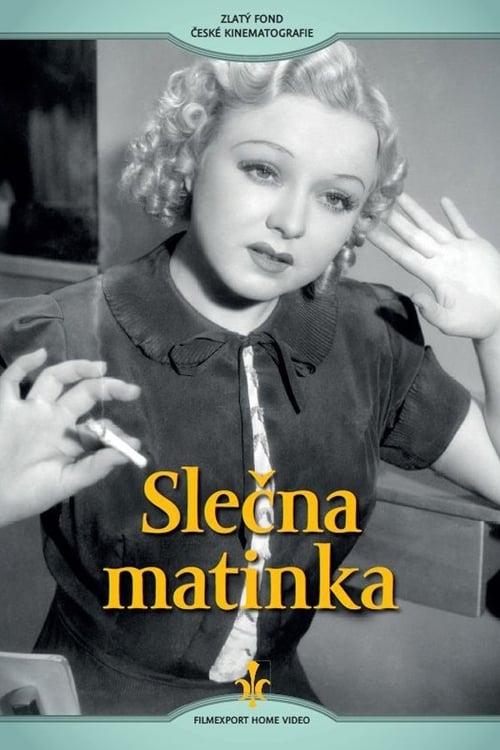
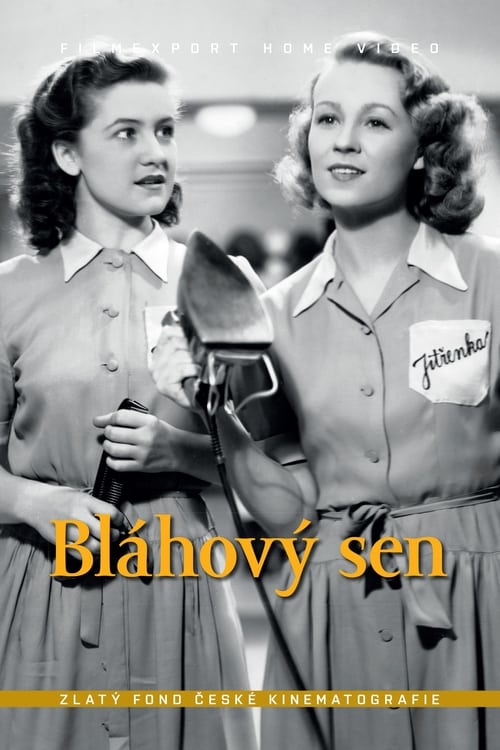
Hairdresser Žofka Stárková desires fame perhaps more than other girls. The petty plans of her fiancé František do not satisfy her wild imagination. Žofka suddenly gains popularity when, while on her way to get an autograph, she discovers the dead body of the famous tenor Helbich and is arrested on suspicion of murder. Helbich actually committed suicide because he lost his voice. After being released from prison, Žofka receives an offer for the lead role in a forthcoming film. The dubious fame confuses her. She leaves her parents' modest apartment and quits her hairdressing business. Unfortunately, it soon becomes clear that she has no talent for acting, and the desperate director has the film edited in such a way that Žofka practically disappears from it...
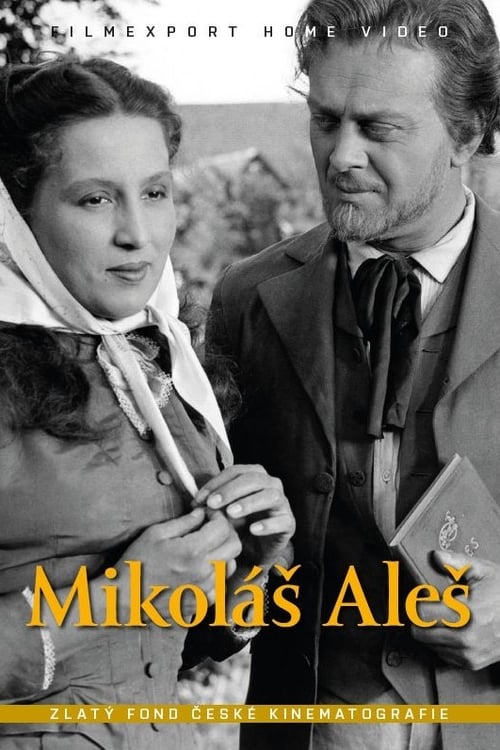
A biographical film about the famous Czech painter Mikoláš Aleš, portrayed as part of the vanguard of the working class and a spokesman for the oppressed, who asserts himself despite the opposing bourgeoisie and reactionaries of all kinds. The film focuses on the period when Mikoláš Aleš participated in the competition to decorate the National Theatre.
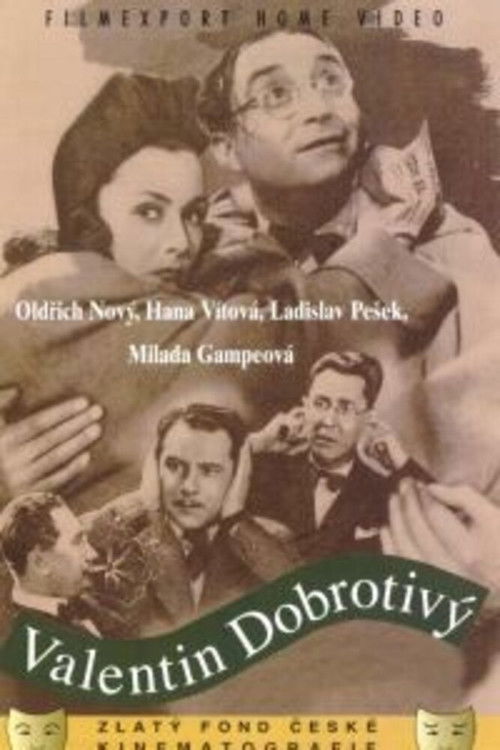
A very hardworking but also very naive insurance company clerk, Valentin Plavec, becomes the target of endless pranks, jokes and recessions from his colleagues Bejšovec and Voborník. However, their last successful trick somewhat gets out of hand. They add a one to the winning number 8456 and convince Valentin that he has won a million in the lottery. However, since Valentin cannot collect his winnings immediately, he withdraws twenty thousand, which is all the savings he has saved together with his fiancée Helena, and starts shopping for a deposit. However, the truth soon comes out and when his colleagues reveal to him that it was just a joke, they all leave him, only the faithful Helena stays and even helps the unfortunate fiancé cancel all the deposits and agreed deals. When the newspaper reports that there has been a mistake and the winning ticket is number 18456, Valentin decides to take revenge on the two pranksters...