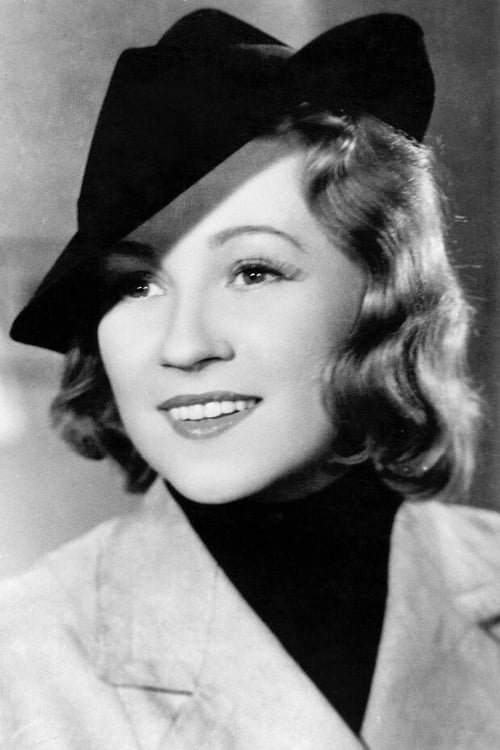
Nataša Gollová
Acting
Biography
Pro mnohé nejzářivější herečka našeho předválečného filmu se narodila 27. února 1912 v Brně jako Nataša Hodáčová. Její tatínek byl národohospodář František Hodáč. Umělecké jméno si dala podle příjmení svého dědečka - historika Jaroslava Golla. Po gymnáziu studovala Filosofickou fakultu UK v Praze. Měla velký talent na cizí jazyky a byla členkou taneční skupiny. Už jako mladinkou ji lákalo divadlo. Začala herectví studovat soukromě, ale ještě než se na divadelních prknech prosadila, dostala první nabídku od filmu - Kantor ideál (1932), avšak jednalo se zatím o méně než epizodní roličku. Následovalo pár dalších nevýznamných rolí, ale v roce 1939 přišel zlom. Miroslav Cikán ji obsadil do filmu Příklady táhnou, kde se naplno projevil její komediální talent. Tohoto daru však ještě více využil režisér Martin Frič, který dal Nataše Gollové u filmu vůbec největší příležitosti. Crazy komedií Eva tropí hlouposti vytvořil z Nataši Gollové jednu z nejoblíbenějších českých hereček a idol mladých dívek. Ještě před ztřeštěnou Evou si zahrála usedlou Mařenku v Kristiánovi. S Martinem Fričem pak spolupracovala na filmech Hotel modrá hvězda (1941) a Roztomilý člověk (1941), ve všech čtyřech jí byl partnerem Oldřich Nový. Bohužel to vypadá, že na vážné role neměla štěstí. Za zmínku snad stojí alespoň postava Helenky v Pohádce máje (1940) od Otakara Vávry, kde Ríšu hrál Svatopluk Beneš. Avšak filmy jako Bezdětná (1935), Okouzlená (1942), Bláhový sen (1943) padly v zapomnění, stejně jako ty z doby po válce. Ještě dvakrát se ale ukázala v úspěšných komediích: ve Fričově Císařově pekaři (1951), role umělé (neumělé) bytosti Sirael jí padla jako ulitá. A Drahé tety a já (1974), kde už jako stará nemocná paní skvěle ztvárnila čipernou Fany. Nataša Gollová zemřela 29. října 1988 v Praze a pohřbena je na Vyšehradském hřbitově. Byla to nejen výborná herečka, ale také krásná žena, inteligentní člověk, zkrátka velká osobnost a to nejen filmu.
Known For
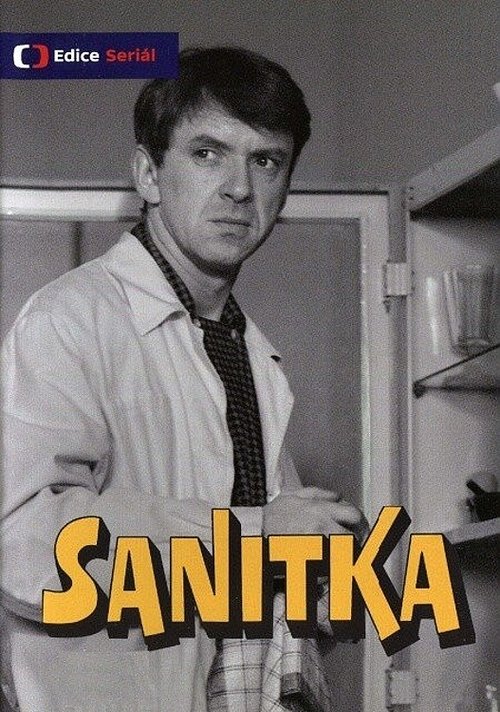
Sanitka was a Czech television, drama series, first broadcast in 1984 and eleven episodes were made. It starred Jaromír Hanzlík, Tomáš Juricka and Zlata Adamovská among others.
Sanitka
No description available.
Hříšní lidé města pražského
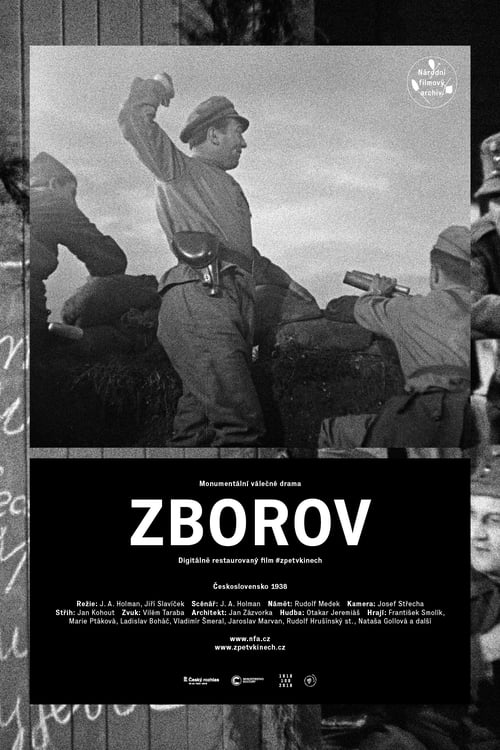
In the Škoda factory, where they are feverishly rearming in 1914, works the foreman Kalina, the father of the young men Pavel and Jan. Pavel is a supporter of the monarchy, while Jan, on the contrary, defends the idea of our national independence. Just before mobilization, Jan escapes to Russia, where he joins a group of volunteer legionnaires called the "Czech Company", fighting against the Austro-Hungarian monarchy. Pavel enlists in the Austrian army. The brothers do not meet again until July 1917 in the battle of Zborov in Ukraine, which marked a successful breakthrough of the Austro-Hungarian front.
Zborov
No description available.
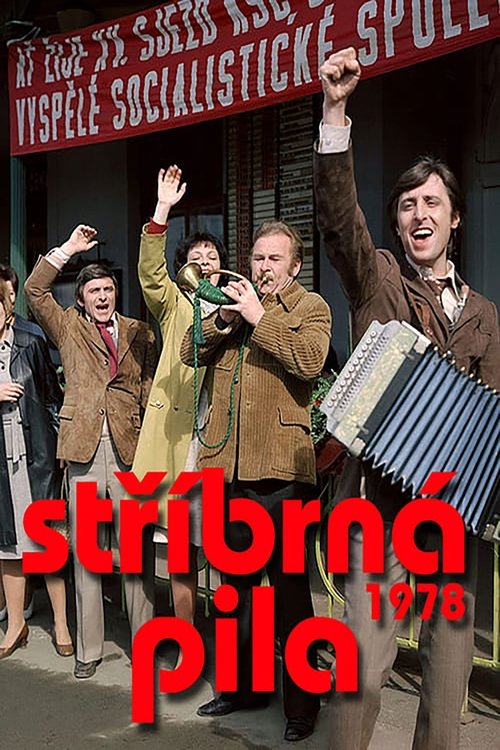
Stříbrná pila
No description available.
Dnes v jednom domě
No description available.
Rodina Bláhova
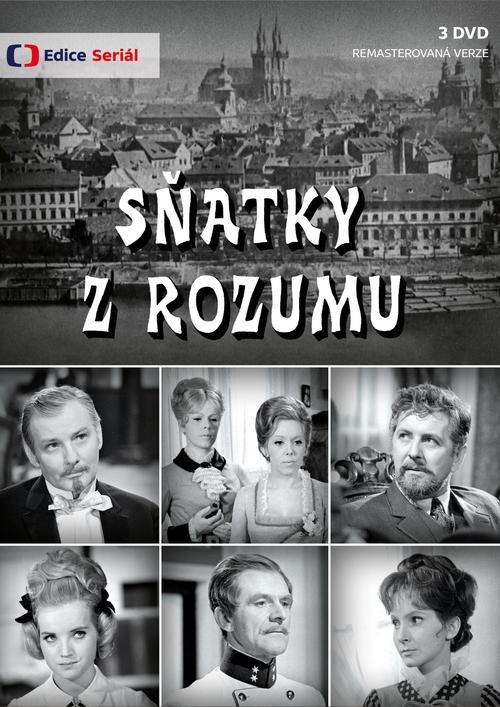
Sňatky z rozumu was a Czechoslovak television programme which was first broadcast in 1968. The programme was directed by František Filip.
Sňatky z rozumu
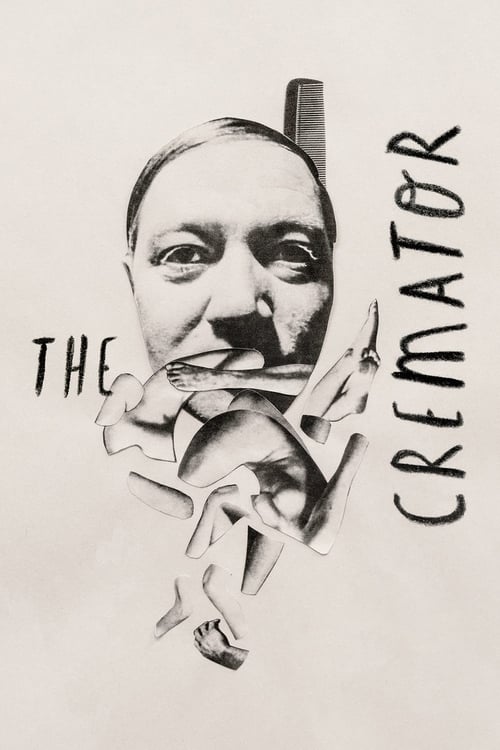
In 1930s Prague, a Czech cremator who firmly believes cremation relieves one from earthly suffering is drawn inexorably to Nazism.
The Cremator
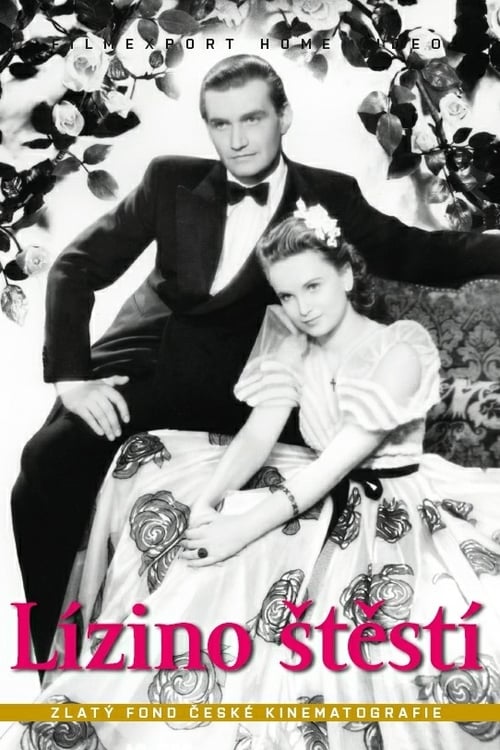
Zdenka Sulanová has grown from a leggy frog into an attractive young lady in the two years since the success of Líza's Flight to Heaven. It is no wonder that Václav Binovec decided to guide her through the further pitfalls of the life of the orphan Líza, who comes to a monastery boarding school to gradually win the heart of a strict teacher, her classmates, and finally the man who caught her eye at first sight. Of course, it will not be easy and Líza will have to shed a few secret tears, show vitality and a willingness to fight for her happiness. Then even the viewers of this typical First Republic girl's romance can conclude with emotion that the world is not so bad after all, when a poor girl can achieve success in it through diligence and hard work.
Lízino štěstí
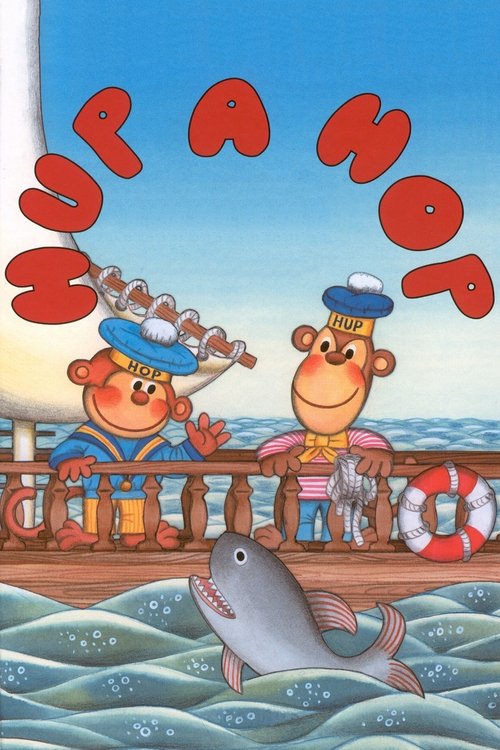
No description available.
Hup a Hop
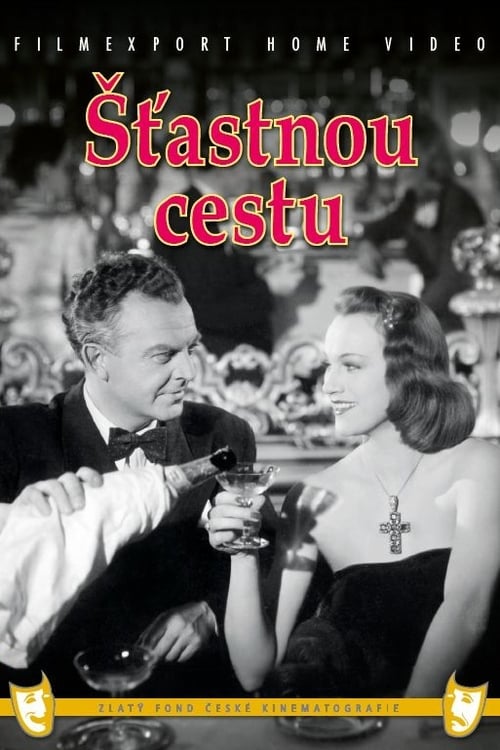
Filmed during the Nazi occupation, this panoramic drama set in a Prague department store follows the divergent destinies of four female coworkers, each of whom seeks happiness in a different way.
Happy Journey
No description available.
Andersenovy pohádky
No description available.
Dobrí ľudia ešte žijú
No description available.
Učedník čaroděje Čáryfuka
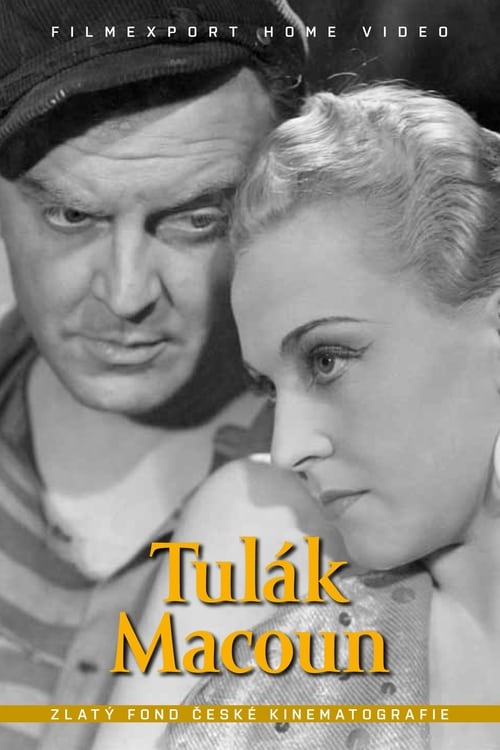
A series of unfortunate events led the protagonist astray: even taking other people's money did not save his wife's life, she died in childbirth. After his release from prison, he did not find the strength to report to his daughter who was placed in an orphanage, and after a fight in a pub, out of fear of being prosecuted again, he even fled abroad. But, old and sick, he still longs to return to his homeland.
Tulák Macoun
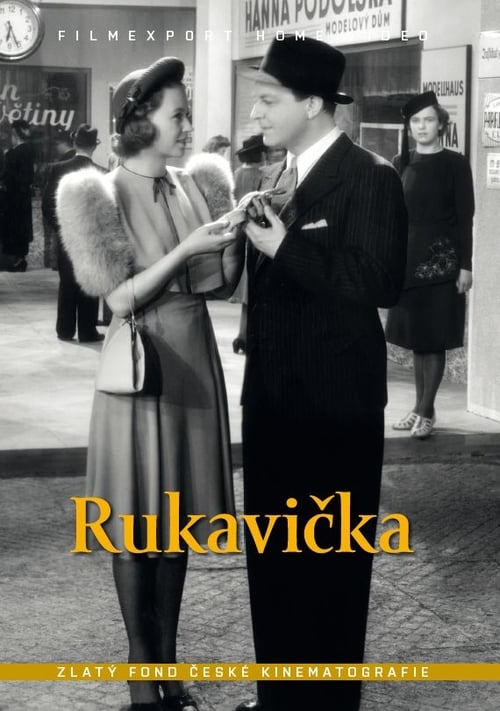
A lost lady's glove that connects several human destinies. The focus here is not on the lost part of the wardrobe, but on piano virtuoso Arne Brant, a man armed with a charming smile and surrounded by women, two of whom have particularly influenced his life. The first is the daughter of a famous can-can star, dancer Pavlína Doré-Zejdová, the second is Mařenka Berková, the main character of the film and a kind of Kristián in skirts. An orderly and well-bred daughter from an honorable family who lives her second life as a lady of high society. The lost glove complicates the situation for all of them considerably, but in the end she finds her rightful place, just like the heroes of the film...
Rukavička

The Emperor's mismanagement of his country is provoking some in his court to plot to overthrow him. He feels successful, at least, when he discovers the legendary Golem, which he believes can protect him and even cure his imaginary illnesses but, when he disappears while on a bender, his kindly baker, who looks just like him, is mistaken for him, and begins to put things in order. However, the conspirators, not to be outdone, determine to bring the Golem back to life to do their bidding.
The Emperor and the Golem
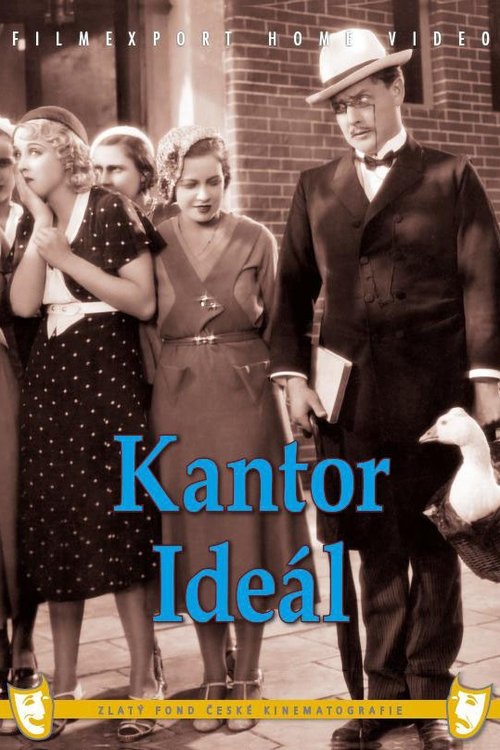
This light-hearted comedy operetta tells the story of a newly appointed high school professor who becomes an ideal target for pranks and jokes.
The Ideal Schoolmaster
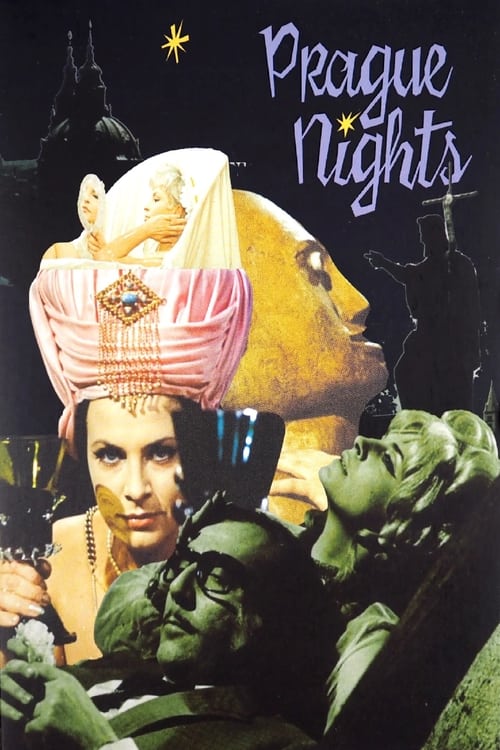
A stuffy middle-aged foreigner, a businessman named Fabricius, lonely and looking for a night's diversion, finds it in the form of a mysterious blonde. In an abandoned cemetery, she tells him three tales involving black magic and erotic obsession. In "The Last Golem," a young rabbi struggles to fashion a massive, silent giant out of living clay — until he's distracted by a mute servant girl. In the second episode, "Bread Slippers," an 18th-century countess indulges her passion for sweet cakes, adulterous affairs, and secret kisses with pretty maids until a mysterious visitor whisks her away to an abandoned mansion, where Fate has a different kind of dance in store for her. And in the final story, "Poisoned Poisoner," a ravishing murderess in the Middle Ages dispatches lecherous merchants to the tune of upbeat '60s Czech pop songs.
Prague Nights
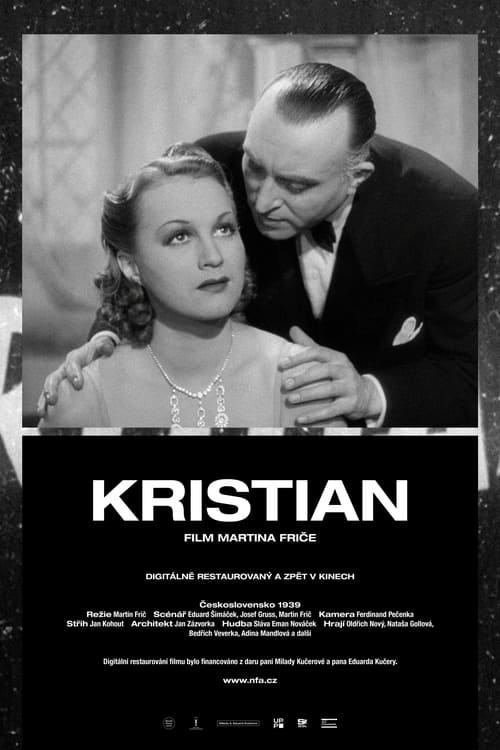
Alois Novák (Oldrich Nový), a minor clerk in a travel agency and the husband of a dowdy housewife Marenka (Natasa Gollová), lives a run-of-the-mill, dull life. In his soul, however, there resides an inextinguishable desire for adventure. And so once a month he poses as a playboy. As the mysterious and wealthy Mr. Kristian he goes to the exclusive Orient Bar where he does not skimp on generous tips and where he platonic-ally seduces beautiful and elegant women. In the salon he speaks of love and the magnificence of exotic lands, which he has supposedly come to know on his wanderings abroad. In reality he has read all of this in the travel agency's brochures.